


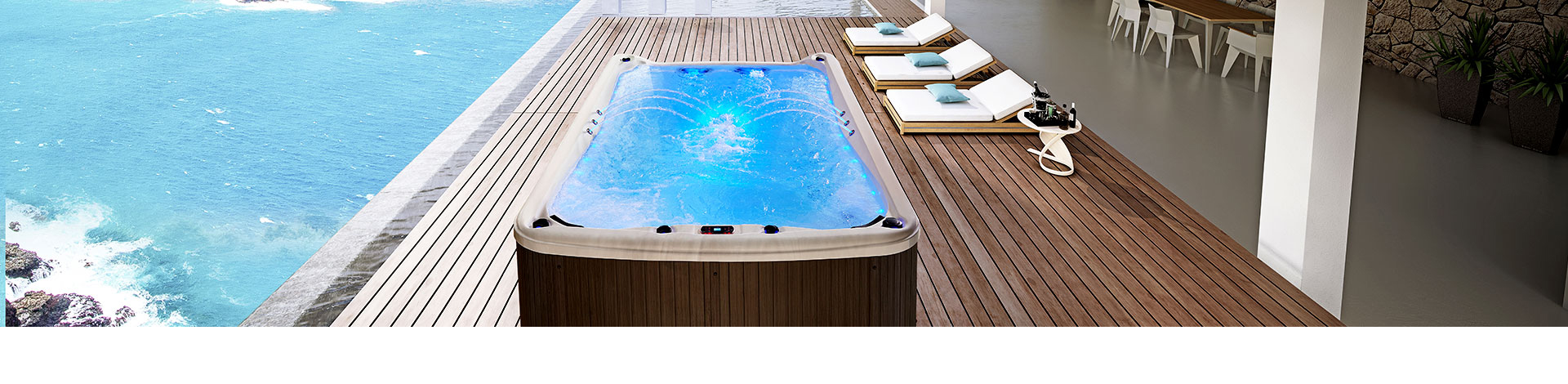
In everyday home or commercial spa facilities, the luxury spa hot tub is a device that provides relaxation, soothing, and therapeutic effects. However, the warm water in a luxury spa hot tub also provides an ideal breeding ground for bacteria, fungi, and algae.
Without scientific and regular disinfection, the water may become cloudy, develop unpleasant odors, and even breed harmful microorganisms such as Pseudomonas aeruginosa. Therefore, mastering the correct disinfection method for a luxury spa hot tub is key to ensuring safety and hygiene.
This article will systematically explain from a scientific perspective how to properly disinfect a luxury spa hot tub, which disinfectant is most effective, the frequency of disinfection, and maintenance points, helping you maintain an ideal water quality environment.
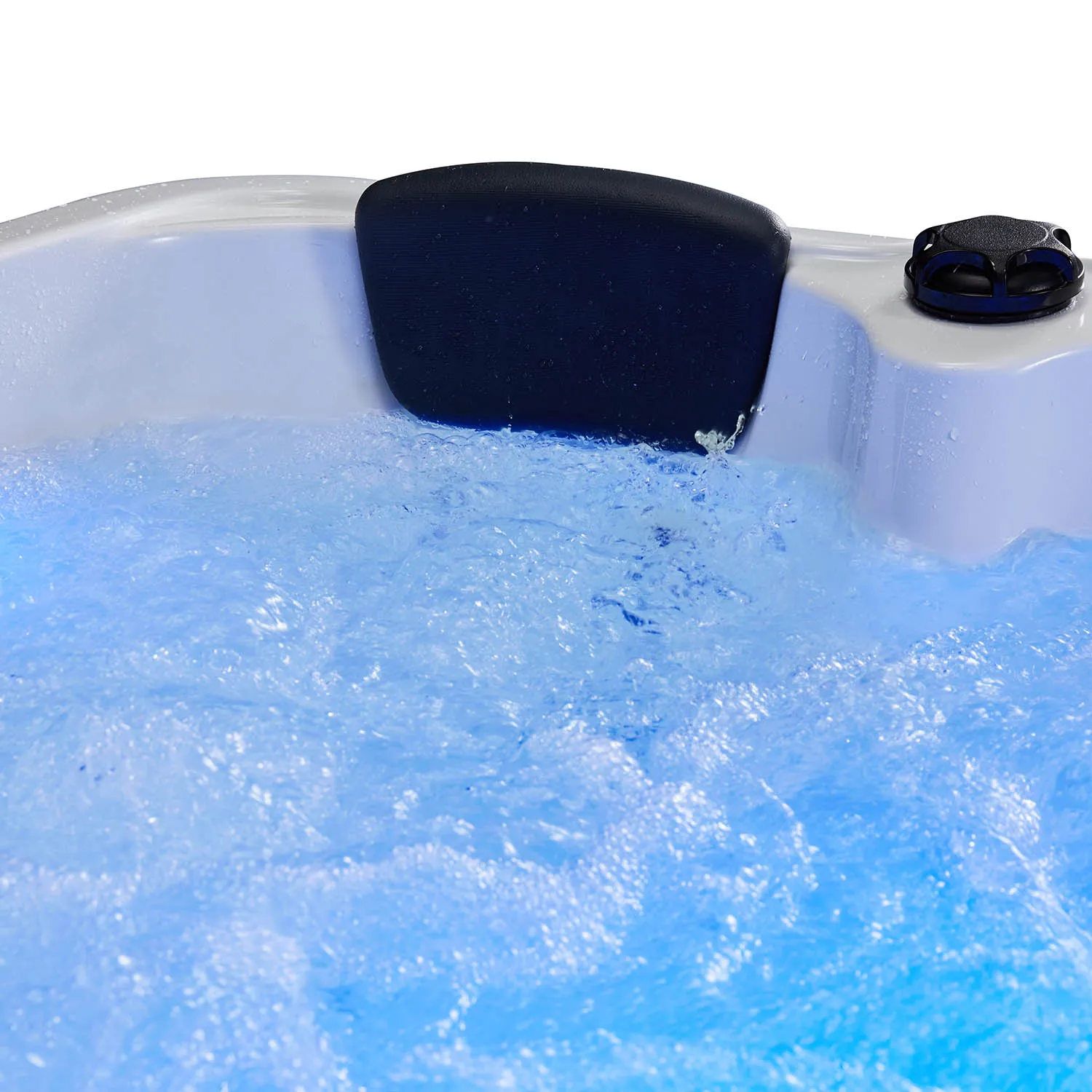
Why does a luxury spa hot tub need regular disinfection?
Before understanding how to disinfect, we must understand why regular disinfection is so important.
1. Warm Water Provides an Ideal Environment for Bacterial Growth
The operating temperature of a luxury spa hot tub is typically between 36°C and 40°C, a range perfectly suited for bacterial growth. Compared to a regular swimming pool, the higher temperature and less water circulation in a hot tub make it easier for microorganisms to accumulate.
Studies have shown that without disinfection, the number of bacteria in water can increase thousands of times within 24 hours.
2. Residue from Human Skin and Sweat
Each time you use a luxury spa hot tub, oils, sweat, cosmetics, and dead skin cells from your skin enter the water. These organic substances provide "nutrients" for bacteria and algae. If not cleaned and disinfected promptly, the water will become cloudy and develop an unpleasant odor.
3. Hidden Contamination in the Internal Piping
The piping system of a luxury spa hot tub is complex, with water flowing through nozzles, pipes, filters, and other points. Without effective disinfection, a biofilm can easily form inside the pipes. This sticky film protects bacteria, making them resistant to ordinary cleaning methods.
4. Health Risks and Infection Hazards
Inadequate disinfection of a luxury spa hot tub can lead to skin inflammation, respiratory irritation, and even Pseudomonas Dermatitis. Therefore, regular and thorough disinfection is not only a hygiene issue but also a guarantee of health and safety.
What are some common disinfectants for luxury spa hot tubs?
Choosing the right disinfectant is key to maintaining the hygiene of a luxury spa hot tub. Below are some common disinfection methods and their characteristics.
1. Chlorine – The Most Widely Used Traditional Disinfectant
Chlorine is currently the most widely used disinfectant, known for its strong bactericidal power and rapid action.
Advantages:
• Effectively kills bacteria, viruses, and algae;
• Economical and readily available;
• Continuously releasing chlorine tablets maintain disinfection effects for a long time.
Precautions:
• Excessive use can irritate the skin and eyes;
• Chlorine evaporates quickly at high temperatures, requiring regular monitoring and replenishment;
• May produce harmful gases when mixed with acidic substances.
Recommended to maintain free chlorine concentration at 3–5 ppm, with regular testing and replenishment.
2. Bromine – Suitable for High-Temperature Spa Environments
Bromine exhibits better stability than chlorine at high temperatures, making it ideal for luxury spa hot tubs.
Advantages:
• Maintains bactericidal activity at high temperatures;
• Milder odor, less irritating than chlorine;
• Insensitive to pH fluctuations.
Disadvantages:
• Slightly higher cost;
• Bromine residue is more difficult to remove, requiring regular drainage maintenance.
Recommended bromine concentration is maintained at 3–6 ppm, with testing 2–3 times per week.
3. Oxygen-Based Disinfectants (Hydrogen Peroxide, Active Oxygen Tablets)
Oxygen-based disinfectants are mild products, suitable for users with sensitive skin or those seeking a "low-chemical" experience.
Advantages:
• No irritating odor;
• Decomposes into water and oxygen after use, leaving no residual pollution;
• Can be used in conjunction with bromine to enhance effectiveness.
Disadvantages:
• Short-lasting disinfection duration;
• Requires more frequent testing and replenishment.
4. Ultraviolet (UV) and Ozone Systems
Many modern luxury spa hot tubs are equipped with UV lamps or ozone generators to assist in water disinfection.
Advantages:
• Can destroy microbial DNA, reducing the amount of chemical agents used;
• Improves water clarity;
• Reduces chemical residues.
Disadvantages:
• No sustained disinfection effect;
• Still requires the use of chlorine or bromine disinfectants.
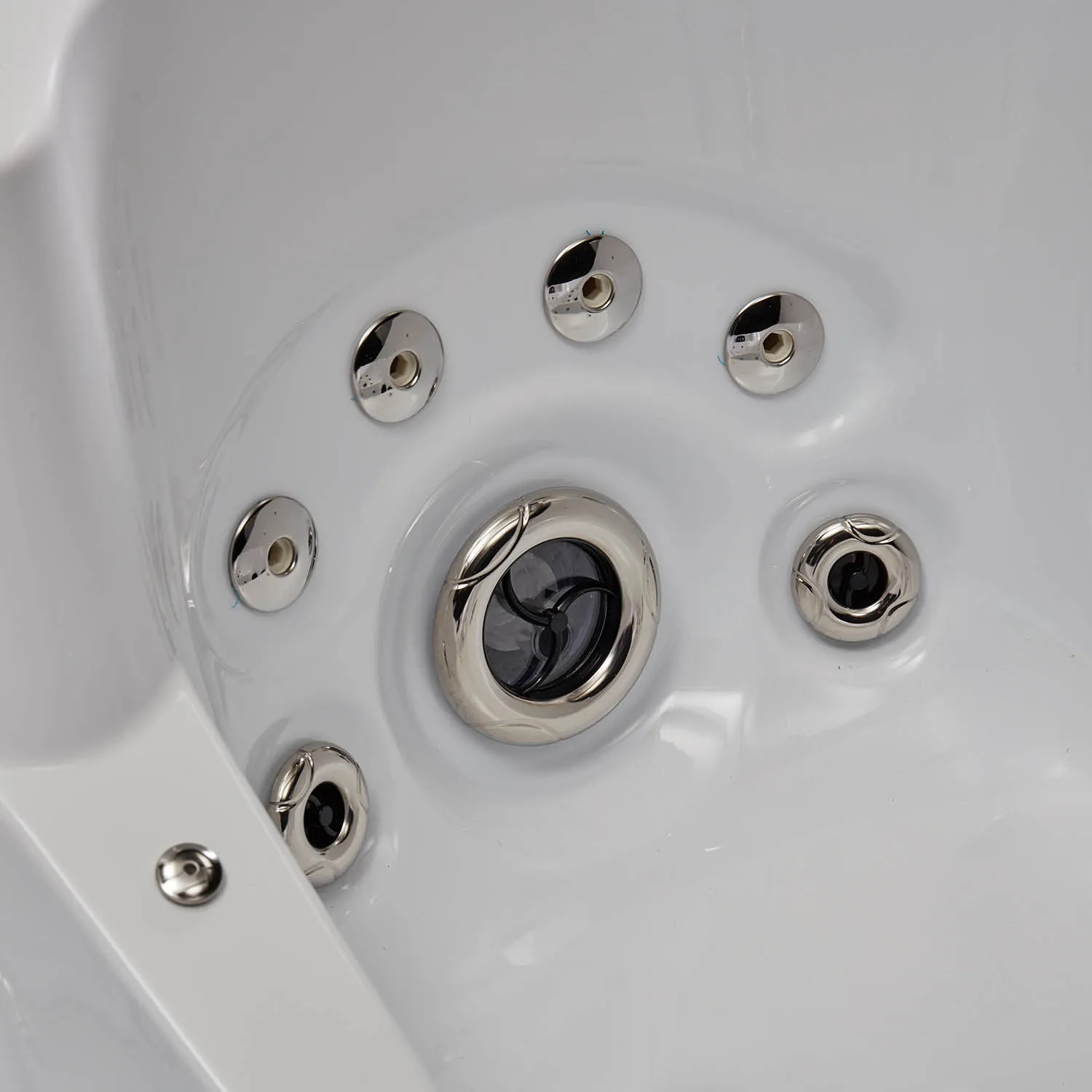
How to determine the disinfection frequency of a luxury spa hot tub?
Different usage frequencies, number of users, and environmental conditions will affect the disinfection plan.
1. Daily Use Recommendations
• Household use (2–4 people): Test water quality after each use and replenish chlorine or bromine if necessary;
• Frequent use (daily use or use by multiple people): It is recommended to test disinfectant concentration daily and perform partial water changes;
• Public or commercial use: Hygiene standards must be followed, and real-time monitoring must be maintained, with testing at least twice daily.
2. Regular Maintenance Cycle
Maintenance items | Recommended Frequency | Instructions |
| Detecting disinfectant concentration | Before and after each use | Maintain within safe limits |
| Adding disinfectant | After each use | Replenish as needed |
| Replacing part of the water | Once a week | Keep water clear |
| Complete drainage and cleaning | Once every 3 months | Remove biofilm and residue |
| Pipe flushing and disinfection | Once a quarter | Use a dedicated pipe cleaner |
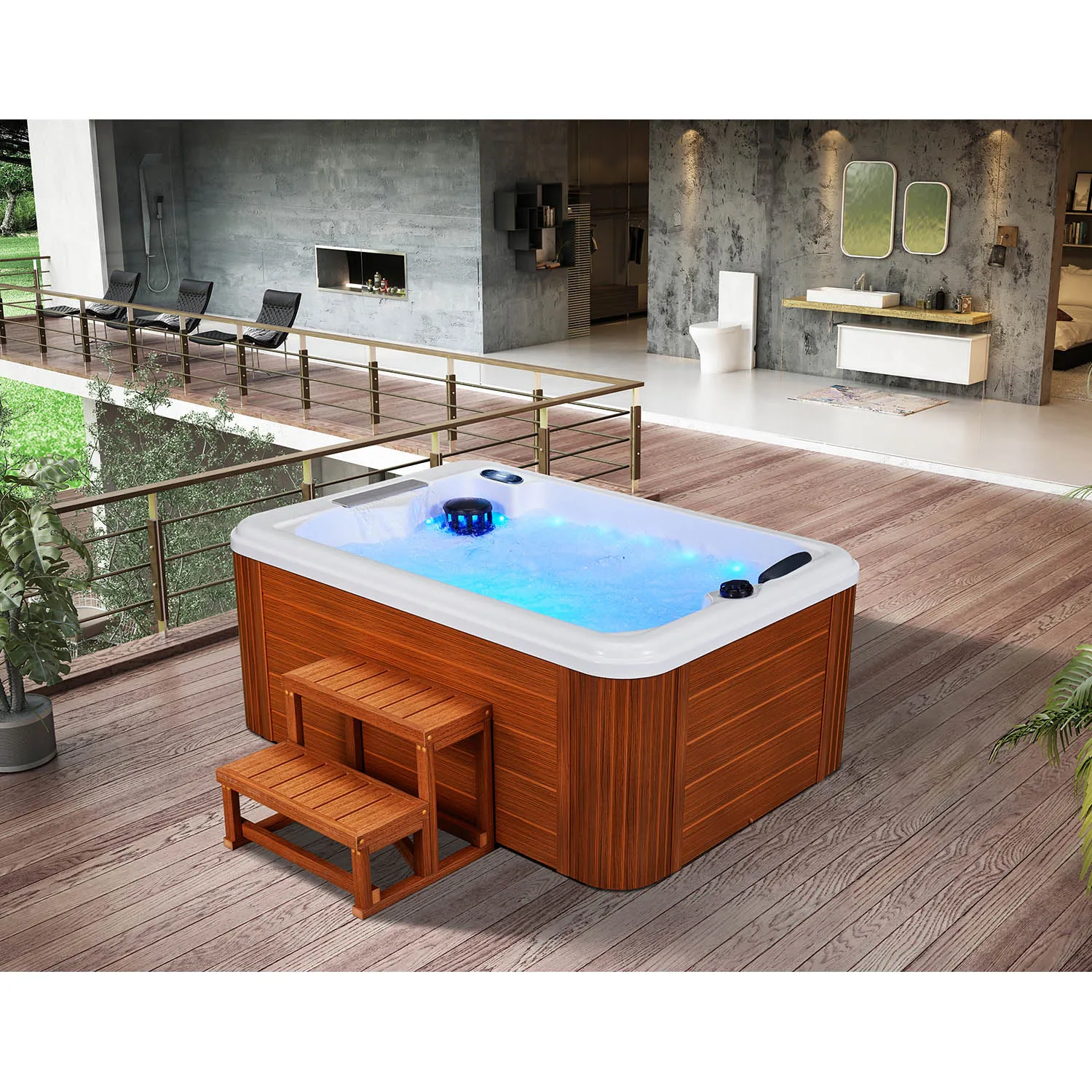
What are the correct disinfection steps for a luxury spa hot tub?
The following is a scientific, safe, and efficient disinfection process:
Step 1: Test Water Quality
Use professional test strips or an electronic water quality analyzer to test the following:
• Free chlorine or bromine concentration;
• pH value (ideal range: 7.2–7.8);
• Total alkalinity (80–120 ppm);
• Calcium hardness (150–250 ppm).
Ensure all indicators are within the normal range; values that are too high or too low will affect the disinfection effect.
Step 2: Adjust pH Value
pH value directly affects the efficiency of disinfectants. If the pH is too high, the bactericidal power of chlorine will decrease significantly; if the pH is too low, it will corrode the equipment. Maintaining a pH of around 7.4 using a pH adjuster is ideal.
Step 3: Add Disinfectant
According to the instructions, accurately add the disinfectant based on the selected disinfectant (chlorine, bromine, or oxygen-based).
• If using chlorine or bromine tablets, place them in a floating dosing device to ensure even release.
• If using powdered disinfectant, dissolve it thoroughly before adding it to the water.
Step 4: Operating the Circulating Water System
Start the circulation system of the luxury spa hot tub to ensure the disinfectant is fully distributed. It is generally recommended to circulate for at least 30 minutes.
Step 5: Shock Treatment
Perform a "shock treatment" every 1–2 weeks, adding a high concentration of disinfectant (such as double chlorine or oxygen) at once to thoroughly break down biofilms and residual contaminants.
After shock treatment, wait at least 8 hours before reuse to ensure the chemical concentration returns to safe levels.
Step 6: Cleaning the Filter and Surfaces
Don't forget to clean the filter and nozzles during disinfection. Soak the filter in a dedicated cleaning agent for at least 12 hours, then rinse thoroughly with clean water. Wipe the tub walls and nozzles with a non-abrasive sponge to prevent chemical residue.
How to Maintain a Clean and Stable Luxury Spa Hot Tub in the Long Term?
Even with proper disinfection, routine maintenance is necessary to ensure continued hygiene.
1. Keep the water circulation system clear
Water circulation prevents stagnant water and ensures even distribution of disinfectant. Run the circulation system at least twice a day for at least 30 minutes each time.
2. Replace or clean the filter promptly
The filter is the "first line of defense" for your luxury spa hot tub. It should be flushed weekly and replaced every 3 months. A clogged filter not only reduces water flow efficiency but also affects disinfectant distribution.
3. Regularly drain and deep clean
Even if the water is clear, it is recommended to thoroughly drain and deep clean the tub every 3 months. This process effectively removes grease, scale, and microbial buildup from the pipes.
4. Prevent contaminants from entering
• Shower before bathing to remove skin oils;
• Do not use soap or foaming products in the luxury spa hot tub;
• Minimize the entry of cosmetics, sunscreen, and other residues into the water.
What safety precautions should be taken when using disinfectants?
• Do not mix different chemicals: Chlorine mixed with acidic substances will release harmful gases. Add them separately and store in a dry place.
• Maintain ventilation: When using powdered or liquid disinfectants, operate in a well-ventilated environment.
• Avoid direct skin contact: Wear gloves and avoid inhaling chemical dust.
• Follow dosage guidelines: Excessive dosage can irritate skin and eyes; insufficient dosage will result in ineffective disinfection.
• Keep out of reach of children: Store chemicals in a dry, dark, and locked place.
How to determine if a luxury spa hot tub has been adequately disinfected?
The main criteria include:
• Clear and transparent water, without foam or oil film;
• No unusual or irritating odor;
• The filtration system is functioning properly;
• The disinfectant concentration is within the recommended range;
• The pH value is stable between 7.2 and 7.8.
If the water is found to be cloudy, foamy, or has an unusual odor, the water quality should be tested immediately and a shock disinfection should be performed.
Can I Request Special Packaging or Branding for Outdoor Gazebo Shipments?
Certainly. Yuehua offers private-label packaging, protective reinforcement, and brand-specific labeling for outdoor gazebo and spa shipments. This helps distributors maintain consistent branding across retail outlets. Clients may Buy products in neutral MEXDA packaging or opt for fully customized cartons, manuals, and nameplates.
Because all operations are handled within our Factory, the additional cost remains modest, keeping overall prices competitive. Such services are especially helpful for dealers preparing for seasonal promotions or launching new brands in their markets.