
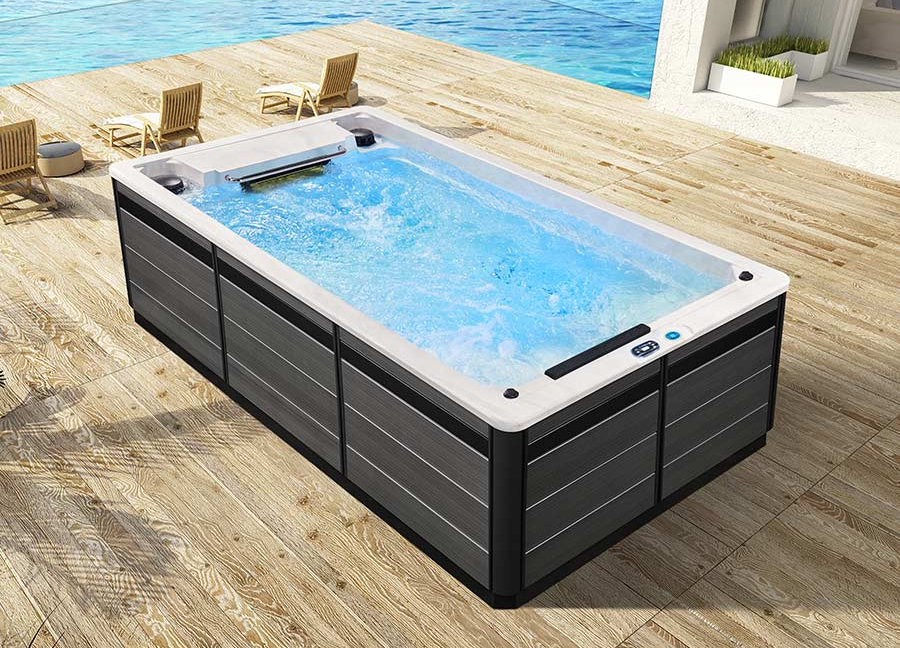
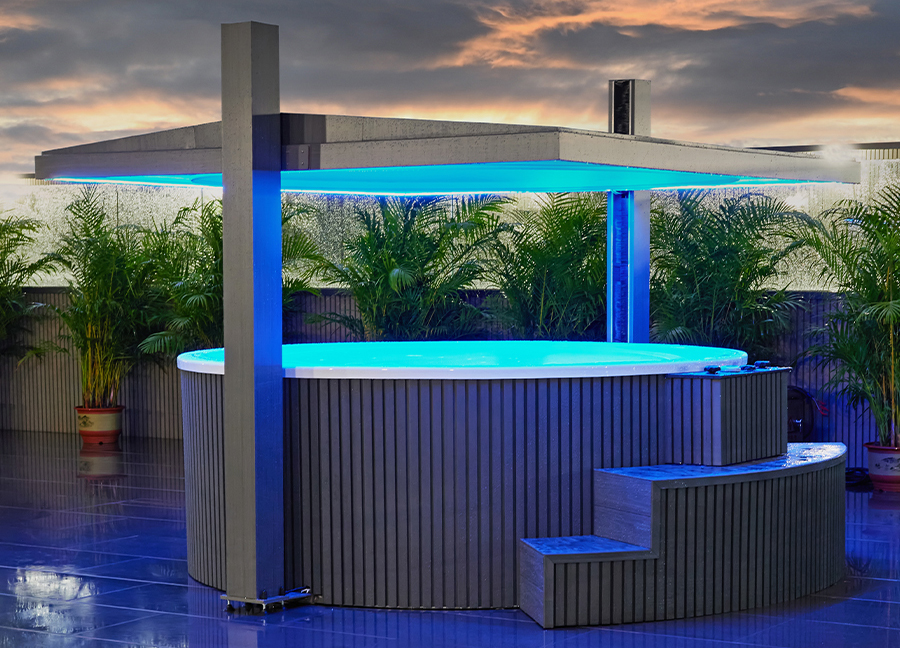
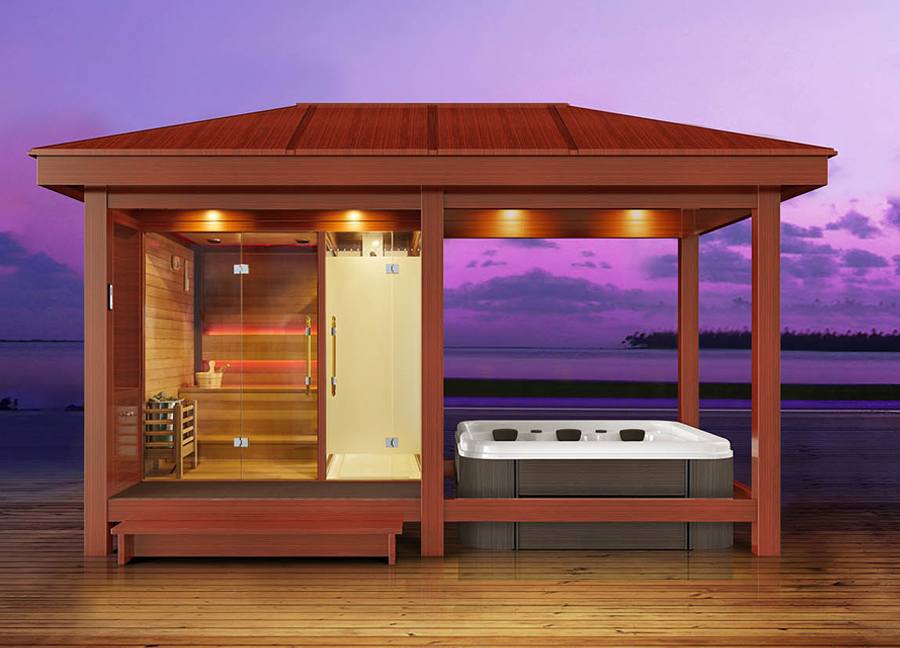


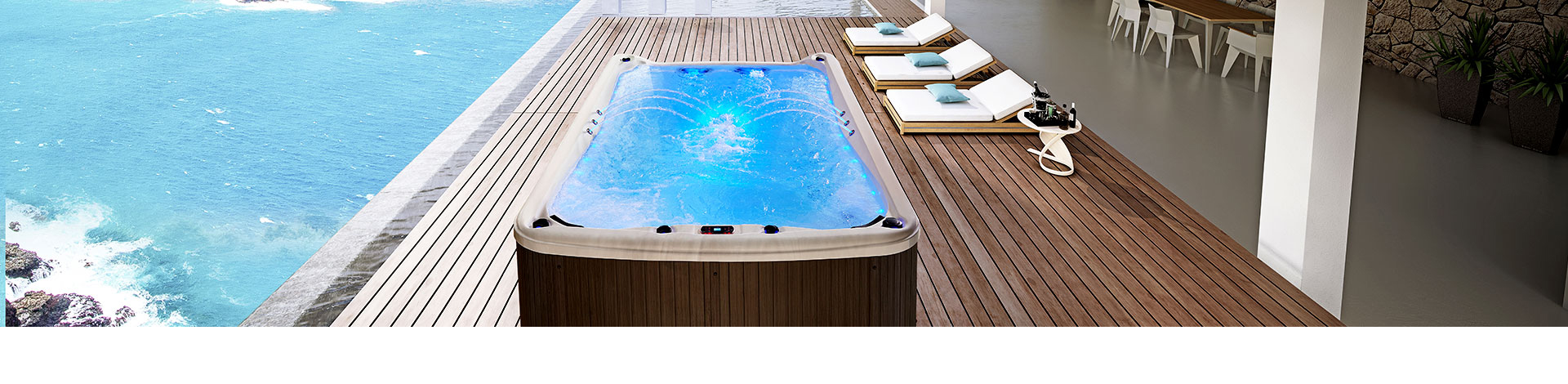
In modern life, anxiety has become a common problem for many people. With increasing work pressure and a faster pace of life, people are increasingly seeking scientific and safe ways to relieve stress. Spa hot tubs, with their comfortable warm water environment and massage function, have become a potential stress-relief tool.
So, can a whirlpool spa hot tub really relieve anxiety? What is its mechanism of action? This article will analyze the effects of spa hot tubs on anxiety from both physiological and psychological perspectives and provide a scientific guide to its use.
What is anxiety, and what are its effects on the body?
Anxiety is a psychological and physiological stress response, manifested as tension, worry, fear, and difficulty concentrating. It not only affects emotions but also triggers a series of physical reactions.
1. Physiological Manifestations of Anxiety
Anxiety is not just a psychological state but is also accompanied by physical reactions, such as:
• Increased heart rate and blood pressure;
• Rapid or shallow breathing;
• Muscle tension and stiff neck and shoulders;
• Digestive system disorders (such as stomach discomfort and decreased appetite);
• Sleep disturbances or frequent awakenings.
2. Anxiety and the Nervous System
Anxiety is primarily related to the activity of the sympathetic nervous system (SNS). Overactivation of the SNS leads to a "fight or flight" response, causing increased heart rate, rapid breathing, and elevated blood sugar, while simultaneously inhibiting digestive and immune functions.
Understanding the physiological mechanisms of anxiety helps in understanding how a whirlpool spa hot tub alleviates anxiety by relaxing the nervous system.
How does a spa hot tub affect the nervous system?
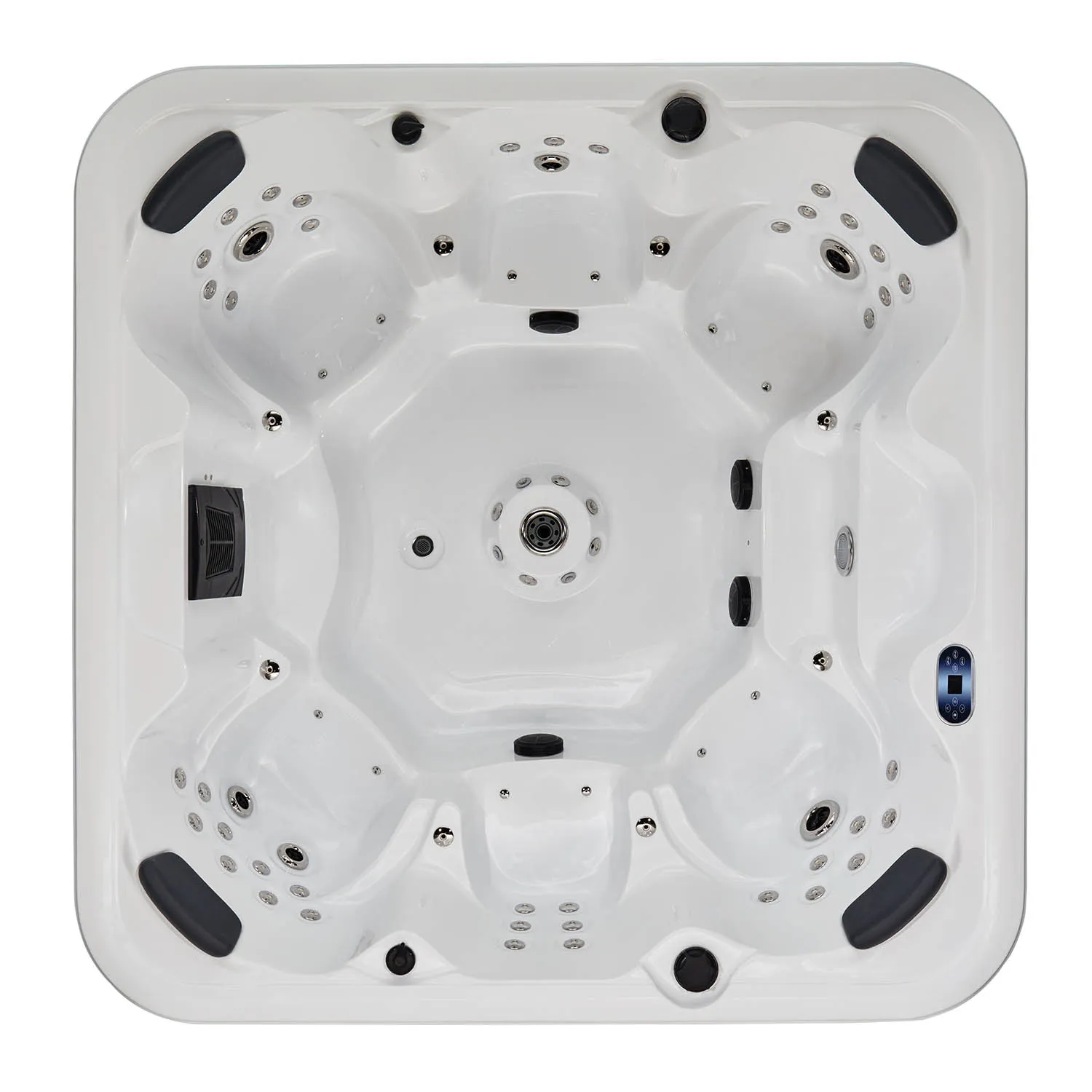
A spa hot tub affects the nervous system and psychological state through the action of water temperature, buoyancy, and massage jets on the body.
1. Effects of Warm Water on the Sympathetic and Parasympathetic Nervous Systems
Immersing in warm water (36–40°C) stimulates the skin with heat, triggering the following responses in the nervous system:
• Parasympathetic activation: Increases the relaxation response, lowers heart rate and blood pressure;
• Sympathetic inhibition: Reduces tension and anxiety;
• Endorphin release: Warm water stimulates the brain to release natural analgesics and pleasure substances, promoting relaxation.
2. Buoyancy Reduces Muscle Tension
The buoyancy of water reduces pressure on joints and muscles, especially in the shoulders, neck, and lower back.
Muscle tension is a common physiological manifestation of anxiety. The buoyancy of a whirlpool spa hot tub relaxes muscles, reducing body pressure and thus lowering psychological anxiety.
3. Massage Jet Stimulation and Blood Circulation
The jet of water improves local blood and lymphatic circulation by massaging specific areas of the body:
• Increases the delivery of oxygen and nutrients;
• Eliminates metabolic waste and reduces lactic acid buildup;
• Enhances the relaxation feedback of the nervous system through tactile stimulation.
The combined effects of warmth, buoyancy, and water jet massage provide a safe and natural relaxation experience for those experiencing anxiety.
The Mechanism of a Spa Hot Tub's Influence on Psychological State
1. The Psychological Comfort of Hot Water Soaking
Warm water not only affects physiological state but also brings a sense of security and comfort:
• The hot water surrounding the body forms a "warm environmental barrier," creating a feeling of safety and protection;
• Psychologically termed "enhanced bodily security," it helps reduce anxiety levels;
• Prolonged warm soaking allows attention to be focused on bodily sensations, diverting attention from the source of anxiety.
2. The Feedback Loop Between Muscle Relaxation and Anxiety
Anxiety is often accompanied by muscle tension, which in turn amplifies anxiety.
A spa hot tub relaxes muscles through warm water and massage, breaking this tension-anxiety cycle and creating a positive feedback loop:
Muscle relaxation → Reduced neural pressure → Reduced anxiety → Easier muscle relaxation.
3. Self-Care and Psychological Suggestion
Soaking in a whirlpool spa hot tub, usually in a solitary or quiet environment, combined with deep breathing and closed-eye rest, can create psychological suggestion:
• Self-awareness and care → Enhances psychological security;
• Awareness of physical relaxation → Enhances psychological relaxation;
• Long-term regular use can establish a relaxation habit and has an auxiliary effect on anxiety management.
Physiological Data Supporting the Relief of Anxiety by Spa Hot Tubs
Although this article does not involve case studies, its mechanism of action can be understood from physiological experiments and research conclusions:
1. Decreased Heart Rate and Blood Pressure
Soaking in 36–40℃ warm water for 15–30 minutes can reduce resting heart rate by approximately 5–10 beats/minute and blood pressure by 5–10 mmHg.
2. Enhanced Parasympathetic Nervous System Activity
Warm stimulation can increase heart rate variability (HRV), an indicator of parasympathetic nervous system activity. An increased HRV indicates enhanced relaxation.
3. Reduced Muscle Tension
After soaking in a whirlpool spa hot tub, the electrical activity of the muscles in the shoulders, neck, and lower back decreases, indicating that the muscles are in a relaxed state.
These physiological changes provide a scientific basis for anxiety relief.
Precautions for Different Groups Using Spa Hot Tubs to Relieve Anxiety
The temperature, soaking time, and frequency of the whirlpool spa hot tub need to be scientifically adjusted for people with different physical conditions and ages.
Population | Recommended temperatures | Recommended soaking time | Precautions |
| Healthy adults | 36–40°C | 15–30 minutes | Use regularly and stay hydrated |
| Elderly people | 35–38°C | 10–20 minutes | Avoid excessive cardiovascular load |
| Patients with cardiovascular disease | ≤37°C | 10–15 minutes | Use under doctor's guidance, avoid overheating |
| Pregnant women | ≤36°C | 10–15 minutes | Avoid excessively high core temperature to prevent fetal discomfort |
| Children | 34–36°C | 5–10 minutes | Strictly control temperature and time |
Optimal Strategies for Using Spa Hot Tubs to Relieve Anxiety
To maximize the psychological and physiological effects, it is recommended to follow these strategies:
1. Choose a Suitable Temperature
Recommended temperature: 36–40°C, adjusted according to personal comfort; For people with weak cardiovascular function, the temperature can be appropriately lowered.
2. Control Soaking Time
First-time users: 10–15 minutes; Experienced users: 15–30 minutes; Avoid prolonged high-temperature soaking to prevent dehydration or elevated body temperature.
3. Create a Quiet Environment
Turn off your mobile phone or other noise sources; You can combine this with soft lighting and deep breathing exercises; This creates a dual effect of psychological suggestion and physical relaxation.
4. Regular Use
Use 2-3 times per week, 15-30 minutes each time; Long-term regular use helps establish a relaxation habit and improve daily anxiety management skills.
5. Combine with Breathing and Meditation Practices
Perform diaphragmatic breathing or short meditation sessions in the whirlpool spa hot tub;
This can enhance parasympathetic nerve activity and accelerate anxiety relief.
Limitations of Spa Hot Tub for Anxiety Relief
While whirlpool spa hot tubs have a significant auxiliary effect on anxiety, they also have limitations:
1. Not a Replacement for Professional Psychotherapy
For severe anxiety, panic attacks, or anxiety disorders, psychological counseling or medication is still necessary.
2. Individual Differences
Different people have different sensitivities to warm water stimulation and massage;
Some people may experience limited anxiety reduction initially.
3. Safety Restrictions
Cardiovascular disease, pregnant women, or children need to control the temperature and time; Overheating or prolonged soaking may increase risks.
Summary: Spa hot tubs are an auxiliary tool for anxiety management, not a fundamental treatment.
How to Maximize the Anxiety-Relieving Effect of Spa Hot Tubs?
Optimal results can be achieved by combining scientific use with psychological adjustment:
• Reasonable temperature control: 36–40°C is the comfortable relaxation zone;
• Appropriate time: 15–30 minutes is the best experience;
• Quiet environment: Reduce external interference and enhance psychological relaxation;
• Combine with breathing exercises: Deep breathing, diaphragmatic breathing, or short meditation sessions;
• Regular use: Long-term regular use helps establish a psychological relaxation pattern;
• Water quality and safety: Keep the whirlpool spa hot tub clean and disinfected to ensure safe use.
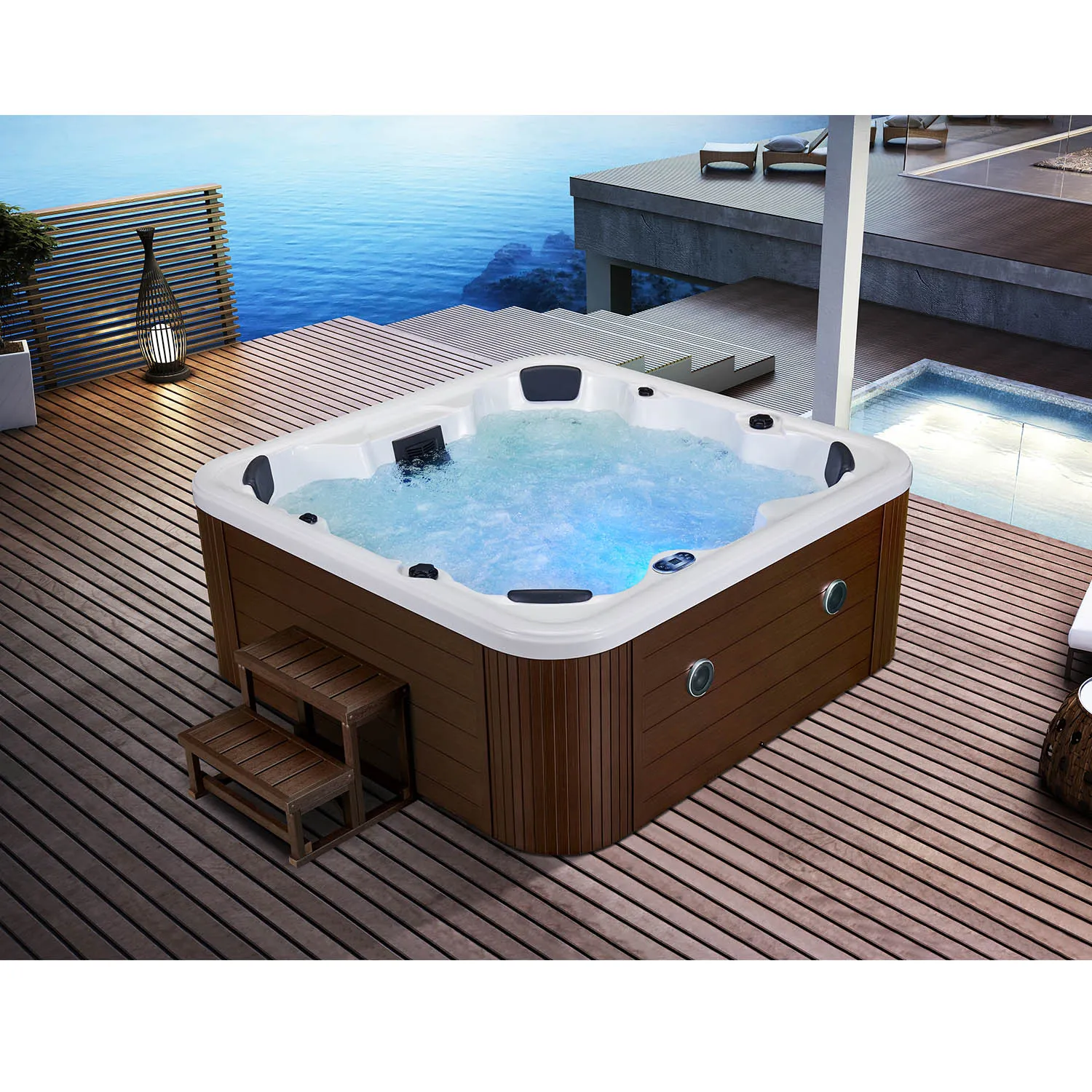
Scientific Summary of Spa Hot Tub's Anxiety Relief
Through physiological and psychological mechanism analysis, the following conclusions can be drawn:
• Warm water stimulates the parasympathetic nervous system → lowers heart rate and blood pressure;
• Buoyancy and massage → relax muscles and reduce physical tension;
• Psychological comfort → enhances feelings of security and psychological relaxation;
• Regular use combined with breathing exercises → long-term improvement in anxiety.
In conclusion, the whirlpool spa hot tub can be used as a safe and scientific auxiliary tool to help relieve anxiety, but it should not replace professional psychological treatment.
How does Yuehua help reduce warranty claims for distributors?
We minimize warranty issues through strict testing procedures, including water leakage tests, electrical safety checks, pump pressure testing, and full-function operational inspections. Every unit is tested before packaging. By controlling quality at the factory level, Yuehua helps distributors significantly reduce after-sales workload.
This approach lowers long-term maintenance costs for partners and supports stronger sales growth. Distributors appreciate that our China-made spas, saunas, and steam rooms combine durability with low wholesale prices, offering excellent business value.