







Spa hot tubs are widely popular for their relaxing, stress-relieving, and blood circulation-improving effects.
Many people see them as a symbol of a healthy home life. However, did you know that behind this warm comfort may lurk invisible bacterial threats?
The warm water environment, complex circulation system, and frequent human contact make whirlpool spa hot tubs an ideal breeding ground for bacteria.
If not properly maintained, bacteria can grow rapidly in the pipes and water, potentially harming the user's skin, respiratory system, or immune system.
Therefore, understanding whether bacteria in a whirlpool spa hot tub can cause illness is not only a hygiene issue but also a matter of safety and health.
This article will systematically answer this question, from bacterial types, pathogenic mechanisms, symptoms to preventative measures, helping you scientifically understand and manage the bacterial risks of whirlpool spa hot tubs.
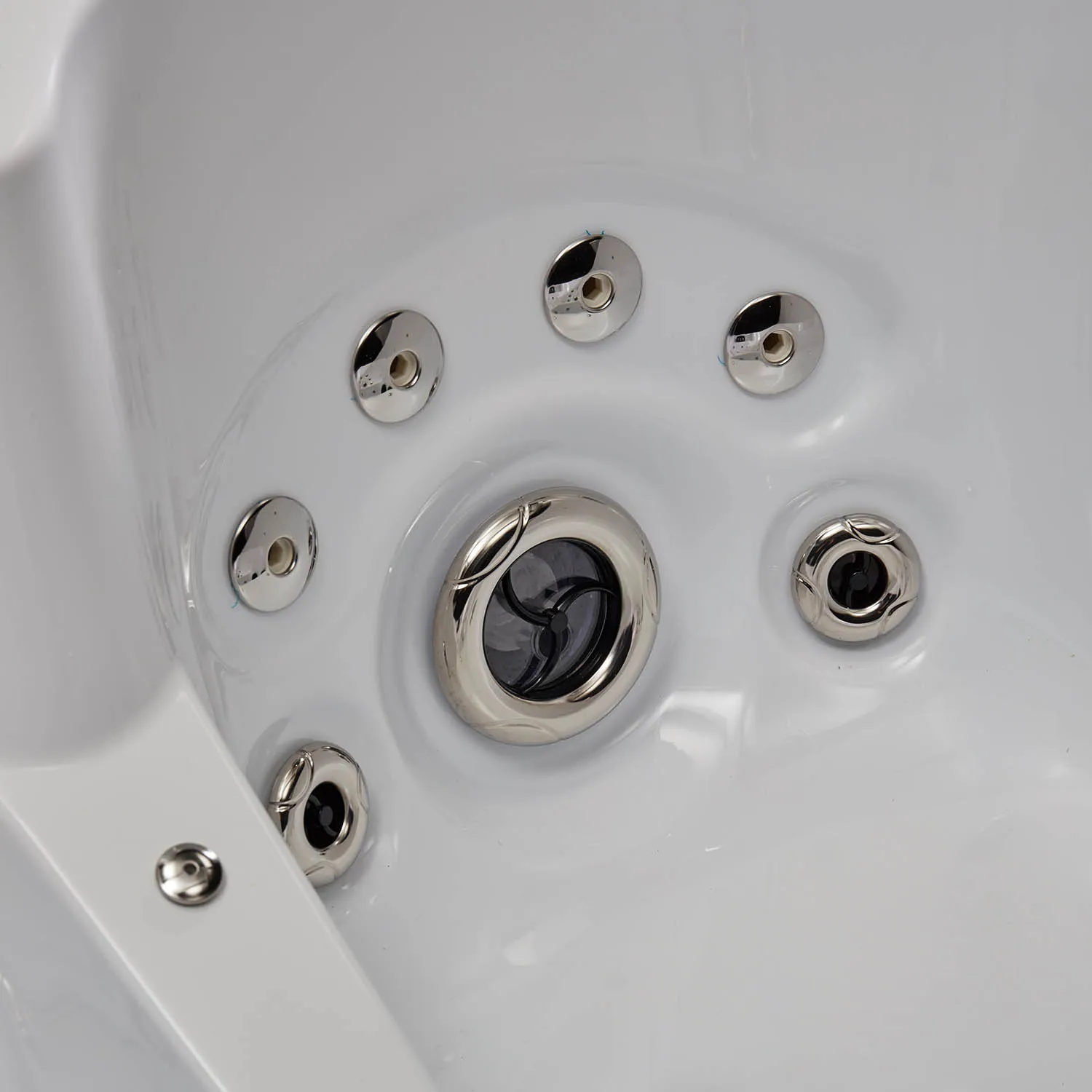
What bacteria are commonly found in spa hot tubs?
Before discussing whether they can cause illness, we need to understand which bacteria are commonly found in spa hot tubs. The following microorganisms are among the most representative:
1. Pseudomonas aeruginosa
• This is the most common bacterium found in whirlpool spa hot tubs;
• It multiplies rapidly in warm, humid environments rich in organic matter;
• It can cause skin infections, ear infections, and itching;
• It is resistant to some common disinfectants.
2. Legionella pneumophila
• It is transmitted through inhalation of contaminated water vapor;
• It can cause Legionnaires' disease (a pneumonia-like illness);
• It often hides in heating systems, nozzles, and biofilms on pipe walls.
3. Escherichia coli
• Its main source is contamination from human excrement;
• It can cause gastroenteritis, diarrhea, or vomiting;
• It usually indicates severely contaminated water.
4. Staphylococcus aureus
• Can cause skin abscesses, folliculitis, and rashes;
• Commonly found in shared, poorly disinfected whirlpool spa hot tubs.
These bacteria can cause infection if their numbers become too high or if they enter specific parts of the body.
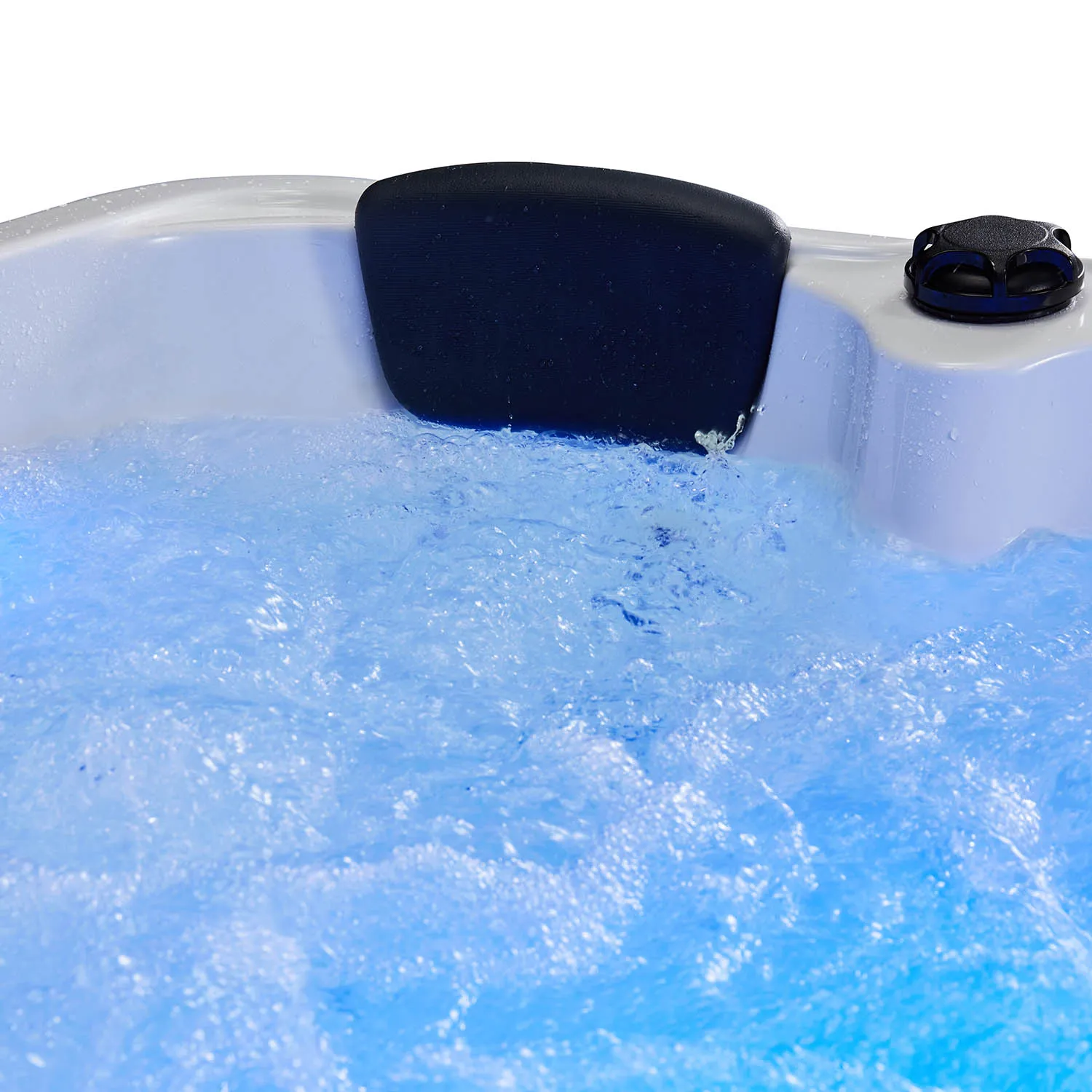
How do bacteria in spa hot tubs cause disease?
1. How do bacteria enter the human body?
Bacteria in whirlpool spa hot tubs mainly enter the human body through the following routes:
• Skin contact: Tiny wounds, hair follicles, or sweat gland openings are the main entry points;
• Inhalation: Inhaling contaminated water vapor or bubbles;
• Ingestion: Accidentally swallowing bacterial water during bathing;
• Eye and nose contact: Microorganisms in hot water steam irritate mucous membranes, causing inflammation.
2. The protective role of biofilms
Biofilms easily form inside spa hot tubs; these are sticky substances secreted by bacteria that adhere to the pipes and nozzles.
This biofilm protects bacteria from the disinfection effects of chlorine or bromine, allowing them to survive long-term within the system.
When the water circulates, these bacteria are released back into the water, creating a persistent source of infection.
What diseases can bacteria in a spa hot tub cause?
1. Hot Tub Rash
• Pathogen: Pseudomonas aeruginosa
• Route of infection: Skin contact with contaminated water
Main symptoms:
• Erythema, itching, burning sensation;
• Small pustules around hair follicles;
• Most commonly seen 1–2 days after bathing.
Note:
This is the most typical whirlpool spa hot tub-related infection, usually mild but recurring, indicating ineffective water disinfection.
2. Otitis externa ("Swimmer's ear")
• Causative agent: *Pseudomonas aeruginosa* or other aquatic bacteria
• Route of infection: Contaminated water enters the ear canal
Main symptoms:
• Ear pain and itching;
• Hearing loss or increased discharge;
• Pain upon touching the outside of the ear.
Warm and moist environments create a favorable environment for bacterial growth, especially after prolonged immersion in a whirlpool spa hot tub.
3. Legionnaires' Disease
• Causative agent: Legionella
• Route of infection: Inhalation of contaminated water vapor
Main symptoms:
• High fever, cough, muscle aches;
• Chest tightness, difficulty breathing;
• Can lead to pneumonia in severe cases.
Note:
Although Legionnaires' disease is less common in home bathtubs, if the circulatory system is not cleaned regularly and the temperature is maintained between 37°C and 45°C, *Legionella* can easily multiply and spread through vaporization.
4. Gastroenteritis and Foodborne Infections
• Pathogens: Escherichia coli, Salmonella, etc.
• Route of Infection: Ingestion of contaminated water
Main Symptoms:
• Abdominal pain, diarrhea, nausea;
• Fever, dehydration;
• Severe cases require medical intervention.
This type of infection often indicates fecal contamination of the whirlpool spa hot tub or a malfunctioning filtration system.
5. Skin Fungal and Staphylococcal Infections
• Pathogens: Staphylococcus aureus, fungal spores
• Route of Infection: Contact with contaminated water or equipment surfaces
Main Symptoms:
• Erythema, ulceration, suppuration;
• Infection worsens at broken skin sites;
Symptoms are more pronounced in individuals with weakened immune systems.

Who is more susceptible to bacterial infections from spa hot tubs?
Not everyone who comes into contact with a contaminated whirlpool spa hot tub will become ill.
Infection risk is closely related to individual health status, immune level, and usage habits.
1. Individuals with weakened immune systems
This includes the elderly, those with chronic illnesses, and those taking immunosuppressants or undergoing chemotherapy.
Their weakened immune systems make them more susceptible to bacterial infections.
2. Individuals with skin wounds or inflammation
Even minor scratches can become entry points for bacteria.
3. Children and pregnant women
Children have thinner skin and poorer thermoregulation, leading to faster onset of symptoms after infection.
Pregnant women's temperature fluctuations can affect fetal development, so prolonged use of the whirlpool spa hot tub is not recommended.
4. Frequent users who do not clean the equipment regularly
Those who do not drain the tub regularly, neglect cleaning the filtration system, or rely solely on disinfectant tablets have a significantly increased risk of infection.
How can you tell if your spa hot tub may contain pathogenic bacteria?
You can make a preliminary judgment using the following indicators:
Detection Dimension | Abnormal Signal | Possible Problem
Odor | Musty, foul, strong chlorine smell | Organic matter decomposition or chloramine formation
Appearance | Cloudy water, persistent foam, oily surface film | Biofilm formation
Touch | Slippery walls, greasy nozzles | Bacterial accumulation
Water Quality Testing | Abnormal pH, low chlorine/bromine content | Disinfectant ineffectiveness
Body Reactions | Rash, eye and nose irritation, cough | Possible bacterial infection
If any of the above signals appear, stop using immediately and conduct testing and disinfection.
How to prevent bacterial diseases in spa hot tubs?
1. Maintain water balance
• Keep pH between 7.2 and 7.8;
• Chlorine content 1–3 ppm or bromine content 3–5 ppm;
• Test regularly to ensure stable disinfection effectiveness.
2. Weekly Shock Treatment
This involves temporarily increasing the disinfectant concentration to kill bacteria and decompose organic residues.
The steps include:
• Increasing the chlorine dosage;
• Running the circulation system for at least 30 minutes;
• Waiting for the chlorine level to return to a safe level before use.
3. Regularly cleaning the filter and tubing
• The filter should be flushed weekly and replaced every 3–6 months.
• Using a professional tub cleaner can effectively remove biofilm and prevent bacteria from hiding.
4. Thoroughly draining and cleaning the interior
• A complete water change is recommended every 3 months;
• Cleaning the tank walls and nozzles with a soft-bristled brush to ensure no residual slime remains.
5. Maintaining good personal hygiene
• Showering before use;
• Avoid bringing cosmetics, lotions, or sunscreen into the water;
• Do not use after drinking alcohol;
• Avoid bathing with open skin.
6. Keeping the lid clean and ventilated
A damp environment from prolonged covering can breed bacteria and mold. Regularly drying the lid can prevent secondary contamination.
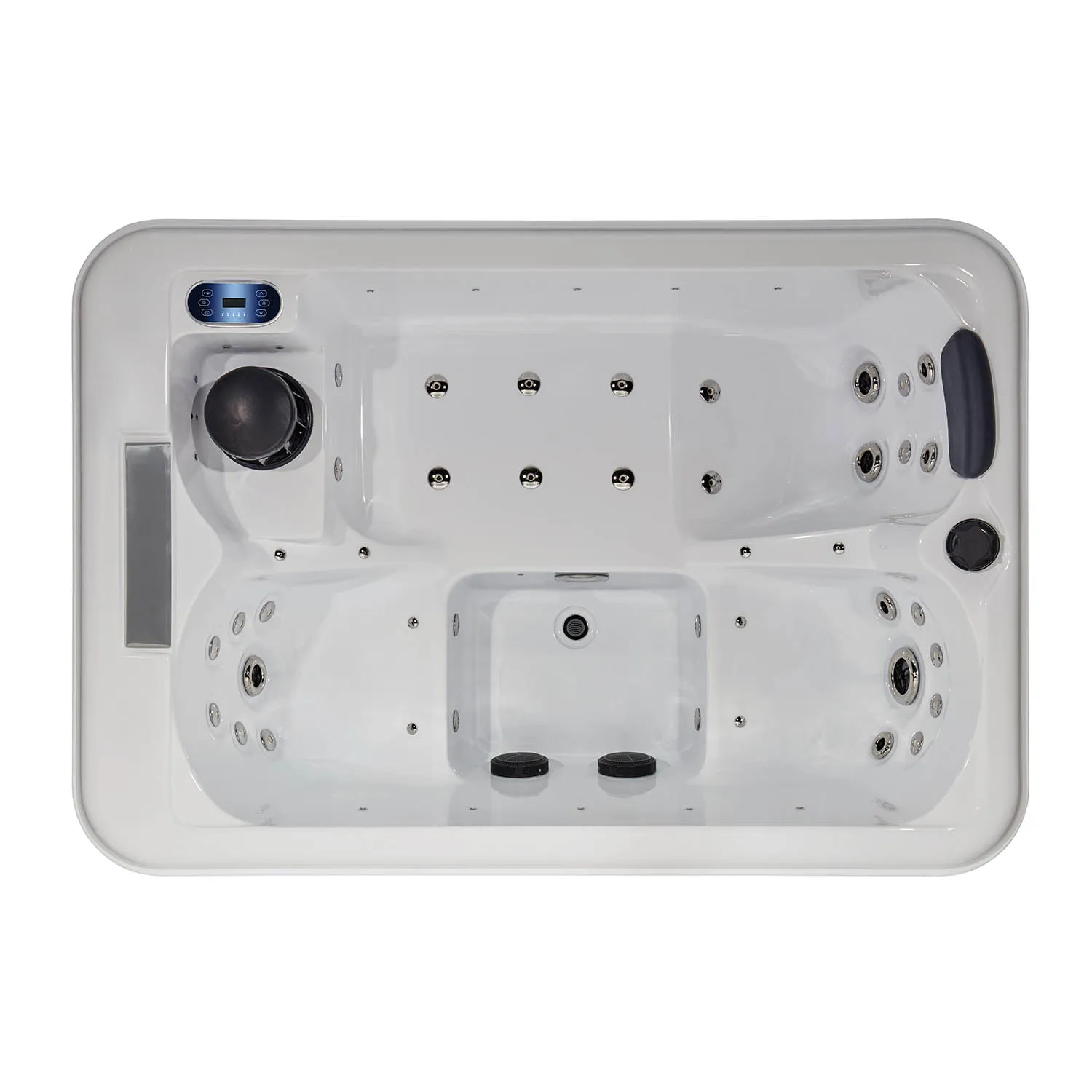
What should you do if you suspect a bacterial infection in your spa hot tub?
If suspected infection symptoms appear, take the following measures:
• Immediately stop using the whirlpool spa hot tub;
• Wash skin with warm water and mild soap;
• Observe symptoms: If rash, itching, or cough persists for more than 48 hours, seek medical attention;
• Thoroughly clean and disinfect the equipment to avoid re-exposure;
• Keep records: including usage time, water quality, and test results, to aid in medical diagnosis.
Bacteria in Spa Hot tTubs Can Indeed Cause Illness
The above analysis clearly shows:
Yes, bacteria in spa hot tubs can indeed cause illness.
These bacteria can enter the body through skin contact, inhalation, or mucous membrane infection, causing various health problems such as rashes, otitis externa, and Legionnaires' disease.
However, this risk is manageable—as long as proper disinfection, testing, and cleaning procedures are followed, bacterial growth and infection can be completely avoided.
How Do You Control Quality Across Different Product Categories?
Quality control at Yuehua follows unified standards across outdoor spa, swim spa, sauna room, outdoor gazebo, steam bathroom, and massage bathtub lines. Each production stage—forming, reinforcement, assembly, testing, and packing—is checked by trained inspectors. This structured system allows our factory to maintain high-quality output even with large wholesale volumes.