



With their comfortable water temperatures, circulating filtration systems, and hydro-massage features, spa hot tubs have become an essential amenity for many people seeking relaxation and rejuvenation. However, during routine maintenance, some users encounter a common issue: the water in their spa jacuzzi hot tub suddenly turns cloudy. When troubleshooting the cause, many people suspect that the problem is linked to disinfectants—specifically, chlorine levels.
Chlorine is a common water disinfectant widely used in both swimming pools and spa hot tubs. It effectively inhibits the proliferation of bacteria, viruses, and other microorganisms, thereby helping to maintain safe water quality. However, when chlorine is used improperly—or in excessive amounts—it can trigger various changes in water quality, one of which is water turbidity (cloudiness).
So, does excessive chlorine content truly cause spa hot tub water to become cloudy?
To answer this question, we must conduct a systematic analysis from multiple perspectives, including the mechanism of chlorine action, the chemical balance of the water, reactions with impurities, and the role of the filtration system.
This article will focus on the principles of water quality management in spa jacuzzi hot tubs to provide an in-depth explanation of the relationship between chlorine and water turbidity.
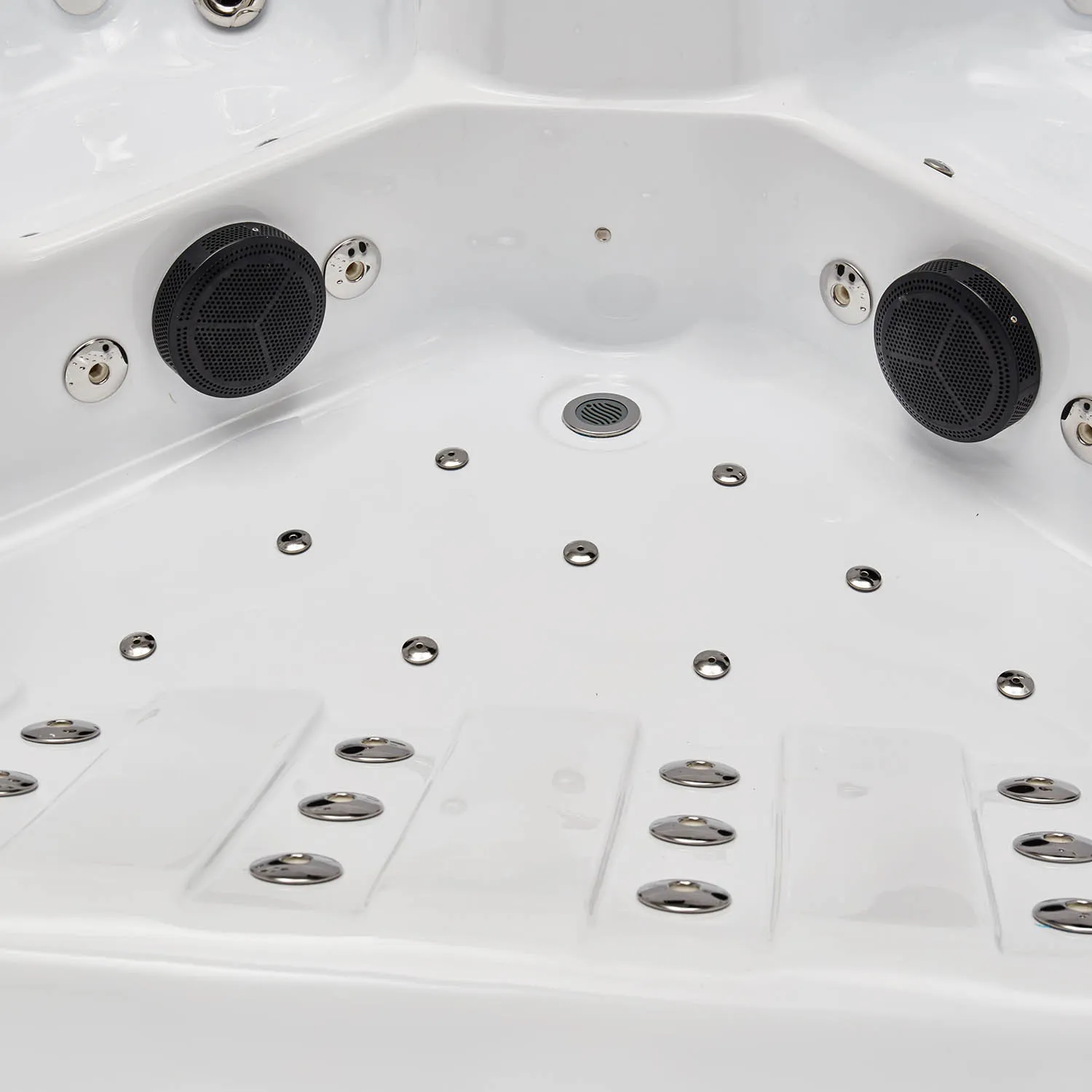
What exactly does chlorine do in a spa hot tub?
The water in a spa jacuzzi hot tub is typically continuously circulated and reused rather than being completely drained and refilled after every use. This means the water is constantly exposed to various external substances, such as:
•Residues from human skin
•Airborne particles
•Ingredients from skincare products or cosmetics
•Environmental dust and debris
Without proper disinfection measures, these substances can create a breeding ground for bacteria and microorganisms. Consequently, most spa hot tubs rely on the addition of chlorine to maintain water hygiene.
The primary functions of chlorine include:
•Killing bacteria
•Inhibiting algae growth
•Oxidizing organic matter present in the water
Through these actions, chlorine helps maintain a relatively clean and sanitary water environment within the spa jacuzzi hot tub.
However, chlorine levels must be kept within a reasonable range; otherwise, they can compromise the stability of the water chemistry.
Does excessive chlorine really make spa hot tub water cloudy?
Theoretically speaking, excessive chlorine levels can indeed be linked to water turbidity in a spa hot tub; however, this relationship is not a simple, direct cause-and-effect scenario. Chlorine itself is a transparent chemical substance; it does not directly cause water to become cloudy. However, when chlorine concentrations are excessively high, the chlorine may react with other substances present in the spa or hot tub water, resulting in the formation of tiny particles or precipitates.
As these particles remain suspended in the water, they compromise its clarity, causing the water in the spa jacuzzi hot tub to appear cloudy. Consequently, elevated chlorine levels typically affect water quality through indirect reactions—rather than by directly altering the water's inherent color or transparency.
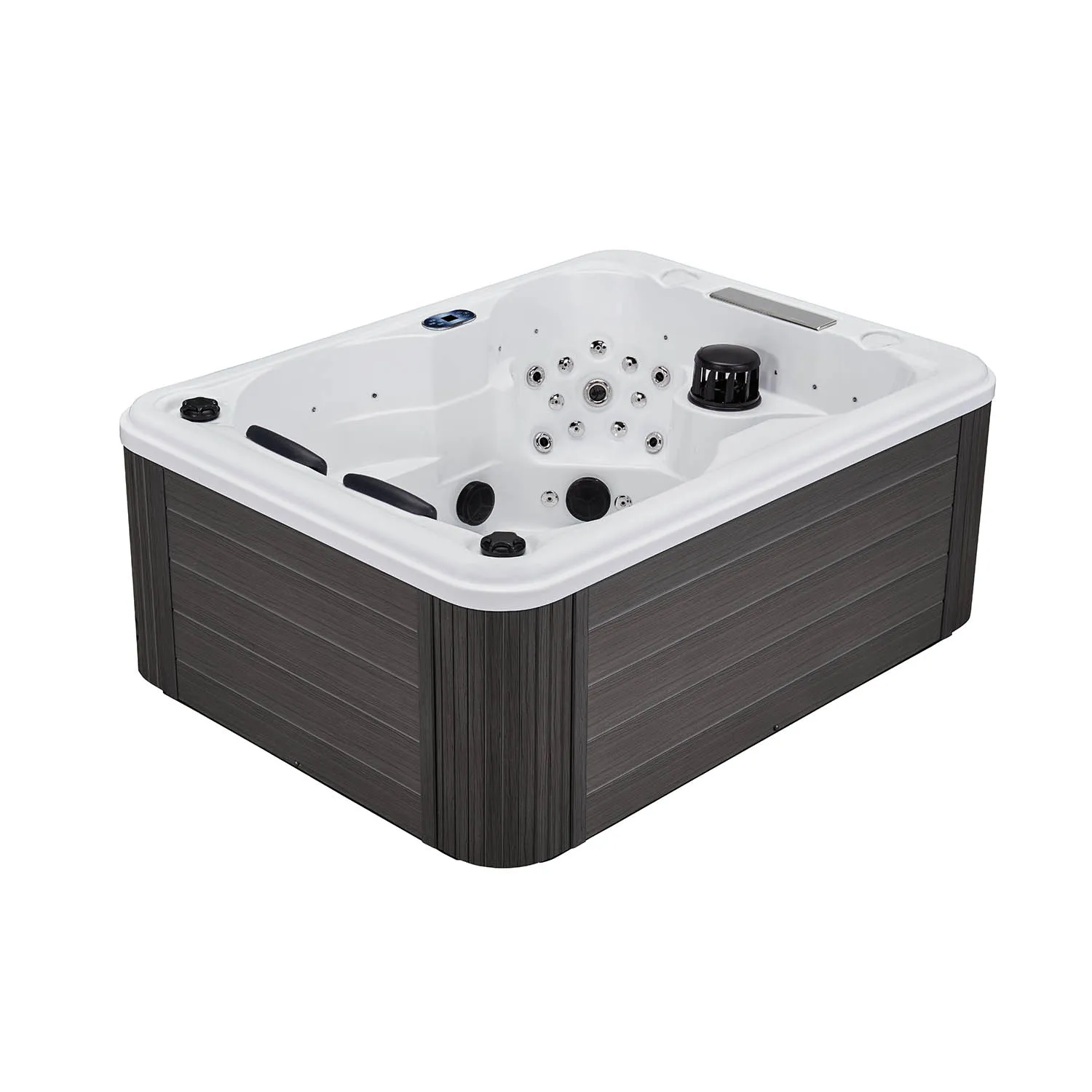
Why does chlorine react with impurities in spa hot tub water?
In a spa hot tub environment, the water is rarely in a state of absolute purity. Even after undergoing filtration, the water may still harbor a variety of dissolved substances and microscopic particles.
These substances include:
•Organic matter
•Skin oils and sebum
•Residues from skincare products
•Environmental particulates
When chlorine concentrations are high, its oxidizing power is significantly enhanced, making it more prone to undergoing chemical reactions with these substances. In certain instances, these reactions can generate microscopic particles or flocculent matter. As these particles drift through the water, they give rise to the cloudy appearance often observed in spas and hot tubs.
Why does water balance affect clarity in spa hot tubs?
The quality of water in a spa jacuzzi hot tub is not solely determined by chlorine concentration; it is also heavily influenced by the overall chemical balance of the water body.
Water balance in a spa hot tub typically encompasses several key factors, such as:
•pH levels
•Mineral content
•Disinfectant concentration
•Total Dissolved Solids (TDS)
When chlorine levels become excessive, they can disrupt the water's existing chemical equilibrium. For instance, under these altered environmental conditions, certain dissolved substances may transition from a dissolved state into a particulate state. Once these particles disperse throughout the water, they diminish the clarity of the spa hot tub.
Therefore, cloudy water is often the result of the interplay of multiple factors, rather than being caused solely by chlorine concentration in isolation.
Why do high chlorine levels sometimes cause the water to appear whitish?
In certain situations, the water in a spa jacuzzi hot tub may take on a faint, milky-white turbidity. This phenomenon is typically linked to the presence of microscopic particles within the water. When chlorine reacts with specific substances, it can generate extremely fine particles. These particles become uniformly distributed throughout the water and scatter incoming light.
As light passes through the water, it is deflected by these suspended particles, causing the water to appear whitish or hazy. This phenomenon typically indicates the presence of a large quantity of tiny suspended particles in the water, and chemical reactions involving chlorine may be a contributing factor.
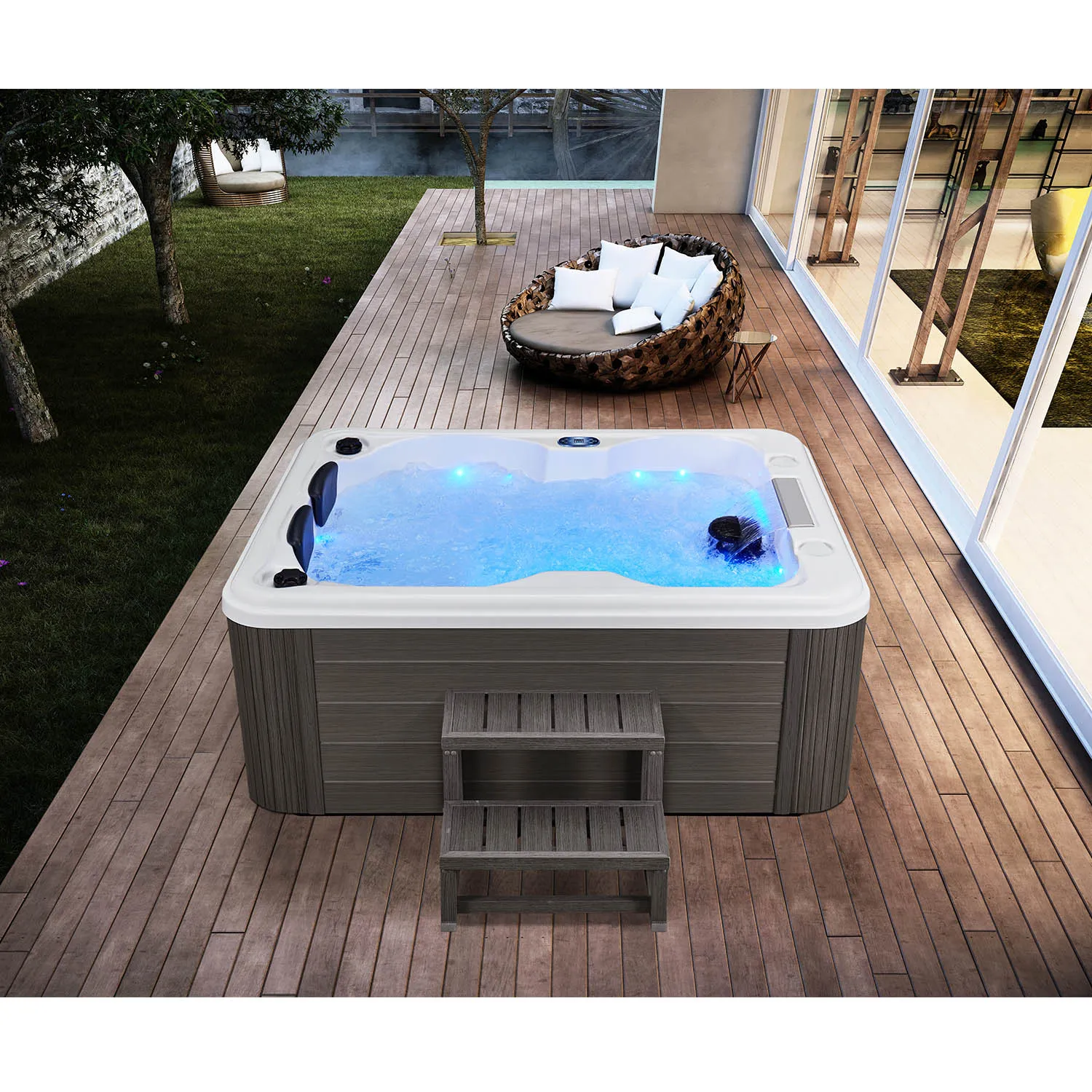
Does a high-temperature environment amplify the impact of chlorine on the water quality in a spa hot tub?
Spa jacuzzi hot tubs are typically maintained at higher water temperatures—a key difference compared to standard swimming pools. High-temperature environments can have a significant impact on chemical reactions occurring within the water.
At elevated temperatures:
•The rate of chemical reactions may increase.
•Certain substances may decompose more readily.
•The chemical reactivity of chlorine may be enhanced.
Consequently, in a spa hot tub, the reactions between chlorine and impurities in the water may be more pronounced. If chlorine levels are excessively high, the high-temperature environment can accelerate these reactions.
This is why managing water quality in spa jacuzzi hot tubs is generally more complex than in standard swimming pools.
Why can't the filtration system completely resolve issues caused by excessive chlorine?
Spa hot tubs are typically equipped with filtration systems, the primary function of which is to remove particulate matter from the water.
However, filtration systems generally work more effectively on larger particles, while some extremely minute particles may remain suspended in the water.
When chlorine reacts with impurities to generate a large volume of micro-particles, these particles can be extremely fine. Even with the filtration system running continuously, it may take a considerable amount of time to remove them completely.
Therefore, if the chlorine level in a spa jacuzzi hot tub is excessively high, the water may still appear cloudy in the short term.
Why does the water in a spa hot tub sometimes remain clear despite high chlorine levels?
Although excessive chlorine levels can lead to cloudiness, this issue does not occur in every situation. If the water in the spa hot tub is exceptionally clean and contains very few impurities, even slightly elevated chlorine levels may not result in any noticeable changes.
This indicates that water turbidity typically requires the simultaneous presence of multiple conditions, such as:
•A high concentration of organic matter in the water.
•A shift in chemical equilibrium.
•The generation and suspension of fine particles.
Significant cloudiness in a spa hot tub is likely to occur only when these conditions act in combination.
How can one determine whether the cloudiness in a spa hot tub is related to chlorine?
When cloudiness appears in a spa jacuzzi hot tub, it is generally necessary to assess the situation comprehensively rather than attributing the cause to a single factor alone. Factors that may affect water clarity include:
•Fluctuations in disinfectant concentration
•Changes in water balance
•An increase in suspended particles
•A decline in filtration efficiency
Excessively high chlorine levels represent just one of these potential factors. Only through a comprehensive assessment of water quality parameters can the underlying cause be accurately identified.
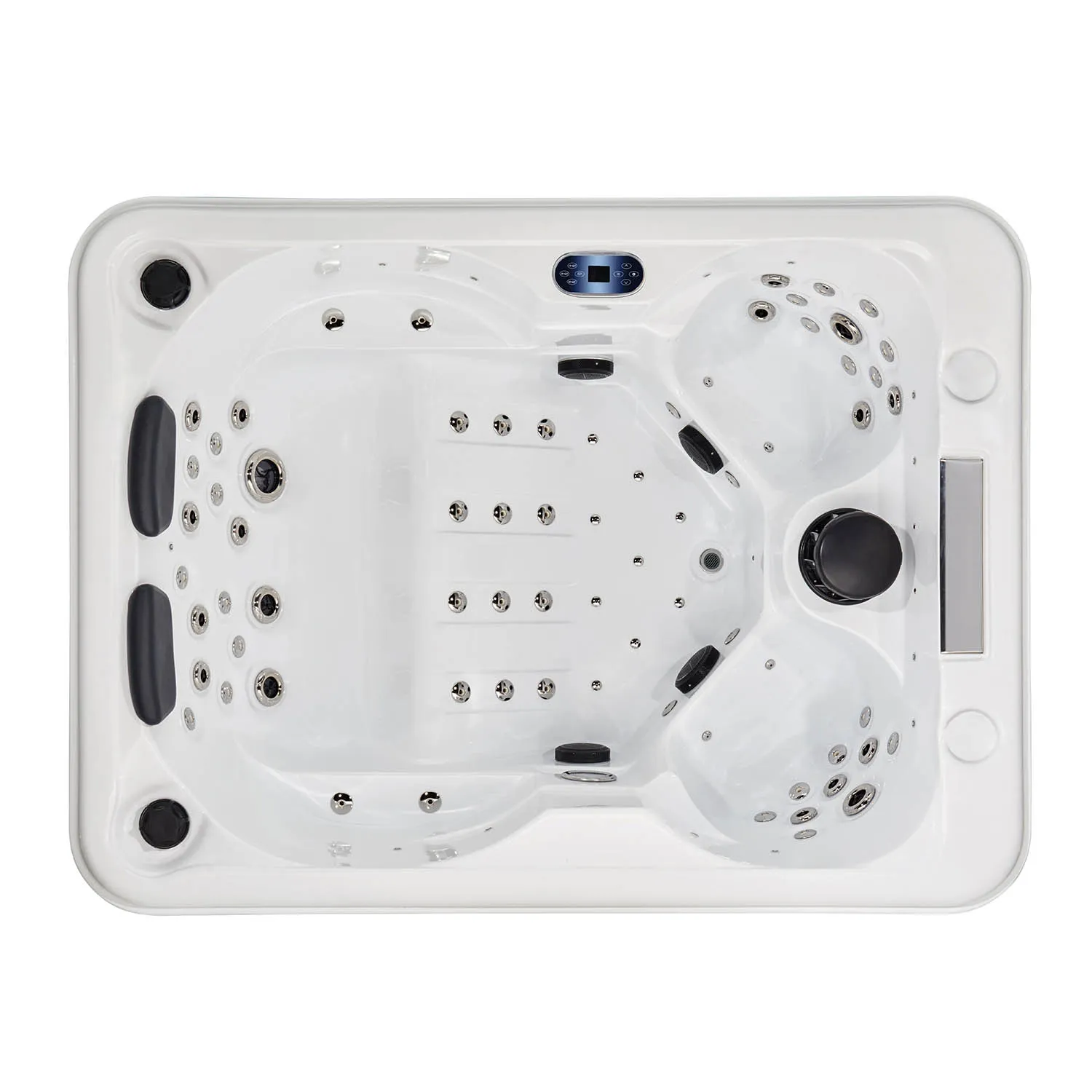
Why is maintaining chlorine levels within a reasonable range so crucial for spa hot tubs?
While chlorine plays a vital role in ensuring the safety of spa jacuzzi hot tub water, any disinfectant must be utilized within an appropriate range. If chlorine concentrations are too low, they may fail to effectively inhibit microbial growth; conversely, if concentrations are too high, they can compromise the stability of the water.
Maintaining appropriate chlorine levels helps to:
•Keep the water clear
•Minimize particles generated by chemical reactions
•Preserve water balance
Therefore, controlling chlorine levels remains a consistently critical component of routine maintenance for spa jacuzzi hot tubs.