


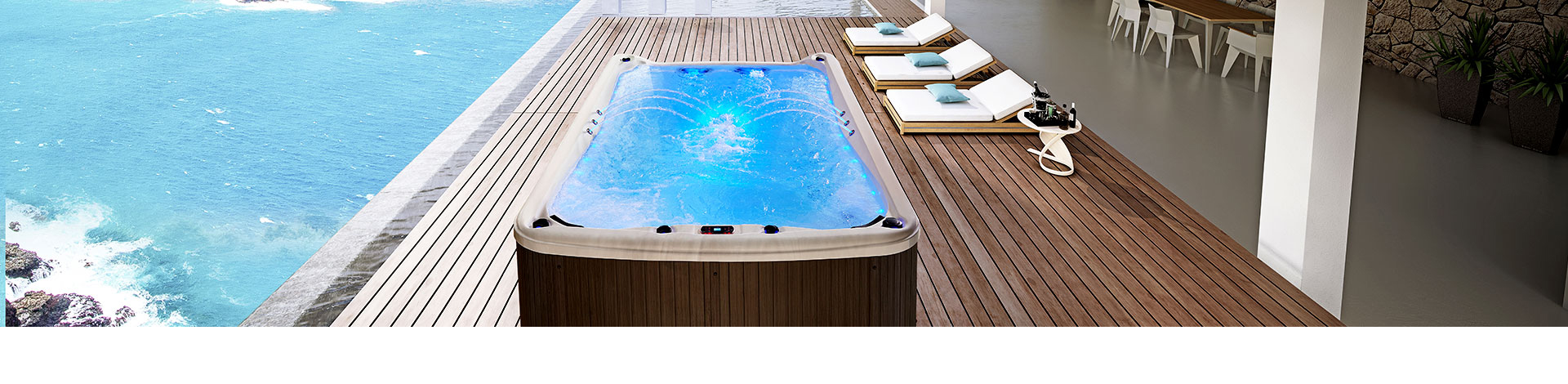
Steam shower bathrooms, as a home facility integrating steam sauna, shower, and beauty treatments, are gradually becoming popular in ordinary households.
Many people ask, "Can I install a steam shower bathroom in my home?" The answer is yes.
This article will explain in detail how to install a steam shower bathroom at home, covering its basic principles, installation conditions, space requirements, water and electricity configuration, safety measures, and use and maintenance, giving you a comprehensive understanding of its feasibility and operational details.
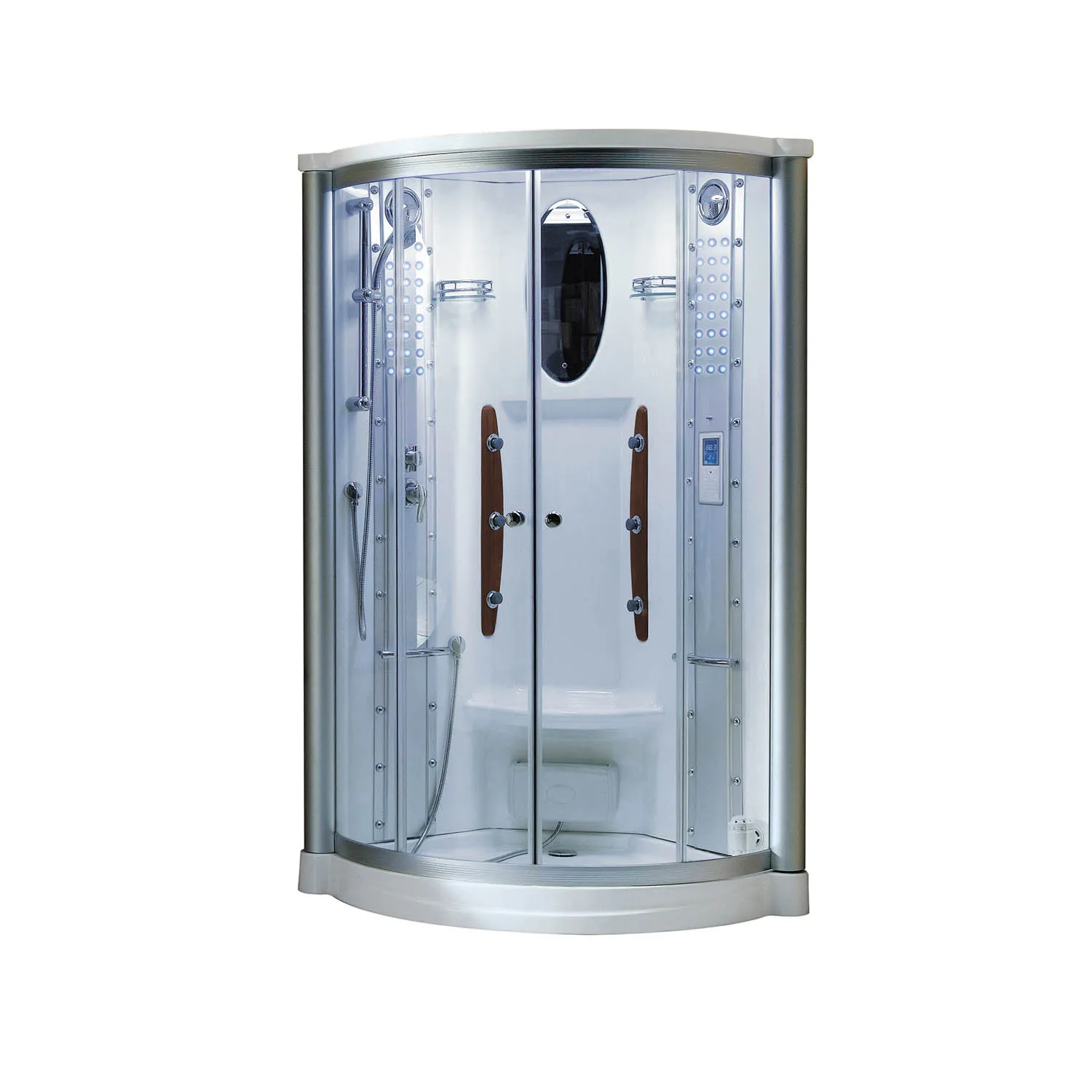
Steam Shower Bathroom: Do You Know It?
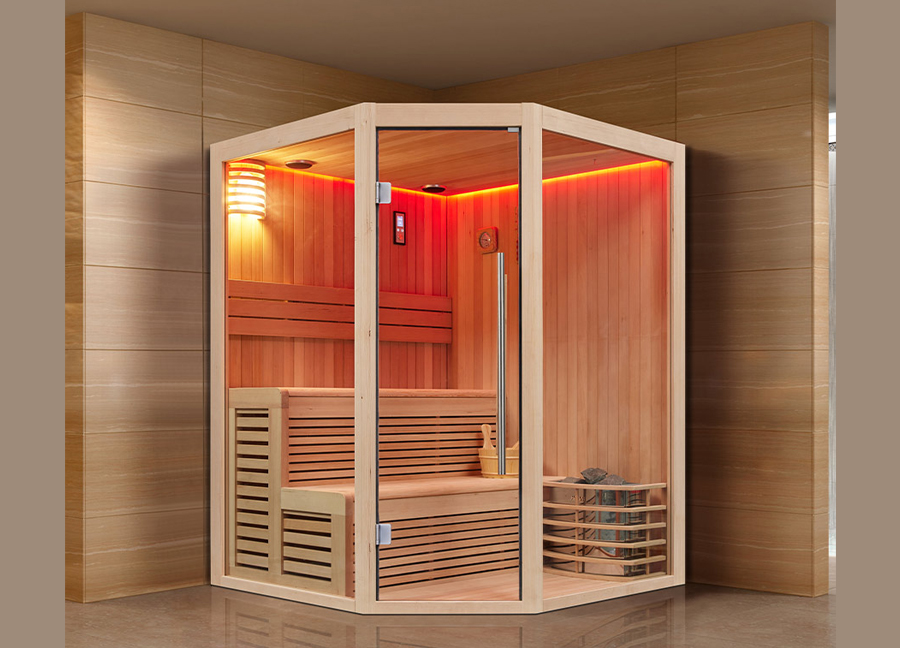
A steam shower bathroom is a modern bathroom device that integrates steam sauna, shower, massage, and aromatherapy. Its core is a steam generator, which heats water to produce high-temperature steam and releases it through a sealed bathroom space, filling the entire bathroom with steam and creating a high-humidity, high-temperature environment.
1. Components of a Steam Shower Bathroom
• Steam Generator: Responsible for heating water into steam and outputting it into the bathroom.
• Sealed Bathroom Space: Usually constructed of waterproof and moisture-proof materials to ensure that steam does not leak out.
• Control System: Used to regulate temperature, humidity, and steam duration; some also feature music, lighting, and aromatherapy functions.
• Drainage and Ventilation System: Ensures smooth drainage and suitable air humidity after use, preventing mold growth.
2. Functions of a Steam Shower Bathroom
• Muscle Relaxation and Relief: Steam baths accelerate blood circulation, relieving muscle tension and joint discomfort.
• Improved Skin Condition: The high humidity environment helps hydrate the stratum corneum, temporarily increasing skin firmness.
• Respiratory Health: Steam moisturizes the respiratory tract, helping to relieve dryness and mild respiratory discomfort.
• Psychological Comfort: The warm steam environment has a stress-relieving effect, improving quality of life.
Can I Install a Steam Shower Bathroom at Home?
Many people believe that steam shower bathrooms are only suitable for hotels, gyms, or luxury homes. However, with the miniaturization of equipment and improvements in installation technology, ordinary households can absolutely install them. Installation feasibility mainly depends on space, plumbing and electrical conditions, and waterproofing.
1. Space Requirements
• Minimum Space: A minimum of 1.2 square meters x 1.2 square meters with a height of approximately 2.1 meters is generally recommended for a family steam shower bathroom, ensuring comfortable standing for the user.
• Ideal Space: A space of 1.5 meters x 1.5 meters or larger provides a more comfortable steam experience and facilitates the addition of seats or massage jets.
• Sealing: Walls, doors, and windows must be well-sealed to prevent steam leakage from affecting other rooms.
2. Water Supply Requirements
A steam shower bathroom requires a stable supply of hot and cold water:
• Steam Generator Inlet: A connection to tap water is required. Softened water is preferable to reduce limescale buildup.
• Shower Water: Existing hot and cold water pipes can be used directly, but a separate water line is recommended to ensure independence between the steam bath and shower functions.
• Drainage Design: The steam bath drain should be below ground level to ensure smooth drainage and prevent water accumulation that could damage the walls.
3. Power Requirements
• Steam Generator Power: The power of a residential steam shower bathroom typically ranges from 2kW to 6kW, depending on the size of the space.
• Power Supply Configuration: A separate power circuit is required, with a residual current circuit breaker (RCCB) to ensure safe operation.
• Control System Power Supply: Some high-end devices have intelligent control systems and require additional power support.
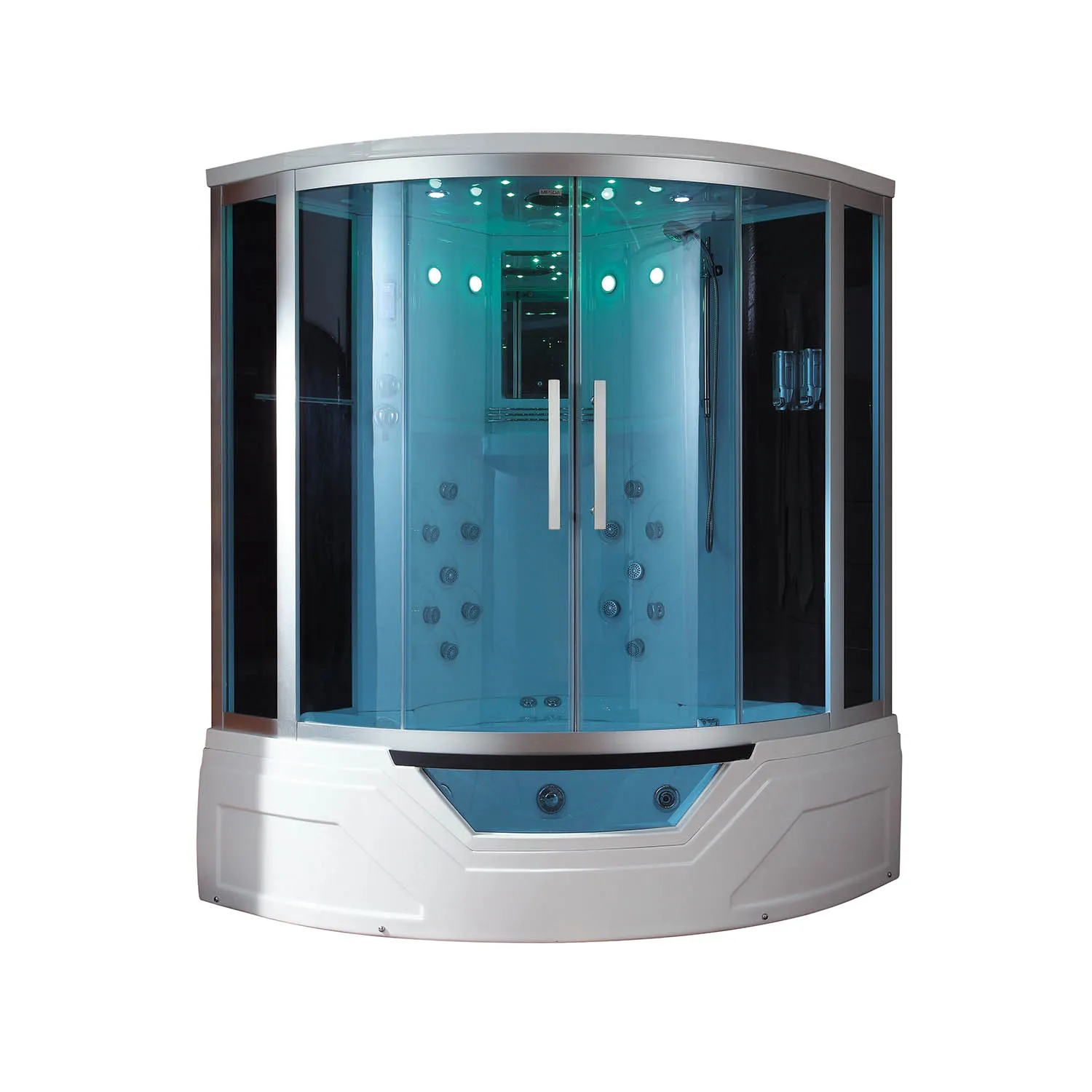
What is the installation process for a steam shower bathroom?
Installing a residential steam shower bathroom involves several professional steps, which are explained below:
1. Site Selection and Space Preparation
• Choosing a Bathroom Location: Choose a location as close as possible to existing water and power supplies to avoid long-distance piping and increased costs.
• Checking Wall and Floor Load-Bearing Capacity and Waterproofing: Ensure the floor has a waterproof layer and the walls can withstand humidity pressure.
• Reserving Space: Dedicated installation locations are needed for the control panel, steam generator, and exhaust vents.
2. Waterproofing and Sealing
• Wall and Floor Waterproofing Layer: Use a 2-3mm thick waterproof coating or waterproof membrane to fully cover the walls and floor.
• Door and Window Sealing Strips: Use high-temperature resistant silicone strips to ensure no steam leakage.
• Drainage Slope Design: The floor slopes slightly towards the drain outlet to ensure smooth water flow.
3. Steam Generator Installation
• Location Selection: Typically installed outside the bathroom or inside a cabinet below, ensuring good heat dissipation and ventilation.
• Piping Connection: Steam pipes should be made of high-temperature resistant and corrosion-resistant materials, leading directly to the steam outlet.
• Electrical Connection: Completed by a professional electrician, ensuring leakage protection and grounding safety.
4. Bathroom Interior Configuration
• Seats or Recliners: Can be made of high-temperature resistant and moisture-resistant materials.
• Shower Heads and Control System: Install multi-functional shower heads and a temperature control panel for easy adjustment of temperature and steam volume.
• Ventilation and Exhaust: Maintain air circulation after steam bath use to prevent excessive humidity from causing mold growth on the walls.
5. Pre-Use Inspection
• Check that the water and electrical pipe connections are secure.
• Confirm that the waterproof layer and sealing strips are intact.
• Test the steam generator to ensure temperature and steam output meet design specifications.
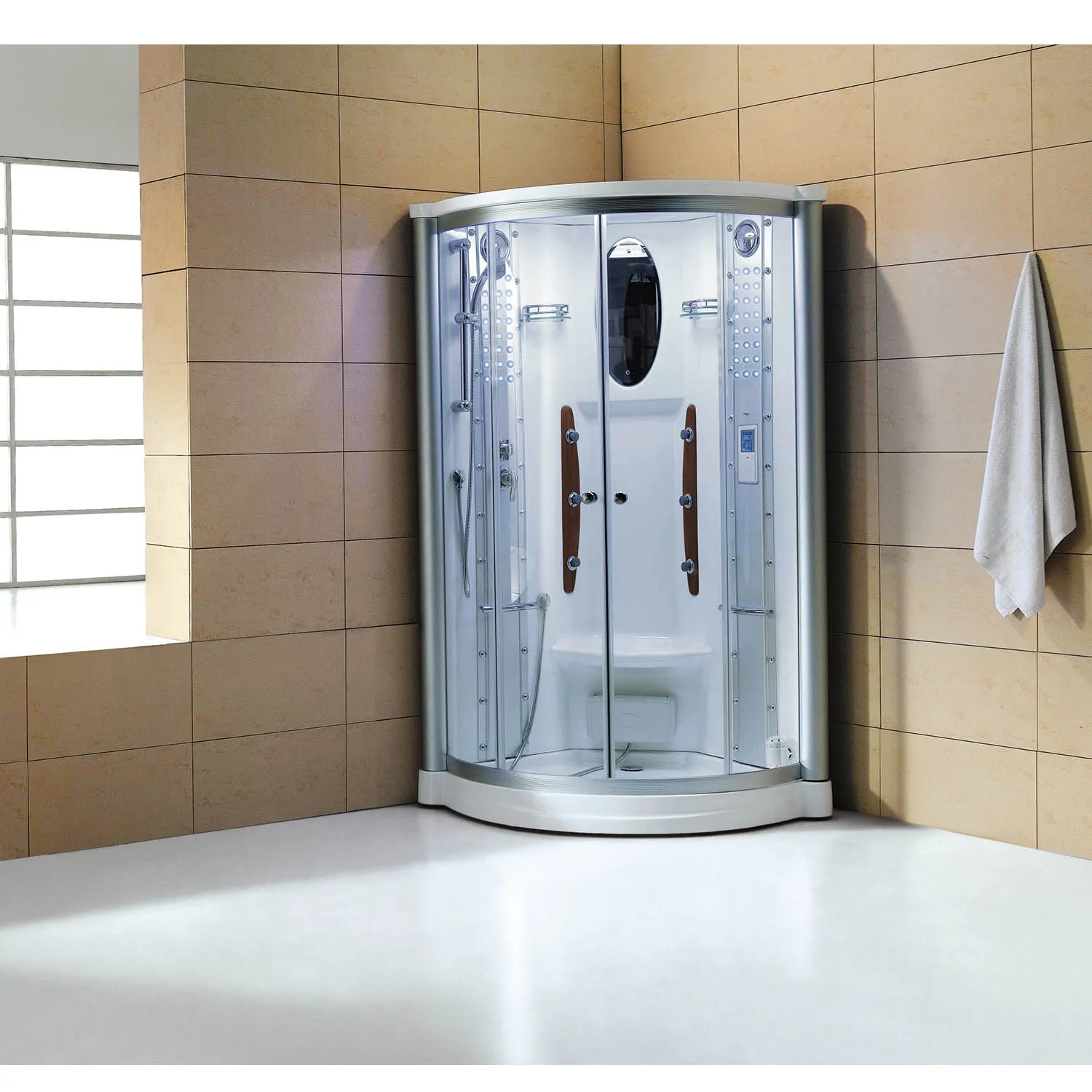
Home Steam Shower Bathroom: Safety and Usage Precautions
1. Temperature and Time Control
• Temperature: A steam bath of 40-50℃ is recommended for home use. Excessive temperature can cause dehydration or dizziness.
• Duration: Each steam bath should last 15-20 minutes to avoid prolonged exposure and increased cardiovascular burden.
2. Hydration Management
• Drink adequate water before, during, and after the steam bath to maintain fluid balance.
• In hot and humid environments, significant water loss occurs; drinking water helps prevent dehydration.
3. Maintenance and Cleaning
• Regularly drain and descale the steam generator: This extends equipment life and maintains stable steam output.
• Clean bathroom surfaces: This prevents long-term moisture buildup that can lead to mold or bacterial growth.
• Check door and window seals: Check the seals of doors and windows every six months to ensure no steam leaks out.
4. Precautions for Children and Special Populations
• Children, the elderly, or patients with cardiovascular diseases should shorten the usage time, maintain a low temperature and low humidity, and be accompanied if necessary.
• Pregnant women should consult a doctor before use.
What are the advantages of a home steam shower bathroom?
Installing a steam shower bathroom at home not only provides a sauna experience but also brings multiple health and convenience benefits:
• Anytime Use: Enjoy a steam bath anytime, anywhere, without having to go to a gym or hotel.
• Comfort and Relaxation: Relieves work stress, muscle tension, and joint discomfort.
• Improved Skin Condition: The high humidity environment promotes keratin hydration, cleanses pores, and leaves skin feeling soft.
• Comprehensive Functions: Can be combined with aromatherapy, music, and massage jets to enhance quality of life.
These advantages make steam shower bathrooms suitable not only for luxury homes but also for ordinary families. As long as there is basic space, plumbing, and waterproofing, it can be safely installed.
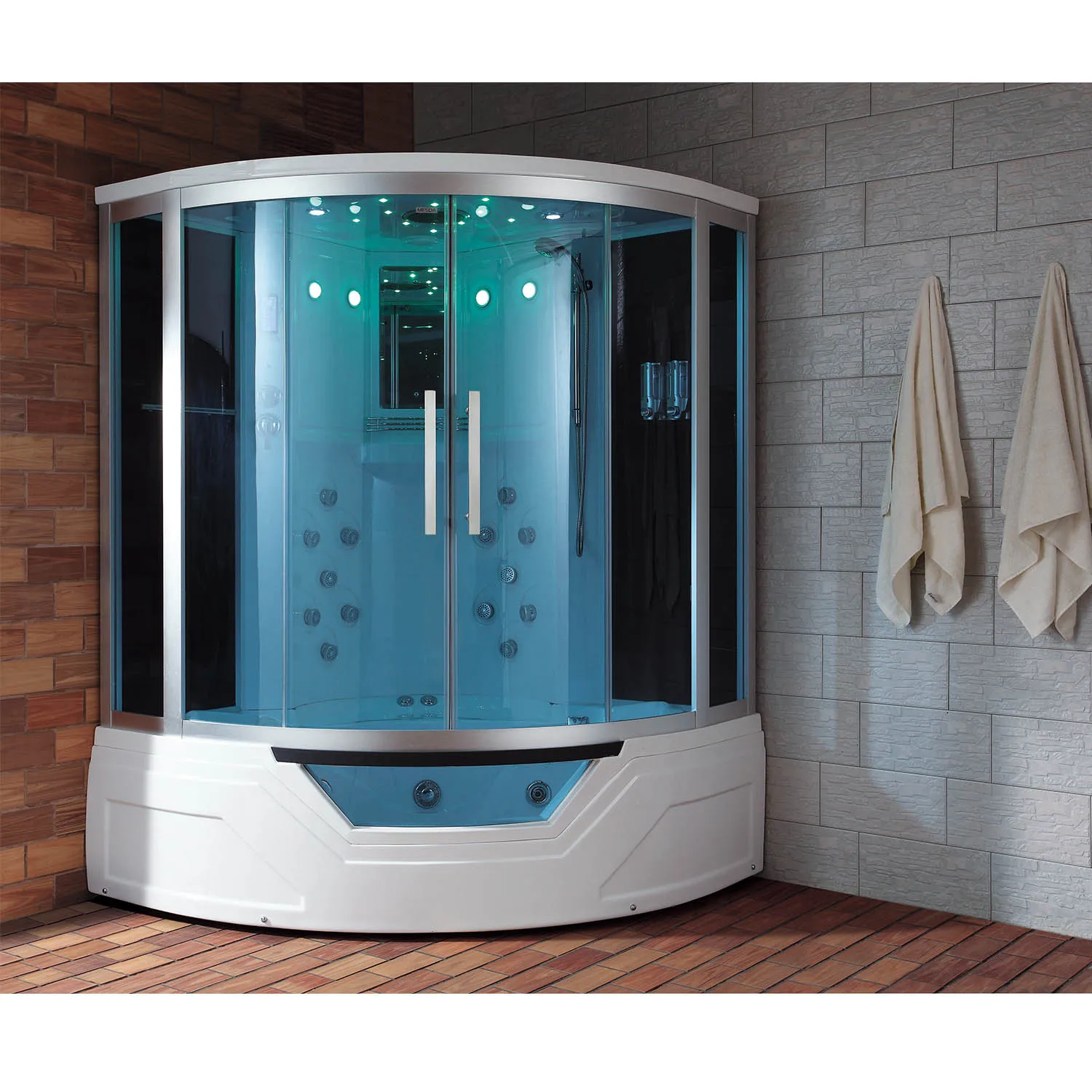
Can I install a steam shower bathroom in my home?
Of course, installing a steam shower bathroom in your home is entirely feasible, provided the following conditions are met:
1. Space: At least 1.2 x 1.2 square meters, with well-sealed walls and doors/windows.
2. Water Supply: Stable hot and cold water supply, and smooth drainage.
3. Electricity: Independent circuit with leakage protection.
4. Waterproofing: Waterproof walls and floors, sealed doors and windows, and adequate mold prevention measures.
5. Professional Installation: Steam generator, piping, and electrical wiring are installed by professionals to ensure safety and reliability.
Once these conditions are met, a home steam shower bathroom can not only provide a high-quality steam sauna experience but also improve skin condition, relieve muscle fatigue, and add comfort to your home life. With proper use and regular maintenance, you can definitely have your own steam shower bathroom in your home.
How does Yuehua assist customers in evaluating total cost of ownership?
We help buyers calculate not only the purchase price but also long-term operating costs, including energy consumption, filter replacement, structural durability, and maintenance. Our spas and saunas are engineered to reduce electricity usage and minimize service needs. When distributors consider lifetime value, Yuehua’s high quality yet low price advantage becomes clear.