


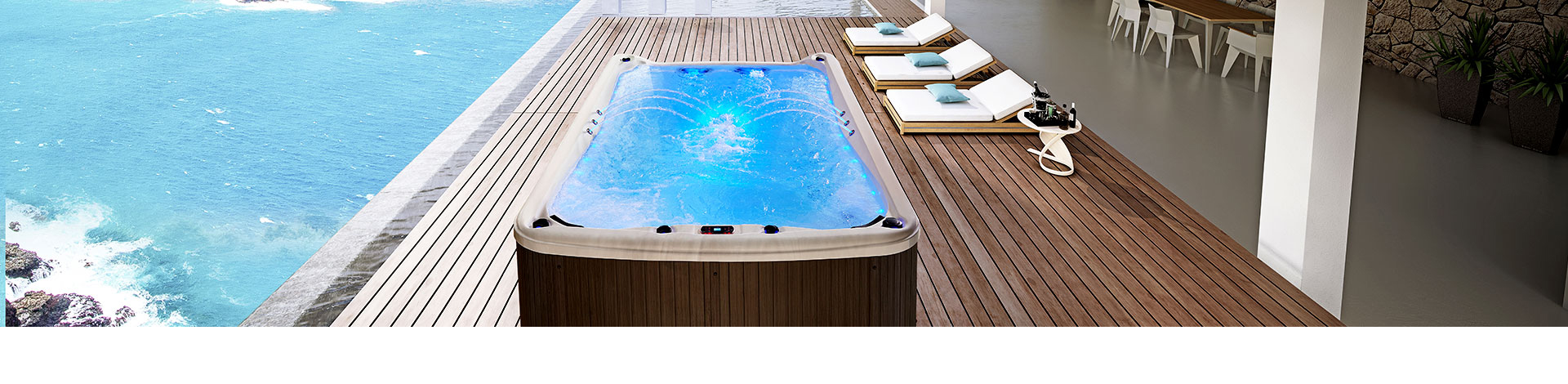
As winter approaches, many families face a common question: Can I leave the water in my whirlpool spa hot tub if I'm not using the appliance temporarily during the cold season?
This question seems simple, but it involves several aspects, including the expansion force caused by freezing water, the pressure resistance of the piping system, the protection of the heating equipment, the performance of the insulation structure, and maintenance costs.
In fact, it's generally not recommended to leave the water in the whirlpool spa hot tub if it won't be used for an extended period in winter.
The reason is clear: when the temperature drops below freezing, water remaining in the pipes, pump, heater, and internal chambers will freeze. The expansion of ice can cause serious damage to the system, including pipe bursts, broken joints, broken filters, and even cracks in the hot tub's outer shell.
On the other hand, continuously heating the spa hot tub throughout the winter to prevent freezing will lead to high energy consumption and may shorten the appliance's lifespan.
To help you make the right maintenance choices in winter, this article will provide a detailed professional analysis—whether you can leave the water in your spa hot tub in winter and how to maintain it scientifically.
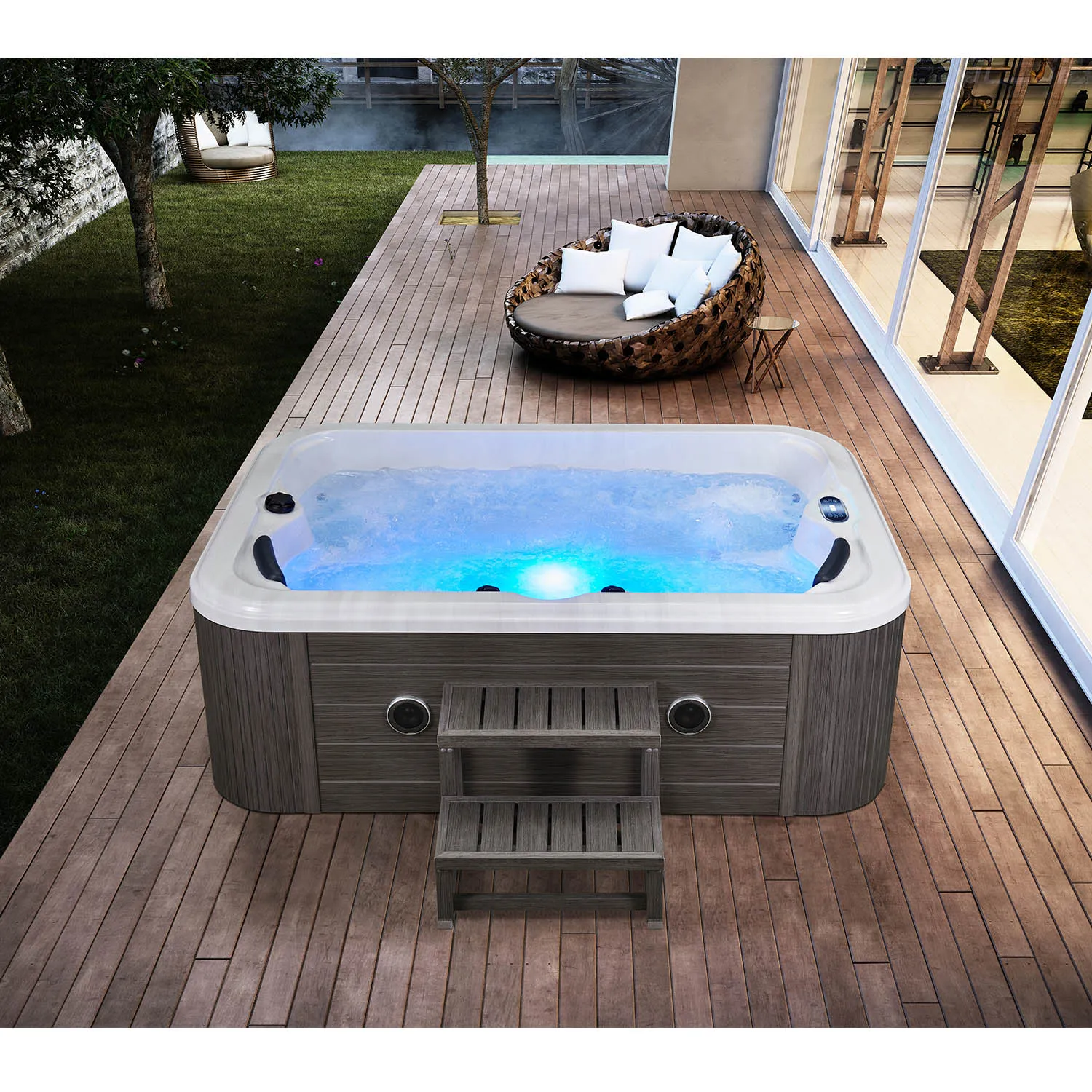
Why shouldn't you leave water in your spa hot tub in winter?
Water expands by about 9% when it freezes.
This natural phenomenon usually doesn't cause problems, but when water is trapped inside pipes, valves, pumps, or heater chambers, this expansion force can be destructive to hard materials.
1. Frozen water can cause pipes to burst
The inside of a whirlpool spa hot tub is filled with tiny pipes, including:
• Nozzle connection pipes
• Water circulation pipes
• Return pipes
• Heater inlet and outlet pipes
These pipes are usually made of PVC or flexible plastic, which, while resistant to high temperatures and water pressure, are not suitable for withstanding the expansion force of freezing.
Once water freezes inside the pipes, the ice will push outwards along the pipe walls, causing:
• Pipe cracks
• Loose joints
• Damaged connections
These damages often only become apparent after the ice melts in the spring, making the risk more insidious.
2. Freezing can damage the heater and pump
The heater in a spa hot tub also has a water storage space. Even if you drain most of the water, some may still remain:
• Heating chamber
• Around the heating element
• Pump impeller passage
• Pump casing cavity
If these areas freeze:
• The heater casing may expand and deform
• The pump body may crack
• The impeller may seize, rendering the motor unusable
These damages are usually costly and irreparable, sometimes requiring complete replacement.
3. Freezing can cause the hot tub casing to crack
Even if the main tub is drained, if a small amount of water remains in the internal foam layer or structural gaps, it can freeze solid in winter, eventually compressing the outer casing.
This can cause:
• Cracks in the casing
• Foam layer shedding
• Increased heat loss
• Permanent cosmetic damage
Therefore, the risk of damage from "leaving water for winter" is extremely high.
If continuous heating prevents freezing, why not keep the spa hot tub constantly heated?
Theoretically, you could keep the heating system running continuously in winter, maintaining the whirlpool spa hot tub at 38–40°C, thus preventing the water from freezing. However, in practice, this has several significant drawbacks.
1. Continuous heating in winter consumes a lot of electricity
The lower the outdoor temperature, the greater the heat loss and the worse the insulation.
Therefore, maintaining a constant temperature in the hot tub during winter leads to:
• Continuous daily energy consumption
• Significantly increased electricity bills
• Low energy efficiency
In cold regions, the total electricity bill for the entire season may even exceed the price of the bathtub.
2. Shortened equipment lifespan
Continuous heating means:
• The heater operates almost non-stop throughout the year
• The circulation pump operates under high load
• Accelerated wear and tear on components
• Frequent start-up and shutdown of the controller
This shortens the overall lifespan of the whirlpool spa hot tub.
3. Risk of freezing during power outages
The biggest uncertainty in winter is power outages.
If you choose to keep the heating running, but a sudden power outage occurs, even for only a few hours, it's enough for the water temperature to drop rapidly to near freezing, causing frost damage.
Therefore, unless the temperature in your area does not drop below 0°C, or you have a reliable backup power system, it is not recommended to keep the spa hot tub running for extended periods during winter.
What should you do when not using the spa hot tub in winter?
The correct way is to completely drain and clean the whirlpool spa hot tub.
This effectively prevents damage from freezing and extends the life of the equipment.
Recommended winter shutdown procedures include:
1. Completely drain the main tank
Drain quickly through the drain or using a water pump.
2. Drain any remaining water from the pipes
This can be done by:
• Using an air blower
• Reverse drainage
• Opening the nozzles to allow airflow
Ensure no water remains in the pipes.
3. Clean and remove the filter
Water inside the filter may freeze, so it is recommended to remove it and store it in a dry, warm place.
4. Clean the inside of the hot tub
Remove limescale, residue, and bacteria to prevent odors or material aging caused by prolonged disuse.
5. Turn off the power and cover with the protective cover
This prevents winter leaves, snow, dust, and rainwater from entering.
This procedure will maximize the protection of the spa hot tub, allowing it to survive the winter smoothly.
Do I need to drain the spa hot tub if I won't be using it for a short period in winter?
If you're only not using it for a week or two, and your area isn't extremely cold, you can:
• Lower the water temperature
• Maintain a low circulation speed
• Cover with the insulated cover
You don't necessarily need to drain it in the short term.
However, you must drain it if:
• You're going on a long trip
• The temperature remains below freezing for an extended period
• You cannot guarantee a continuous power supply to the device
• The whirlpool spa hot tub has poor insulation
Remember: Never leave water in the tub for winter unless you can guarantee the water won't freeze.
What specific damage does freezing in a spa hot tub cause?
To help you better understand the seriousness of "keeping water running through winter," the following are potential damage types:
• Pipe bursts, irreparable and requiring complete replacement
• Pump casing cracks, causing motor failure
• Heater chamber ruptures, rendering the entire system unusable
• Filter damage paralyzes the entire filtration system
• Housing is compressed, causing permanent deformation or cracking
• Crystal nozzles freeze and crack, causing leaks
• Jet pipe connections break, requiring complete resealing
These repairs are expensive and require professional handling, making it far simpler and safer to drain the water beforehand.
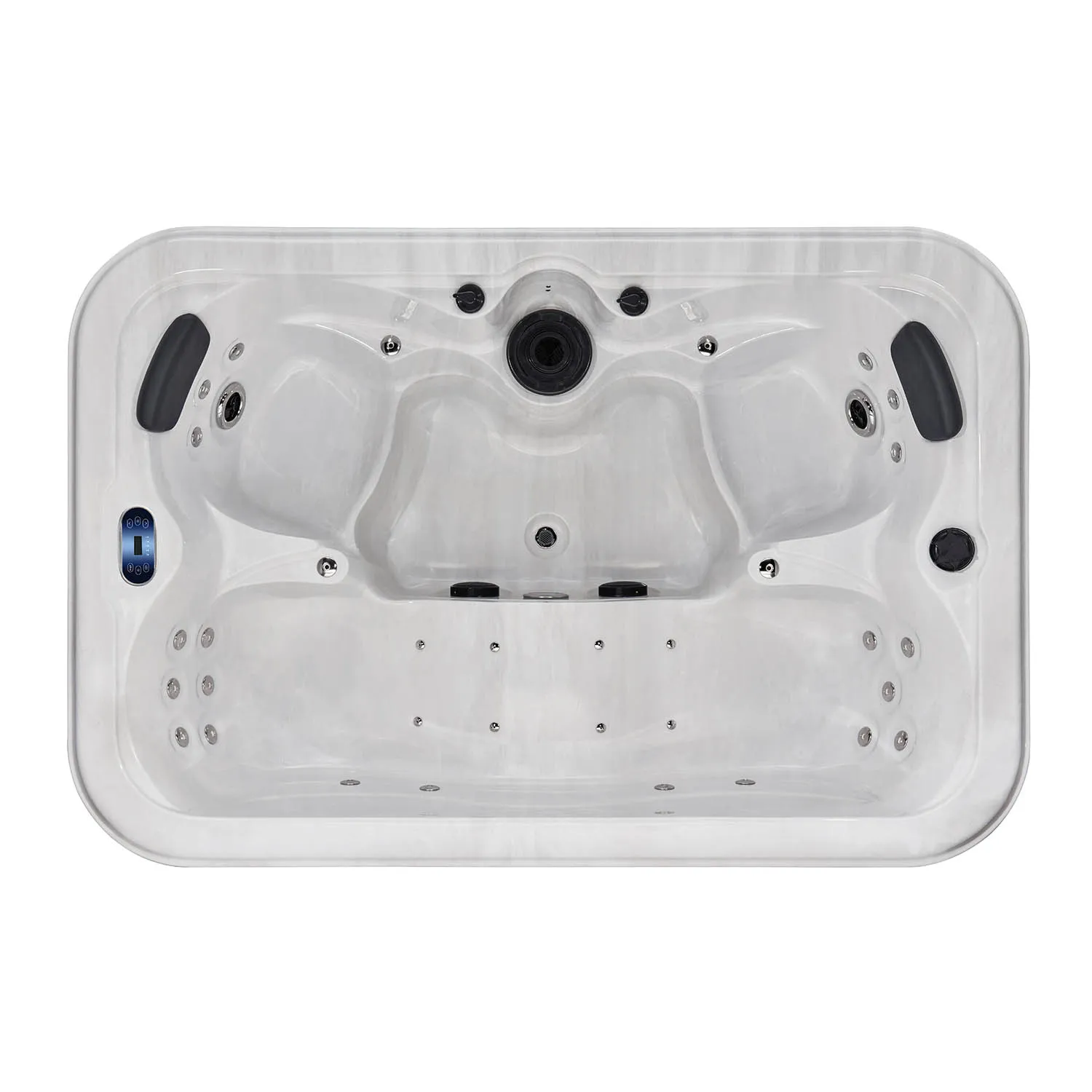
What precautions should I take if I decide to continue using the spa hot tub in winter?
If you choose to continue using the spa hot tub in winter, please ensure:
1. Maintain the water temperature between 37–40°C
This prevents the water temperature from dropping to a dangerous level.
2. Keep the circulation system running at all times
Especially during winter nights, keeping the water flowing reduces the risk of freezing.
3. Use a thick, insulated cover
This prevents heat loss and improves energy efficiency.
4. Avoid low water levels
A low water level can cause the heater to burn dry, posing a risk of damage.
5. Check for snow and ice accumulation in the surrounding environment
Avoid pressure on external structures or obstruction of equipment ventilation.
It Is Not Recommended to Leave Water in the Spa Hot Tub During Winter
Based on material properties and pipe structure, the following can be confirmed:
• Water expands when it freezes.
• Freezing can cause serious damage.
• The risks of keeping water far outweigh those of draining it.
• The cost of year-round use and continuous heating is too high.
• The safest method is to drain and clean the tub when it is not in use during winter.
Therefore, when you ask:
“Can I leave water in the whirlpool spa hot tub during winter?”
The answer is clear:
❌ If not used for a long time – do not leave water!
❌ If a constant temperature is not maintained – do not leave water!
❌ If concerned about power outages or cold waves – do not leave water!
▶ The most recommended approach is: Complete draining + cleaning + shutting down the system + covering for protection.
This ensures the whirlpool spa hot tub stays warm during winter, reduces unnecessary maintenance costs, and significantly extends its lifespan.
Are Yuehua’s products compatible with global electrical standards?
Yes. We can produce spas and saunas that meet different voltage and frequency requirements, including 220V/50Hz, 230V/60Hz, and 110V/60Hz. Our electrical systems comply with EU, US, and Australian safety standards and are CE, ETL, and SAA certified. Distributors prefer Yuehua because our compliance with international standards simplifies local sales and boosts consumer trust.