



During the process of maintaining water quality, many swim spa tub owners encounter a common water treatment step known as "shocking." This procedure is typically performed to rapidly improve water quality, boost sanitizing power, or break down organic matter present in the water.
However, after performing a shock treatment, some users notice a change when testing their water: the pH level appears to have risen. This gives rise to a common question: Does shocking a swim spa tub actually raise the pH level?
In reality, whether or not a shock treatment affects the pH level depends on the specific chemicals used as well as the existing chemical state of the water itself. In the context of swim spa tubs—due to their smaller water volume, higher operating temperatures, and frequent water circulation—changes in pH levels tend to be more pronounced than those observed in larger swimming pools.
This article will delve deeply into this core question, helping you understand the mechanisms by which shock treatments influence the pH levels in swim spa tubs, and explaining why this fluctuation is a perfectly understandable phenomenon within the context of practical water quality management.
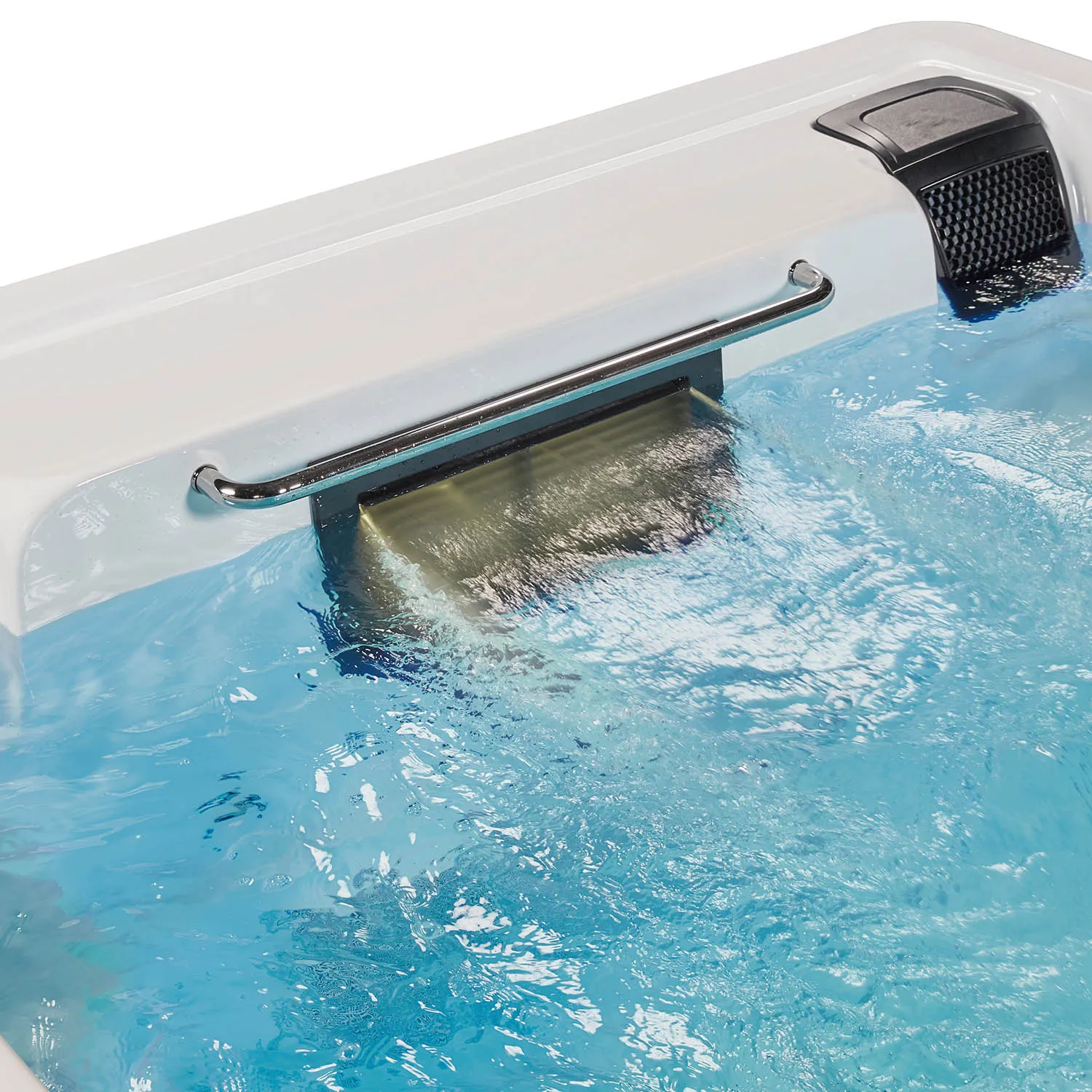
What Is "Shocking" a Swim Spa Tub?
In the field of water treatment, "shocking" refers to the one-time addition of a high dose of an oxidizing sanitizer to the water, with the aim of rapidly breaking down contaminants present in the water.
In a swim spa tub, shocking is typically performed for the following purposes:
•To break down organic matter in the water
•To eliminate disinfection byproducts
•To restore water clarity
•To enhance overall water quality stability
Since swim spa tubs typically hold a relatively small volume of water and are subject to active usage environments, performing regular shock treatments is an integral part of many water maintenance regimens.
Why Do Swim Spa Tubs Require Shock Treatments?
Over time, the water in a swim spa tub gradually accumulates various substances—such as airborne particles, environmental impurities, and other trace contaminants. These substances can react with sanitizers to form new chemical compounds, thereby compromising water quality.
The function of a shock treatment is to utilize powerful oxidation reactions to break these substances down into simpler chemical structures, thereby helping the water body restore its chemical balance.
Consequently, as part of a standard maintenance routine, shocking serves as a procedure designed to bolster the water's purification capabilities.
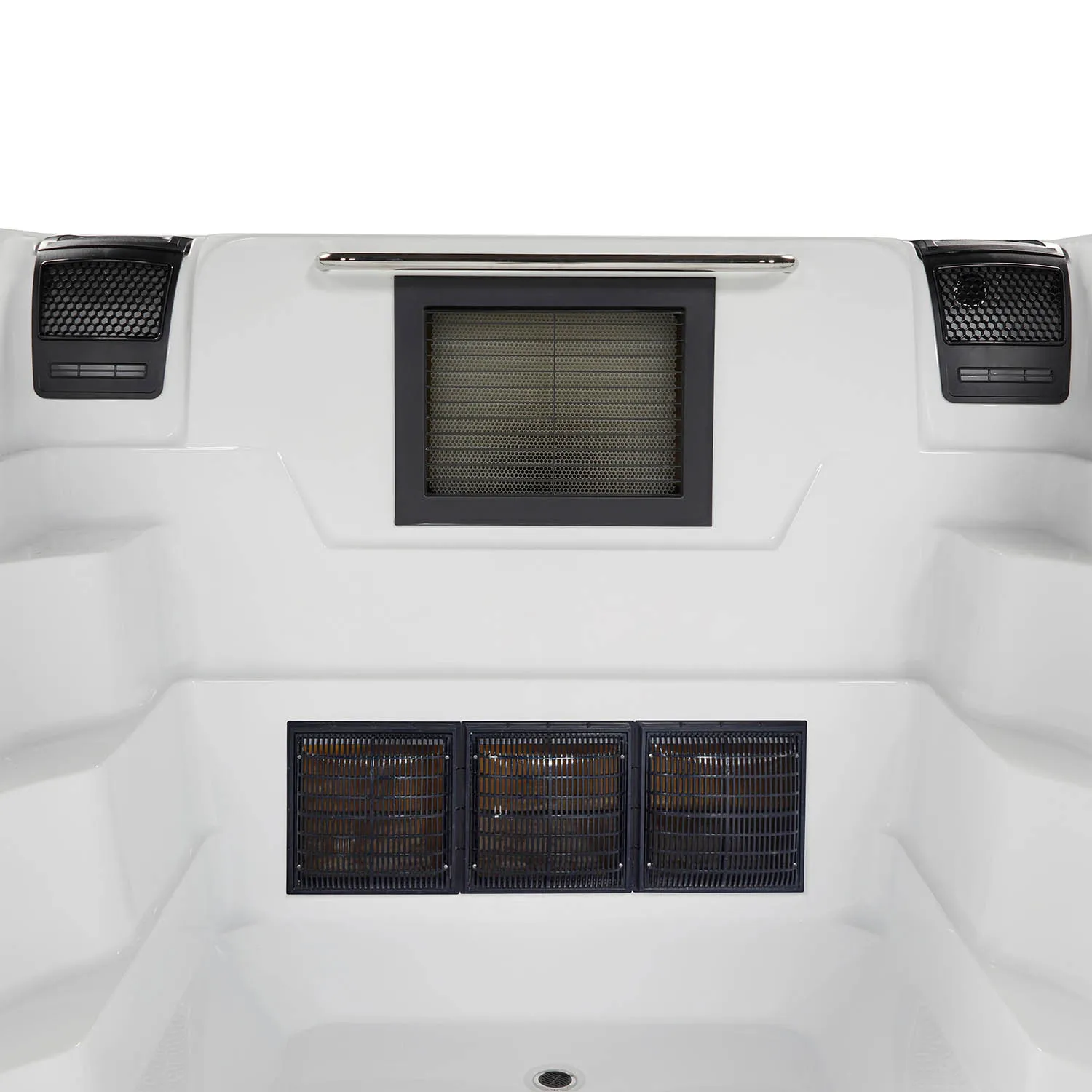
Why Might Shocking Affect a Swim Spa Tub's pH Level?
During a shock treatment, the added oxidizer undergoes a series of chemical reactions with substances present in the water. These reactions can alter the chemical environment of the water body, thereby influencing its pH level.
In the context of a swim spa tub, changes in pH levels may stem from several factors:
•The inherent chemical properties of the shock agent itself
•Byproducts released during oxidation reactions
•Changes within the water body's buffering system
Different types of shock agents do not exert the exact same influence on pH levels.
Does every shock treatment invariably raise the pH level of a swim spa tub?
The answer is: not necessarily.
During the water treatment process for a swim spa tub, different types of shock agents possess distinct chemical characteristics. For instance, some shock agents may have a negligible impact on pH, while others may cause a slight increase in pH levels.
Consequently, whether or not a shock treatment results in a rise in pH is not a predetermined outcome; rather, it depends on:
•The specific type of shock agent used
•The current chemical state of the water body
•The water body's buffering capacity
In certain instances, the change in pH may be extremely subtle—perhaps even virtually imperceptible.
Why are pH fluctuations often more pronounced in a swim spa tub?
Compared to large swimming pools, a swim spa tub typically holds a smaller volume of water. This structural characteristic implies that any chemical changes occurring within the water will be more readily apparent.
When a shock treatment is administered, the oxidizer reacts with substances in the water; the resulting chemical shifts manifest more distinctly within a smaller volume of water. Therefore, when monitoring pH levels in a swim spa tub, the observed fluctuations tend to be more significant.
Furthermore, swim spa tubs are typically maintained at higher water temperatures, which accelerates chemical reaction rates and, in turn, increases the likelihood of pH fluctuations.
Why is it recommended to test the pH level of a swim spa tub after a shock treatment?
Testing the pH level following a shock treatment is a critical step in effective water quality management. The rationale is that a shock treatment impacts not only contaminants but may also disrupt the overall chemical equilibrium of the water body.
For a swim spa tub, testing the pH level helps to verify:
•Whether the water body remains chemically stable
•Whether the water has shifted significantly toward an overly alkaline or overly acidic state
•Whether the water quality falls within the ideal operational range
Through such testing, one can gain a clearer understanding of the actual impact the shock treatment has had on the water body.
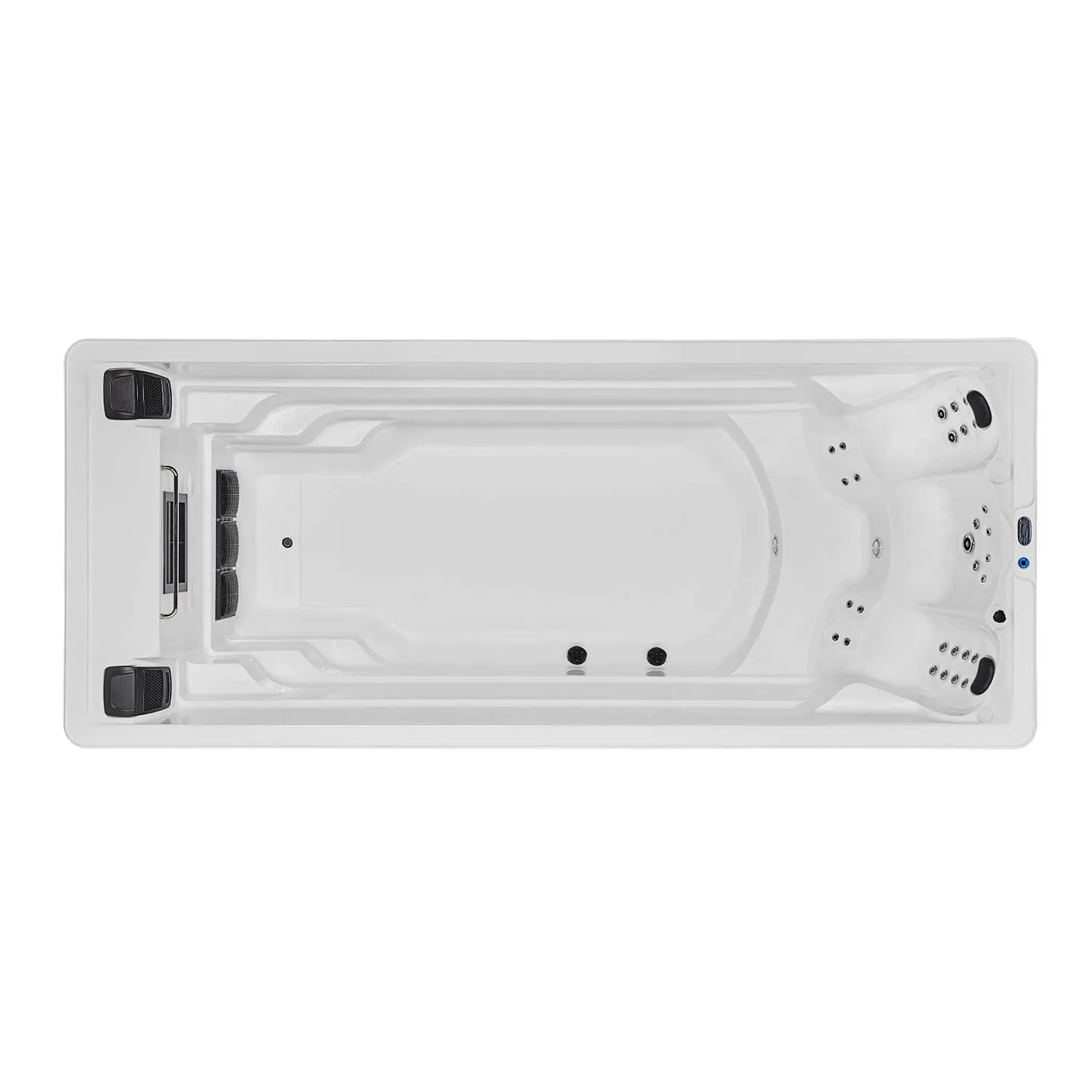
Does the buffering system of a swim spa tub's water affect pH fluctuations?
In the context of water chemistry, the buffering system is primarily constituted by the water's total alkalinity. Total alkalinity determines a body of water's capacity to resist changes in pH.
If a swim spa tub has high total alkalinity, its pH level will typically be more stable; even when shock treatment is applied, any resulting pH fluctuations are likely to be minimal. Conversely, if the buffering capacity is weak, the pH level may be more prone to fluctuation.
Therefore, when analyzing changes in pH, it is essential to consider not only the shock agent used but also the chemical composition of the water itself.
What other effects does shock treatment have on swim spa water quality?
In addition to potentially affecting pH levels, shock treatment can induce other changes in the water. For instance:
•It accelerates the decomposition of organic matter.
•It improves water clarity.
•It enhances the water's oxidative capacity.
These changes typically constitute the primary objectives of shock treatment. Consequently, during the maintenance of a swim spa tub, shock treatment is often regarded as a key method for restoring water quality.
Why does swim spa water quality management require continuous monitoring?
Water chemistry is a dynamic process. Even in the absence of any obvious external changes, various chemical reactions are constantly taking place within the water.
In the context of a swim spa, the following factors can all influence water quality:
•Temperature fluctuations
•Exposure to air
•Water circulation
•Environmental conditions
Therefore, regularly testing water quality parameters—including pH levels—helps provide a better understanding of the water's current state and assists in maintaining the overall chemical balance of the swim spa tub.
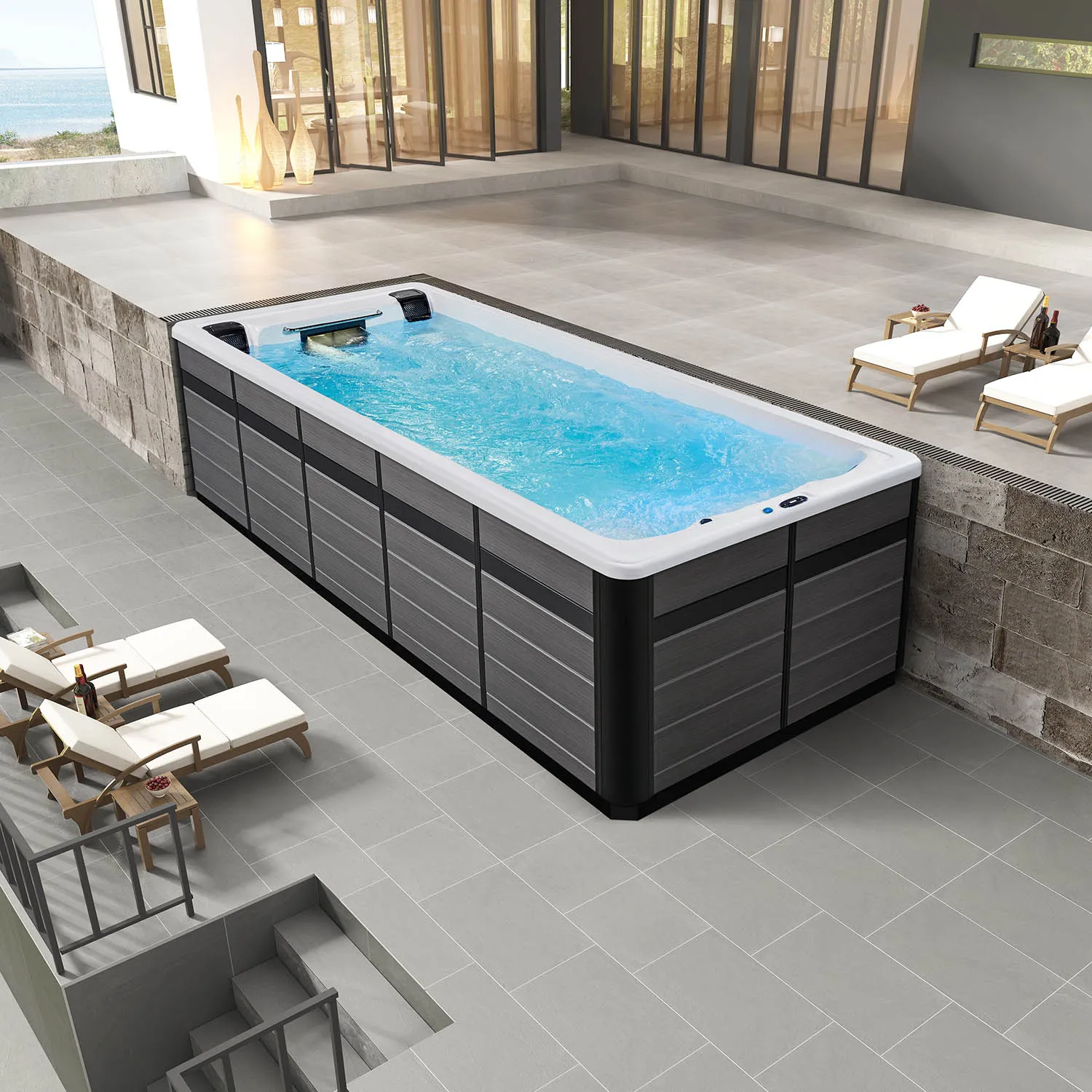
Does shock-treating a swim spa raise the pH level?
Shock-treating a swim spa tub can potentially affect the pH level, but it does not necessarily always result in an increase in pH.
Whether or not a rise in pH occurs typically depends on the following factors:
•The specific type of shock agent used
•The current chemical state of the water
•The water's buffering capacity
In the routine maintenance of a swim spa tub, shock treatment is a common procedure employed to enhance water quality management.
What materials are used in Yuehua outdoor spa products?
Yuehua selects high-quality materials for all its outdoor spa and swim spa products, including durable acrylic shells, reinforced fiberglass structures, and reliable insulation systems. Our sauna rooms and outdoor gazebos feature carefully selected wood materials, expertly processed by experienced craftsmen. As a professional manufacturer, we prioritize material stability to ensure our products meet the rigorous demands of long-term outdoor use.