


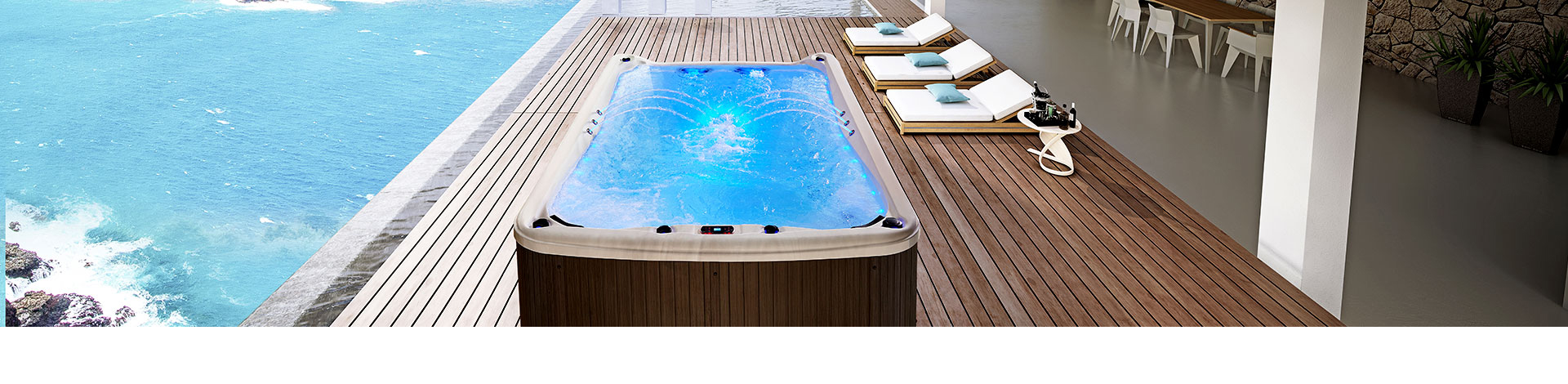
In the process of maintaining water quality, many swim spa owners notice a common phenomenon: when the unit is installed outdoors, the chemical state of the water appears to be more susceptible to change. Particularly in sunny environments, some users observe fluctuations in water quality test results—including changes in pH levels. Consequently, a common question arises: Does sunlight lower the pH level of swim spa water?
To answer this question, we must analyze the interplay between water chemistry, the effects of light exposure, and the surrounding aquatic environment. In reality, sunlight itself does not directly "lower" the pH of swim spa water; however, it can influence the water's chemical equilibrium through various indirect mechanisms, thereby leading to changes in pH levels under certain circumstances.
For outdoor-installed swim spa hot tubs, sunlight is an environmental factor that cannot be overlooked. Ultraviolet (UV) radiation, temperature fluctuations, and the impact of light on chemical reactions within the water can all alter the water's condition to varying degrees. Therefore, understanding the relationship between sunlight and water quality serves as a fundamental basis for effective, science-based water management.
This article will systematically analyze this core issue, explaining how sunlight affects the aquatic environment of a swim spa and the role it may play in fluctuations of pH levels.
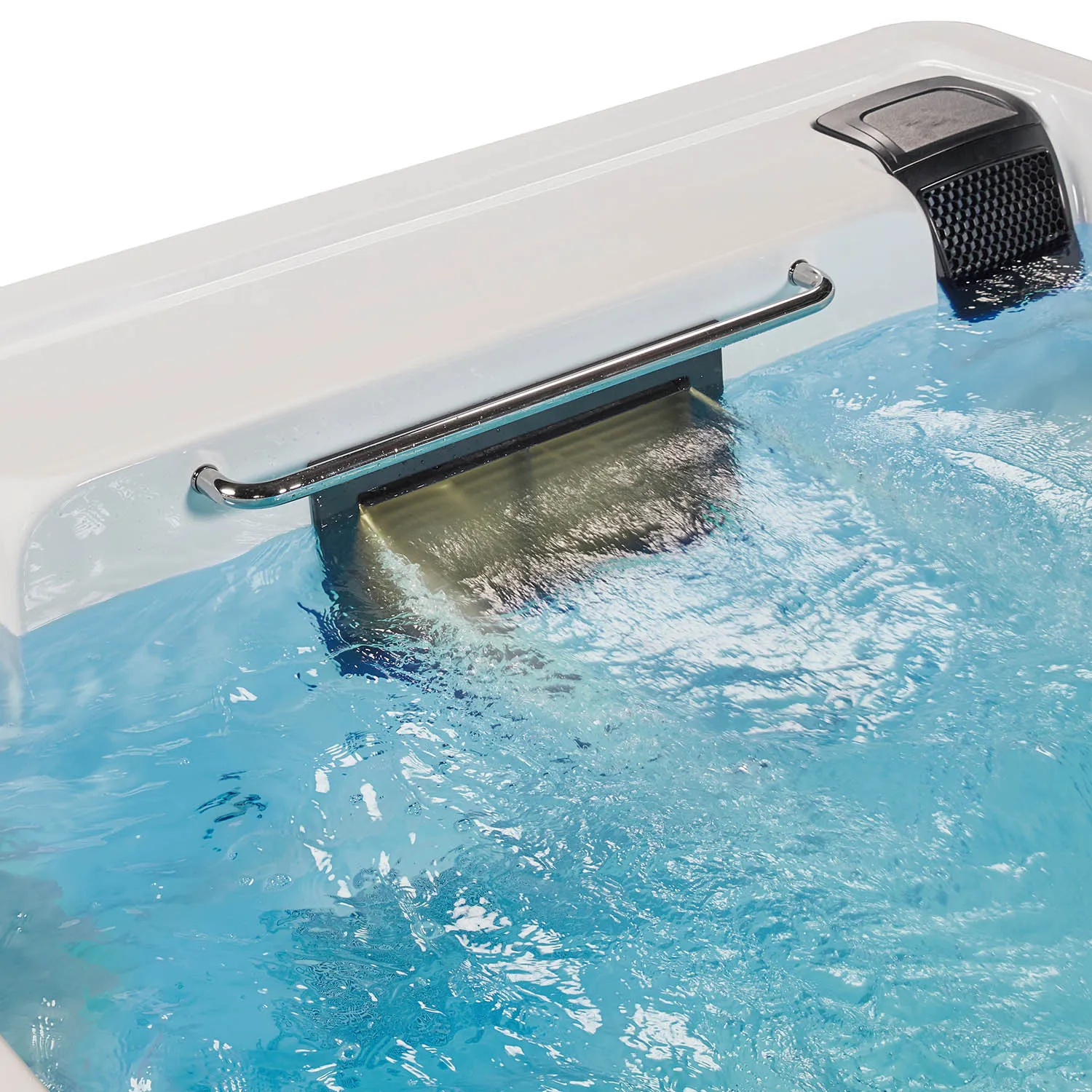
Why Is pH So Important in Swim Spas?
In any aquatic system, pH is one of the most fundamental indicators of water quality. For swim spa hot tubs, pH not only indicates the water's acidity or alkalinity but also influences various aspects of overall water quality performance.
Maintaining a stable pH level helps to:
•Preserve the chemical balance of the water
•Ensure the optimal efficiency of sanitizers
•Maintain water clarity
•Minimize the formation of mineral deposits
If the pH level in a swim spa hot tub undergoes significant fluctuation—whether rising or falling—it can compromise the stability of the water system. Therefore, when analyzing the impact of sunlight, it is essential to first understand the critical importance of pH within the aquatic environment.
Does Sunlight Directly Alter the pH of Swim Spa Water?
From a chemical perspective, sunlight itself does not directly lower the pH level of swim spa water. Sunlight consists primarily of visible light, infrared radiation, and ultraviolet (UV) radiation; however, this energy does not directly alter the acidic or alkaline properties of water molecules. Nevertheless, sunlight can influence other chemical substances present in the water, and these changes may indirectly affect the pH level. Consequently, while one may observe fluctuations in pH in certain situations, these changes are not a direct result of the sunlight itself.
In other words, sunlight influences the pH of a swim spa hot tub indirectly—primarily by affecting the chemical reactions occurring within the water.
How does UV radiation affect the water chemistry in a swim spa?
The UV radiation present in sunlight possesses significant energy, which can impact certain chemical substances within the water. For instance, in the context of swim spa water treatment, common disinfectants may undergo decomposition reactions when exposed to UV light.
As these chemical substances undergo transformation, the chemical equilibrium of the water may shift accordingly. Such changes can sometimes influence:
•Disinfectant concentrations
•The water's oxidative capacity
•The rates of chemical reactions
While these changes do not necessarily lead to a direct decrease in pH, they can alter the overall chemical environment of the water, thereby affecting its pH balance.
Why does sunlight accelerate chemical reactions in a swim spa?
Light exposure not only provides energy but also accelerates the rates of certain chemical reactions. In the context of a swim spa, when the water is exposed to sunlight, the chemical substances within it may become more prone to reacting.
For example:
•Certain chemical substances decompose more rapidly
•Oxidation reactions become more vigorous
•The overall chemical environment of the water undergoes changes
These reactions can indirectly influence the pH level, causing it to fluctuate slightly over time.
Does rising water temperature alter the pH of a swim spa?
Sunlight provides not only UV radiation but also thermal energy, thereby raising the water temperature. Temperature fluctuation is a critical factor influencing the chemical reactions that occur within a swim spa hot tub.
As the water temperature rises:
•The rates of chemical reactions increase
•Certain dissolved gases are more readily released from the water
•The chemical equilibrium of the water may shift
These changes can sometimes affect the water's acid-base balance, thereby indirectly influencing its pH level.
Why are pH fluctuations more pronounced in outdoor swim spas?
Compared to indoor units, outdoor swim spas are more susceptible to environmental influences. Factors such as sunlight, temperature fluctuations, and air circulation all exert an effect on the water within the spa. When these factors act in combination, the aquatic environment can become more dynamic. For example:
•Temperature fluctuations become more pronounced.
•Exposure to sunlight lasts for longer periods.
•Contact with the air occurs more frequently.
Consequently, pH fluctuations in outdoor swim spa hot tubs are often more readily observable than those in indoor environments.
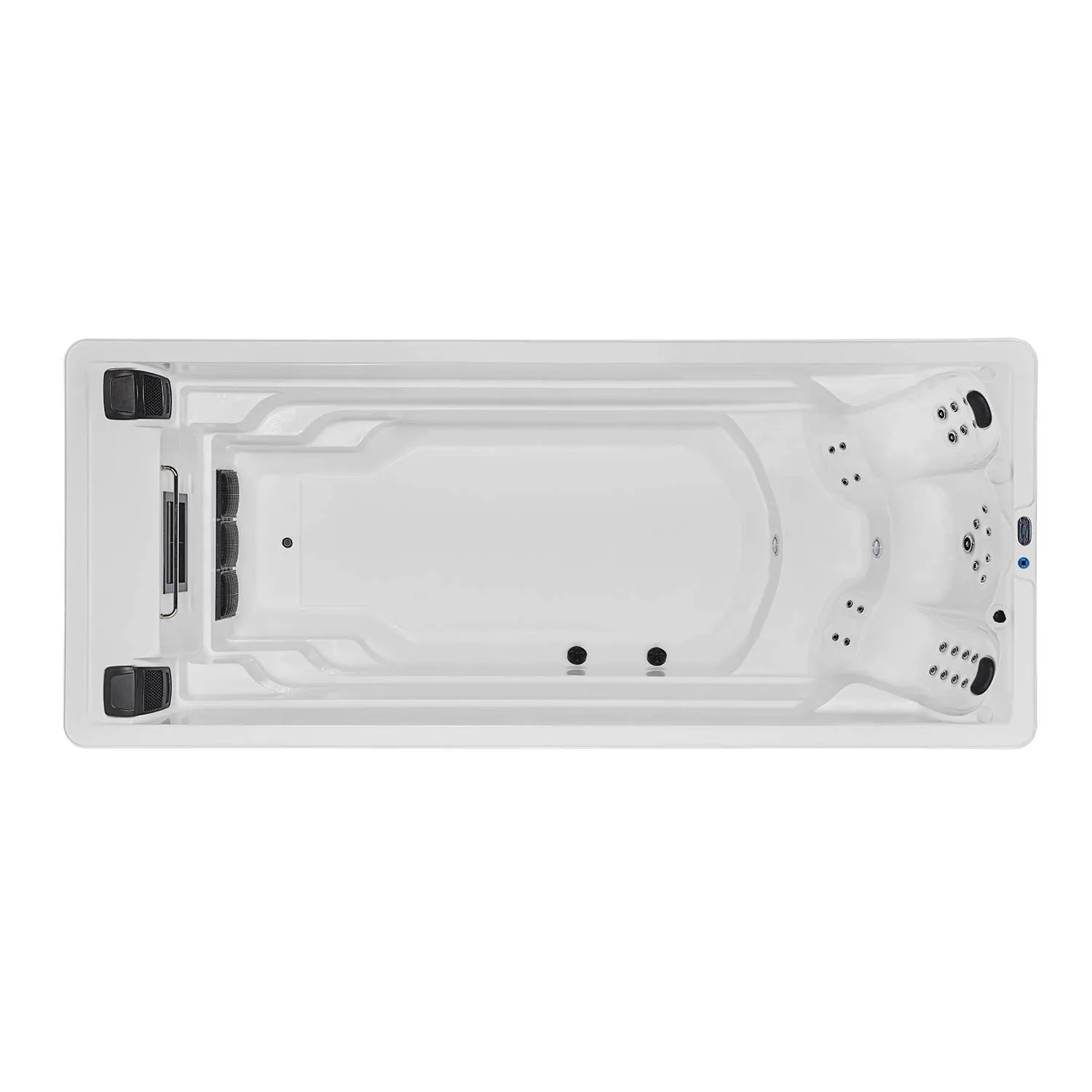
Does water evaporation affect the pH level of a swim spa?
Under direct sunlight, the rate of evaporation from the water surface of a swim spa hot tub may accelerate. Evaporation itself does not directly alter the pH value; however, it can change the concentration of certain substances within the water. As the water volume decreases, the concentration of minerals or other dissolved substances in the water may shift; this change can sometimes disrupt the water's chemical equilibrium, thereby indirectly influencing its pH level.
Why are pH fluctuations more common in swim spas, given their smaller water volume?
Compared to large swimming pools, swim spa hot tubs typically have a smaller water capacity. When the water volume is relatively small, external factors—of any kind—can more easily alter the state of the water.
For example:
•Temperature fluctuations
•The influence of sunlight
•Water evaporation
These changes tend to manifest more distinctly in smaller bodies of water; consequently, fluctuations in pH levels may also be more pronounced.
How can one determine if sunlight is affecting a swim spa's pH level?
To determine whether sunlight is influencing a swim spa's pH level, it is typically necessary to monitor trends by regularly testing the water quality. If the pH level exhibits significant changes during periods of intense sunlight exposure, environmental factors may well be playing a role. However, in most instances, changes in pH are the result of the interplay of multiple factors, rather than being caused solely by sunlight alone.
Why is regular water testing crucial for a swim spa?
Given that a swim spa's aquatic environment is subject to the influence of various factors, regular water testing is an essential measure for maintaining water stability. Through testing, one can stay informed—in real time—regarding the following conditions:
•Whether the pH level falls within the normal operating range.
•Whether the water's chemical environment remains stable.
•Whether any adjustments or corrective actions are required.
These test results serve as a valuable tool for effectively maintaining the overall water quality of the swim spa hot tub.
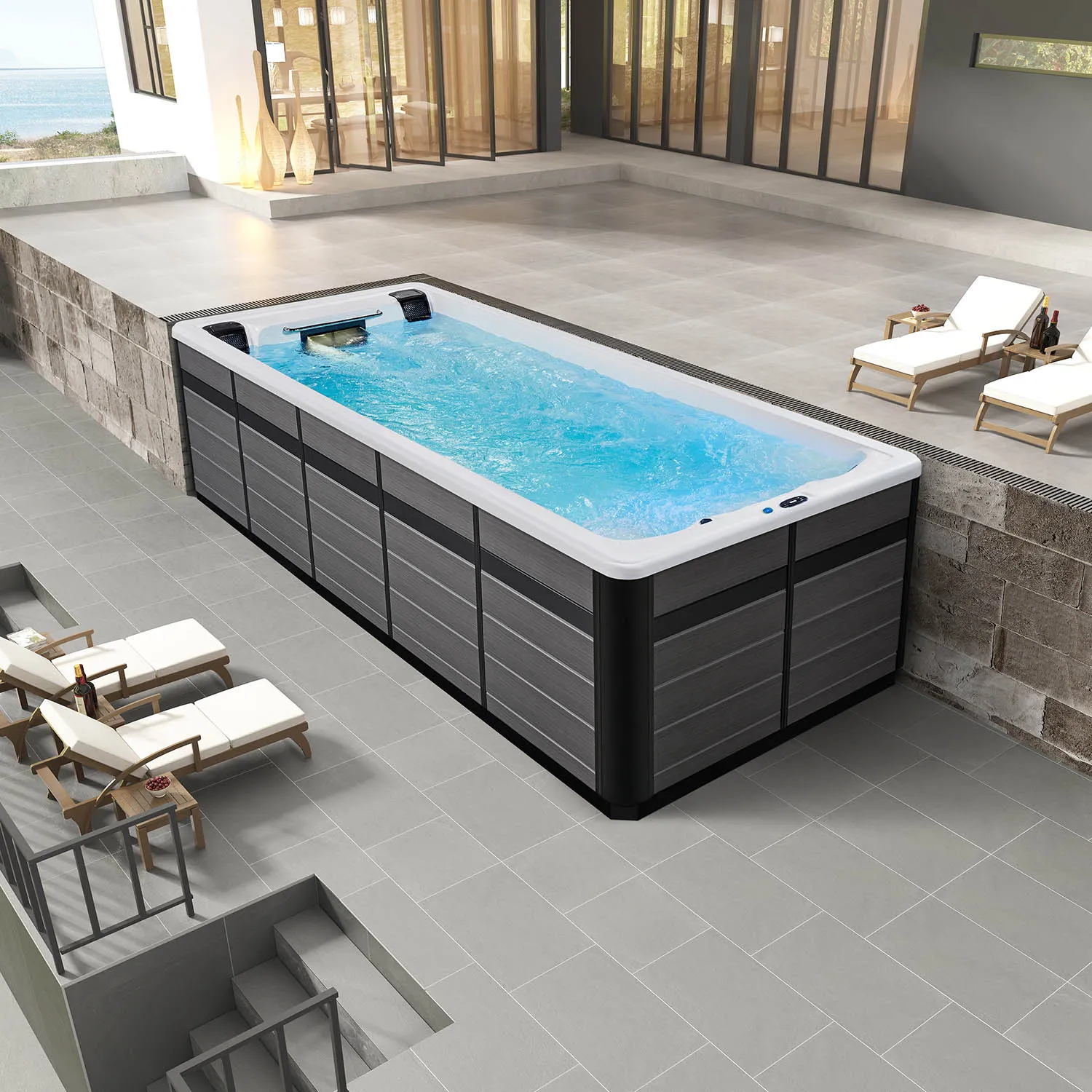
Does sunlight lower the pH level of swim spa water?
From the perspective of water chemistry, sunlight itself does not directly lower the pH level of the water in a swim spa hot tub. However, the ultraviolet radiation and heat present in sunlight can influence chemical reactions within the water, thereby—in certain instances—indirectly altering the water's acid-base balance.
For outdoor swim spas, sunlight may affect the water environment in the following ways:
•Accelerating chemical reactions
•Altering the state of disinfectants
•Increasing water temperature
•Promoting water evaporation
Each of these changes can have an indirect impact on pH levels. Consequently, during routine maintenance, understanding the influence of environmental factors on water quality helps ensure that the water in the swim spa hot tub remains stable and clean.