
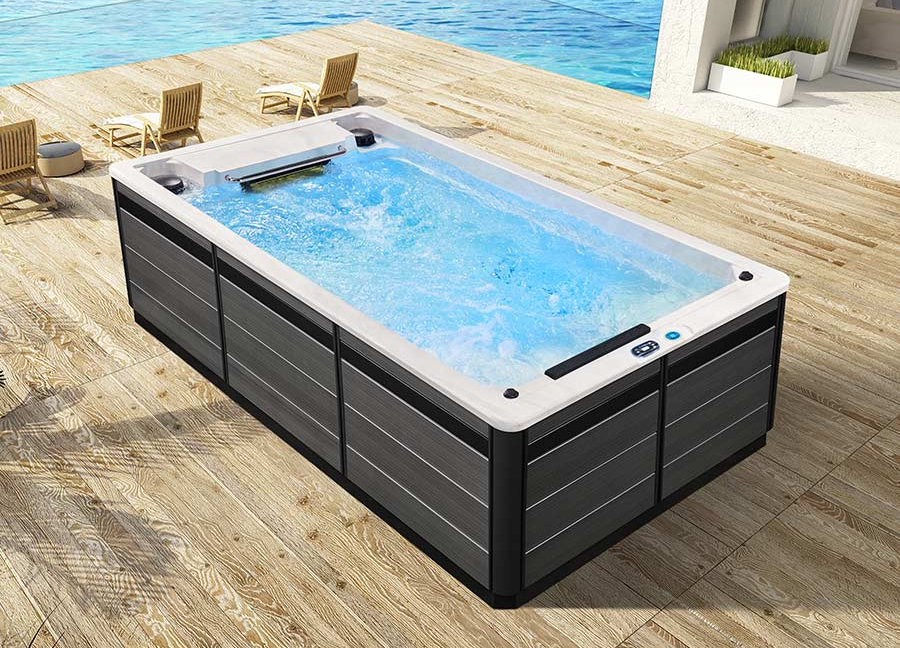
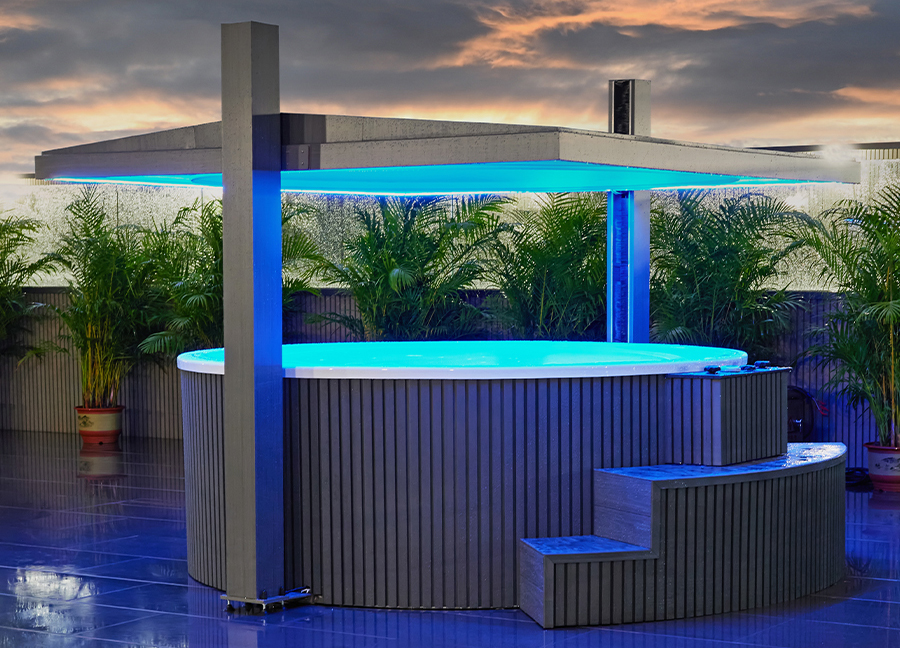
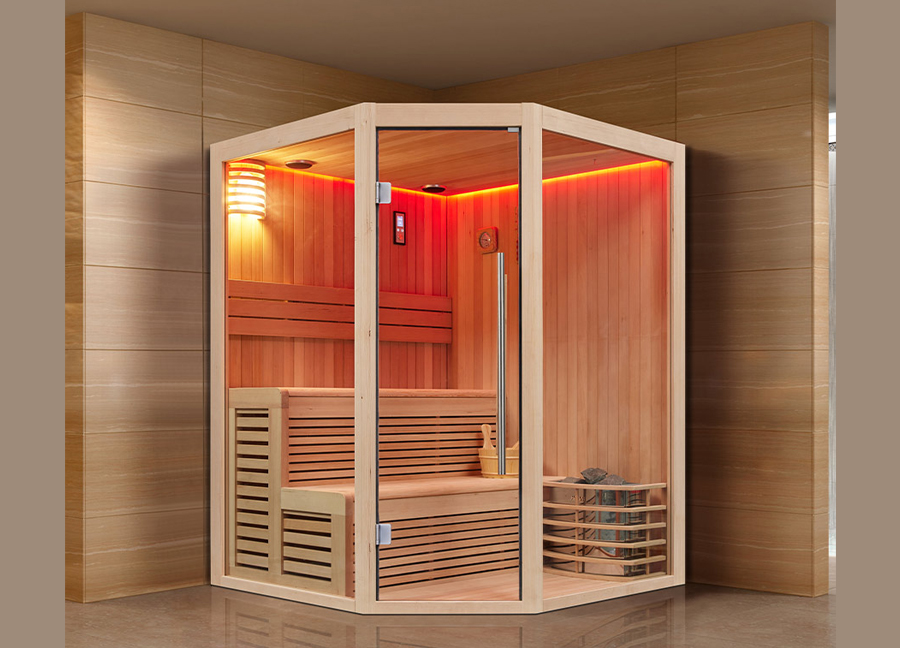
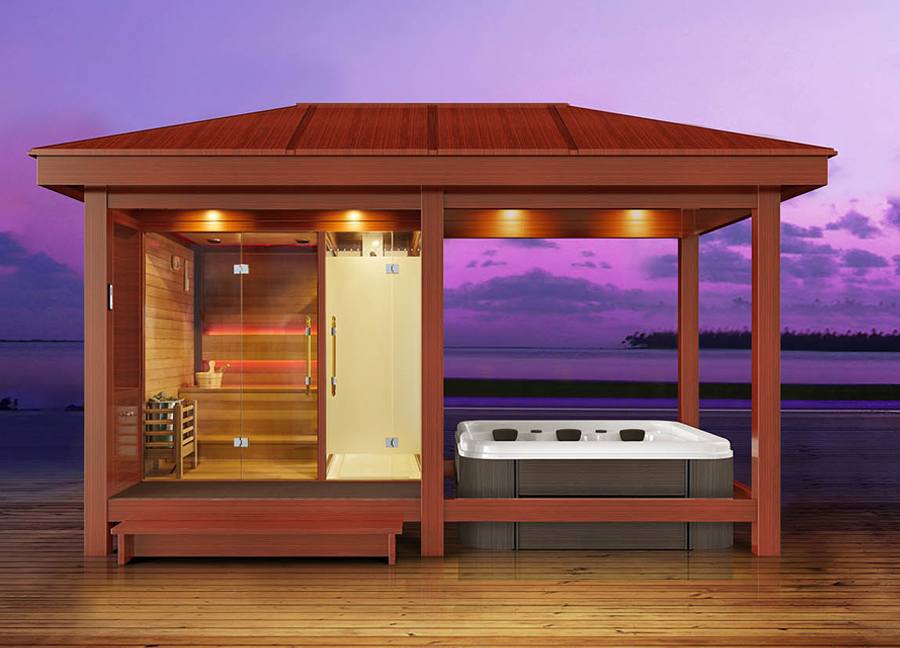



With today's fast-paced lifestyle, more and more people are choosing to relax in a spa hot tub. Soaking in warm water relaxes muscles, raises heart rate, and causes sweating, leading many to believe that "soaking in a whirlpool spa hot tub burns calories, just like exercise."
So the question arises: how many calories actually do you burn in a 30-minute spa hot tub soak? This isn't a simple numerical question; it involves a series of scientific principles related to human metabolism, thermoregulation, and physiological energy consumption.
This article will systematically explain this issue from a professional perspective, helping you correctly understand the actual impact of a whirlpool spa hot tub on your body's calorie expenditure.
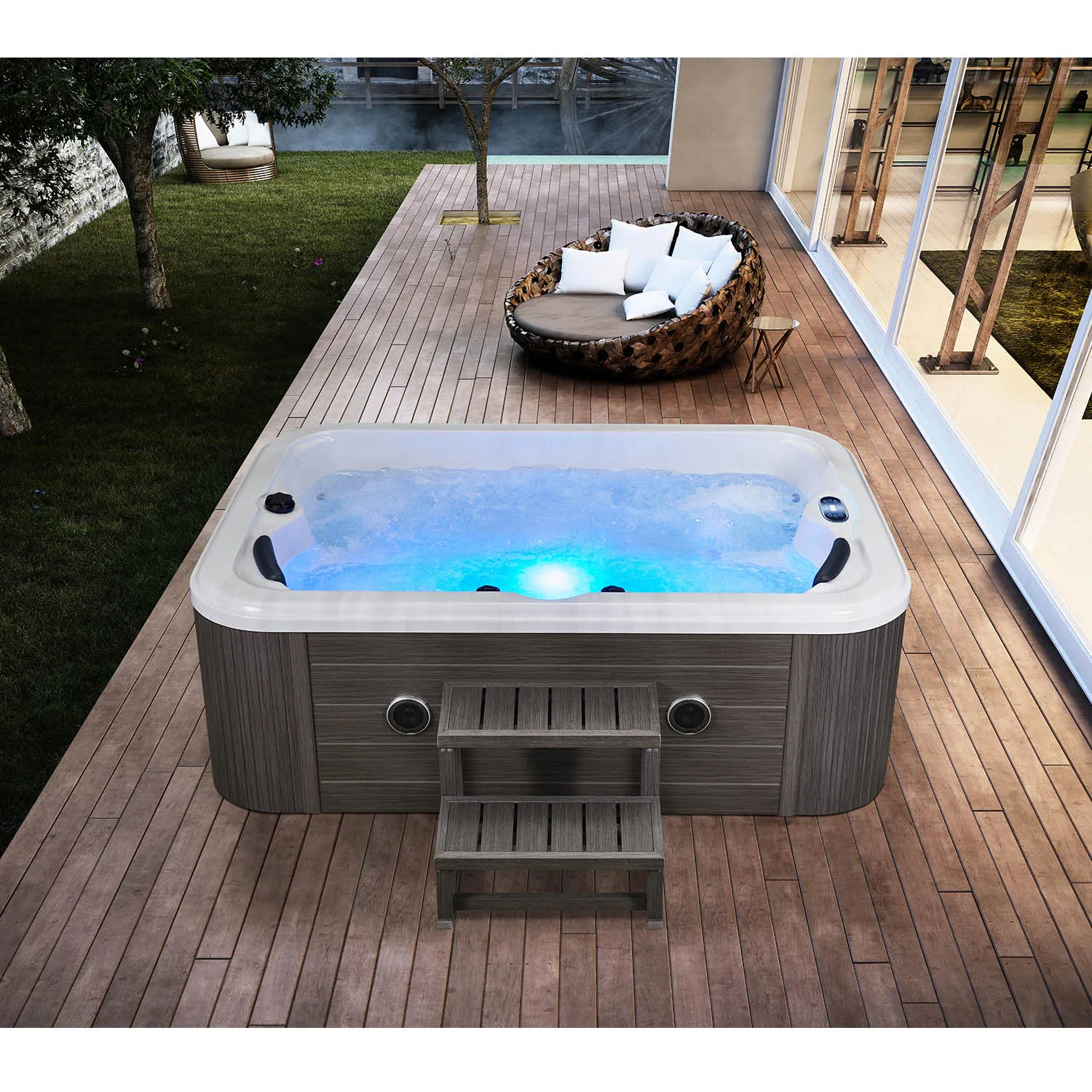
How does the body consume energy in a spa hot tub?
1. Basal Metabolic Rate is the Primary Energy Source
Even at rest, the human body consumes energy to maintain basic life activities such as breathing, heartbeat, body temperature, and cell repair. This energy consumption is called the Basal Metabolic Rate (BMR).
When a person enters a whirlpool spa hot tub, although they are not engaging in strenuous exercise, their thermoregulatory system is activated. 1. To maintain core body temperature, the body balances heat through vasodilation and sweating, a process that itself requires energy expenditure.
2. Metabolic Response in Hot Environments
Soaking in hot water at approximately 100°F–104°F (37.8°C–40°C) will cause a slight rise in body temperature. The body regulates this through sweating and blood circulation, consuming calories to dissipate heat.
This passive warming process is similar to the metabolic response triggered by mild aerobic exercise (such as brisk walking or light stretching).
3. Increased Heart Rate and Accelerated Blood Circulation
Studies show that soaking in a spa hot tub increases heart rate by an average of 10–15 beats per minute, and vasodilation accelerates circulation. The heart needs to pump blood more efficiently to regulate body temperature, indirectly increasing energy expenditure.
Therefore, even when the body is at rest, soaking in a spa hot tub does burn a certain number of calories.
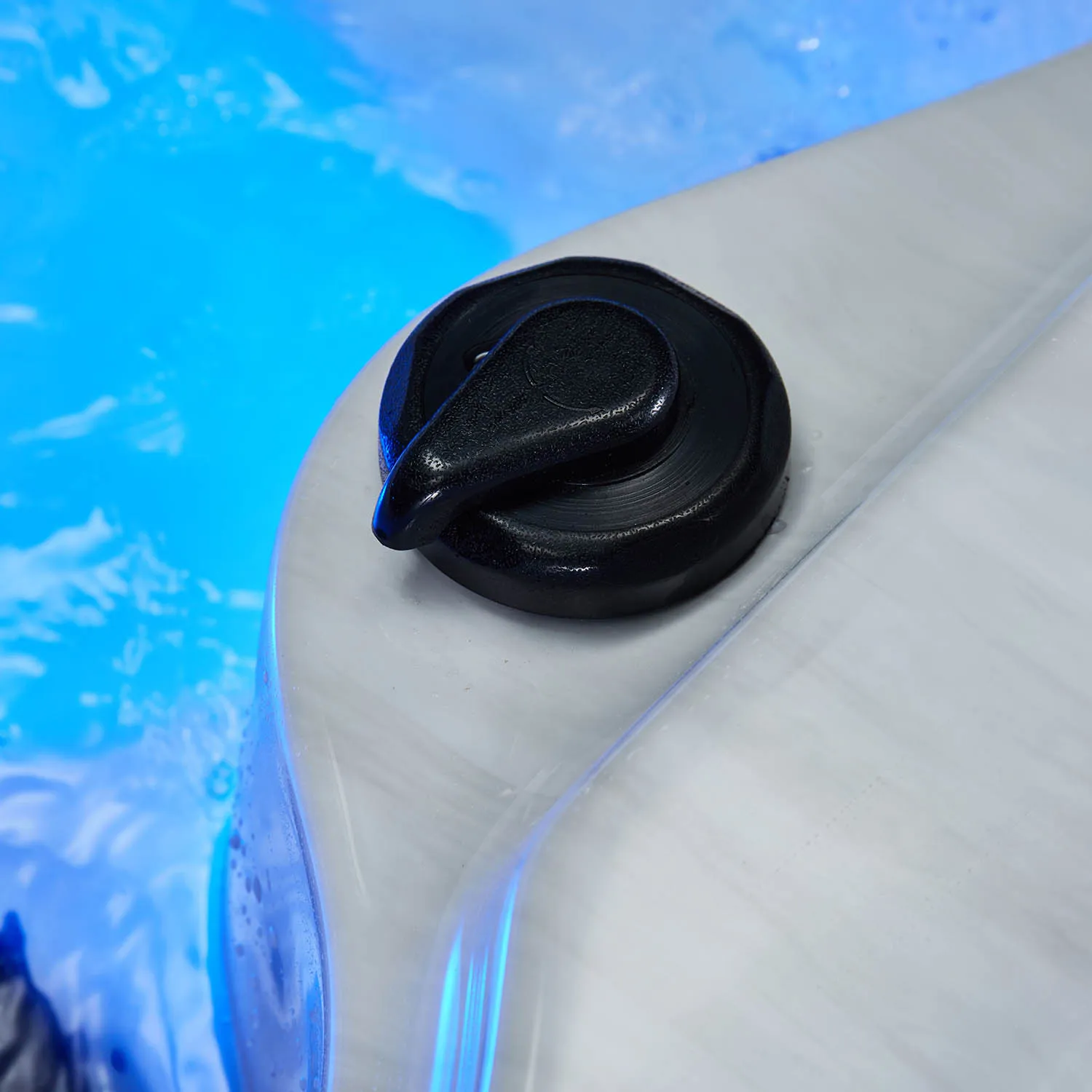
How many calories can you burn in a 30-minute spa hot tub soak?
The answer to this question depends on several factors, including individual weight, bath temperature, water depth, ambient temperature, and bodily response.
1. Basal Metabolic Rate Plus Additional Energy Consumption
For a resting adult (weighing 70 kg), the basal metabolic rate is approximately 70–80 calories per hour. Energy expenditure increases slightly when the body is exposed to hot water.
Studies show that:
• Sitting still in 40°C hot water for 30 minutes can burn an additional 25–40 calories;
• If the body's thermoregulation response is stronger (e.g., more sweating), it can reach 50–60 calories.
In other words:
A 30-minute hot tub bath can burn approximately 60–100 calories.
This is equivalent to:
• 10–15 minutes of brisk walking;
• Or 20 minutes of gentle stretching.
2. The Impact of Body Weight on Energy Consumption
Heavier individuals have a higher basal metabolic rate and greater heat dissipation needs, resulting in more significant energy expenditure.
Weight (kg) | Estimated Calories Burned in 30 Minutes
50kg | 50–80 calories
70kg | 60–100 calories
90kg | 80–120 calories
Summary: Spa hot tubs do promote calorie burning to some extent, but the effect is relatively mild and cannot be compared to exercise metabolism.
Why does soaking in a spa hot tub burn calories?
1. Increased Body Temperature Leads to Accelerated Metabolism
When the external temperature rises, the body tries to maintain a stable core temperature; this self-regulation process is called the "thermal balance mechanism."
• The body accelerates blood circulation to carry heat to the skin surface;
• Skin blood vessels dilate, and sweat evaporates to remove heat;
• These reactions all require energy.
Therefore, when soaking in a spa hot tub, the body is not completely relaxed and still, but undergoes "passive heat stress," leading to an increased metabolic rate.
2. Increased Cardiovascular Load
The warm environment of a whirlpool spa hot tub increases heart rate and dilates blood vessels. To maintain blood circulation, the heart needs a higher output of fluids. The more the heart works, the more energy it consumes.
This is why many people feel slightly tired after a hot tub bath—it's actually because the body has undergone a gentle "passive workout."
3. Water Pressure Effect Promotes Circulation and Metabolism
The water pressure in a spa hot tub has a massaging and compressive effect on the body. This pressure pushes blood back to the heart, promoting circulation.
Increased blood flow improves the efficiency of oxygen and nutrient transport, slightly enhances cellular metabolism, and thus increases overall energy consumption.
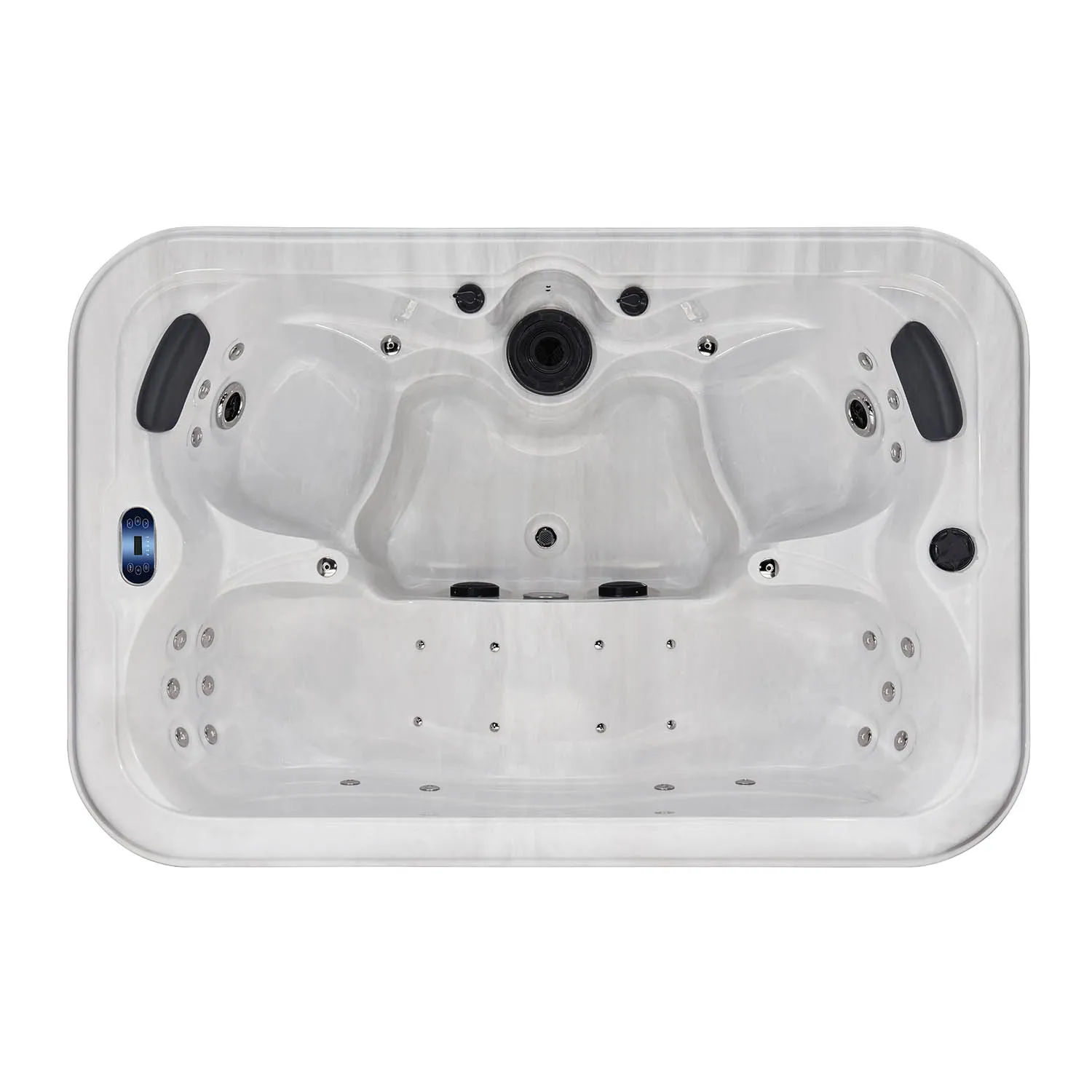
Does soaking in a spa hot tub burn the same calories as exercise?
Many people mistakenly believe that sweating profusely while soaking in hot water means "fat burning." In fact, sweating does not equal fat burning.
1. Sweating is primarily a thermoregulatory response
The evaporation of sweat removes water and electrolytes, not fat. While you sweat a lot while soaking in a spa hot tub, this is a short-term fluid loss, and weight changes are only temporary.
2. Exercise Improves Cardiopulmonary Efficiency
While heart rate increases in a whirlpool spa hot tub, there is no accompanying muscle contraction or increased oxygen consumption. Therefore, calorie burning efficiency is much lower compared to actual exercise.
For example:
• A 30-minute brisk walk burns approximately 150 calories;
• A 30-minute jog burns approximately 300 calories;
• A 30-minute hot tub soak burns approximately 60–100 calories.
Therefore, while hot tub baths can increase metabolism, they are more of a relaxation aid than a true fat-burning workout.
What factors affect calorie consumption in a spa hot tub?
1. Water Temperature
Higher water temperatures increase the body's heat dissipation needs, leading to more significant energy expenditure. However, temperatures exceeding 104°F (40°C) increase the risk of dehydration and cardiac strain.
The optimal balance temperature is 38–40°C.
2. Bathing Time
The longer the bath, the more energy is accumulated. However, 30 minutes usually represents a balance between safety and metabolic promotion. Prolonged use may lead to excessively high body temperature or low blood pressure.
3. Individual Weight and Metabolic Rate
The greater the body weight, the higher the basal metabolic rate. Gender, age, and muscle mass also affect energy expenditure.
4. Ambient Temperature and Humidity
When the ambient temperature is low, the body will expend extra energy to readjust its body temperature after exiting hot water.
5. Bathing Posture and Water Flow Intensity
If the whirlpool spa hot tub is equipped with a powerful jet or massage bubbles, the body will experience slight muscle contractions due to water pressure stimulation, which will also slightly increase energy expenditure.
Besides burning calories, what other health benefits does soaking in a spa hot tub offer?
Although the calorie burning is limited, the health benefits of a whirlpool spa hot tub go beyond just calorie expenditure.
1. Muscle Relaxation and Tension Relief
Warm water flow can promote blood circulation, accelerate lactic acid metabolism, and relieve muscle stiffness and soreness.
2. Improved Circulatory System Function
Water temperature stimulation can dilate blood vessels, reduce peripheral resistance, and promote the transport of oxygen and nutrients.
3. Promotes Sleep and Relaxation
The initial rise and subsequent slow drop in body temperature after a hot tub helps stimulate melatonin secretion, aiding in falling asleep faster.
4. Enhances Skin Metabolism
The warm water environment promotes pore opening, and the water pressure helps the skin expel impurities and sebum, improving skin metabolism and circulation.
Therefore, while the fat-burning effect of a spa hot tub is limited, it remains an ideal way to relax from an overall health perspective.
Is the calorie burn from a 30-minute spa hot tub session worthwhile?
The answer depends on your expectations regarding calorie burning.
• If you want to passively and mildly boost metabolism and improve circulation, then a whirlpool spa hot tub session is beneficial.
• If you want significant fat loss or body shaping, it should be combined with exercise and dietary management.
However, relaxing in warm water, reducing stress, and improving sleep quality are themselves part of a healthy lifestyle.
From an overall energy balance perspective, even burning only 60-100 calories represents physiological regulation. For those who sit for long periods or experience high stress, this gentle "metabolic stimulation" also has its value.
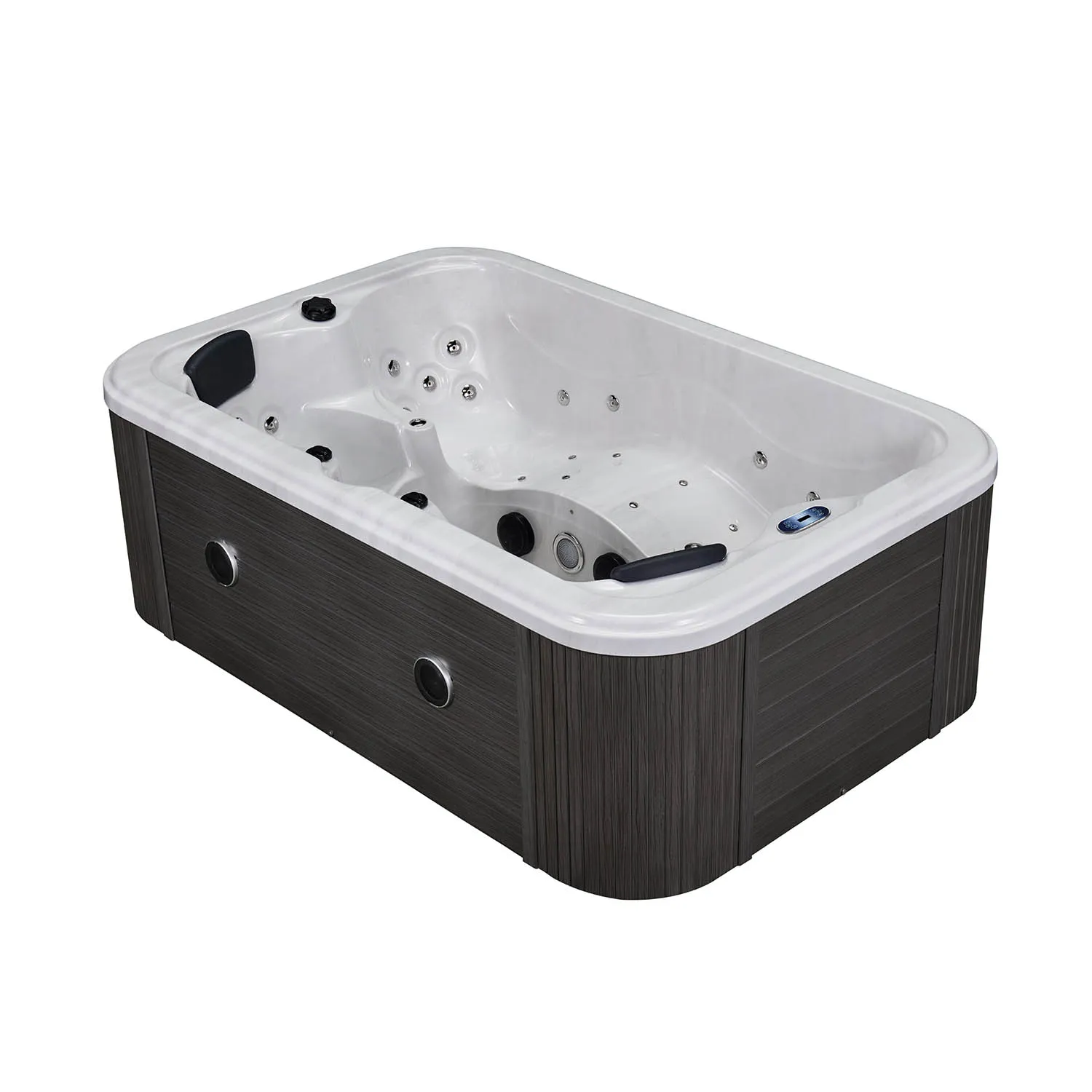
How to use a spa hot tub scientifically and safely to promote energy expenditure?
1. Control the time
Keep each bath under 20-30 minutes to avoid excessive heating and dehydration.
2. Choose the right water temperature
The optimal range is 38-40°C; avoid exceeding 104°F.
3. Keep the water clean
Regularly check the pH level and disinfectant concentration to ensure a safe environment in the whirlpool spa hot tub and prevent skin irritation.
4. Replenish fluids after bathing
Sweating leads to fluid loss; drink water promptly to help the body restore metabolic balance.
5. Combine with moderate exercise
The whirlpool spa hot tub can be used for relaxation and recovery; combining it with exercise can achieve even better health benefits.
What is the MEXDA brand under Yuehua?
MEXDA is the registered trademark brand owned by Yuehua and has been recognized as a “Famous Guangdong Trademark.” Under the MEXDA brand, we supply outdoor spa, swim spa, sauna room, and massage bathtub products with consistent quality and modern design. The brand is positioned for international markets seeking reliable Chinese manufacturers with strong production capabilities. Buyers can choose to purchase MEXDA branded products or request OEM manufacturing based on their own brand strategies.