



Spa jacuzzi hot tubs have become a key feature in many homes and leisure spaces, prized for their comfortable water temperatures, massage jets, and relaxing experience. When installing or using a spa hot tub, many people ask a very practical question: can tap water be used directly?
Technically speaking, most spa hot tubs do use ordinary tap water for filling. However, this does not mean that tap water can always be used directly without any treatment. Because the water in a whirlpool spa hot tub is typically recirculated and maintained at high temperatures for extended periods, water quality management is crucial.
Although tap water is treated by municipal systems and is suitable for daily drinking and household use, once it enters a spa jacuzzi hot tub, factors such as its chemical properties, mineral content, and residual disinfectants can affect the stability of the water quality.
This article provides a systematic analysis of the suitability of using tap water in spa jacuzzi hot tubs and the associated considerations, examining aspects such as water sources, chemical properties, equipment operation, and water quality management.
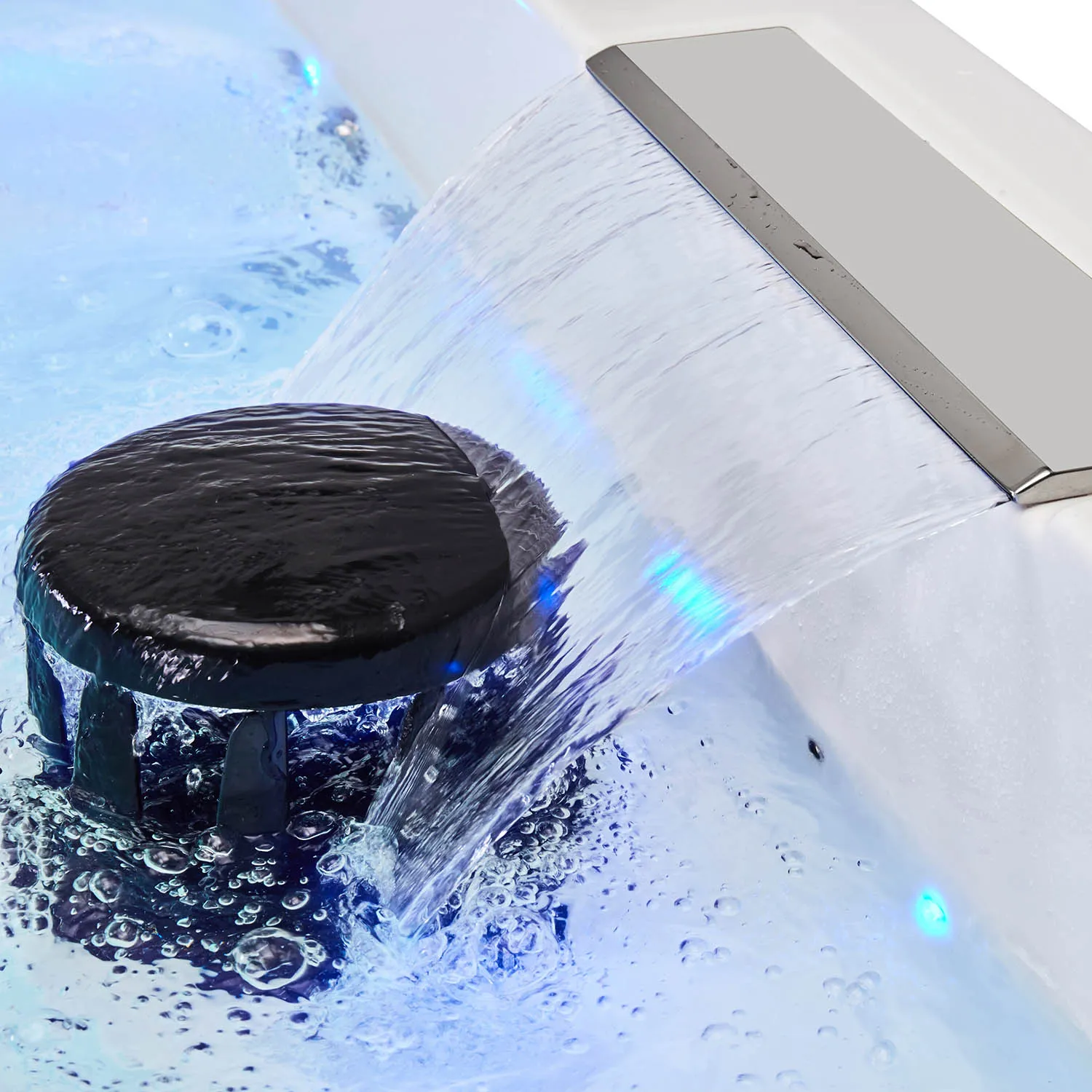
What type of water is typically used in spa hot tubs?
In most cases, there are three main types of water sources for spa hot tubs:
•Tap water
•Filtered or softened water
•Other sources (such as groundwater)
Among these, tap water is the most common source for filling. This is because it is easily accessible, the supply is stable, and it has usually undergone basic water treatment.
However, while tap water is suitable for use in spa jacuzzi hot tubs, its specific characteristics must be considered. For instance, tap water from different regions can vary in terms of mineral content, hardness, and residual disinfectant levels.
These factors can all impact the stability of the water within the spa jacuzzi hot tub.
Why do most spa jacuzzi hot tubs use tap water?
Spa hot tubs are generally designed with tap water as the primary water source because it offers several important advantages.
First, the supply of tap water is highly stable. Municipal water supply systems provide a continuous source of water, making them highly convenient for filling or topping up whirlpool spa hot tubs.
Secondly, tap water typically undergoes basic disinfection. Water supply systems treat the water to reduce bacteria and microorganisms, providing a relatively safe initial environment for the spa hot tub.
Furthermore, the chemical properties of tap water are relatively stable in most regions, making it easier to manage and adjust water quality within the whirlpool spa hot tub.
Therefore, from the perspectives of both equipment design and practical use, tap water is one of the most common water sources for spa jacuzzi hot tubs.
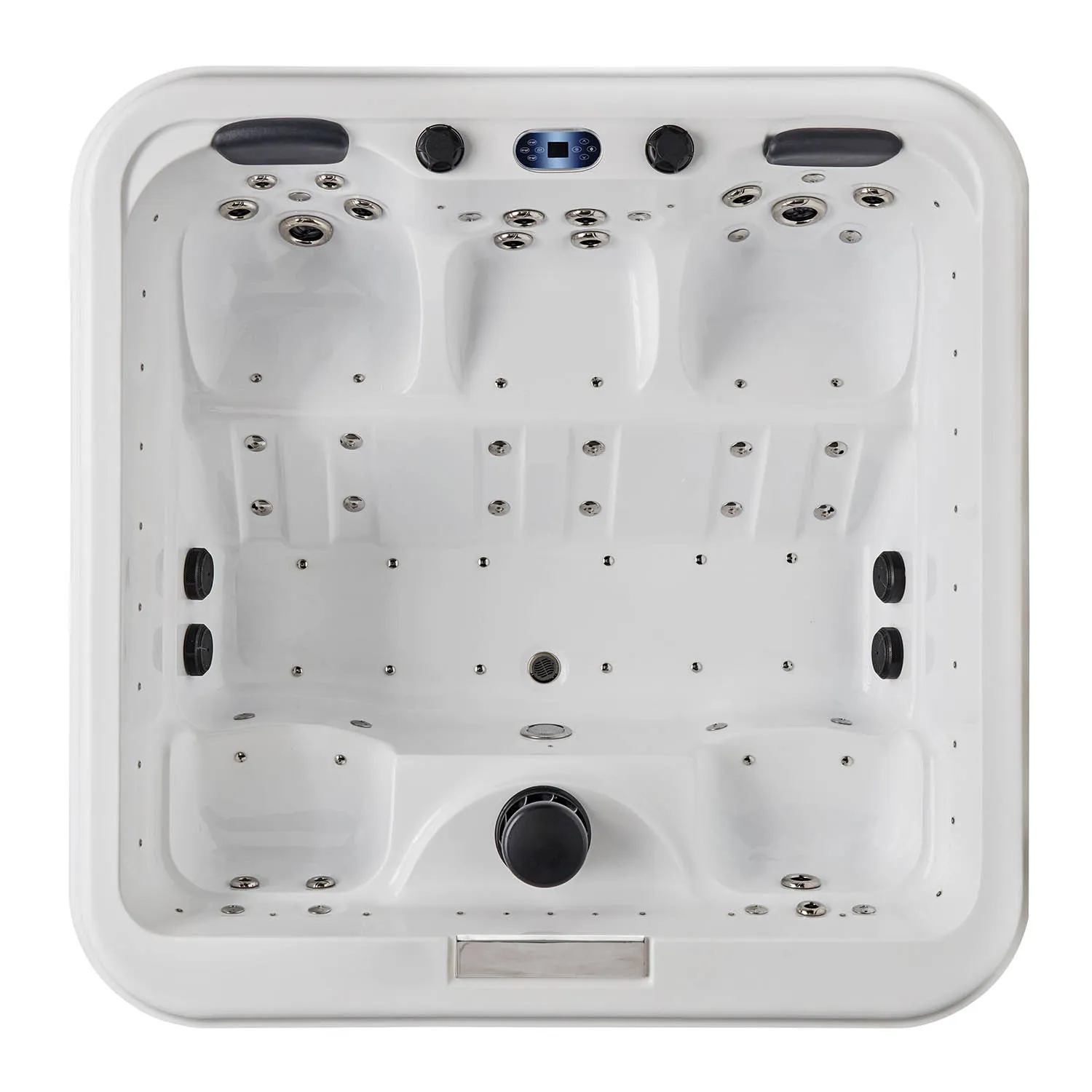
What happens to tap water once it enters the spa jacuzzi hot tub?
Although tap water is treated before entering the spa jacuzzi hot tub, the water environment changes once it is inside the equipment.
Spa hot tubs differ significantly from ordinary water environments in several ways:
•Higher water temperatures
•Water recirculation
•Continuous agitation by jet systems
•Direct human contact with the water
In this environment, certain substances in the tap water may undergo changes, such as:
•Release of dissolved gases
•Mineral precipitation
•Reactions with other substances
These changes can affect the water quality of the whirlpool spa hot tub, influencing factors like clarity, odor, or foaming.
Consequently, proper water quality management is necessary, even when using tap water.
Does the chlorine in tap water affect the spa hot tub?
Tap water in many regions contains chlorine or other disinfectants to ensure the safety and hygiene of the water supply.
When this water enters the whirlpool spa hot tub, the chlorine may undergo changes; for instance, some of it may gradually dissipate due to the higher temperatures.
Additionally, the chlorine in tap water can react with other substances present in the whirlpool spa hot tub, such as bodily residues or airborne particulates.
While these changes rarely cause serious damage to the equipment, they can alter the chemical balance of the water. Therefore, monitoring water quality and making appropriate adjustments is usually required when filling a spa jacuzzi hot tub with tap water.
Does tap water hardness affect the spa jacuzzi hot tub?
Tap water typically contains certain minerals, such as calcium and magnesium, which determine the water's hardness.
When hard water enters a spa jacuzzi hot tub, the high-temperature environment can trigger specific reactions; for instance, minerals may precipitate out of the water and form deposits.
This can sometimes affect the hot tub's appearance or the clarity of the water. While these changes generally do not immediately impact equipment operation, long-term accumulation can affect the water environment.
Therefore, understanding local water quality characteristics is crucial when using tap water in a spa jacuzzi hot tub.
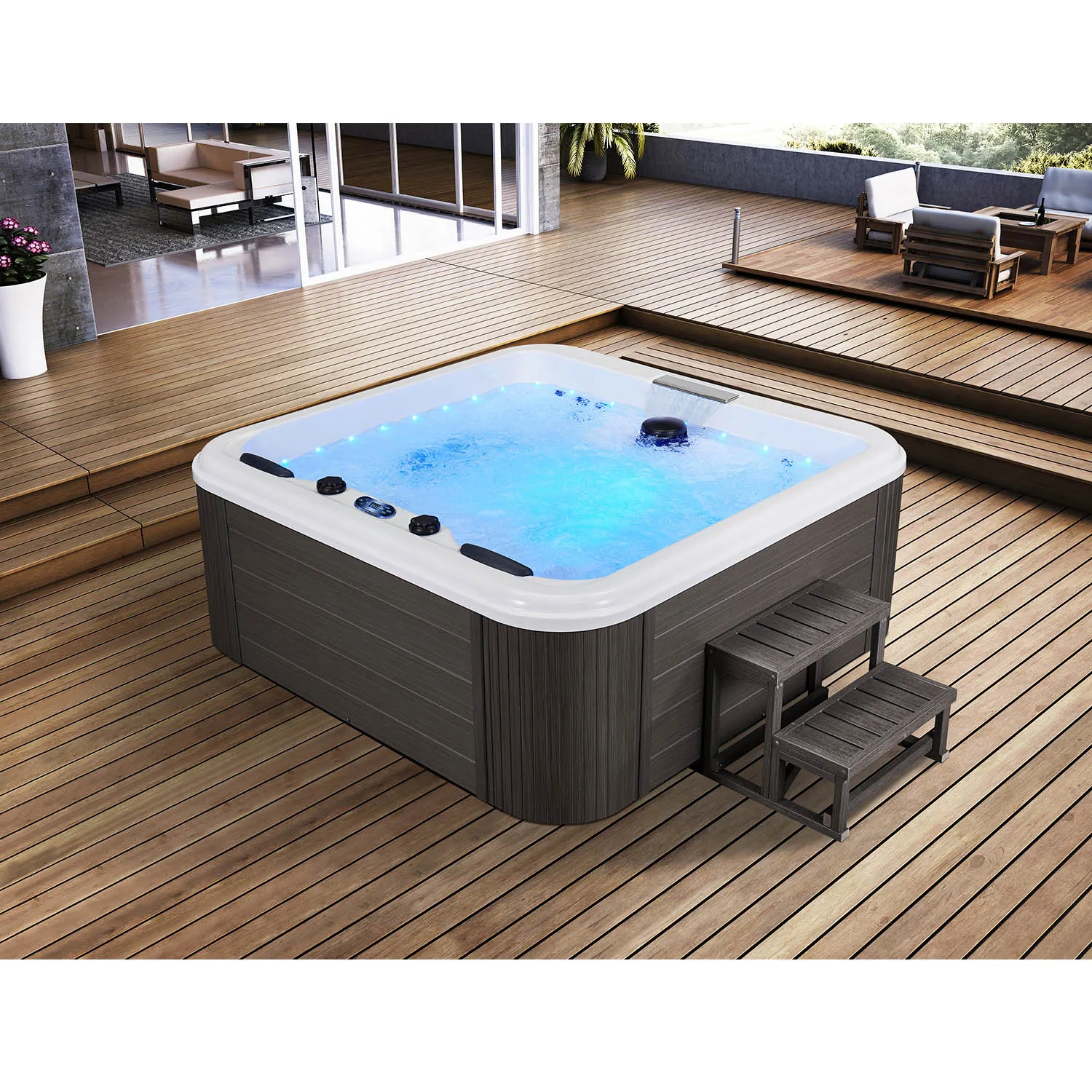
Does tap water require treatment before being used in a spa hot tub?
Many people ask: since tap water can be used in a whirlpool spa hot tub, is additional treatment necessary?
The answer depends on the water quality.
In some regions, tap water quality is relatively stable, requiring only basic adjustments after being filled into the jacuzzi hot tub.
In other areas, however, if the tap water has a high mineral content or contains significant dissolved substances, simple treatments—such as filtration or softening—may be required.
These treatments help maintain a more stable water environment within the hot tub, thereby minimizing fluctuations in water quality.
Why does spa hot tub water require regular maintenance?
Even if clean tap water is used initially, the water in a spa jacuzzi hot tub changes over time.
This is because various substances can gradually accumulate in the water during use, such as:
•Skin residues
•Environmental dust
•Ingredients from skincare products
•Dissolved minerals
If these substances accumulate, water quality may deteriorate—for example, through reduced clarity or increased foaming.
Consequently, maintaining water quality is an ongoing process during daily use, rather than just a one-time task performed when initially filling the tub.
Why shouldn't a spa hot tub rely solely on the original quality of tap water?
Although tap water undergoes treatment, it is processed to meet daily living and drinking needs, not specifically designed for spa equipment.
The operating environment of a whirlpool spa hot tub differs significantly from standard water usage scenarios in ways such as:
•Higher water temperatures
•Extended usage periods
•Complex water circulation systems
All these factors alter the water environment. Therefore, relying solely on the quality of the tap water itself is usually insufficient to maintain a stable, long-term water environment.
Spa hot tubs require proper water balance management.
Does using tap water affect whirlpool spa hot tub equipment?
Generally speaking, tap water does not cause direct damage to spa jacuzzi hot tubs; the equipment is designed with this in mind.
However, if the water has a high mineral content, long-term use may lead to the gradual formation of deposits. This phenomenon is more likely to occur in high-temperature environments.
Consequently, maintaining a stable water environment not only helps keep the water clear but also helps preserve the equipment in good condition.
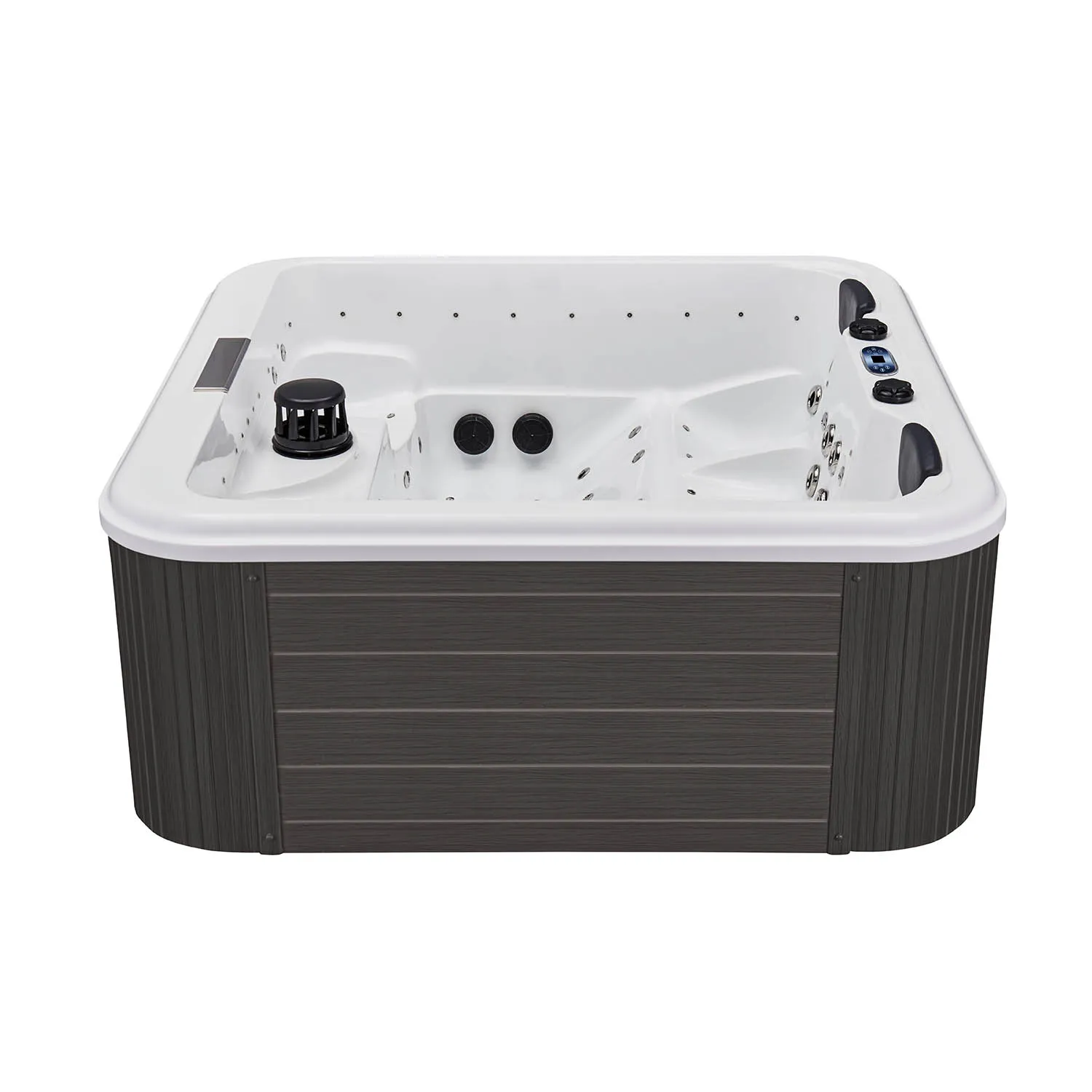
Why is understanding local water quality crucial for spa hot tubs?
Tap water composition can vary significantly by region. For instance, water hardness levels differ, as do mineral contents.
These variations influence how water quality is managed. Areas with hard water may be more prone to mineral deposits, whereas areas with soft water might experience issues like foaming.
Therefore, understanding local water characteristics when filling your spa jacuzzi hot tub helps ensure better maintenance of the water environment.
Can Yuehua Produce Products for Different Market Segments?
Yes. Customer expectations vary by region, and Yuehua develops products to cater to a wide range of market segments. Entry-level buyers might focus on affordable massage bathtubs or steam shower units, while luxury projects may require premium outdoor spa and swim spa solutions.
Our production flexibility allows distributors to select products that align with local demand and target price points. As an experienced manufacturer, we support both budget-conscious purchases and premium, customized projects.