



A Comprehensive Guide to Water Quality Management and Purchasing
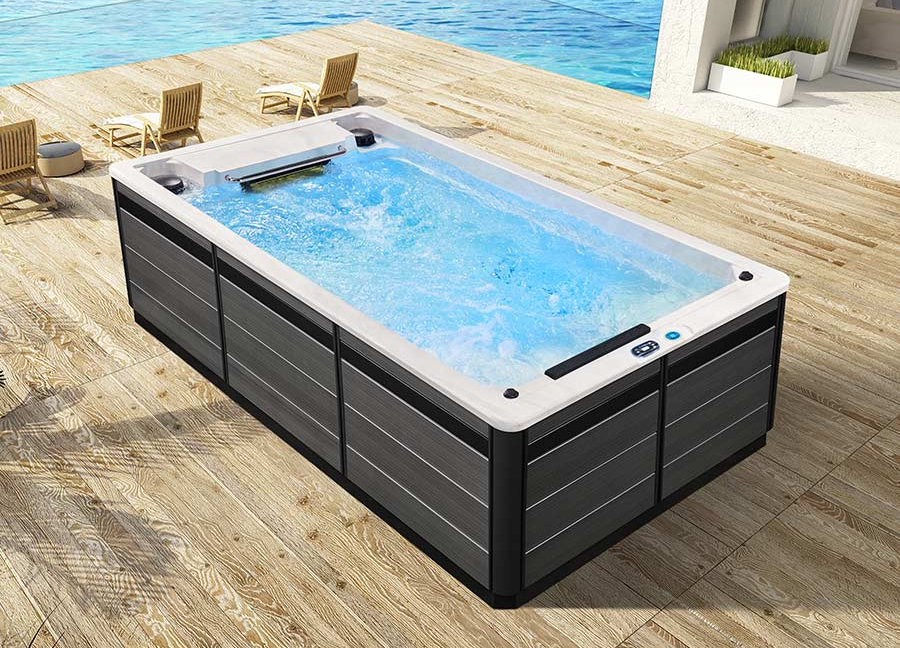
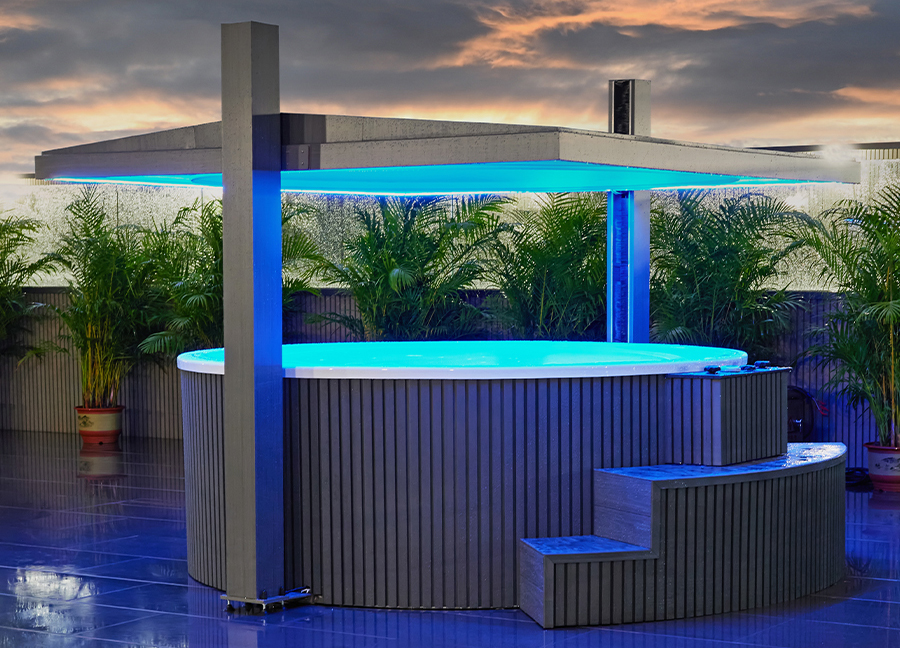
As healthy lifestyles gain popularity, an increasing number of households are installing outdoor swim spa tubs in their courtyards, gardens, terraces, and villas. Compared to traditional swimming pools, outdoor swim spa tubs not only cater to diverse needs—such as daily swim training, hydrotherapy massage, rehabilitation, and family entertainment—but also offer advantages like a smaller footprint, quick installation, and year-round usability. Consequently, they have become a key feature of high-end home leisure setups in recent years.
However, when purchasing an outdoor swim spa tub, consumers often focus primarily on dimensions, massage systems, counter-current swimming mechanisms, and aesthetic design, while overlooking a crucial factor: the need for a water treatment system. Many users mistakenly believe that if the water looks clear, the quality is fine and requires no special maintenance; others assume that simply changing the water periodically is a sufficient substitute for professional water treatment equipment.
In reality, these views are misconceptions. For any outdoor swim spa tub that holds water for extended periods, maintaining stable water quality is vital not only for the user experience but also for personal health, equipment longevity, and future maintenance costs. Without a proper water treatment system, even if no immediate issues are apparent, continued use can lead to problems such as cloudy water, bacterial growth, unpleasant odors, pipe scaling, reduced filtration efficiency, and even equipment damage.
According to industry data, a typical residential outdoor swim spa tub holds between 4,000 and 10,000 liters of water, with some large commercial models exceeding 12,000 liters. Without an effective circulation, filtration, and water treatment system, such a large volume of water—kept at a constant temperature—can easily become a breeding ground for microorganisms. Therefore, establishing a robust water treatment system and adopting proper daily maintenance habits are essential for ensuring the long-term, stable operation of an outdoor swim spa. This article explores the necessity of water treatment systems for outdoor swim spa tubs. It provides a comprehensive analysis covering the importance of these systems, common treatment methods, the characteristics of various technologies, maintenance requirements, and purchasing advice. The goal is to help consumers manage water quality effectively and maximize the value of their outdoor swim spas.
Why is water treatment essential for outdoor swim spa tubs?
First-time buyers of outdoor swim spa tubs often wonder: since the water isn't used by crowds of people daily—unlike in a standard swimming pool—is a complex water treatment system really necessary?
In reality, the answer is quite the opposite.
The key difference between an outdoor swim spa tub and a standard bathtub is that the spa is a recirculating water system; the water is not drained after every use but is instead reused over an extended period through filtration, disinfection, and circulation systems. While this design significantly reduces water consumption and improves energy efficiency, it also makes water quality management crucial.
First, every time a person enters the spa, they introduce sweat, sebum, skincare residues, cosmetics, and sunscreen, as well as airborne dust and pollen. Even with a quick rinse before use, it is impossible to completely prevent these organic substances from entering the water.
Second, outdoor swim spa pools typically maintain a constant temperature of around 37°C (or higher)—an environment that fosters the rapid growth of certain bacteria and microorganisms. Without adequate filtration and disinfection, water quality deteriorates much more quickly.
Furthermore, continuous recirculation leads to mineral deposits, scale formation, and the accumulation of organic contaminants, all of which can gradually impair the efficiency of jets, pumps, heaters, and piping systems. Consequently, the water treatment system is vital not only for human health but also for minimizing maintenance costs and extending the equipment's overall lifespan.
What problems arise in outdoor swim spa tubs without a water treatment system?
Many consumers assume that if the water looks clear and transparent, there are no issues. However, visual inspection reveals only part of the picture regarding water quality.
Without a robust water treatment system, the first noticeable problem is often a decline in water clarity. As organic matter introduced by users accumulates, the water may gradually become cloudy and develop excessive foam. At the same time, the population of bacteria and microorganisms may increase. While not all microorganisms cause health issues, a prolonged lack of effective disinfection can lead to skin irritation, eye discomfort, and other hygiene risks.
From an equipment perspective, filters subjected to excessive, long-term loads are prone to clogging; sediment can accumulate inside nozzles, and limescale can build up on heater surfaces. All these issues reduce the overall operating efficiency of the outdoor swim spa pool, increase energy consumption, and raise maintenance costs.
Therefore, the purpose of a water treatment system extends beyond merely keeping the water clear; it is crucial for maintaining the long-term, stable, and safe operation of the entire equipment system.
What components make up an outdoor swim spa tub water treatment system?
A complete water treatment system for an outdoor swim spa tub is typically not a single piece of equipment but an assembly of multiple components, each serving a specific function.
The circulation system is responsible for continuously driving water through the filtration unit, keeping the water in motion throughout the spa and preventing the formation of stagnant zones. The filtration system acts as the first line of defense in the water treatment process, capturing hair, dust, skin flakes, and other suspended particles.
The disinfection system is primarily used to control levels of bacteria, viruses, and other microorganisms; common methods on the market include ozone, ultraviolet (UV) light, and chemical disinfectants. Additionally, regular monitoring of water quality parameters—such as pH levels, disinfectant concentration, and total alkalinity—is required to ensure the water remains stable.
Safe, long-term operation of an outdoor swim spa pool relies on the coordinated functioning of these systems, rather than relying on any single technology alone.
Why is the circulation and filtration system so important for an outdoor swim spa tub?
For any outdoor swim spa pool, the circulation and filtration system is the core of the entire water treatment setup.
Filters typically utilize high-density cartridges, with circulation pumps continuously removing suspended particles from the water. Many high-quality outdoor swim spa tubs are programmed to automatically activate the circulation and filtration process several times a day, ensuring the water remains clean even when the spa is not in use.
Generally, residential filter cartridges require regular cleaning based on usage frequency and must be replaced after a certain period. Failure to clean the filter regularly not only reduces filtration efficiency but can also place an excessive load on the pump, negatively affecting the entire circulation system. It is important to note that filtration systems only remove solid impurities and cannot replace disinfection functions; therefore, they must be used in conjunction with other water treatment methods.
What are the advantages of ozone systems for outdoor swim spa tubs?
In recent years, an increasing number of mid-to-high-end outdoor swim spa pools have come equipped with ozone generators.
Ozone is a gas with strong oxidizing capabilities; in water treatment, it is primarily used to reduce bacterial counts, break down certain organic pollutants, and help lower the required dosage of traditional disinfectants.
Since ozone gradually decomposes into oxygen after performing its function, it does not leave long-term residues in the water—a key reason for its popularity among consumers. However, it should be noted that ozone’s effective duration is relatively short; thus, it typically requires continuous operation alongside the circulation system and cannot entirely replace other water maintenance measures.
For households seeking a more natural water experience, outdoor swim spa pools equipped with ozone systems often offer reduced irritating odors and enhanced overall comfort.
Are UV sterilization systems a good choice for outdoor swim spa pools?
Ultraviolet (UV) disinfection technology has also seen increasing application in outdoor swim spa pools in recent years.
The process works by exposing the water flow to UV lamps; specific wavelengths damage the genetic material of certain microorganisms, thereby inhibiting their ability to reproduce. Unlike traditional chemical disinfection, UV systems do not introduce additional chemicals into the water, resulting in a superior water quality experience.
However, UV treatment only affects the water flowing through the device and cannot continuously act on contaminants already present in other areas of the spa. Consequently, most manufacturers recommend using UV systems as a supplementary sterilization method rather than the sole means of disinfection.
Do outdoor swim spa tubs still require chemical water treatment products?
Many consumers worry that chemical treatment agents might irritate the skin and therefore hope to rely exclusively on ozone or UV systems.
In reality, most professional manufacturers recommend using specialized water treatment products in appropriate amounts based on actual usage. Even with advanced ozone and UV systems installed, maintaining an adequate level of disinfectant is necessary during periods of frequent use to ensure the water quality of the outdoor swim spa tub remains stable over the long term. It is worth noting that modern water treatment products designed specifically for spas differ from traditional swimming pool chemicals; many have been optimized to be less irritating. Provided they are used correctly according to instructions and water quality is monitored regularly, they generally do not detract from the user experience.

Why is water quality monitoring for outdoor swim spa tubs essential?
Simply owning water treatment equipment does not eliminate the need for ongoing maintenance.
It is recommended to test the water quality of your outdoor swim spa pool at least once a week, checking key indicators such as pH levels, sanitizer concentration, and total alkalinity. Publicly available guidelines generally suggest maintaining a pH level between 7.2 and 7.8; this range not only enhances sanitization efficiency but also minimizes the risk of equipment scaling and corrosion.
Neglecting regular testing—even if the equipment appears to be functioning normally—can lead to water quality imbalances that compromise filtration performance, shorten the equipment's lifespan, and reduce user comfort.
How often should the water in an outdoor swim spa tub be changed?
Even with a sophisticated water treatment system, an outdoor swim spa pool still requires periodic water changes.
The specific frequency depends on factors such as the spa's capacity, the number of users, usage frequency, and maintenance habits. For typical household use—assuming regular water testing, filter cleaning, and proper maintenance—many manufacturers recommend a complete water change every 3 to 6 months.
For spas with high usage frequency, multiple users, or commercial applications, the interval between water changes should generally be shortened based on actual conditions.
It is important to emphasize that the primary function of a water treatment system is to extend the period of water stability, not to eliminate the need for water changes entirely.
How do you choose the right water treatment system?
With the wide variety of outdoor swim spas available on the market, consumers should make a choice based on their specific needs rather than simply chasing a particular technology.
For the average household, a high-quality circulation and filtration system—combined with ozone or UV sterilization, regular water testing, and appropriate treatment products—is usually sufficient to meet long-term needs.
For households with many users, high usage frequency, or plans for year-round operation, it is advisable to prioritize a more comprehensive multi-stage water treatment system; this not only improves water quality stability but also reduces the burden of ongoing maintenance. At the same time, consider the ease of equipment maintenance—such as whether the filter cartridge is easy to remove, whether the replacement cycle is reasonable, and whether the water treatment equipment is simple to service. These factors all impact the long-term user experience.
Daily Maintenance Is Key to Effective Water Treatment
It is important to emphasize that even the most advanced water treatment system for an outdoor swim spa tub cannot fully replace good usage habits.
Simple actions—such as rinsing off before use to minimize sweat and skincare products entering the water, promptly removing floating debris, regularly cleaning the filter cartridge, testing water quality according to manufacturer recommendations, and properly scheduling circulation cycles—directly affect the system's efficiency.
Many users mistakenly believe that higher-end equipment requires less maintenance; in reality, equipment performance and daily management are equally important. Only by combining the two can you ensure the swim spa remains clean, safe, and operational over the long term.
FAQ: Common Questions About Outdoor Swim Spa Water Treatment Systems
Is a water treatment system essential for an outdoor swim spa tub?
Yes. Since outdoor swim spa tubs rely on long-term water storage and circulation, the lack of a robust filtration and disinfection system makes the water prone to contamination. This not only compromises the user experience but can also increase maintenance costs and hygiene risks.
Do I still need disinfectants if my outdoor swim spa tub has an ozone system?
In most cases, using appropriate water treatment products alongside the ozone system is recommended. While ozone reduces microbial levels, it generally cannot replace all disinfection measures; a comprehensive approach helps maintain stable water quality.
How often should I test the water quality of my outdoor swim spa tub?
For home users, testing at least once a week is recommended, covering parameters such as pH levels, disinfectant concentration, and total alkalinity. If usage is frequent, you may want to increase the testing frequency to ensure the water treatment system remains in optimal working condition.
Does the water need to be changed if it looks clear?
Yes. Even if the water appears transparent, it may have accumulated significant amounts of dissolved contaminants and minerals. Therefore, you should still replace the water entirely at regular intervals—following the manufacturer's guidelines—to prevent long-term usage from negatively affecting water quality and equipment performance.
Can an outdoor swim spa pool water treatment system be completely maintenance-free?
No. No matter how advanced the water treatment system of an outdoor swim spa pool may be, it still requires the user to perform routine maintenance tasks—such as cleaning the filter, testing water quality, periodically changing the water, and inspecting the equipment. Proper maintenance not only enhances water quality stability but also effectively extends the overall service life of the equipment.