


How to Find the Quietest Outdoor Hot Tub? Why Does Noise Level Matter? A Comprehensive Guide
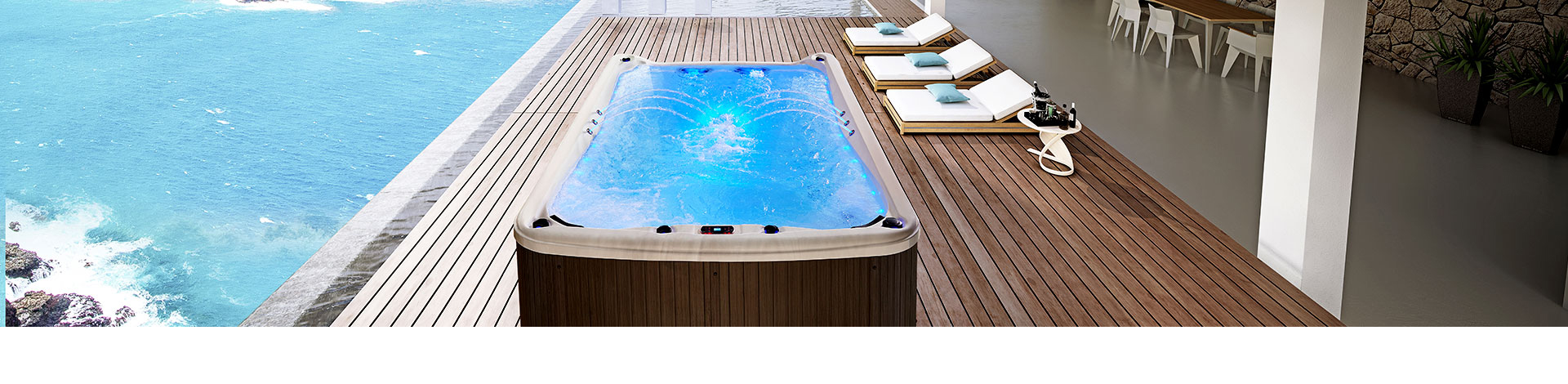
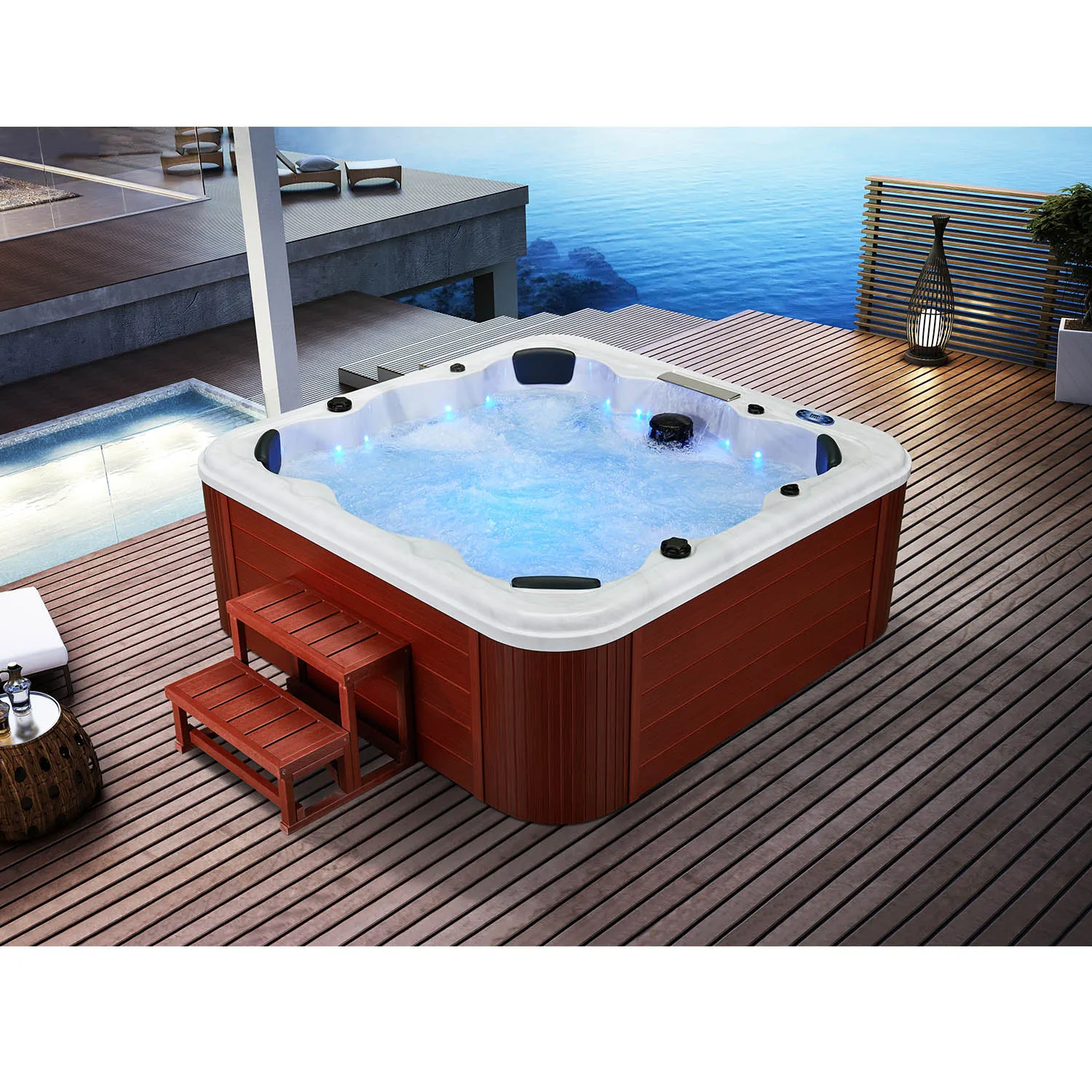
With the growing popularity of outdoor living and home spa culture, outdoor spa hot tubs have become a key feature for many households, villas, boutique guesthouses, and resorts. For many consumers, purchasing an outdoor whirlpool spa tub is about more than just enjoying a warm massage; it is about creating a comfortable, quiet environment to relieve stress, improve sleep, aid physical recovery, and elevate the quality of outdoor leisure time.
However, while consumers often focus on features like jet count, temperature control, insulation, filtration systems, and smart controls, one crucial factor that directly impacts the user experience is frequently overlooked: noise level.
Many buyers prioritize size, aesthetics, price, and massage capabilities, rarely considering the sound the equipment produces during operation. It is often only after installation that they discover the persistent mechanical noise from circulation pumps, water pumps, motors, and air blowers disrupts the tranquility of the evening garden and breaks the sense of immersion in nature. Particularly during quiet nights or in settings where a peaceful atmosphere is paramount—such as villa communities or guesthouse gardens—a quiet-running spa hot tub often enhances the overall experience far more than a model simply boasting a high number of jets.
So, why is the noise level of outdoor spa hot tubs attracting increasing attention from consumers? What factors influence noise output, and how can one select a truly quiet model? This article provides a comprehensive analysis of these questions, helping consumers better understand the noise performance of outdoor hot tubs and make informed purchasing decisions.
Why Is the Noise Level of Outdoor Hot Tubs Becoming Increasingly Important?
In the past, consumers focused primarily on massage intensity, water temperature stability, and price. Today, however, users increasingly value the overall experience, including quiet operation, energy efficiency, maintenance costs, and smart control capabilities. Especially in high-end residential and landscape design, the outdoor spa hot tub has evolved from a mere appliance into a lifestyle statement; consequently, noise level has naturally become a key benchmark for evaluating product quality.
Market research data published by various international SPA industry organizations indicates that, alongside price, brand, and features, quiet operation has emerged as one of the top five factors influencing consumer decisions when purchasing outdoor spa hot tubs. For households with private gardens, outdoor hot tub use often occurs in the evening—a time when the surrounding environment is naturally quiet. If the equipment generates significant, continuous operating noise, it can hinder personal relaxation, disturb family members' rest, and even annoy neighbors. Consequently, an increasing number of high-end brands are prioritizing quiet design in product development, investing heavily in optimizing components such as water pumps, motors, circulation systems, and the overall structural design.
From a psychological perspective, sound directly impacts the ability to relax. Studies show that people find it easier to relax when ambient noise levels remain between 40 and 45 decibels, whereas continuous mechanical noise exceeding 55 decibels can stimulate the nervous system and keep the body in a state of alertness. For those seeking to relieve stress and improve sleep quality through the use of an outdoor whirlpool spa tub, a quiet operating environment undoubtedly enhances the overall SPA experience.
What are the primary sources of noise in outdoor spa hot tubs?
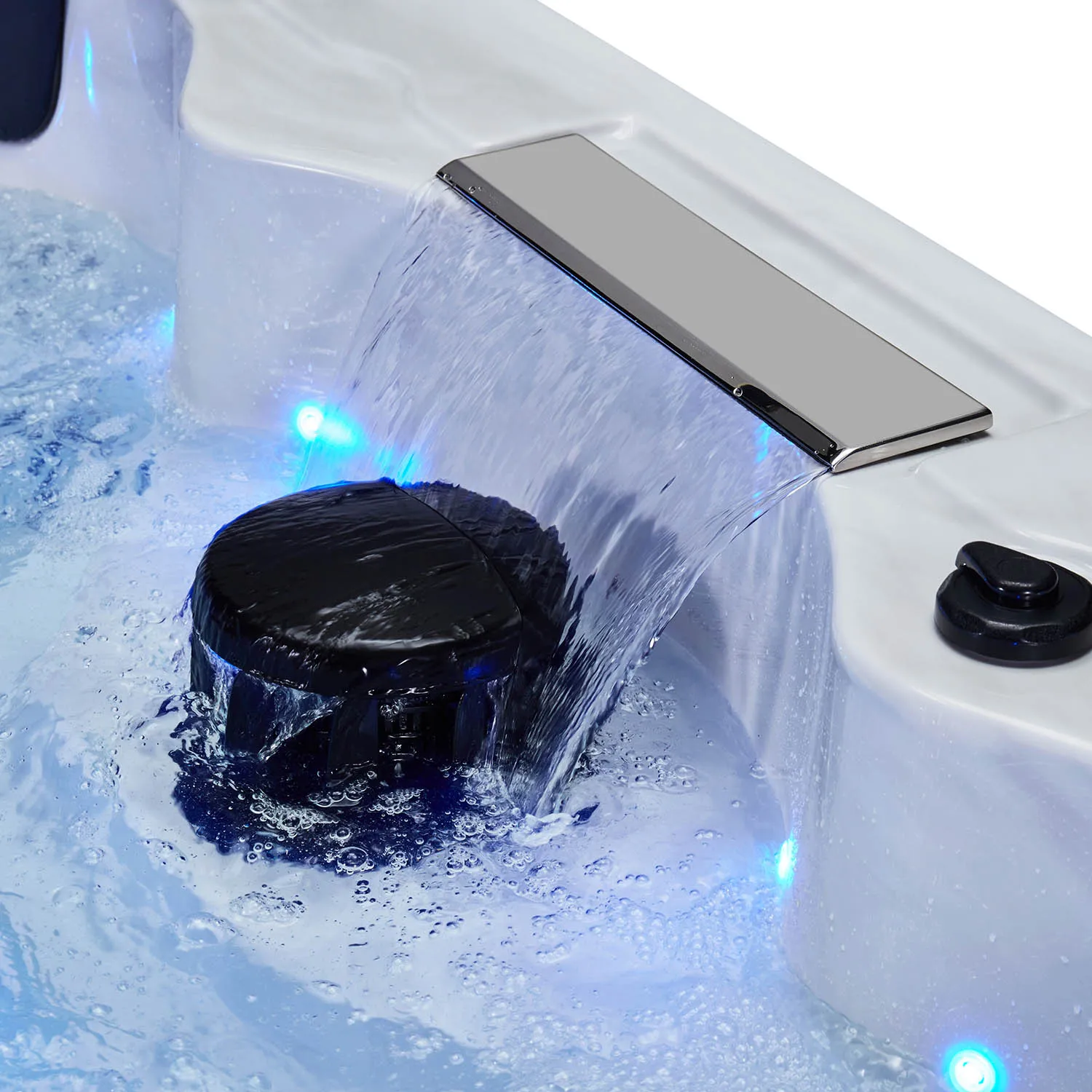
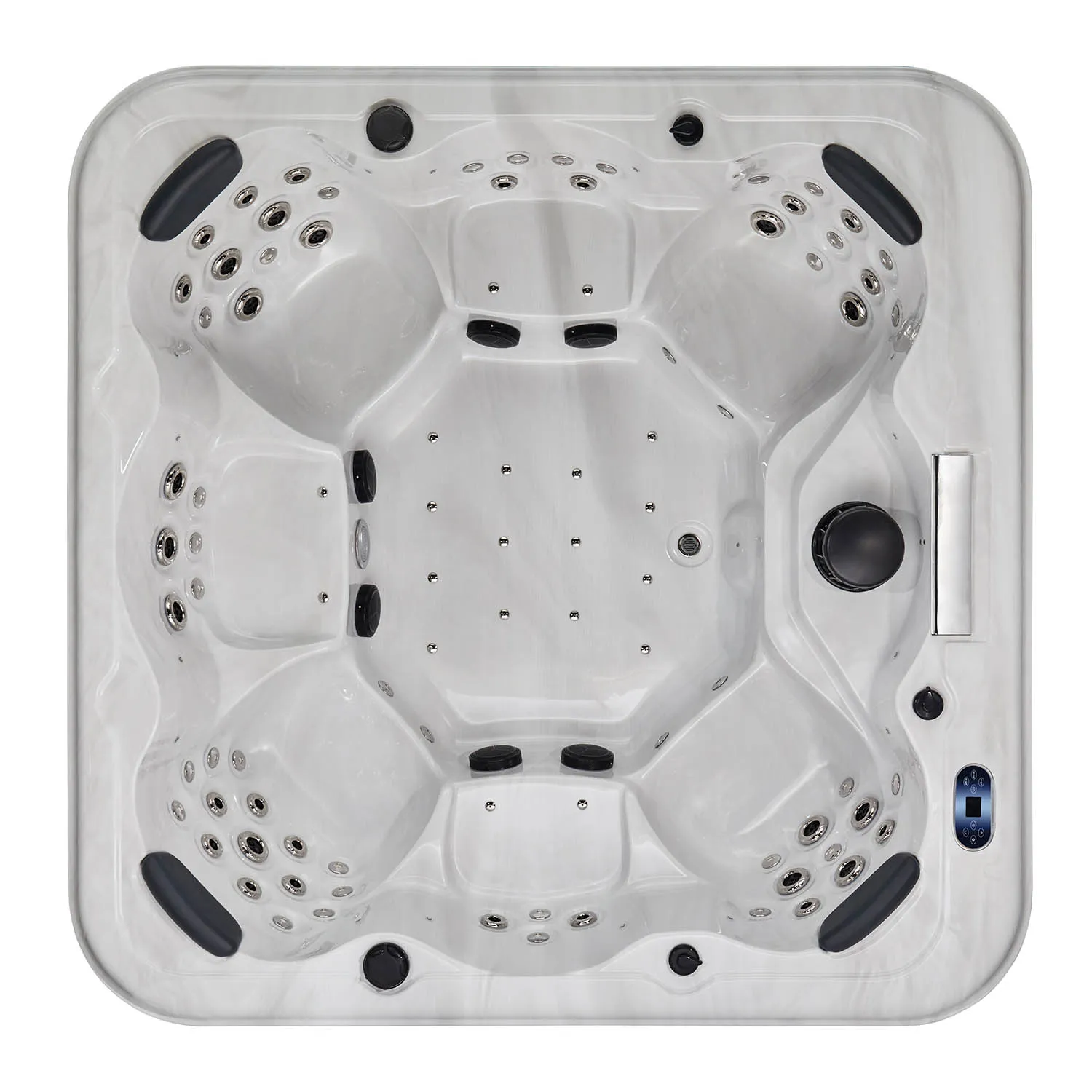
Many consumers assume that the loudest noise from an outdoor whirlpool spa tub comes from the water jets, but this is not entirely accurate. The noise level is actually determined by the entire power system—including massage pumps, circulation pumps, motors, air blower systems, piping design, and the unit's structural configuration—all of which collectively dictate the whirlpool spa hot tub's operating sound.
The pump system is the primary source of noise
The massage pump serves as the core power source for an outdoor spa hot tub, driving large volumes of water through the jets to provide a massage effect. Because they must operate at high speeds continuously, standard pumps are prone to generating noise from motor vibration, bearing friction, water flow impact, and mechanical resonance. If standard motors or impellers with low manufacturing precision are used, operating noise can exceed 60 decibels. In contrast, high-quality outdoor spa hot tubs typically utilize low-noise motors, precision-balanced impellers, and vibration-dampening mounting structures; these features ensure powerful massage performance while effectively minimizing operating noise. H3: The Circulation and Filtration System Cannot Be Overlooked
In addition to the massage pumps, the circulation and filtration system is a crucial component for the long-term operation of an outdoor spa hot tub. To maintain water cleanliness, the circulation pump typically runs automatically for several hours each day; while its individual power output may be low, the extended runtime means that inadequate noise-dampening design can result in a persistent, low-frequency humming sound. Many high-end outdoor spa hot tubs utilize independent circulation pumps and fully enclosed, sound-insulated structures, which not only improve filtration efficiency but also significantly reduce background noise.
Air Blower and Jet Design Also Affect Overall Noise Levels
Some outdoor whirlpool spa tubs feature air massage systems that use a blower to deliver air to the jets, mixing it with the water flow to create a gentler massage sensation. Poorly designed air ducts can easily lead to noticeable wind noise and whistling sounds caused by high-speed airflow. Furthermore, the internal flow path design of the jets influences the stability of the water stream; superior fluid dynamics minimize turbulence and reduce impact noise at the source, resulting in a more comfortable and natural massage experience.
Why Do Quiet Outdoor Hot Tubs Offer a Better User Experience?
Many consumers discover that experiencing a high-quality, quiet outdoor spa hot tub transforms the entire user experience—it offers far more than just a quieter environment for the ears. This shift stems from a combination of psychological, physiological, and environmental factors.
First, a quiet environment helps the body enter a state of relaxation more quickly. When immersed in warm water (approximately 38°C to 40°C), muscles relax, blood circulation accelerates, and the parasympathetic nervous system becomes dominant. Persistent, loud mechanical noise can keep the brain in a state of alertness, hindering complete relaxation. Conversely, a quiet outdoor whirlpool spa tub allows users to focus on the massage, the natural surroundings, and their breathing rhythm, truly achieving the relaxing benefits of a spa experience.
Second, quiet operation positively impacts sleep quality. Many households enjoy using their outdoor whirlpool spa tubs before bed; the warm water helps release physical tension, while a quiet environment further promotes melatonin secretion and improves sleep quality. Excessive equipment noise can diminish these relaxing effects. Furthermore, for commercial applications such as boutique guesthouses, resort hotels, and high-end villas, quiet operation is a key indicator of product quality. An outdoor whirlpool spa tub that runs smoothly and quietly helps create a premium, private, and comfortable atmosphere, thereby boosting customer satisfaction and repeat business.
How can one determine if an outdoor spa hot tub is truly quiet?
While many brands market their outdoor whirlpool spa tubs as having "silent" or quiet designs, consumers should evaluate them based on multiple factors rather than relying solely on promotional materials.
First, check whether the manufacturer provides authentic operating noise data. Generally, high-quality outdoor spa hot tubs keep operating noise around 45 decibels under standard testing conditions; noise levels exceeding 55 decibels become quite noticeable during nighttime use. However, it is important to consider the testing distance, operating mode, and environmental conditions, as different testing standards can lead to variations in the data.
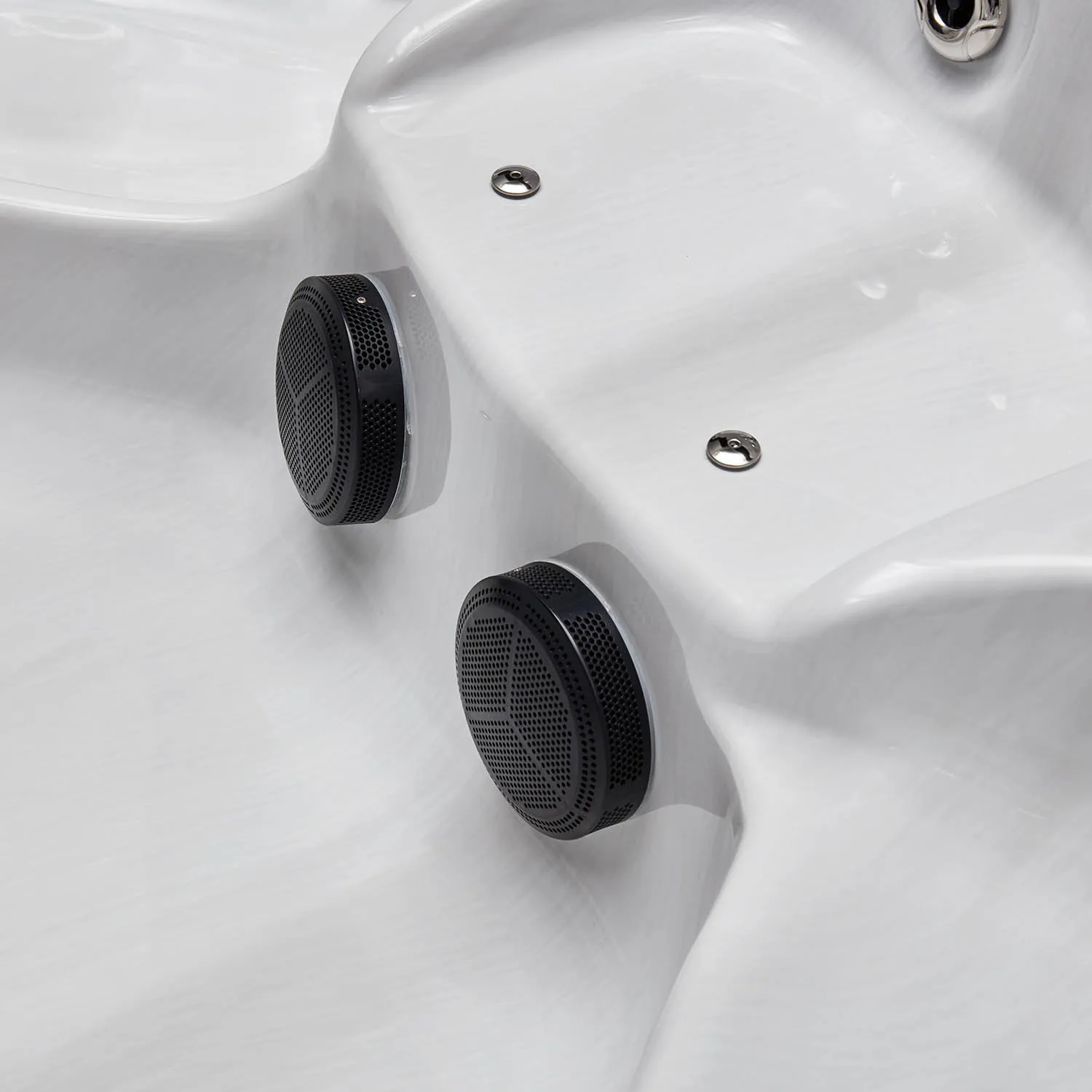
Second, focus on the configuration of core components. High-quality pumps, motors, and circulation systems usually come from established suppliers; they offer greater manufacturing precision, smoother operation, and a longer service life. Additionally, features such as high-density soundproofing materials, vibration-dampening bases, full-foam insulation layers, and independent equipment compartments directly influence the overall noise performance.
If possible, consumers should visit a showroom to experience the product firsthand, listening to the noise levels during standby, circulation/filtration, and massage modes. Real-world experience is often more valuable than relying on advertised specifications.
What technologies effectively reduce noise in outdoor spa hot tubs?
As the industry evolves, advanced technologies are increasingly being applied to the noise-reduction design of outdoor whirlpool spa tubs, allowing them to maintain powerful massage performance while significantly lowering overall operating noise.
Variable-frequency drive technology, for instance, has become a key trend in high-end outdoor whirlpool spa tubs. Unlike traditional fixed-speed motors, variable-frequency systems automatically adjust operating speeds based on actual needs. By running at lower speeds during filtration, temperature maintenance, and gentle massage modes, they reduce mechanical vibration and energy consumption, thereby lowering noise levels.
Brushless DC motors represent another new technology that has seen widespread adoption in recent years. By eliminating the traditional brush structure, friction is reduced and efficiency is increased; this results in smoother operation, noise levels typically 10% to 30% lower than standard AC motors, and a superior service life.
Additionally, the high-density polyurethane insulation layer not only provides excellent thermal retention but also absorbs some mechanical vibration and airborne noise. Meanwhile, a fully enclosed equipment compartment further blocks sound generated by the pump and motor, ensuring quieter overall operation. At the same time, an increasing number of manufacturers are using computational fluid dynamics (CFD) to optimize nozzle and piping designs; this ensures smoother water flow, reduces turbulence and impact noise, and delivers a more natural, gentle massage experience.
How do you choose the right quiet outdoor spa hot tub?
With the wide variety of outdoor spa hot tubs on the market, consumers should look beyond just the number of jets or the price tag and instead consider the long-term user experience. If the tub is to be installed near a bedroom, balcony, or a neighbor's home, quiet operation should be a key factor in your decision. For villa gardens, high-end guesthouses, and hotel projects, it is highly recommended to choose models featuring variable-frequency technology, independent circulation systems, and fully enclosed soundproofing designs; these features not only lower operating noise but also enhance equipment stability and energy efficiency.
You should also pay close attention to the product's overall thermal insulation performance, after-sales service, and the brand's technical expertise. Generally, brands with in-house R&D capabilities and mature manufacturing experience hold an advantage in terms of noise reduction design, structural optimization, and long-term durability. Although the initial investment for a quiet outdoor whirlpool spa tub may be slightly higher, the overall value—considering long-term operating costs, maintenance frequency, and the user experience—is usually superior.
FAQ
What noise level (in decibels) is considered quiet for an outdoor whirlpool spa tub?
Generally speaking, an outdoor whirlpool spa tub with an operating noise level between 40 and 45 decibels is considered to have excellent quiet performance—comparable to a quiet library or a soft conversation. A level of 45 to 50 decibels is considered good, whereas noise exceeding 55 decibels becomes noticeably audible in the quiet environment of the night.
Does having more jets on an outdoor whirlpool spa tub necessarily mean more noise?
Not necessarily. There is no absolute correlation between the number of jets and noise levels; the actual noise level is determined by factors such as pump quality, motor efficiency, jet design, plumbing layout, and the unit's vibration-dampening capabilities. A well-designed outdoor whirlpool spa tub can maintain low operating noise levels even when equipped with a large number of jets.
How can the operating noise of an outdoor spa hot tub be further reduced?
It is recommended to install the whirlpool spa hot tub on a level, stable foundation and to regularly clean the filtration system while checking the pump and vibration-dampening components for signs of aging. Additionally, prioritizing products that feature variable-frequency pumps, full-foam insulation, and a dedicated, sound-insulated equipment compartment can effectively lower operating noise and enhance the overall user experience.
Does a quiet outdoor spa hot tub necessarily mean weaker massage intensity?
No. Modern, high-end outdoor spa hot tubs utilize variable-frequency drives, high-efficiency pumps, and optimized jet designs to effectively reduce noise while maintaining powerful massage performance. Consequently, quiet operation and massage performance are not mutually exclusive; rather, quiet operation reflects the product's superior overall design and manufacturing quality.