
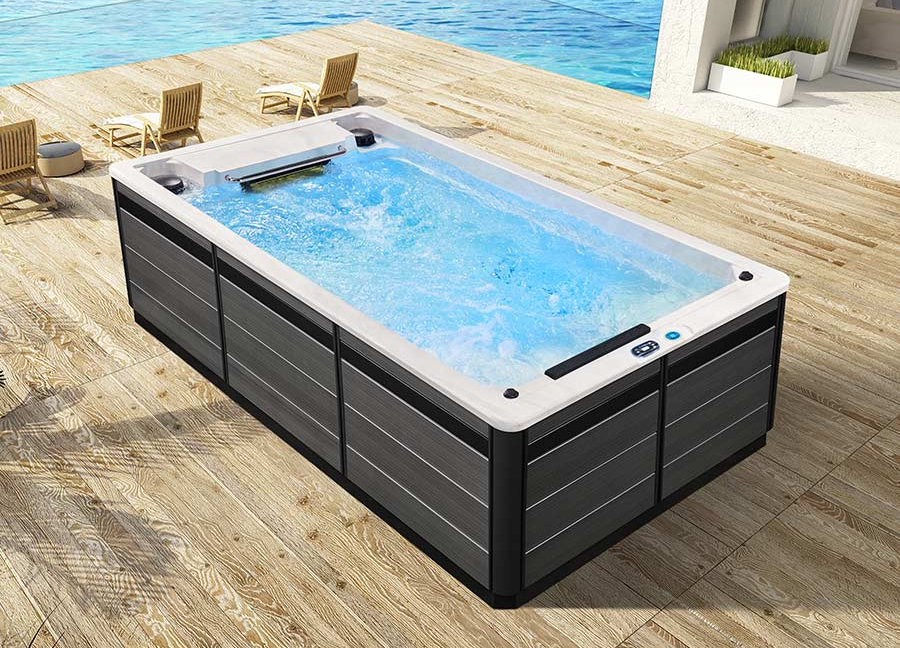
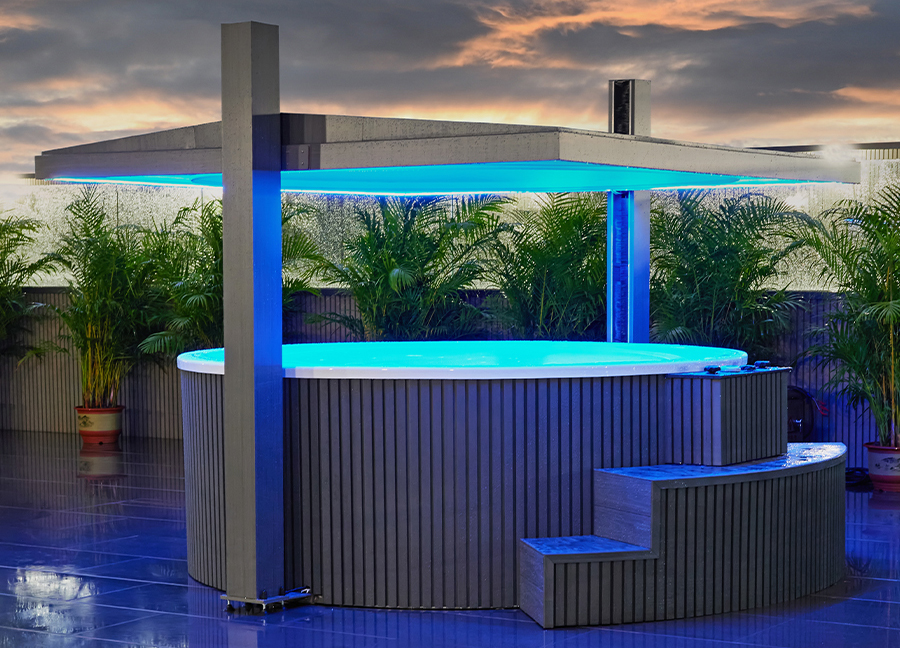
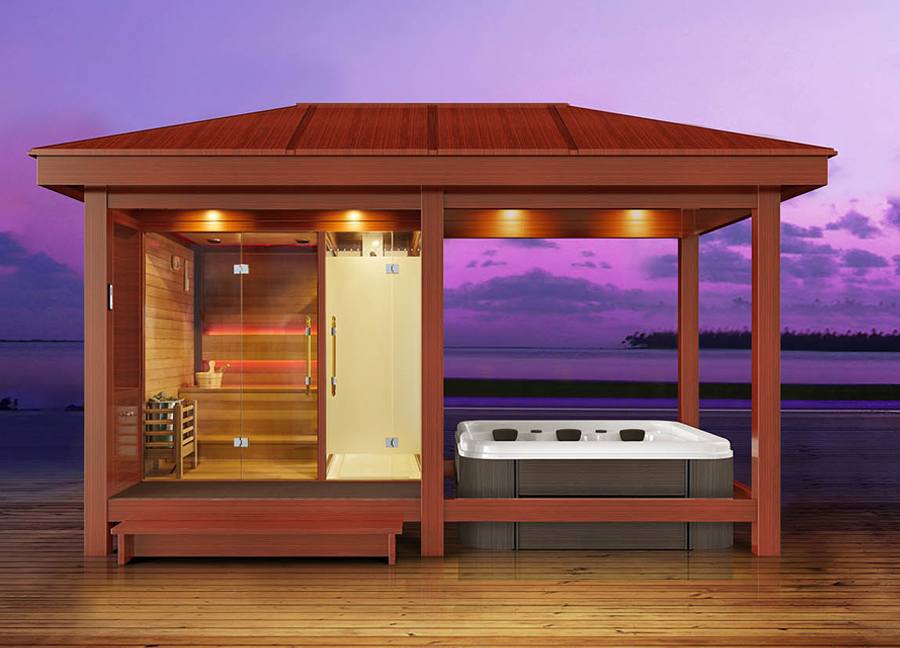


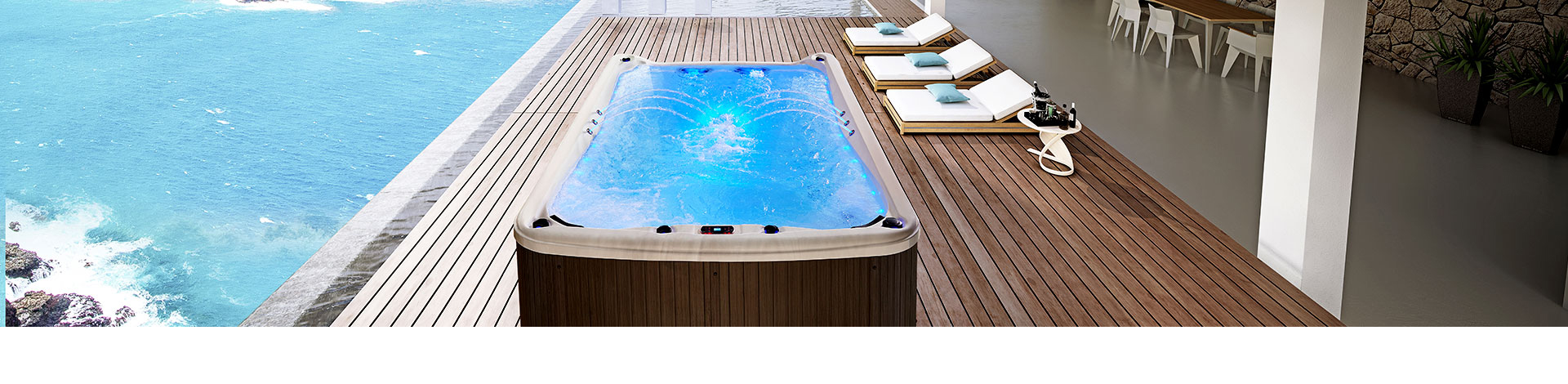
With the growing popularity of modern backyard living and home wellness trends, outdoor spa hot tubs have become a key feature for many households looking to enhance their quality of life. Whether it is relaxing amidst the steam on a cold winter night or soothing muscles with a hot water massage after a busy day, outdoor hot tubs offer a highly appealing experience. Particularly in villas, vacation rentals, resorts, and high-end residences, the outdoor spa hot tub has evolved from a mere luxury item into a lifestyle amenity that combines relaxation, socializing, and health management.
However, first-time users often notice a seemingly odd recommendation: most manufacturers, health organizations, and user manuals advise limiting soak times to between 15 and 30 minutes, cautioning against prolonged, continuous immersion. Some users find this confusing, dismissing it as merely a conservative recommendation from the manufacturer. After all, soaking in a warm outdoor whirlpool hot tub feels wonderful; if the body feels good, why not stay in a little longer? Why exactly are there time limits for using an outdoor whirlpool hot tub?
In reality, this is not merely a simple rule of use; it is a significant health consideration closely linked to human physiological regulation, core body temperature fluctuations, cardiovascular responses, fluid loss, and the risk of heat stress. Soaking in an outdoor spa hot tub for a short period can indeed offer numerous benefits—such as promoting blood circulation, relieving muscle tension, reducing mental stress, and improving sleep quality—but if the soak lasts too long, these initial benefits may gradually turn into health risks.
This article provides an in-depth analysis from medical, physiological, thermodynamic, and practical perspectives, explaining why time limits exist for outdoor whirlpool hot tubs and why you should avoid prolonged soaking.
Why is water temperature a critical factor for outdoor spa hot tubs?
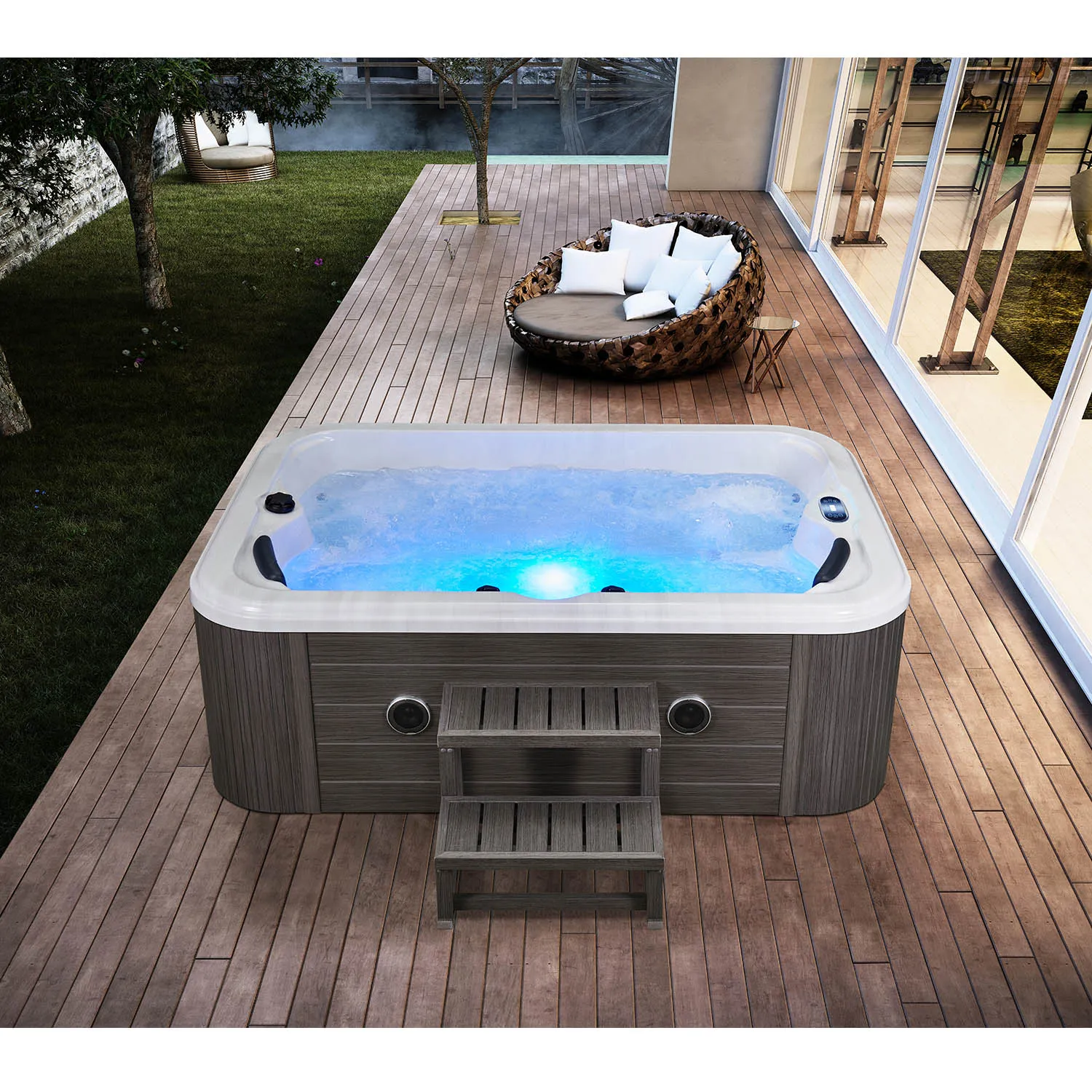
To understand why prolonged soaking in an outdoor spa hot tub is not recommended, one must first understand how water temperature affects the human body. Standard outdoor hot tubs are typically set between 37°C and 40°C, with most high-end models capping the maximum temperature at 40°C (104°F). This temperature range is not arbitrary; it is a balanced range determined by the human body's thermal tolerance. A normal human core body temperature is maintained at approximately 36.5°C to 37.2°C. The body constantly regulates its temperature through mechanisms such as sweating, heat dissipation via the skin, and vasodilation to maintain internal stability. Even when the ambient temperature is slightly higher than body temperature, the body can usually maintain equilibrium by dissipating heat. However, the situation differs in an outdoor hot tub compared to the open air. Air has low thermal conductivity, whereas water conducts heat about 20 to 25 times more efficiently. This means that when you soak in an outdoor whirlpool hot tub, heat is transferred to your body much more rapidly.
In other words, soaking in an outdoor spa hot tub at 39°C or 40°C causes your body to absorb heat far more quickly than sitting in a room at the same temperature. Initially, you may feel comfortable and relaxed; however, over time, the hot water environment overwhelms the body's ability to dissipate heat, causing the core body temperature to rise steadily.
Studies show that continuous immersion in 40°C water for 20 to 30 minutes can raise core body temperature by 0.5°C to 1.5°C. While this may seem like a small change, it places a significant strain on the body's thermoregulatory system.
Why do outdoor spa hot tubs cause a continuous rise in core body temperature?
Many people believe that if they do not feel "too hot," their body is fine. However, the body's thermal load is not determined solely by subjective sensation. The defining characteristic of an outdoor whirlpool hot tub is the "continuous heat input" it provides.
During a standard bath, people frequently shift their posture, exposing parts of their bodies to the air, and the water is constantly circulating or being refreshed. In contrast, in an outdoor whirlpool hot tub, the majority of the body remains submerged in water at a constant temperature for an extended period; the area below the chest, in particular, absorbs heat almost continuously. This steady, ongoing heat input gradually disrupts the body's heat balance.
To cool down, the body initiates a series of physiological responses:
•Dilation of skin blood vessels (vasodilation)
•Increased heart rate
•Increased sweating
•Increased peripheral blood flow
These mechanisms are essentially attempts to dissipate heat. However, in an outdoor spa hot tub, because the body is surrounded by hot water, the efficiency of heat dissipation from the skin is drastically reduced. Simply put, your body is working hard to cool down, but the environment doesn't allow enough space for heat to dissipate.
This causes your core body temperature to rise gradually. Once it exceeds 38.5°C, the body enters a state of mild heat stress; above 39°C, some people may experience significant discomfort.
This is why soaking in an outdoor whirlpool hot tub for extended periods is unsafe.
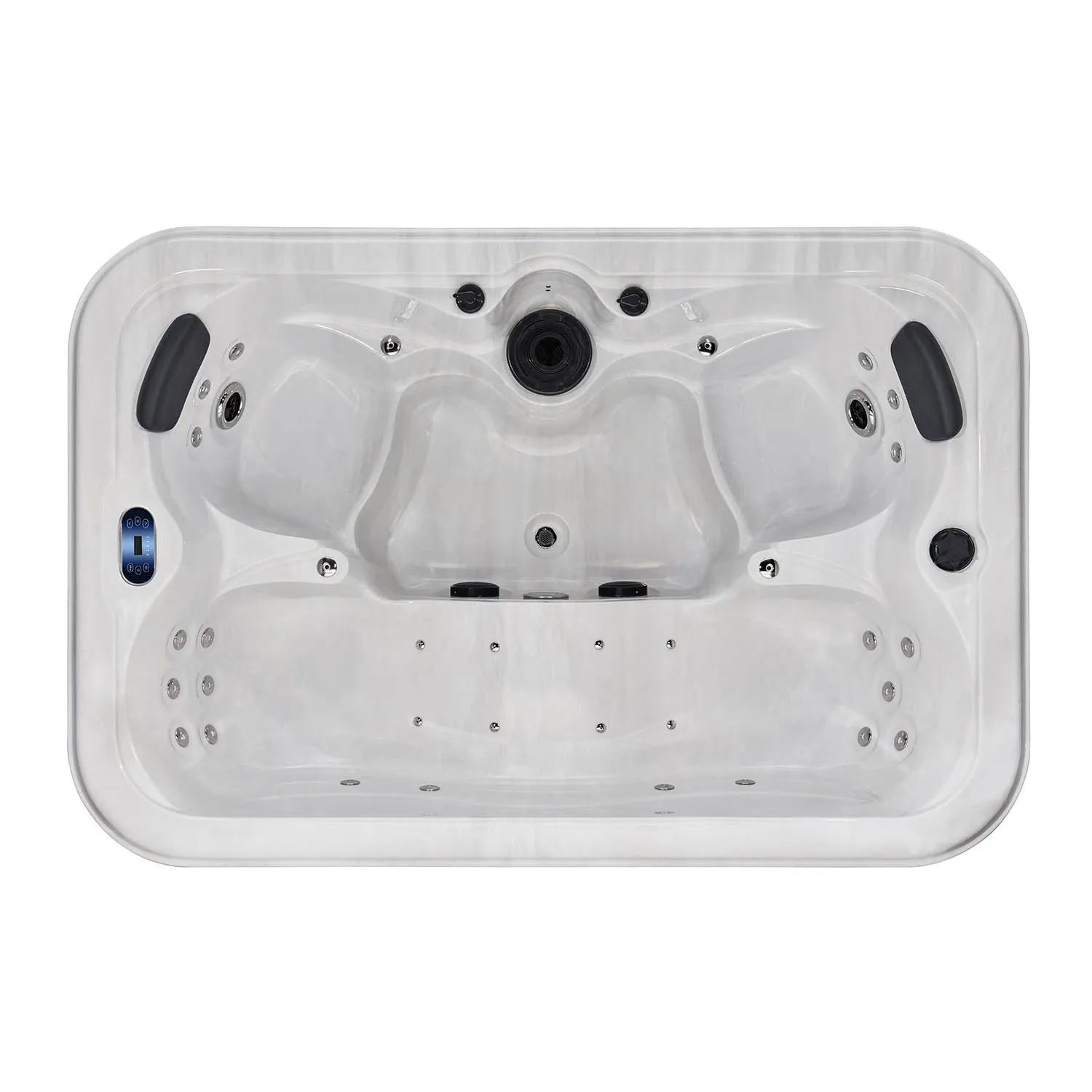
Why does soaking in an outdoor hot tub for too long cause dizziness?
Dizziness is one of the most common forms of discomfort associated with prolonged use of outdoor whirlpool hot tubs.
The primary cause is a change in blood pressure resulting from vasodilation (widening of blood vessels). Hot water causes blood vessels in the skin and limbs to dilate, increasing the surface area available for heat dissipation. While this helps cool the body, it has a side effect: a large volume of blood is redistributed from the core circulatory system to the periphery.
Data shows that skin blood flow can increase two- to five-fold when soaking in hot water. As more blood flows to the skin's surface, some people may experience:
•A drop in blood pressure
•A temporary reduction in blood supply to the brain
•Dizziness upon standing
•Blacking out or seeing spots when rising
This risk is particularly pronounced when exiting the spa hot tub. Transitioning from a seated to a standing position affects blood pressure regulation, and the vasodilation caused by the hot water amplifies this effect.
This explains why many people feel lightheaded or unsteady the moment they step out of the spa hot tub.
Why does prolonged soaking in an outdoor hot tub lead to dehydration?
This is an issue many users underestimate.
Many people think, "I'm completely submerged in water, so how could I get dehydrated?" In reality, dehydration is not directly related to being immersed in water, but rather to the rate at which the body loses fluid.
When soaking in an outdoor spa hot tub, your body sweats continuously to dissipate heat. Even if you don't feel the sweat, the process is still occurring, as the perspiration is immediately washed away by the surrounding hot water.
In an outdoor whirlpool hot tub environment with temperatures between 38°C and 40°C, the body can lose:
0.3 to 1 liter of fluid per hour
The exact amount depends on:
•Water temperature
•Duration of the soak
•Body size
•Metabolic rate
•Ambient humidity
Dehydration can occur even faster if alcohol is consumed. Even mild dehydration can lead to:
•Thirst
•Fatigue
•Increased heart rate
•Reduced concentration
•Headaches
The risk of dehydration accumulates the longer a user stays in an outdoor spa hot tub.
Why does spending a long time in an outdoor spa hot tub increase the strain on the heart?
Many people view outdoor whirlpool hot tubs solely as a means of relaxation, but physiologically, they actually place the cardiovascular system in a unique state.
Immersion in hot water causes the heart rate to rise. Studies show that after 15 minutes of soaking in water above 39°C, the average heart rate can increase by:
20% to 35%
For example, a person with a resting heart rate of 70 beats per minute might see it rise to 85–100 beats per minute while in the spa hot tub.
This occurs because the heart must work harder to maintain:
•Increased blood flow to the skin
•A stable core body temperature
•Blood pressure balance
For healthy adults, these changes are usually well-tolerated and may even provide circulatory stimulation similar to light aerobic exercise. However, the risk may be higher for:
•People with high blood pressure
•People with heart disease
•People with heart rhythm disorders
•People with coronary artery disease
•The elderly
Therefore, individuals in these groups need to be particularly careful about limiting the duration of their time in the whirlpool hot tub.
Why is using an outdoor whirlpool hot tub after drinking alcohol particularly dangerous?
This is a point that must be emphasized.
Many people enjoy drinking alcohol while in an outdoor spa hot tub, viewing it as a relaxing treat. In reality, however, combining alcohol with hot water creates a compounded risk.
Alcohol causes:
•Blood vessel dilation (widening)
•Impaired judgment
•Slower reaction times
•Accelerated dehydration
Outdoor whirlpool hot tubs also cause:
•Blood vessel dilation
•Dehydration
•A risk of dizziness
When combined, these risks increase significantly.
Data shows that the likelihood of falling, fainting, or losing one's balance after drinking can increase two- to four-fold. In extreme cases, if a user falls asleep or loses consciousness while in the whirlpool hot tub, the consequences can be severe.
Consequently, most safety guidelines advise against prolonged use of an outdoor whirlpool hot tub after consuming alcohol.
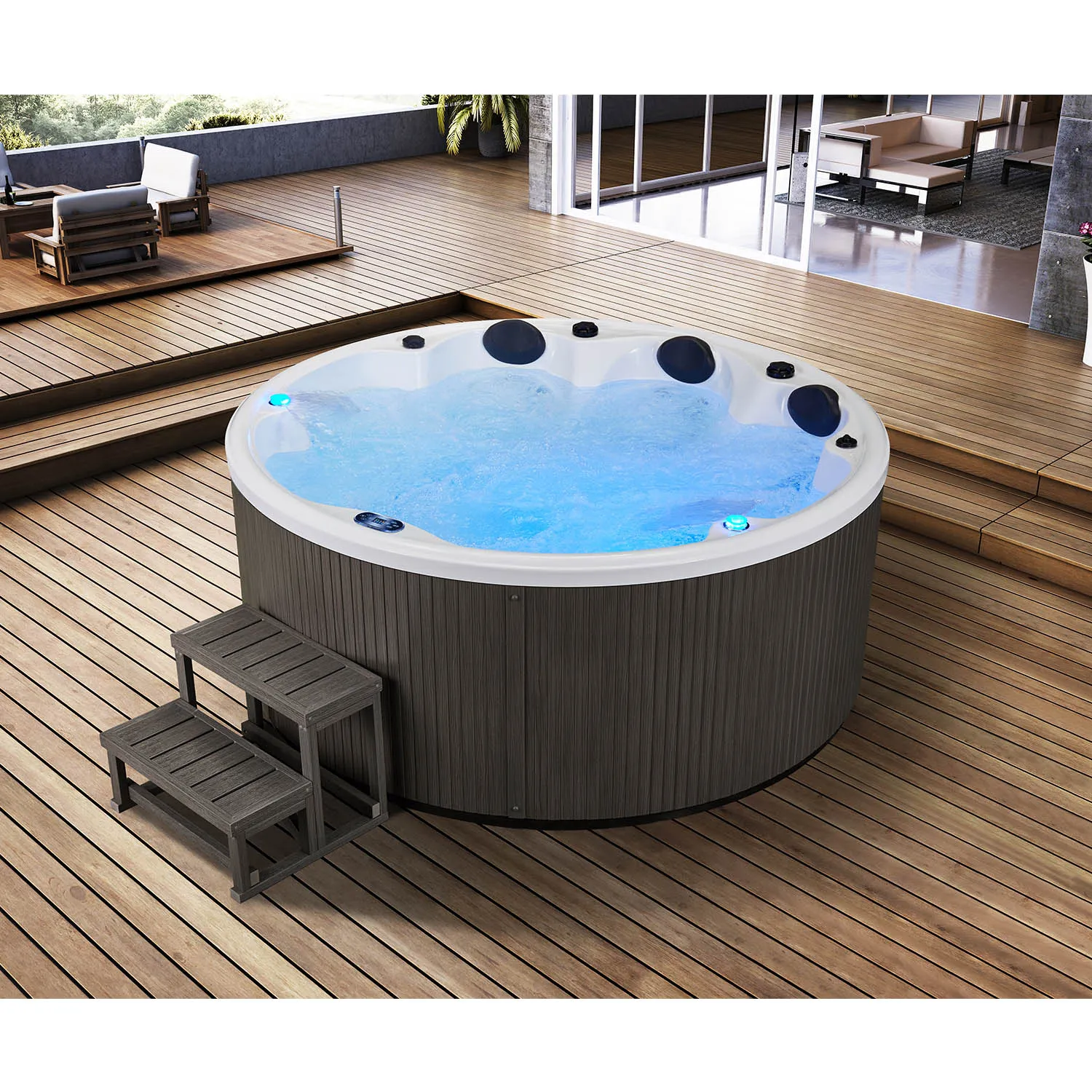
Why do recommended time limits for outdoor hot tub use vary among different groups of people?
Not everyone is suited to the same soaking duration.
For healthy adults, if the outdoor whirlpool hot tub temperature is between 37°C and 38°C, it is generally safe to soak for:
20 to 30 minutes
If the water temperature approaches 40°C, it is recommended to limit the time to:
15 to 20 minutes
The following groups should limit their time in the whirlpool hot tub:
Older adults: 10–15 minutes
Children: 5–15 minutes
People with cardiovascular disease: Follow medical advice
Pregnant women: Generally advised to avoid prolonged soaking in high temperatures
Pregnant women, in particular, should be cautious, as high temperatures can cause core body temperature to rise excessively. Medical studies indicate that sustained high temperatures during early pregnancy may increase certain risks; therefore, many doctors advise against using high-temperature outdoor spa hot tubs.
Why does feeling comfortable not necessarily mean it is safe?
This is a common misconception.
The comfort of an outdoor spa hot tub can mask potential risks. Hot water promotes:
•Muscle relaxation
•Nerve soothing
•Reduced stress
•Increased drowsiness
Consequently, users may not immediately notice the onset of mild dehydration or heat stress.
Many people experience a progression like this:
Start: Very comfortable
After 15 minutes: More relaxed
After 25 minutes: A bit drowsy
After 35 minutes: Reluctant to move
After 40 minutes: Dizziness
The problem is that risks often begin to accumulate during the stage where you simply "don't want to get up."
Therefore, you cannot rely solely on subjective comfort to judge safety.
How can you use an outdoor whirlpool hot tub safely?
Using an outdoor whirlpool hot tub safely isn't complicated; the key is establishing the right habits.
First, control the water temperature. For most adults, the recommended range is:
37°C to 39°C
Second, set a time reminder. Don't rely entirely on how you feel; using a timer is best.
Third, hydrate before and after use. Drink a glass of water before entering the spa hot tub and rehydrate afterwards.
Fourth, avoid soaking on an empty stomach or immediately after a heavy meal.
Fifth, avoid alcohol consumption.
Sixth, move slowly when exiting the spa hot tub; sit steadily before standing up.
These steps may seem simple, but they can significantly reduce risk.
Why do outdoor spa hot tub manufacturers provide recommended usage times?
Many users assume that the time recommendations in the manual are merely legal disclaimers. In reality, this is not the case.
After collecting user data over a long period, manufacturers found that most adverse incidents related to outdoor whirlpool hot tubs were linked to the following factors:
•Excessive water temperature
•Prolonged usage
•Dehydration
•Alcohol consumption
•Underlying medical conditions
Therefore, these time limits are essentially based on research regarding human heat tolerance.
The goal is not to limit your enjoyment, but to ensure that using an outdoor spa hot tub remains a positive experience rather than a health risk.
FAQ
What is the ideal duration for a soak in an outdoor whirlpool hot tub?
For most healthy adults, a duration of 15 to 30 minutes is recommended.
Can I soak longer if the water temperature is lower?
Generally, yes. A temperature of 37°C typically allows for a longer soak than 40°C.
Is it okay to use an outdoor whirlpool hot tub every day?
Most healthy adults can do so, provided they manage the duration and water temperature appropriately.
Is it normal to sweat while soaking in an outdoor spa hot tub?
Yes, it is normal; it indicates that your body is dissipating heat, though it also means you are losing fluids.
Why do I feel sleepy after using an outdoor spa hot tub?
Hot water relaxes the nervous system and stimulates parasympathetic nervous activity, which can induce feelings of drowsiness.