



When using spa equipment, many users share a common question: During the heating process of a whirlpool spa hot tub, does activating the "Jets" function cause the water to heat up more quickly?
While this question may seem simple, it actually involves multiple factors, including water circulation, heat distribution, heater efficiency, and system operational logic. Gaining a scientific understanding of how the jets affect heating speed can help you use your home or outdoor spa hot tub more efficiently and in a more energy-conscious manner.
To help users correctly understand the relationship between the jet system and heating speed, this article will provide a professional, in-depth analysis covering the role of the jets, the principles behind water temperature changes, the structural characteristics of the heater, differences in operational modes, and proper operating procedures.
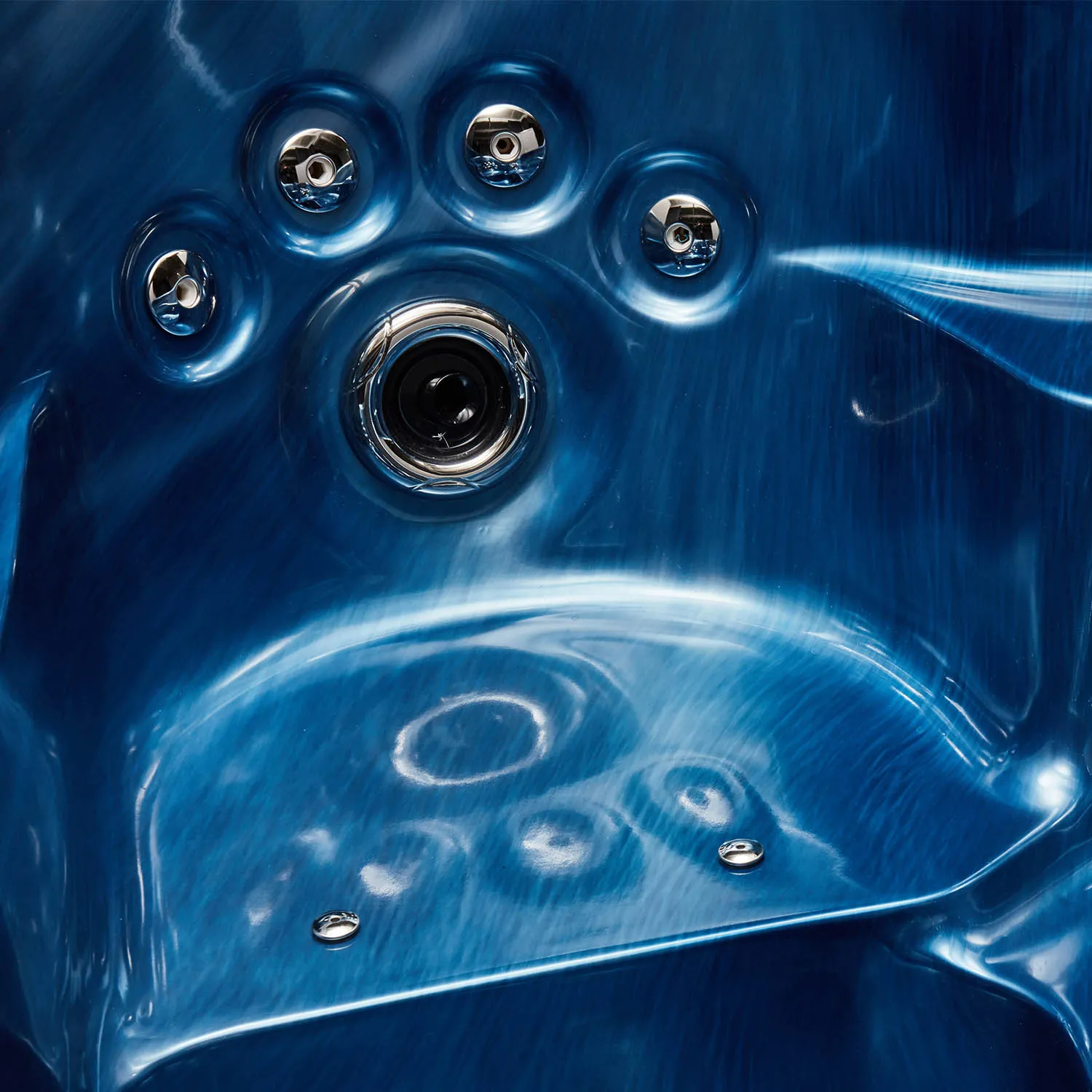
Does Turning on the Jets Really Make a Spa Hot Tub Heat Up Faster?
To answer this question, we must first state clearly: Yes, activating the jets does indeed help a whirlpool spa hot tub heat up faster.
The reasons primarily stem from the following three aspects:
1. The Jets Function Promotes Rapid Water Circulation
The jets in a whirlpool spa hot tub propel the water, accelerating its flow throughout the interior of the tub. When the water body is actively circulating, the heater can process the incoming water more uniformly, thereby increasing the overall heating speed.
2. The Jets Function Effectively Eliminates "Cold Spots" in the Water
If the jets are not used, the heated water tends to concentrate in the area immediately surrounding the heater's output, while the stagnant water in areas further away from the plumbing remains cooler.
Once the jets are activated, the entire body of water is continuously agitated; heat diffuses rapidly, resulting in a more uniform temperature throughout the tub.
3. Uniform Heat Distribution Allows the Heater to Operate More Efficiently
When the temperature differential within the whirlpool spa hot tub is reduced, the heater can raise the overall temperature more steadily, rather than repeatedly reheating only a small volume of water.
Consequently, the jets effectively boost thermal efficiency, thereby accelerating the heating process.
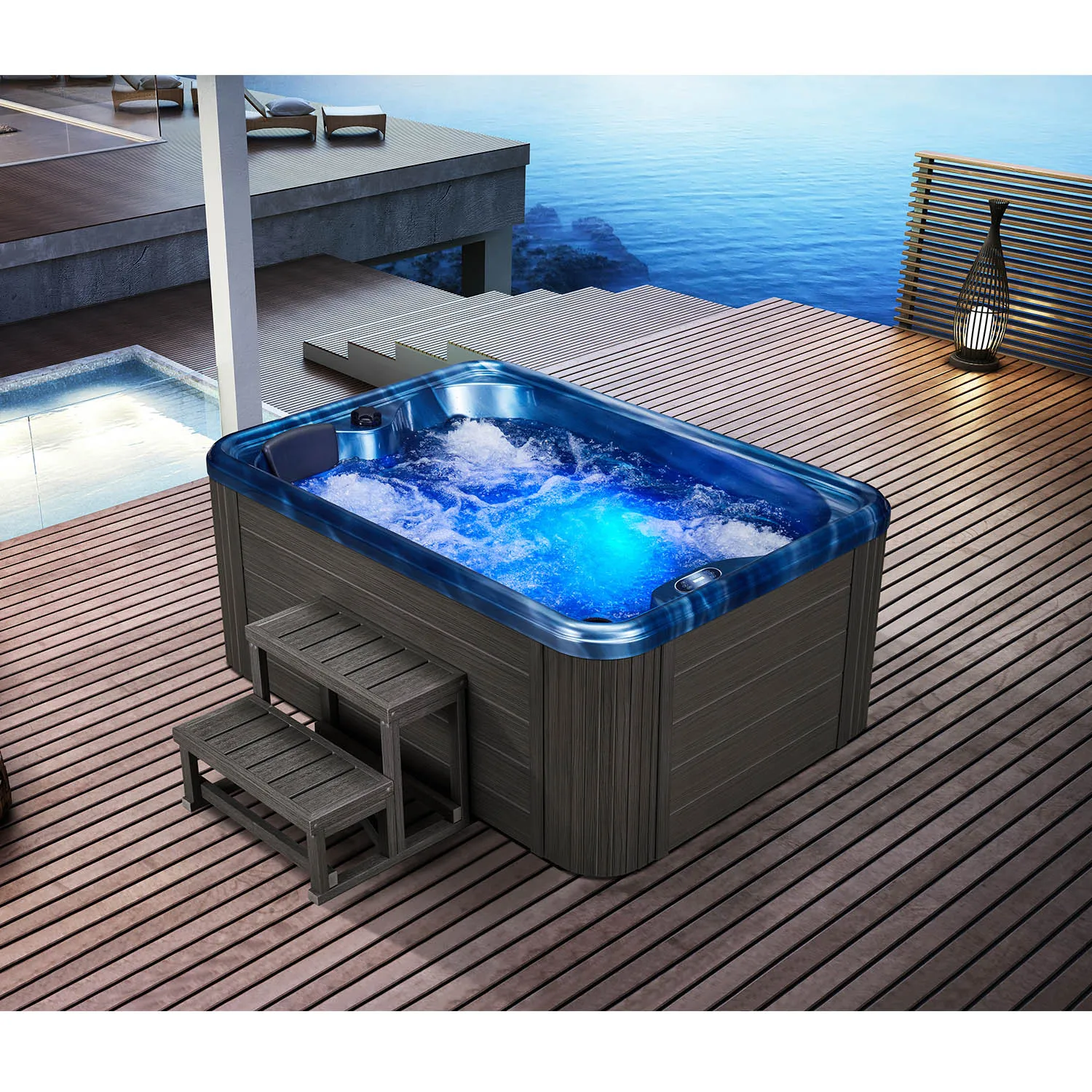
How Do the Jets in a Spa Hot Tub Affect Heating Efficiency?
To gain a deeper understanding of the relationship between the jets and heating speed, we must examine the underlying structure and operational mechanisms.
1. How Do the Jets Propel the Water?
The jet system in a whirlpool spa hot tub is driven by a pump that draws water from inside the tub and expels it through nozzles in a powerful stream.
This circulation method produces the following effects:
•Increased water agitation
•Elimination of thermal stratification (temperature layering)
•Rapid dispersion of heat
2. Does the jet function rely on the main circulation pump?
Most whirlpool spa hot tubs feature two types of pumps:
•A circulation pump (low-speed)
•A jet pump (high-speed)
The jet pump is typically more powerful, capable of significantly increasing the water flow rate and, consequently, generating stronger agitation.
3. How does high-speed water flow alter the heating environment?
The faster the water flows, the greater the volume of water that passes through the heating element within a given timeframe.
This translates to:
•A higher volume of water being processed by the heater
•An accelerated overall heating rate
•More uniform distribution of thermal energy
Therefore, the jet function inherently enhances thermal efficiency.
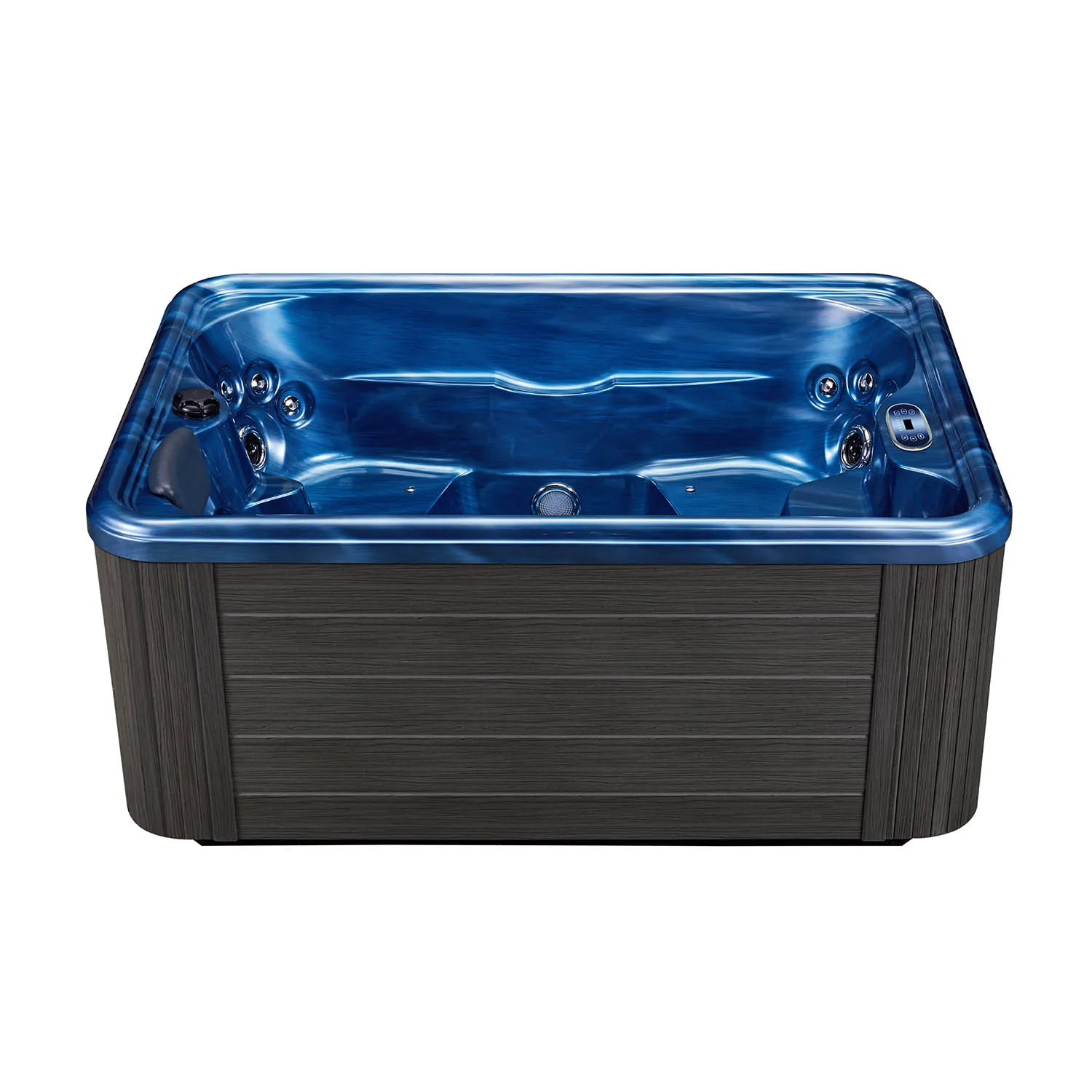
What issues arise if the jet function is not activated in a spa hot tub?
While it is still possible to heat the water without using the jet function, the process becomes significantly less efficient.
1. Uneven water temperatures, leading to unstable heating
If the water inside the whirlpool spa hot tub remains largely stagnant, the following conditions may occur:
•The upper layers of water become warmer
•The lower sections or areas near the walls remain cooler
•Specific localized zones heat up more slowly
2. Frequent cycling (starting and stopping) of the heater
Temperature sensors may detect localized pockets of hot water, causing the heater to shut down prematurely—even though the water temperature in other parts of the tub has not yet risen.
This cyclical pattern reduces heating efficiency.
3. Significantly prolonged heating times
Without the water flow to facilitate heat dispersion, the entire system requires a much longer period to heat the water from a cold state to the desired target temperature.
Does activating the jet function increase the spa hot tub's energy consumption?
This is a common concern among users. While striving for faster heating speeds, energy consumption must also be taken into account.
1. The jet pump consumes electrical energy
Yes, the jet pump itself requires a certain amount of electricity to operate; its power consumption is typically higher than that of the circulation pump.
2. However, since the overall heating time is reduced, energy consumption may actually be lower.
The reasons are:
•The jet pump accelerates the equalization of water temperature.
•The heater can operate more efficiently.
•The time required to reach the target temperature is reduced.
Therefore, in most cases—even though the jet pump itself consumes electricity—the total energy consumption may actually be lower.
3. Is it necessary to keep the jet function running for the entire heating cycle?
No, it is not. We recommend:
•Activating the jet function during the initial stages of heating.
•Turning off the jets once the water temperature approaches the target setting.
This allows you to accelerate the heating process while keeping energy consumption in check.
Can the jet function enable the spa hot tub to reach a higher maximum temperature?
The jet function can accelerate the heating process, but it does not alter the maximum temperature limit set by the heater.
In other words:
1. The maximum temperature is ultimately determined by the whirlpool spa hot tub's control system.
Most whirlpool spa hot tubs have a maximum temperature limit of around 40°C.
2. The jet function helps your tub reach the set temperature more quickly.
However, it cannot raise the temperature beyond the system's established limits.
3. The jet function affects the speed of heating, not the final temperature.
It simply allows you to enter a comfortable spa state sooner.
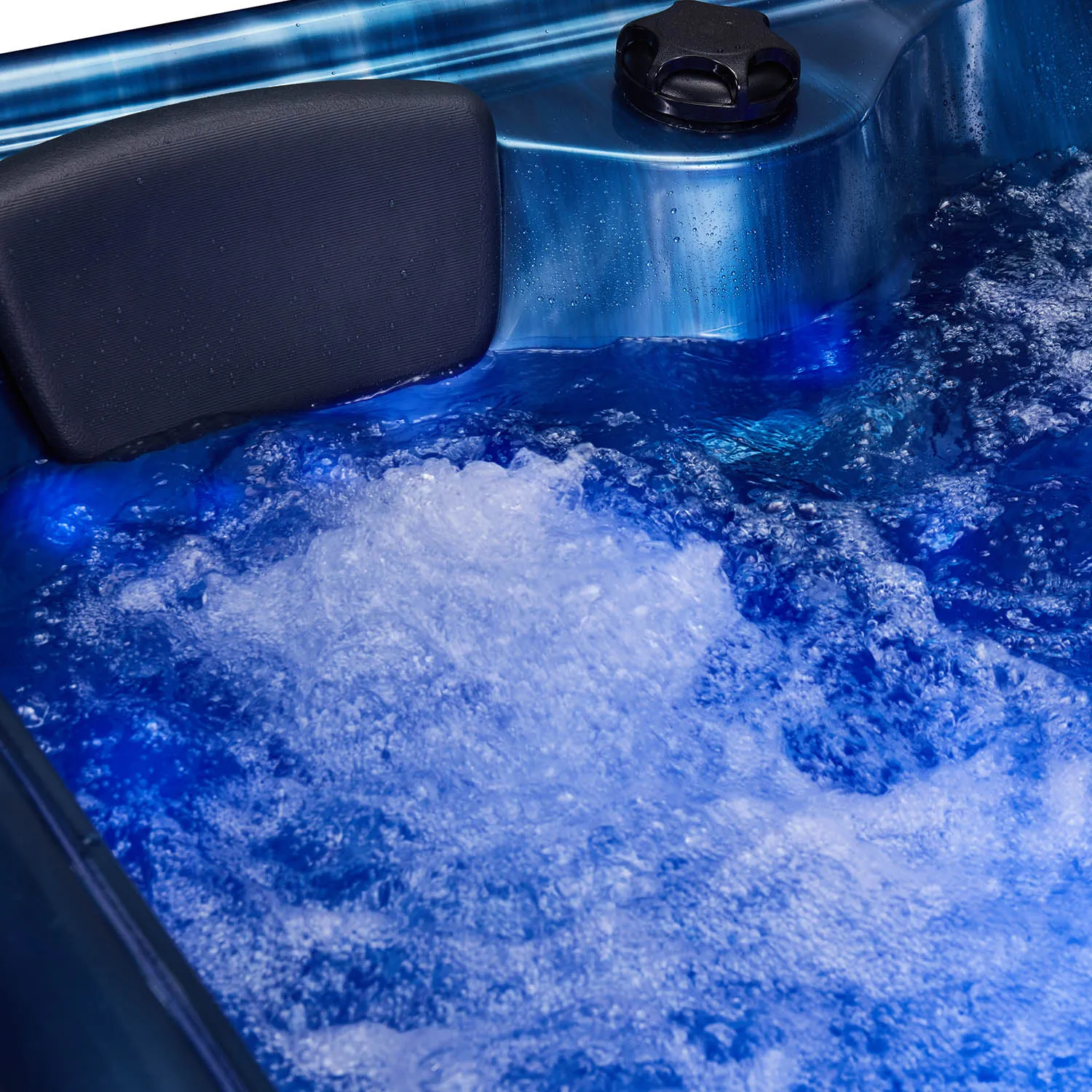
Are there any risks associated with using the jet function to heat a spa hot tub?
When used correctly, it is safe; however, improper operation may present a few potential risks.
1. The jet function should not be activated when the water level is too low.
A low water level can cause the pump to draw in air, resulting in:
•Increased pump noise.
•Unstable water flow.
•Pump overheating and potential damage.
2. The jet system should not be activated if the heater is not submerged in water.
If the jet system is turned on before the hot tub is sufficiently filled with water, the pump may run dry (run without water).
3. Prolonged operation at high power settings may place excessive strain on the pump.
We recommend turning off the jets periodically to help extend the lifespan of the equipment.
Will all types of spa hot tubs heat up faster when the jet function is activated?
Generally speaking, yes; however, this may still depend on the specific structural configuration of the hot tub.
1. Single-Pump vs. Dual-Pump Systems
•Single-Pump System: The jet function and water circulation share a single pump; while effective, its power is limited.
•Dual-Pump System: Features independent pumps for the jets and circulation, resulting in higher heating efficiency.
2. Jet Quantity and Layout Affect Performance
The greater the number of jets—and the more evenly they are distributed—the better the heat distribution throughout the hot tub.
3. The Larger the Bathtub Capacity, the More Essential the Jet Function Becomes
In large-capacity bathtubs, heating efficiency is lower when the water is static; therefore, the jets are crucial for facilitating water circulation.
What are the best practices for using the jet function to heat a spa hot tub?
To maximize heating efficiency, consider the following recommendations:
1. Activate the jets during the first 10–20 minutes of the heating cycle.
This is the most critical phase, as it rapidly agitates the cold water.
2. Turn off the jets once the water temperature approaches the target level.
This helps reduce noise and conserve energy.
3. Keep the filters clean.
Clogged filters restrict water flow, thereby diminishing the effectiveness of the jets.
4. Ensure the water level remains above the jets.
This prevents air from being drawn into the system.
Does Yuehua offer long-term partnership opportunities for spa brands?
Yes, Yuehua places great value on long-term partnerships with international spa brands, wholesalers, and distributors. We currently support over 20 long-term OEM partners worldwide. Our company is committed to maintaining stable product quality, ensuring consistent delivery, and providing professional service.
By choosing Yuehua as their manufacturer and supplier, brands can establish sustainable supply chains and confidently source outdoor spa and sauna products from China.