
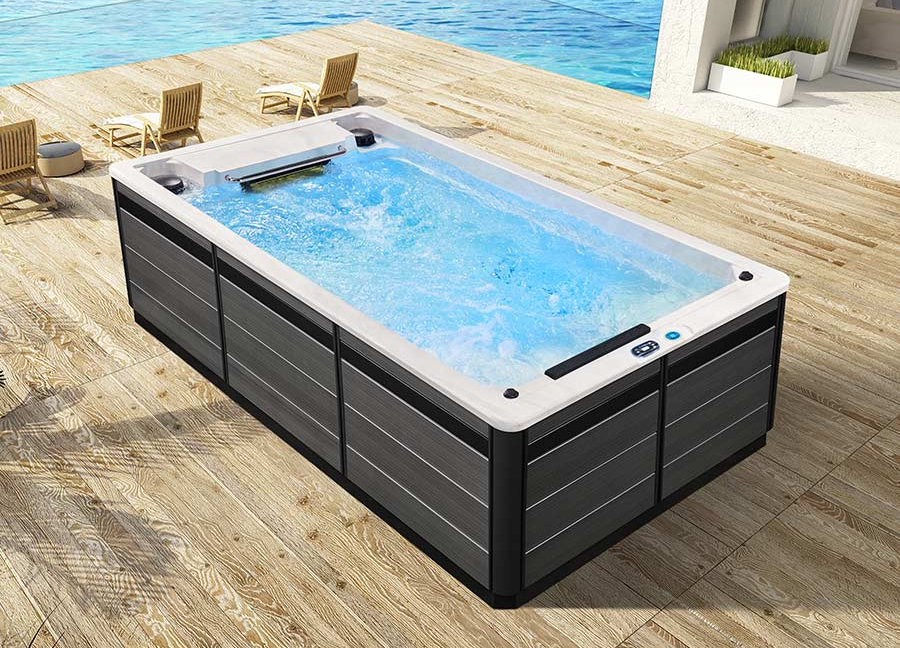
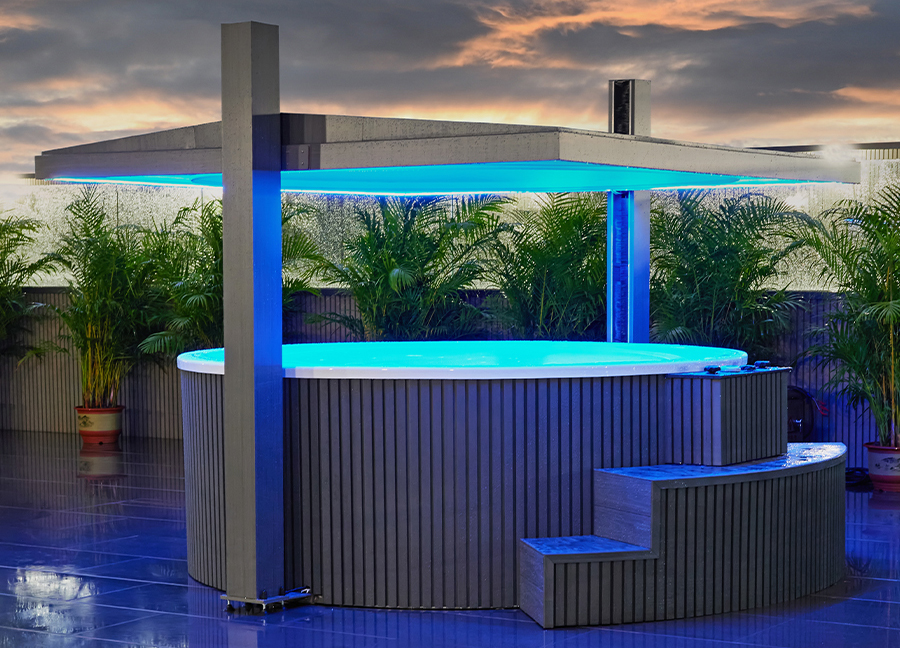
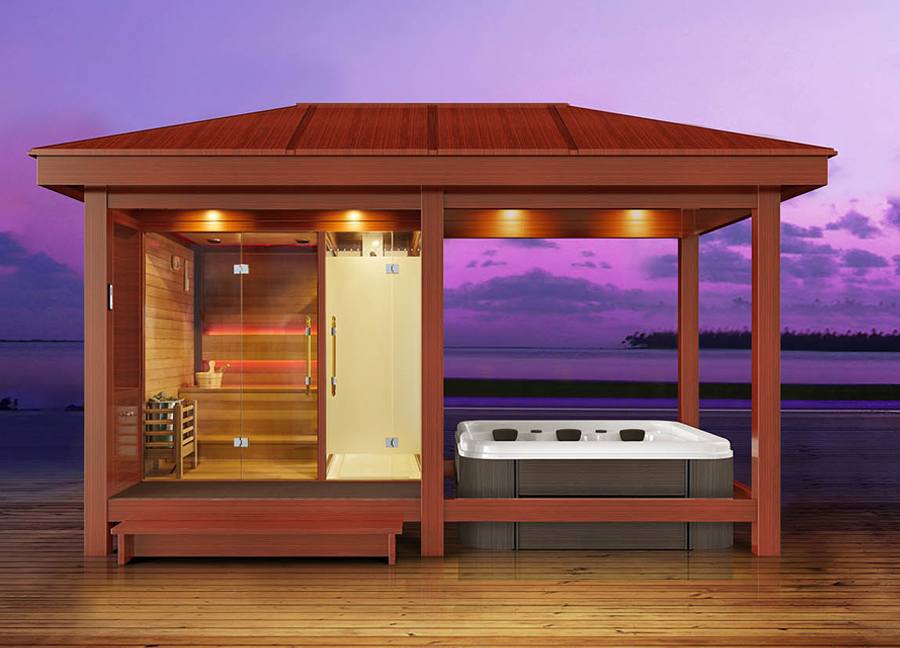


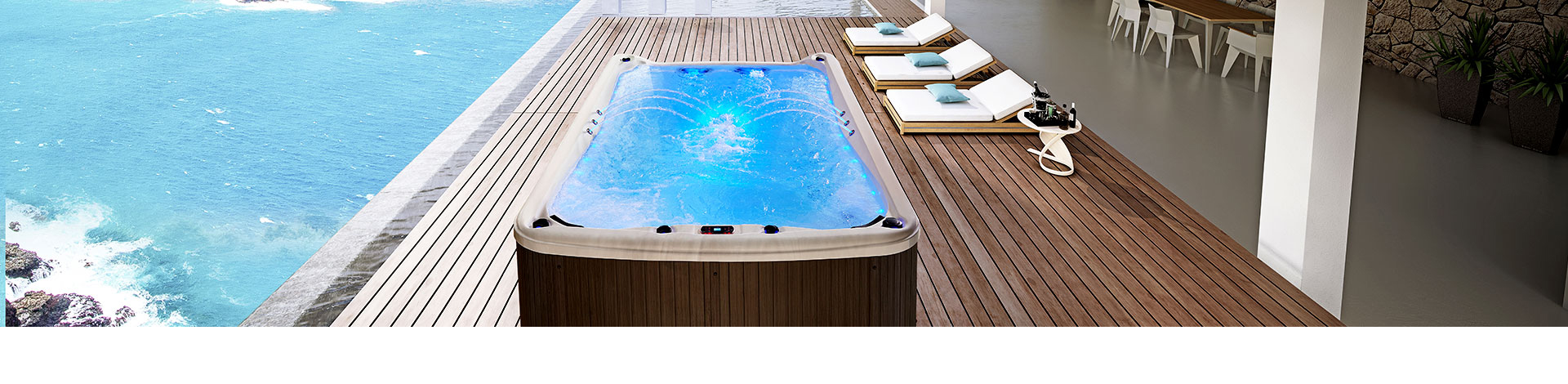
With the increasing emphasis on modern home health, spa jacuzzi tubs are becoming a common feature in high-end residences and private spa spaces. However, one of the most frequently asked questions when purchasing a spa jacuzzi tub is: How deep is it?
Generally, the standard depth of a spa jacuzzi tub is approximately 90 cm.
This depth is not only a universally accepted design range in the industry but also the result of years of practical experience and ergonomic research.
But why is 90 cm the standard depth? How does this depth affect the user experience? Are the depths the same for different types of spa jacuzzi tubs? How does depth affect comfort, safety, and power design?
This article will analyze this from multiple perspectives to provide you with a comprehensive understanding, giving you more direction when choosing a spa jacuzzi tub.
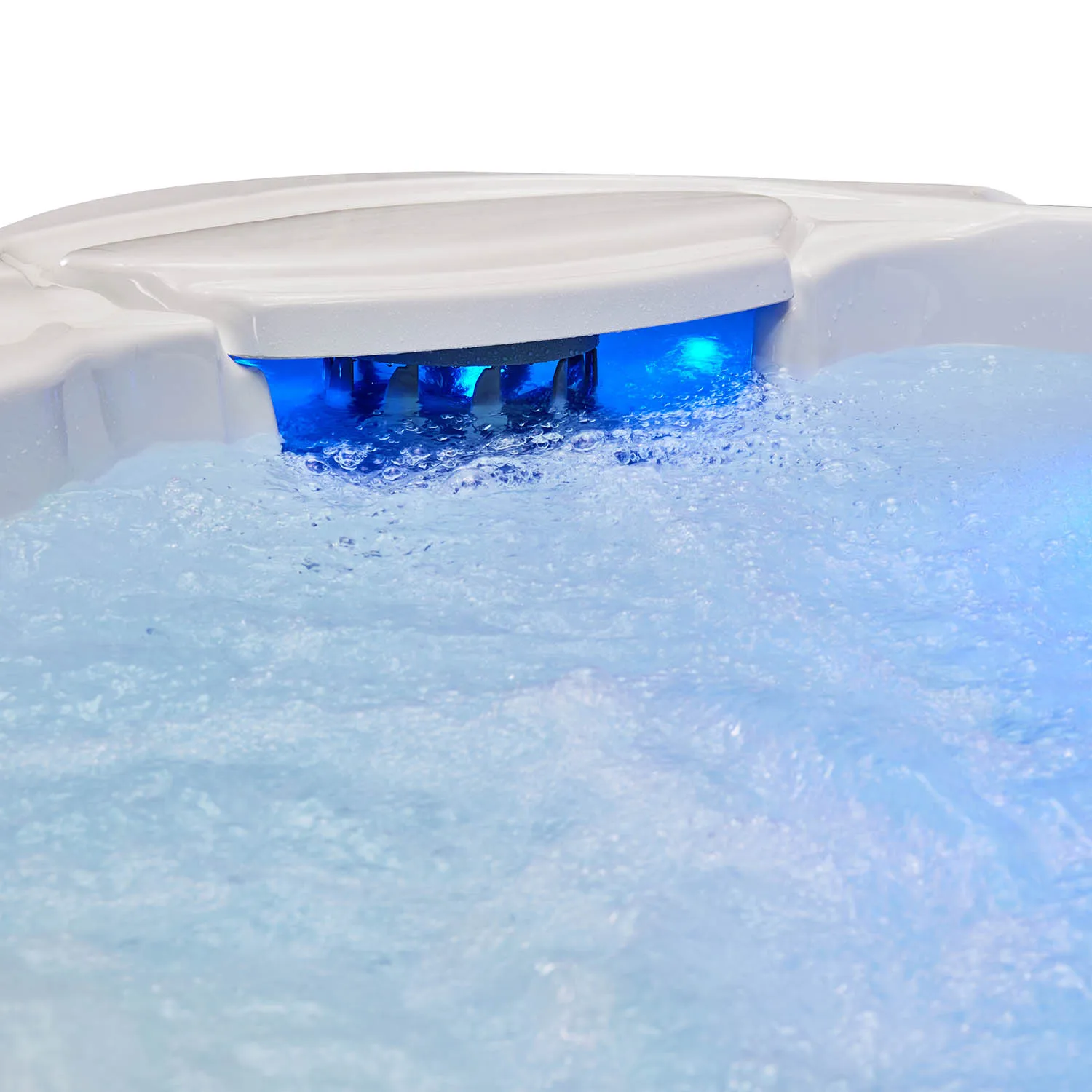
Why is the standard depth of a spa jacuzzi tub usually set at around 90 cm?
When asked about the depth of a spa jacuzzi tub, the most common answer in the industry is around 90cm. This depth is not arbitrary, nor is it solely based on aesthetics; rather, it's a comprehensive balance of structure, safety, and ergonomics.
1. Optimal Depth Determined by Ergonomics
A depth of around 90cm allows most adults to:
• Fully immerse their back
• Most of their shoulders are submerged
• Be completely submerged below the waist
• Extend their legs comfortably without pressure
This immersion depth allows the nozzles in the spa jacuzzi tub to more effectively target major muscle groups such as the back, waist, hips, and thighs.
If the depth is too shallow, the massage nozzles cannot massage the body at the correct height;
If it's too deep, the water pressure is too high and it's difficult to sit steadily, thus reducing comfort.
2. Matching the Massage Height to the Nozzles
The most crucial hardware inside the spa jacuzzi tub is the jet massage system. The nozzle height needs to be aligned with different parts of the body, such as:
• Shoulder nozzles
• Back nozzles
• Waist nozzles
• Leg nozzles
Therefore, bathtub designers work backward from the nozzle layout to determine the recommended depth, ultimately resulting in an industry standard of approximately 90cm.
3. Ensure Stable Water Pressure
A tub that is too shallow cannot provide sufficient water pressure, severely affecting the massage effect of the nozzles; a tub that is too deep may overload the motor, leading to unstable water pressure.
A depth of 90cm is a key indicator for maintaining water pressure balance within the spa jacuzzi tub.
4. Safety Factors
Water that is too deep increases the risk of drowning and makes it more difficult for a single person to get in and out of the tub.
Therefore, based on safety requirements, most spa jacuzzi tubs have a depth between 80 and 95cm, with an average of approximately 90cm.
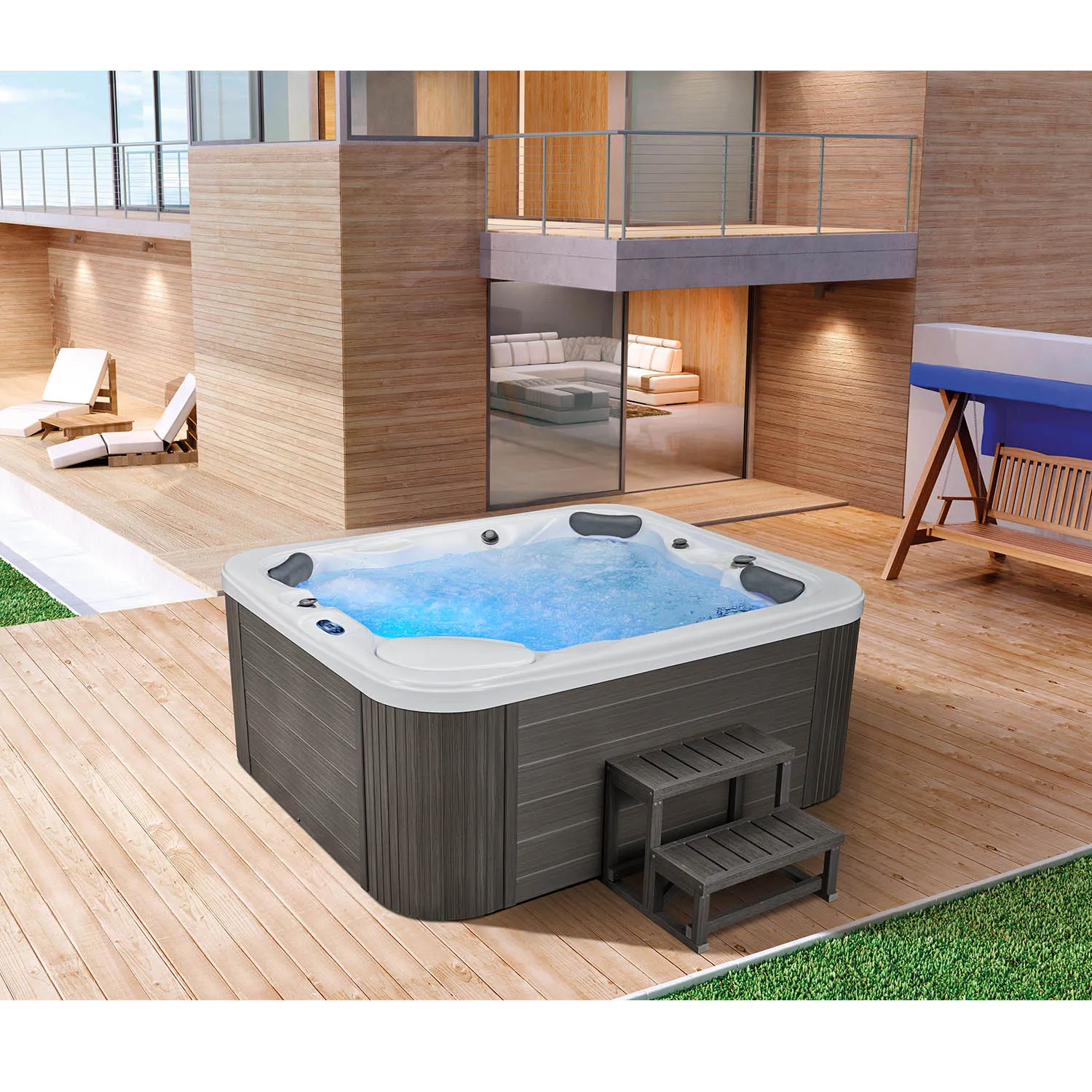
Why can't spa jacuzzi tubs be designed to be deeper?
Many users ask: Since a deeper tub allows for a full-body soak, why not design it to be 110cm or deeper? The reasons are as follows:
1. Increased difficulty in getting in and out of the bathtub
Spa jacuzzi tubs are often installed indoors and used frequently, requiring easy access.
When the depth exceeds 100cm:
• Entering the tub requires raising your legs.
• The elderly or children are more likely to slip.
• It is also more dangerous in a slippery environment.
Therefore, excessive depth does not meet daily usage needs.
2. Significantly increased energy consumption
The deeper the water and the larger the volume, the higher the energy consumption for heating the water.
Spa jacuzzi tubs with a heating depth exceeding 100cm will lead to:
• Increased motor load
• Longer heating time
• Significantly increased water consumption
This will significantly increase operating costs.
3. Unbalanced nozzle layout
The nozzle height must be aimed at specific areas of the body. If the depth is too great:
• The nozzle cannot effectively target the back.
• The water flow power needs to be doubled.
• The massage effect is actually worse.
This defeats the original design purpose of the spa jacuzzi tub.
4. Excessive water pressure may compress the body
Water deeper than 1 meter creates hydrostatic pressure, especially when seated, putting extra pressure on the chest cavity, which can be uncomfortable for some.
Therefore, from the perspectives of safety, experience, cost, and structural function, 90cm is deep enough without being dangerous—just right.
Are all types of spa jacuzzi tubs the same depth?
While the depth ranges of different types of spa jacuzzi tubs are similar, there are still differences.
1. Home Spa Jacuzzi Tub (Most Common)
Depth Range: 80cm – 95cm
Typical Depth: Approximately 90cm Home models prioritize both comfort and safety, therefore often using the industry standard depth.
2. Double Spa Jacuzzi Tub
Depth Range: 85cm – 100cm Due to the larger volume, more nozzles, and different reclining angles of double bathtubs, the depth is slightly greater.
3. Outdoor Large Spa Jacuzzi Tub
Depth Range: 90cm – 110cm
Outdoor models are generally larger, but a depth exceeding 110cm is still not recommended, as it will affect water pressure and comfort.
4. Spa Pool
These devices are not traditional spa jacuzzi tubs. Depths are typically 120–150cm or even deeper, but their functions differ, making direct comparisons difficult.
Therefore, for ordinary home spa jacuzzi tubs, around 90cm is definitely the mainstream depth.
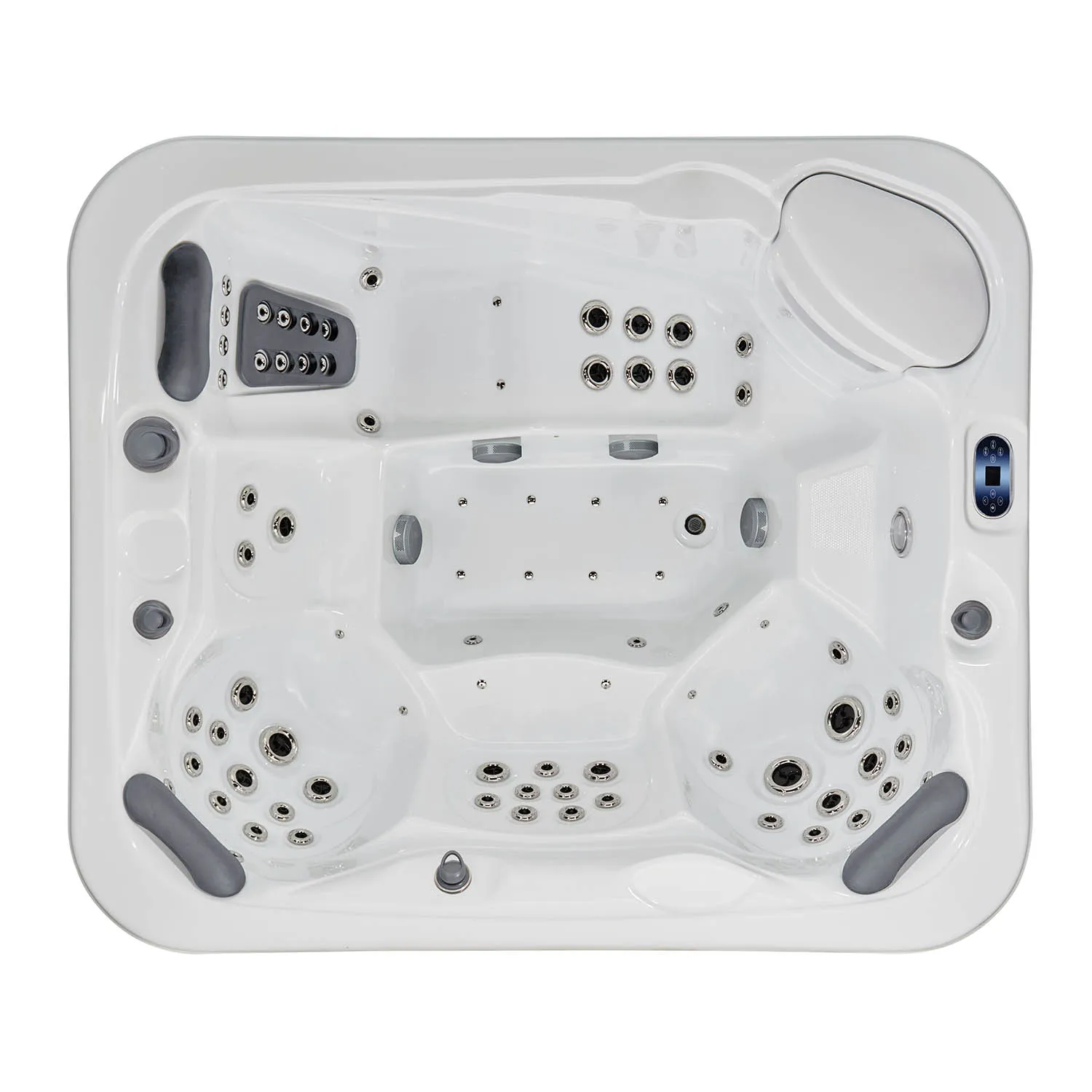
How does depth affect the user experience of a spa jacuzzi tub?
Spa jacuzzi tub depth is not just a number, but also relates to the user experience.
1. Soaking Comfort
Greater depth:
• Larger body immersion area
• Wider hot water coverage area
• Easier to relax
However, maximum depth does not necessarily mean better.
2. Massage Effect
The nozzle design relies on depth. At a depth of 90cm, the nozzles can accurately reach the following areas:
• Upper back
• Mid-back
• Waist
• Sides of the hips
• Thighs
Too shallow a depth will cause some nozzles to malfunction, while too deep a depth will cause the nozzles to deviate from the body's position.
3. Water Temperature Retention
Deeper depth means more water volume and longer heat retention, but it also means higher power consumption for heating.
4. Freedom of Use
90cm depth is suitable for:
• Sitting position
• Semi-reclining position
• Slow movements
• Stretching and relaxation
Too deep a depth will restrict movement.
Why do many families choose a 90cm deep spa jacuzzi tub?
Safety is one of the most important standards in the design of a spa jacuzzi tub.
1. Too shallow a depth: Limited massage function
When the depth is less than 75cm, the effect of the back nozzles is significantly reduced, making it unsuitable for tall users.
2. Excessive Depth: Increased Drowning Risk
Especially for:
• The elderly
• Children
• People with disabilities
A deeper tub increases the risk of accidents.
3. Increased Cardiopulmonary Pressure
The deeper the water, the greater the hydrostatic pressure on the body. For some individuals, this can affect breathing comfort.
Therefore, a depth of 90cm strikes the optimal balance between safety and comfort.
Does depth affect the installation method of a spa jacuzzi tub?
Yes, the depth of a spa jacuzzi tub directly affects installation feasibility.
1. Recessed Installation
Sufficient space needs to be reserved at the bottom to accommodate:
• Piping
• Water pump
• Base
• Drainage structure
Generally, at least 10–20cm of additional space is required beyond the bathtub depth.
2. Freestanding Spa Jacuzzi Tub
This type is easier to control in terms of depth; simply ensure the floor can support the weight.
3. Recessed Installation
For depths exceeding 90cm, a recessed installation may be more suitable, but requires professional installation.
Therefore, choosing a more standard 90cm depth makes it easier to match with residential space.
How to determine the appropriate spa jacuzzi tub depth for your home?
If you are choosing a spa jacuzzi tub, you can consider the following factors:
1. Bathroom Height
The bathroom height should allow sufficient space for the tub to be placed, inspected, and used properly.
2. Floor Weight Capacity
The larger the water volume and the deeper the tub, the greater the weight.
3. User Height
Users between 160cm and 185cm tall are best suited for a 90cm depth.
4. Whether Elderly People or Children Will Use It
Excessive depth is unsafe; around 90cm is a common depth for households.
5. Heater Power
The greater the depth and the more water, the higher the requirements for the heater.
Why isn't depth the only key factor in choosing a spa jacuzzi tub?
Depth is important, but not the most crucial factor. When choosing a spa jacuzzi tub, the following factors are equally important:
• Number and layout of nozzles
• Water pump power
• Tub material (acrylic, composite materials, etc.)
• Control system (smart panel)
• Heating system
• Noise level
• Seat angle and interior space
• Ease of cleaning and maintenance
At the same depth, the quality of the configuration will greatly affect the experience.
What is included in a standard Yuehua outdoor spa order?
A standard order usually includes the spa shell, cabinet, jets, control system, circulation pump, lighting, filtration equipment, and packaging materials. Optional features like Bluetooth audio, UV sterilization, and upgraded jets can also be added. Yuehua offers wholesale packages with competitive factory prices, making it easier for distributors to stock multiple models.
Since we are an experienced China manufacturer, our spa units undergo rigorous testing before shipping to ensure high quality and long-term durability for your customers.