


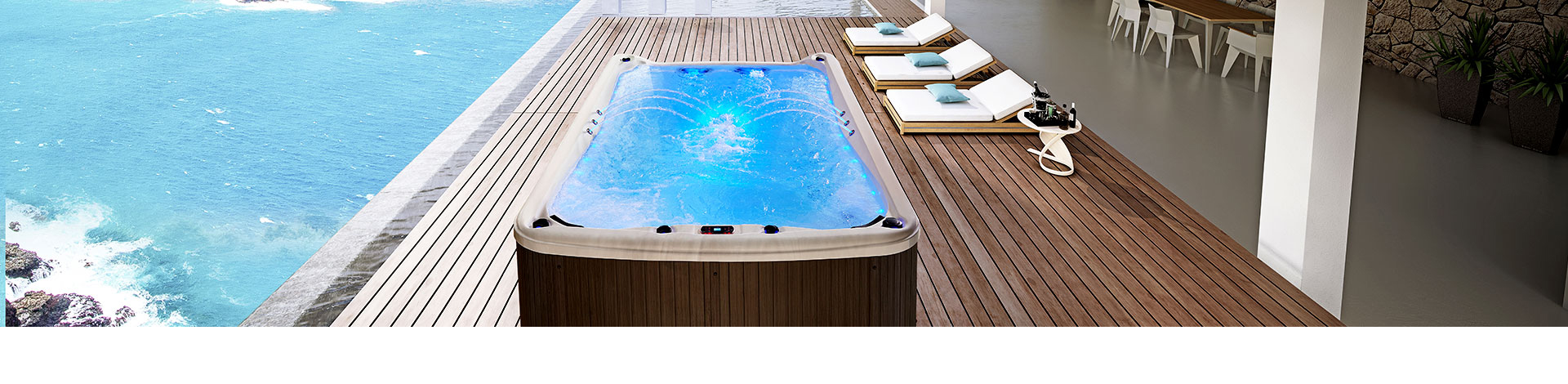
When enjoying the relaxation and comfort of a spa jacuzzi tub, temperature is often the most easily overlooked, yet most crucial factor. Many people like to add more water, believing that hotter water will relax muscles and promote blood circulation. However, in reality, excessively hot water in a spa jacuzzi tub not only fails to enhance the experience but also poses significant risks.
According to the U.S. Consumer Product Safety Commission's safety recommendations:
A spa jacuzzi tub with a water temperature exceeding 40°C (104°F) is considered too hot and poses a health risk to adults.
A typical comfortable bath temperature is between 37.5°C and 39°C (100°F to 102°F), a range that is both safe and relaxing.
This article will delve into: Why is a water temperature exceeding 104°F dangerous? How to set the ideal temperature for a spa jacuzzi tub? How should different groups of people use it safely? What is the relationship between water temperature and massage effects? What are the precautions for intensive use?
The following will provide you with the most comprehensive explanation through structured and rigorous content.
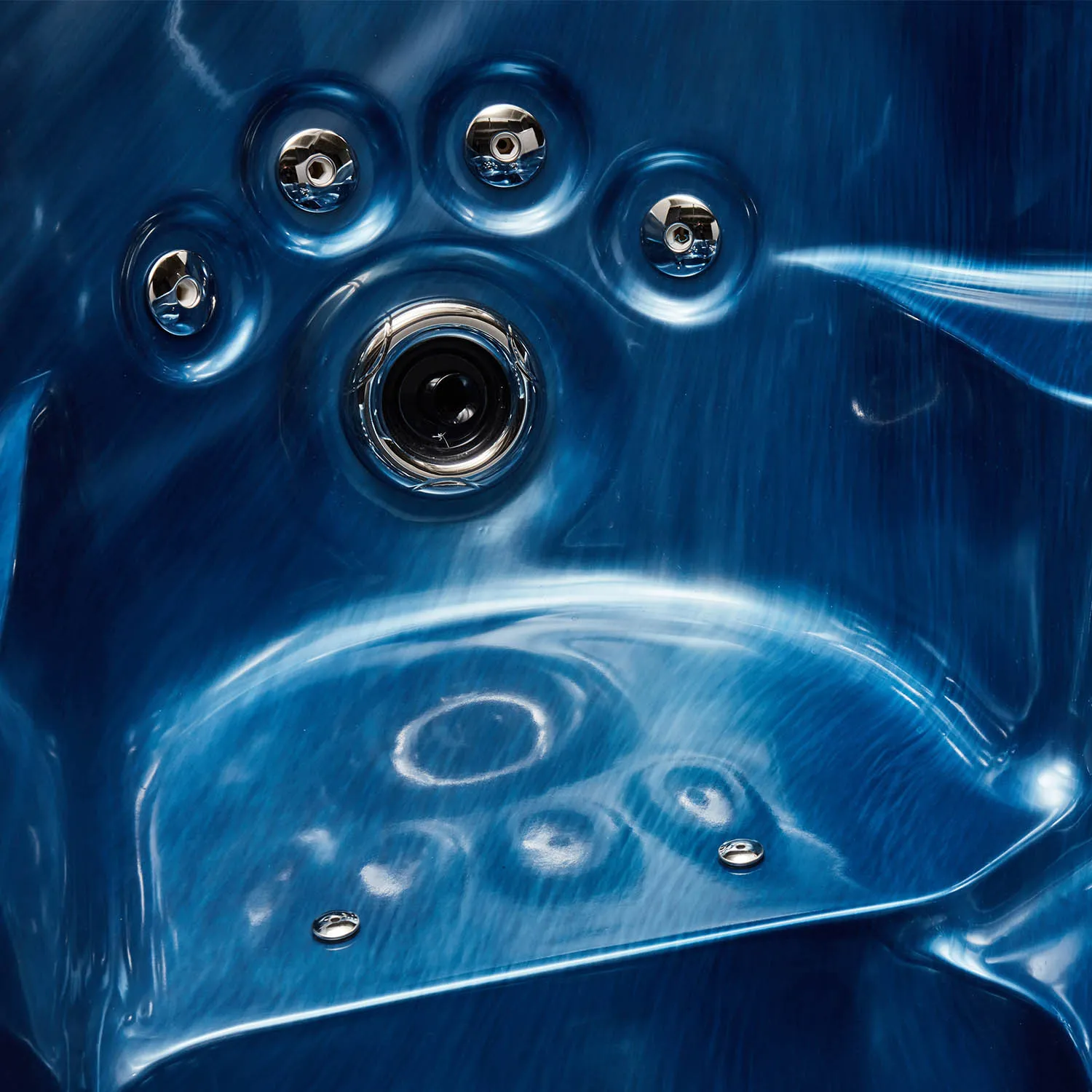
Why is a spa jacuzzi tub water temperature exceeding 104°F (40°C) considered too hot?
Many people believe that the hotter the hotter the bath, the more soothing it is, but water temperatures exceeding 104°F (40°C) actually carry clear risks. The U.S. Consumer Product Safety Commission set this temperature limit based on human physiological responses, safety standards, and long-term research.
1. High temperatures prevent the body from dissipating heat effectively
The body's heat dissipation rate decreases in water. If the water temperature exceeds 40°C, the body surface cannot effectively dissipate heat, causing the core body temperature to rise rapidly.
This can lead to:
• Heatstroke
• Unstable heart rate
• Abnormal blood pressure
• Dehydration symptoms
• Dizziness, nausea
The enveloping hot water environment of a spa jacuzzi tub, combined with the local vasodilatory effect of the jet massage, makes it easier for body temperature to rise.
2. High temperatures can affect the cardiovascular system
The higher the water temperature, the more pronounced the vasodilation, requiring the heart to work faster to maintain blood flow.
For some, this is a dangerous burden.
Especially for the following:
• High blood pressure
• Cardiovascular disease
• Diabetes
• Frequent fatigue/low physical fitness
Therefore, 104°F is a carefully assessed safety upper limit.
3. High-temperature soaking can easily lead to dehydration
Hot water causes the body to sweat profusely, but sweat is not easily felt in water, making it difficult to perceive the body losing water.
Prolonged exposure to a spa jacuzzi tub above 40°C can cause:
• Low blood pressure
• Dizziness
• Weakness
• Dry mouth
• Palpitations
These symptoms all indicate that the body is overloaded.
4. The spray system of a spa jacuzzi tub amplifies the effects of water temperature
The continuous jet of water stimulates the skin, causing the local body temperature to rise more rapidly. At high temperatures, this increases the burden on the body.
Therefore, the statement "above 104°F is too hot" is not a subjective judgment, but a scientific conclusion based on system safety and human limits.
Why is the optimal water temperature for a spa jacuzzi tub usually between 100°F and 102°F?
Since 104°F is a danger line, what is the optimal temperature?
The temperatures that most people find relaxing and comfortable are:
• 37.5°C (100°F): The most natural warmth
• 38–39°C (101°F–102°F): Best for deep relaxation and massage
• Above 40°C (104°F): Danger zone
These temperatures are derived by considering human comfort, blood circulation, and muscle relaxation effects.
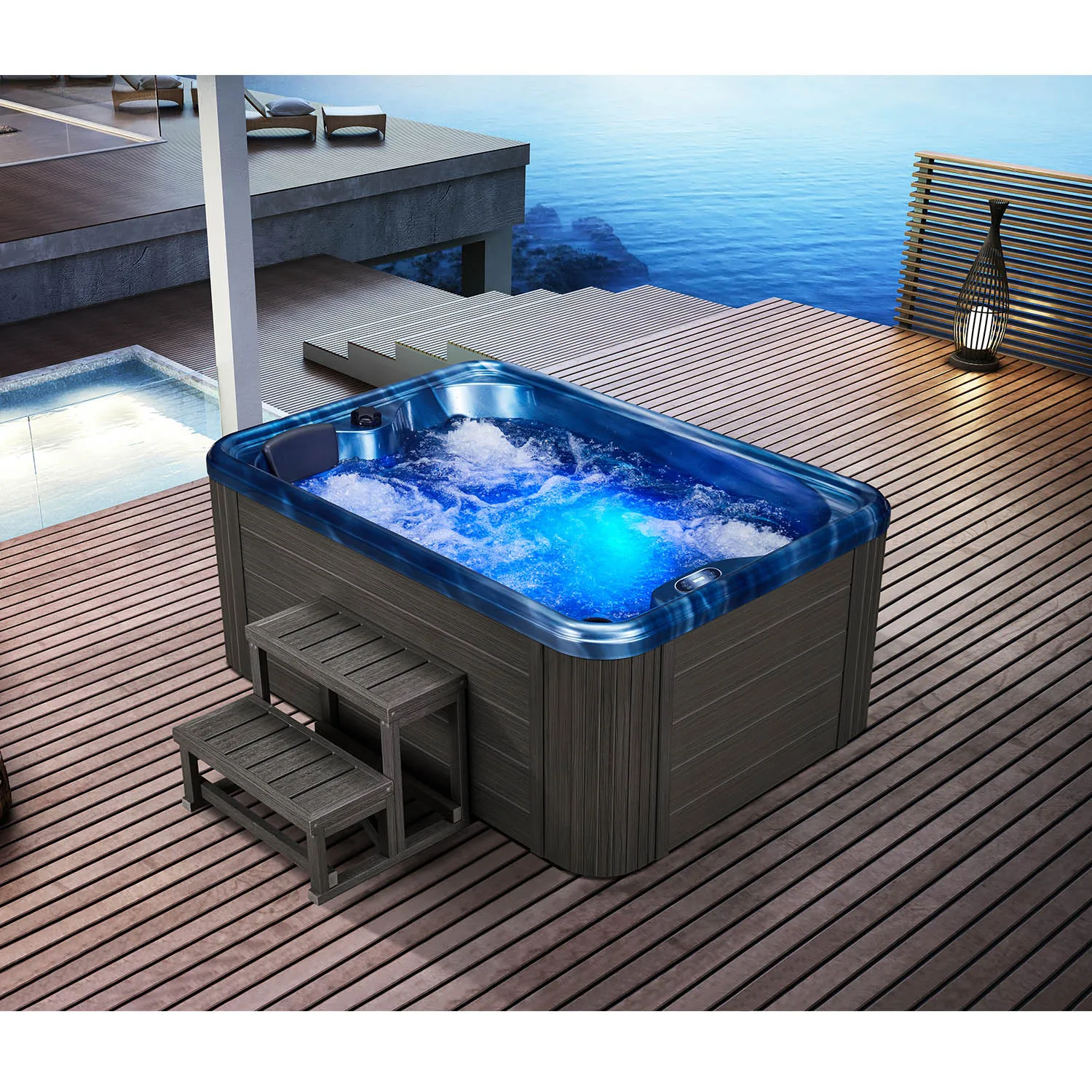
Why is this range best suited for a spa jacuzzi tub?
1. It relaxes muscles without overheating the body
At 100–102°F, the temperature is sufficient to dilate blood vessels and soothe tense muscles without causing a risk of heatstroke.
2. The Perfect Jet Massage Effect
The jets in a spa jacuzzi tub are most effective at moderate temperatures. Excessively high temperatures can cause faster fatigue and reduce endurance.
3. Safe and Comfortable Balance
100–102°F is the temperature range within which most people can comfortably maintain a 15–20 minute soak.
In other words:
Comfortable temperature ≠ the higher the better; moderate is optimal.
What are the effects of excessively high spa jacuzzi tub temperatures on the body?
Water temperatures exceeding 104°F can cause several adverse reactions. The following descriptions are physiologically neutral and do not involve medical diagnosis; they are for safety understanding only.
1. Increased Core Body Temperature
Soaking in hot water makes it difficult for the body to dissipate heat, and core temperature may rise rapidly.
2. Dizziness or Loss of Balance
Blood pressure can drop suddenly due to high temperatures, increasing the risk of dizziness or even fainting when standing up.
3. Increased Heart Rate
High temperatures increase the burden on the heart, potentially causing discomfort.
4. Dehydration and Fatigue
Hot water causes excessive sweating, which may not be easily noticed.
5. Prolonged Overheating May Lead to Heatstroke
This is especially noticeable in enclosed spaces or areas with high humidity.
This is why spa jacuzzi tub manufacturers generally recommend:
Maintaining the temperature between 100°F and 102°F, and soaking for 15–20 minutes each time.
What are the differences in water temperature considerations for different groups when using a spa jacuzzi tub?
While spa jacuzzi tubs are suitable for most adults, different groups have different temperature tolerances.
(The following is a neutral safety statement and does not constitute medical advice.)
1. Adults
Recommended Temperature: 100°F–102°F
Avoid Exceeding: 104°F
2. Elderly
Recommended Temperature: Below 100°F
Reason: Weaker blood pressure regulation and greater sensitivity to heat.
3. Pregnant Women
Avoid excessively hot water environments, as high temperatures may increase the burden on the body. It is recommended to keep the temperature below 100°F.
4. Children
Children have weaker thermoregulation systems and are generally not advised to soak in hot water for extended periods.
Lower temperatures are recommended.
5. People with weaker physical strength or who tire easily
Lower temperatures are safer and allow for longer soaks.
Therefore, temperature selection should be tailored to the individual, but for everyone, temperatures exceeding 104°F are considered dangerous.
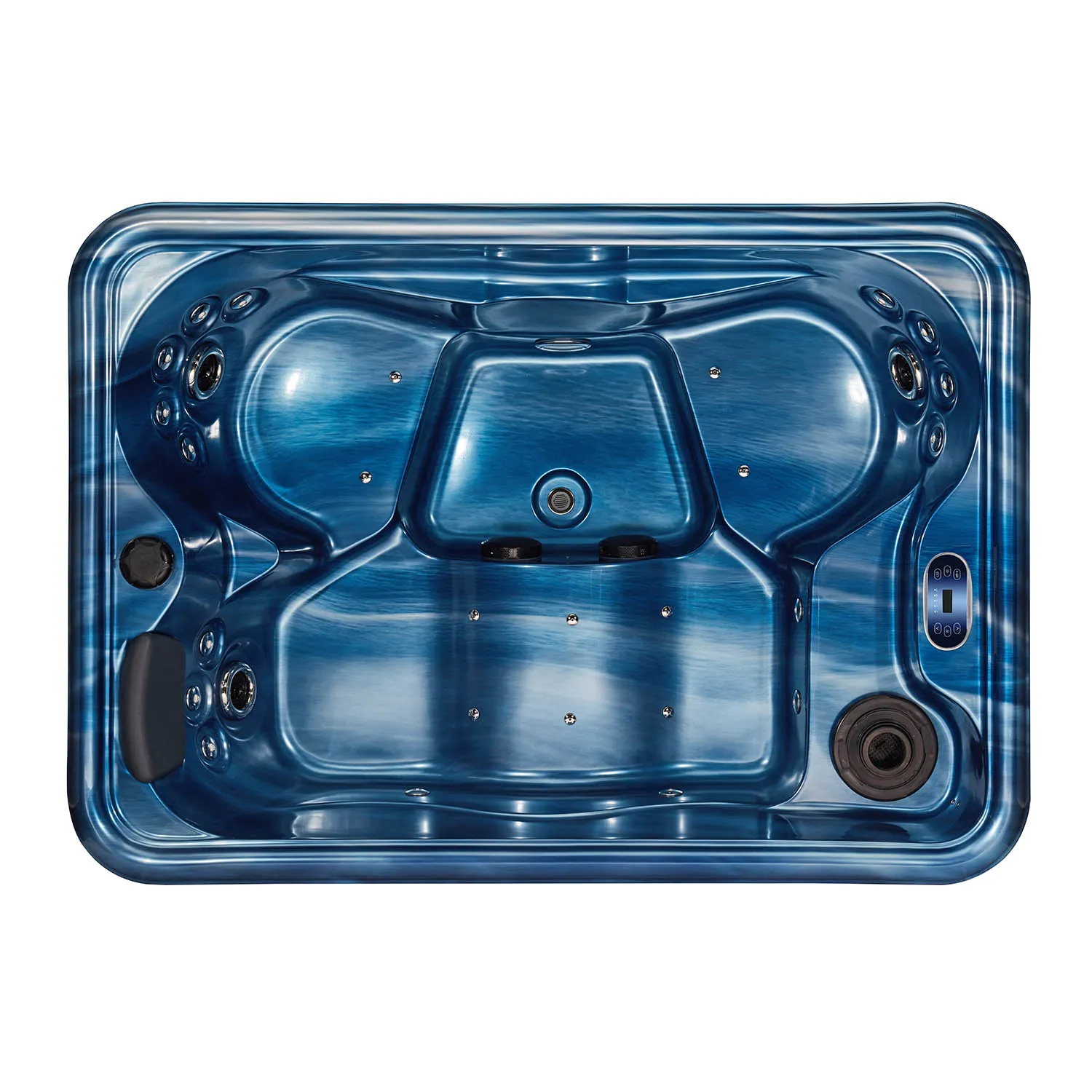
Will the high temperature of a spa jacuzzi tub affect the massage effect?
A spa jacuzzi tub does not need extremely high temperatures to be effective. In fact, excessively high temperatures can make the massage less comfortable.
1. High temperatures make the water jets feel more stimulating
The impact of hot water on the skin is already stronger, and the combined effect with the jet stimulation may cause discomfort.
2. High temperatures reduce endurance
In excessively hot water, people can only endure for a short time, affecting the overall relaxation effect.
3. High Temperatures Cause Over-Relaxation of Muscles
Moderate relaxation is beneficial, but excessive relaxation may lead to leg weakness and fatigue upon leaving the bathtub.
4. The Jet System Operates at its Design Temperature
The internal mechanical components of a spa jacuzzi tub are mostly designed to operate at moderate temperatures.
Excessive temperature can affect the lifespan of the jets and pump.
Therefore, excessively high temperatures do not enhance the massage experience; in fact, they can have the opposite effect.
Will Excessively High Water Temperature in a Spa Jacuzzi Tub Affect the Equipment Itself?
Besides being detrimental to the human body, excessively high water temperatures can also put pressure on the internal components of the spa jacuzzi tub.
1. Accelerated Aging of Seals
Prolonged exposure to high temperatures causes seals and joints to age more easily.
2. Increased Pump Load
The hotter the water, the higher the resistance, increasing the burden on the pump during prolonged operation.
3. Increased Energy Consumption
Heating to high temperatures requires more electricity, resulting in higher operating costs.
4. Potential Overload of the Control System
Some models have a maximum temperature limit on the control panel; exceeding this limit may trigger a protection mechanism.
Therefore, from an equipment protection perspective, avoiding overheating is also an important way to extend its lifespan.
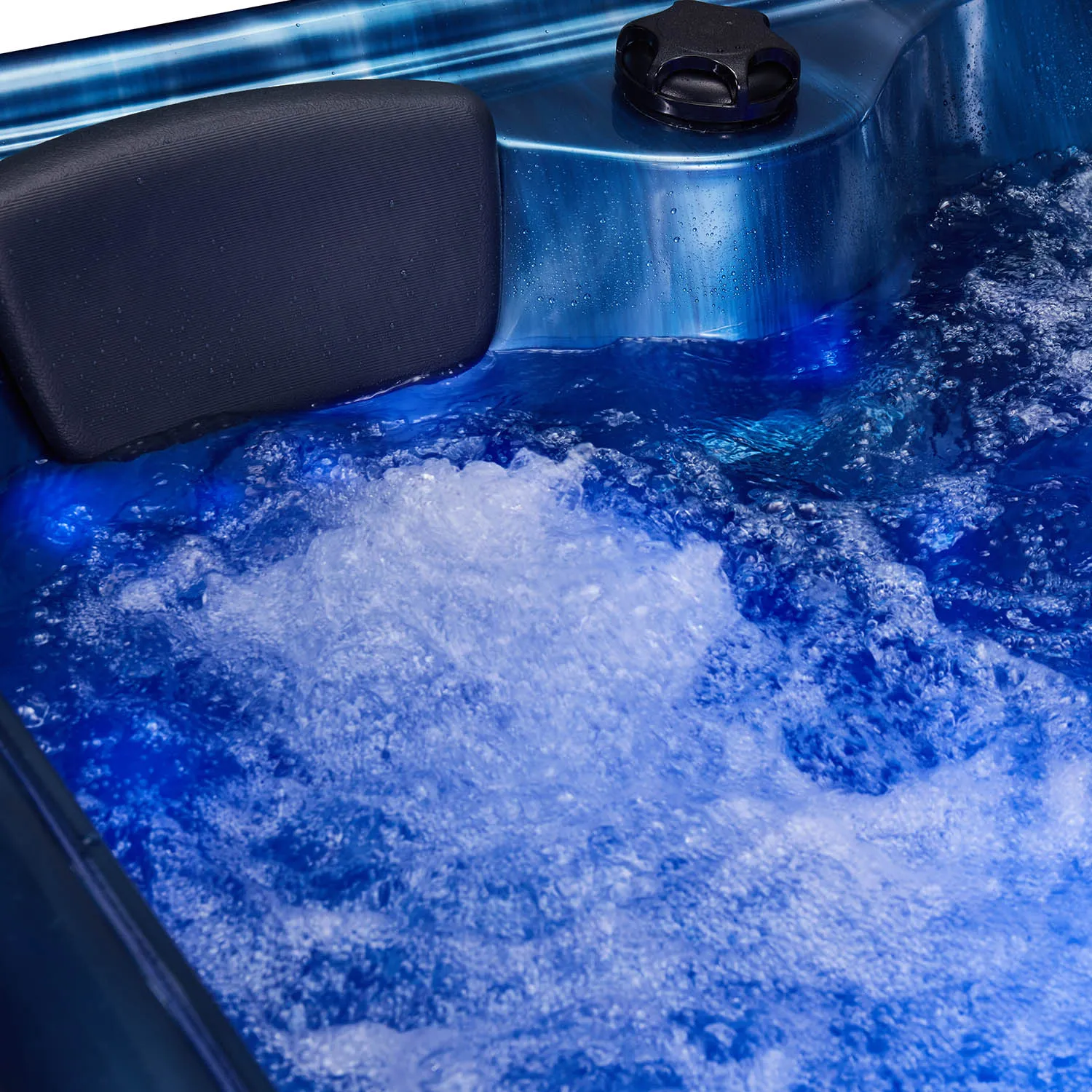
How to set the safest and most comfortable temperature in a spa jacuzzi tub?
The following suggestions are general safety guidelines only:
✔ Recommended Temperature Range
• Comfortable: 100–102°F (37.5–39°C)
• Not exceeding: 104°F (40°C)
✔ Recommended Soak Time
15–20 minutes is recommended.
✔ Recommended Operating Methods
• Use the tub's built-in thermometer
• Check the temperature control system regularly
• Test the temperature with your hand before entering the tub
• Get out immediately if you feel tired or thirsty
These methods will ensure you enjoy the best experience in your spa jacuzzi tub without causing physical stress.