
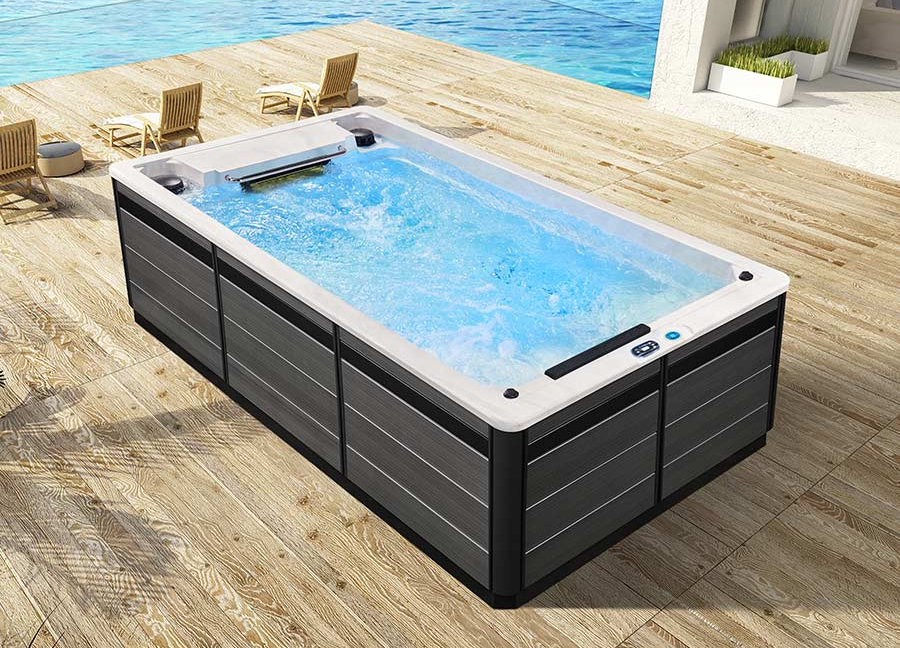






A spa hot tub offers a wonderful way to relax, soothe muscles, and improve blood circulation.
However, this warm, humid environment is also one of the easiest places for bacteria and microorganisms to multiply.
If the water in a spa hot tub is not properly maintained, the number of bacteria can increase rapidly, not only ruining the water's clarity but also potentially causing skin infections, respiratory irritation, and even more serious health problems.
Therefore, knowing how to determine if your spa hot tub is contaminated with bacteria is a basic maintenance skill that every user must possess.
This article will explain in detail how to identify signs of bacteria in a whirlpool spa hot tub, how to scientifically test water quality, and how to take effective measures for protection and disinfection.
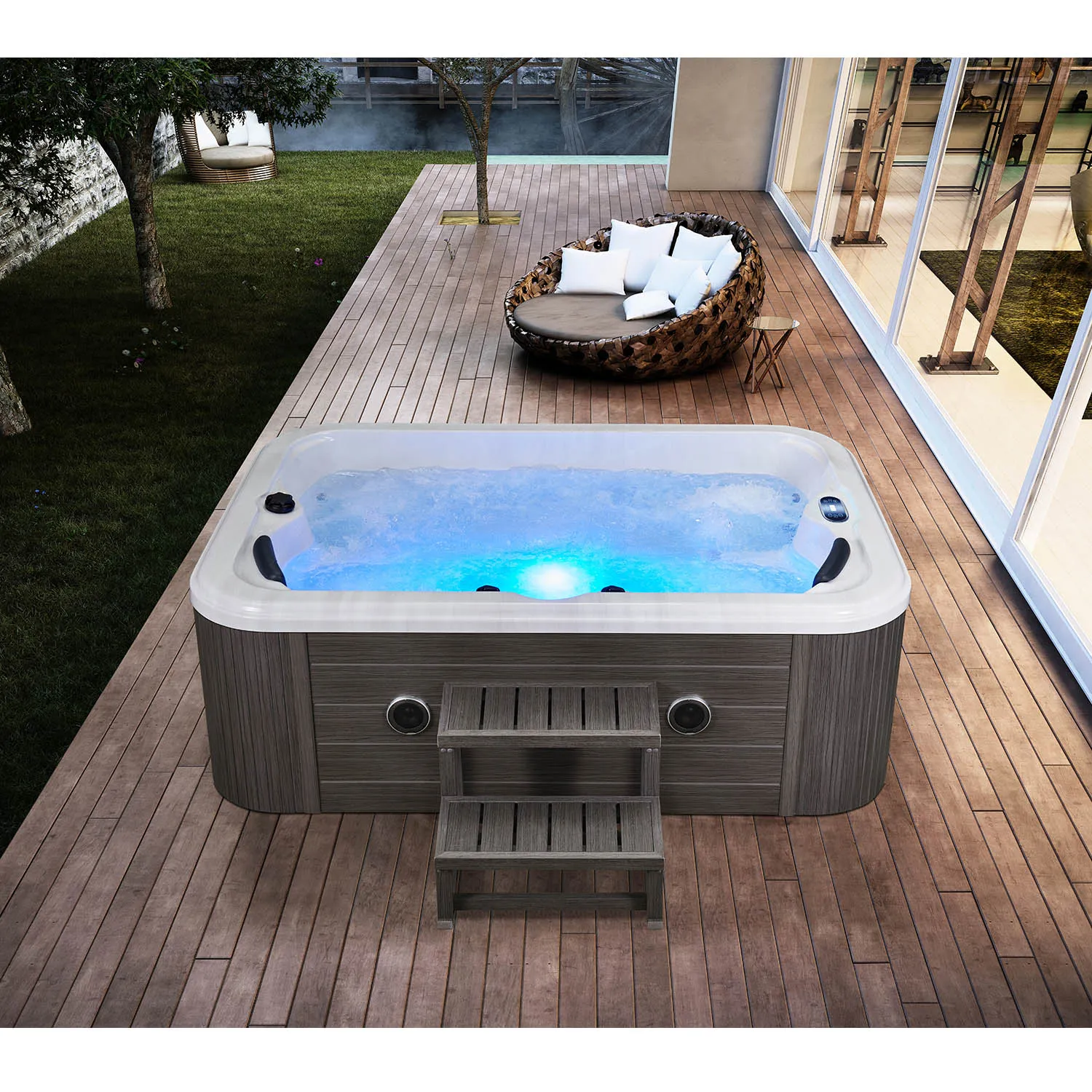
What are the common types of bacteria found in spa hot tubs?
Before determining whether your spa hot tub has bacteria, we need to understand the types and characteristics of these bacteria.
1. Pseudomonas aeruginosa
• One of the most common bacteria found in spa hot tubs;
• Can cause rashes, ear infections, and itching;
• Can survive in warm, humid environments;
• Has some resistance to common disinfectants.
2. Legionella pneumophila
• Transmitted through inhalation of water vapor;
• Can cause Legionnaires' disease or Pontiac fever;
• Particularly prone to forming biofilms in filtration systems or pipes.
3. Escherichia coli
• Often originates from human excrement contamination;
• Indicates serious hygiene problems in whirlpool spa hot tubs;
• Can cause gastrointestinal infections.
4. Staphylococcus aureus
• Can cause skin pustules or hair follicle infections;
• Commonly found in shared or poorly cleaned whirlpool spa hot tubs.
These bacteria tend to multiply rapidly in warmer water (37–40°C), poorly circulated water, or when disinfectants are ineffective.
Therefore, determining the presence of bacterial contamination should involve checking multiple aspects, including odor, appearance, and water quality testing.
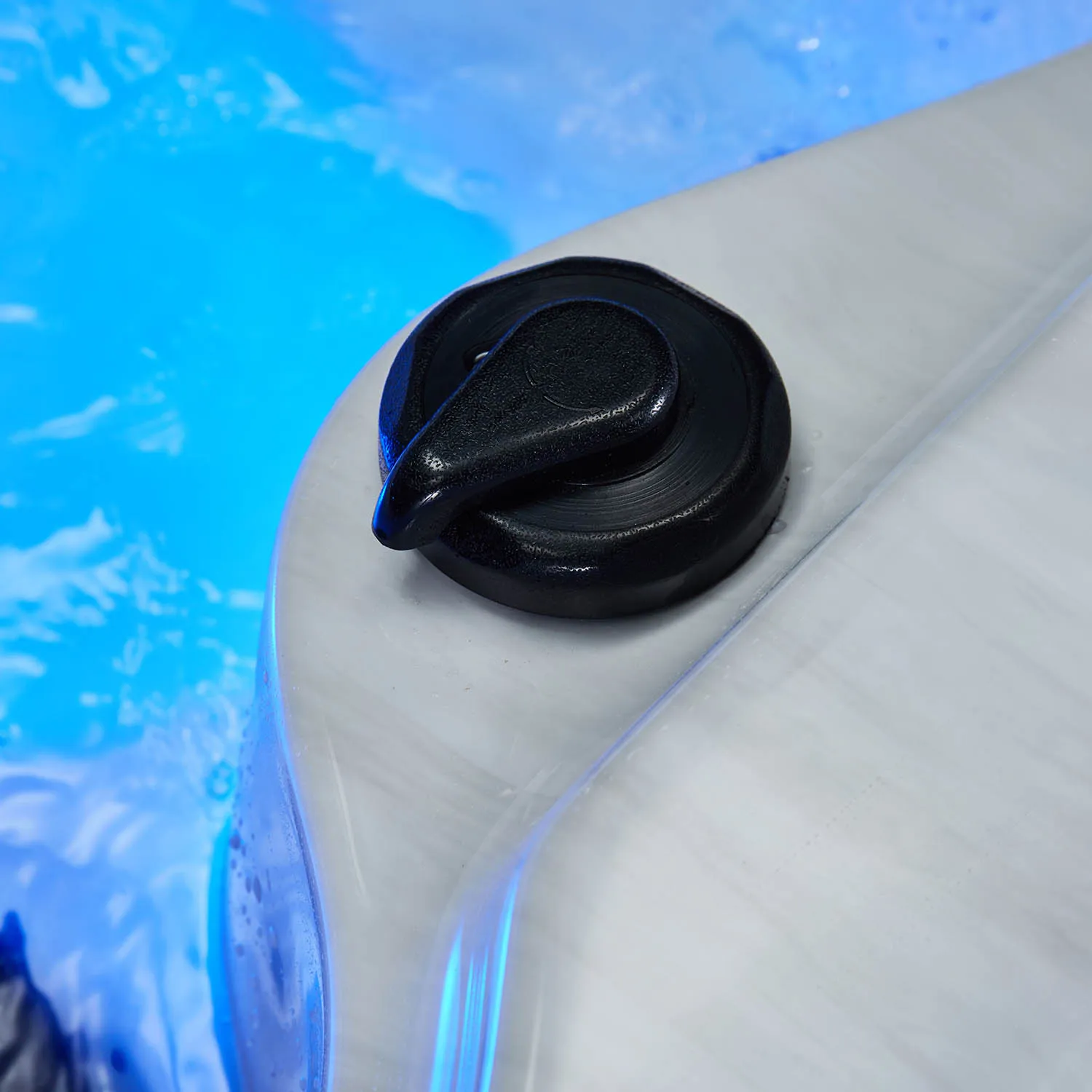
How to determine if a spa hot tub has bacteria using sight and smell?
1. Has the water become cloudy or foamy?
Normal spa hot tub water should be clear and transparent.
When you notice the following on the water surface, it is likely a sign of bacterial growth:
• Cloudy water, making visibility difficult;
• Persistent foam, especially white or gray foam;
• An oily film-like sheen on the water surface;
• Slippery substances on the bottom or pipe walls.
These conditions indicate excessive organic matter residue, and bacteria and fungi have formed a biofilm in the water.
2. Do you smell any unusual odor?
Healthy whirlpool spa hot tub water should have only a slight chlorine smell or a neutral odor.
Be highly vigilant if you notice the following odors:
• Rotten egg or sulfur smell: Indicates anaerobic bacteria growth in the water;
• Musty or rotten smell: Indicates organic matter decomposition;
• Ammonia or sweat smell: Usually produced by the decomposition of urea and sweat;
• Strong chlorine smell: Not "clean," but rather chloramine gas produced when chlorine reacts with contaminants.
Unpleasant odors are often a direct indication of bacterial activity and are one of the early signs of contamination in a whirlpool spa hot tub.
3. Is there a sticky deposit inside the spa hot tub?
If you feel a slimy or oily feeling when you touch the tub walls, jets, or seat surface, it means a biofilm has formed.
This biofilm is a protective layer for bacteria, making them more difficult to kill with disinfectants such as chlorine or bromine.
✅ Recommendation: If you find a slimy deposit, drain the tub immediately and thoroughly clean the plumbing system.
What health signs might indicate bacteria in a spa hot tub?
Sometimes, even if the water quality changes are not visible to the naked eye, your body's reactions will give warnings.
1. Skin Problems After Use
If you experience the following symptoms after using a hot tub, you should suspect bacteria in the water:
• Skin rash, itching, burning sensation;
• Folliculitis or pimple-like red spots;
• Localized skin infection or pustules.
These are often signs of a spa hot tub rash caused by bacterial contamination.
2. Respiratory Discomfort or Cough
The most significant risk from a Legionnaires-contaminated whirlpool hot tub is respiratory problems.
In a steamy environment, inhaling contaminated steam may cause:
• Cough, sore throat;
• Difficulty breathing or chest tightness;
• Low-grade fever or fatigue.
These symptoms often appear several hours to two days after bathing and are an important sign of Legionnaires contamination.
3. Eye and Nose Irritation
If you experience stinging eyes, burning nose, or tearing while using a whirlpool spa hot tub, it may not be due to "too much chlorine," but rather the chlorine being consumed by organic matter, forming irritating compounds (such as chloramines).
This means reduced disinfection effectiveness, allowing bacteria to thrive in the water.
How to Scientifically Test for Bacteria in a Spa Hot Tub?
Determining the presence of bacterial contamination in a spa hot tub cannot rely solely on sensory perception.
Scientific testing is a more accurate and reliable method.
1. Use test strips to check water quality balance
Before and after each use, it is recommended to use dedicated water quality test strips to check the following items:
Test Item | Ideal Range | Abnormal Signal
pH | 7.2 – 7.8 | Too low or too high will reduce disinfection effectiveness
Chlorine | 1 – 3 ppm | Below 1 ppm indicates insufficient disinfection
Bromine | 3 – 5 ppm | Too low, bacteria can easily multiply
Total Alkalinity | 80 – 120 ppm | Unstable will cause pH fluctuations
If chlorine or bromine levels are consistently low, even if the water appears clear, the bacterial count may already be excessive.
2. Use dedicated bacterial test kits
There are bacterial test kits on the market specifically designed for whirlpool spa hot tubs that can detect total bacterial count (TVC) or specific pathogens.
General operating steps are as follows:
• Keep the sample uncontaminated;
• Add the water sample to the culture reagent;
• Let it stand for 24 to 48 hours;
• Judge the result based on color changes (e.g., yellowing or cloudiness indicates the presence of bacteria).
While this method is not as precise as laboratory testing, it is sufficient to help home users make a preliminary assessment.
3. Send to a laboratory for microbiological analysis
If you suspect your spa hot tub is severely contaminated, or if a family member shows symptoms of infection, you can send water samples to a professional testing agency to analyze the total bacterial count, Pseudomonas, Legionella, etc.
These tests can usually identify specific bacterial species and quantities, providing a scientific basis for subsequent thorough cleaning.
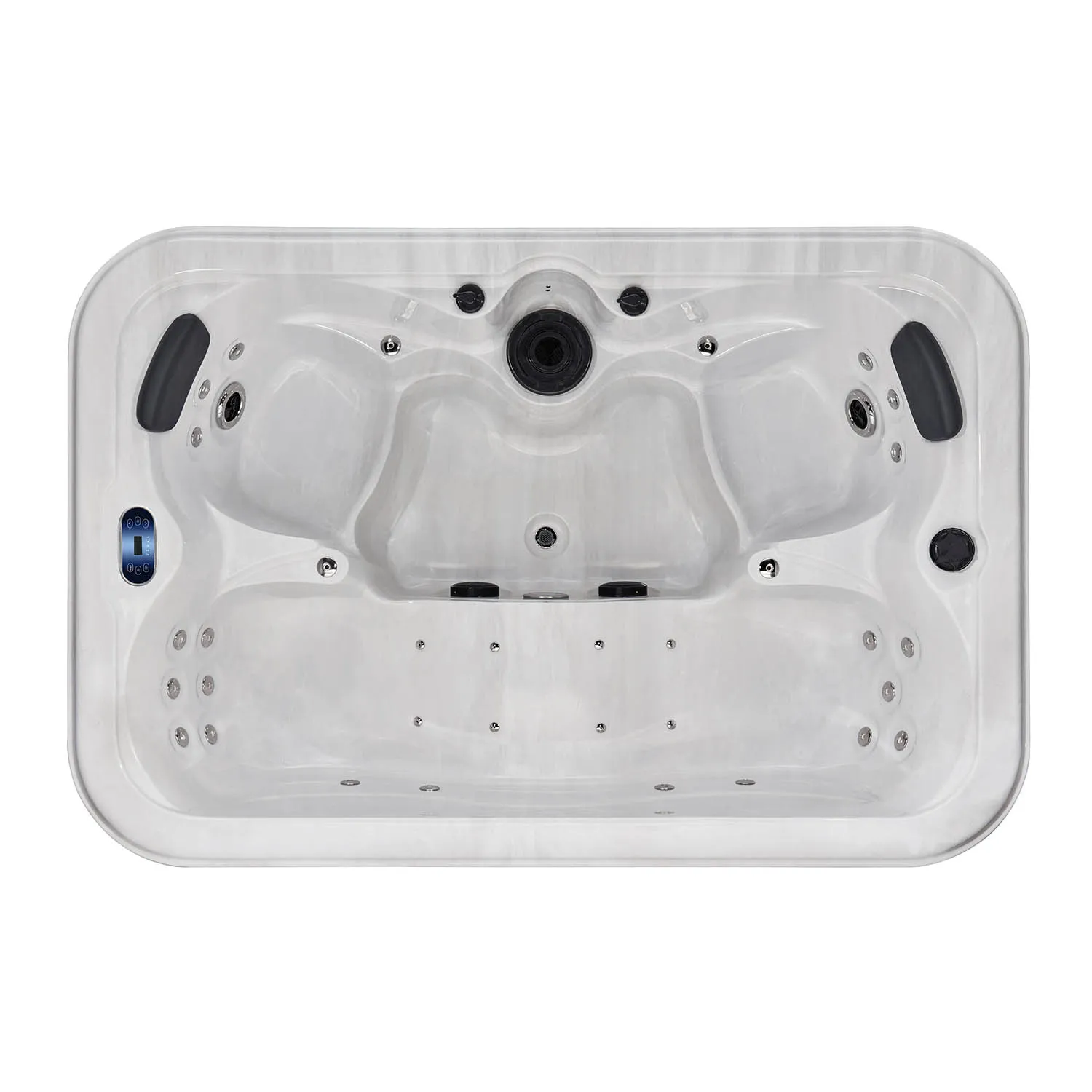
How to prevent and control bacterial growth in spa hot tubs?
To avoid bacterial problems, daily maintenance and proper water quality management are crucial.
1. Maintain a stable level of disinfection
• Regularly test and replenish chlorine or bromine;
• If using an ozone or UV system, also use an appropriate amount of chemical disinfectant;
• Keep the lid tightly closed when not in use, but ventilate regularly to prevent mold.
2. Perform a weekly "shock treatment"
Shock treatment breaks down organic matter and kills residual bacteria.
Specific steps:
• Temporarily increase the chlorine level to above 10 ppm;
• Keep the circulation system running for at least 30 minutes;
• Use the bath only after the chlorine level has returned to a safe level.
3. Regular Draining and Cleaning
• It is recommended to change the water in a home spa hot tub every 3 months;
• Clean the nozzles, filter, and internal pipes;
• Use a professional descaling cleaner to dissolve biofilm.
4. Filtration System Maintenance
• The filter is key to preventing bacterial growth.
• The filter cartridge should be cleaned weekly and replaced every 3–6 months.
5. Maintain Personal Hygiene
• Rinse off sweat and cosmetics before use;
• Do not bring beverages or food into the bathtub;
• Avoid use if you have a cold or broken skin.
Why is regular testing more important than "looking clean"?
Many users mistakenly believe that "clear and odorless water" means it is safe.
In fact, bacterial contamination often begins before visual changes appear.
For example:
• When chlorine is depleted, bacterial reproduction increases exponentially;
• Biofilms can hide inside pipes, completely undetectable to the naked eye;
• Even with daily filtration, contaminants can accumulate if regular flushing and disinfection are not performed.
Therefore, regular testing and maintenance are the only scientifically sound way to ensure the hygiene of your whirlpool spa hot tub.
What to do if bacteria are detected in your spa hot tub?
If test results or sensory assessment indicate the presence of bacteria in the water, take the following steps immediately:
• Turn off the heating and circulation systems;
• Drain the tub completely;
• Thoroughly scrub the tub, nozzles, and pipe walls with a professional cleaner;
• Clean or replace the filter;
• Refill with clean water and perform flushing disinfection;
• Adjust the pH and disinfectant concentration to safe levels;
• Test again to confirm normal water quality before use.
A thorough cleaning process not only eliminates bacteria but also extends the lifespan of your spa hot tub equipment.