



Spa hot tubs are becoming increasingly popular as a symbol of relaxation and wellness in modern homes. They can help relieve muscle tension, promote blood circulation, reduce stress, and improve sleep quality.
However, despite the many benefits of a spa hot tub, it's not suitable for everyone. In some cases, soaking in hot water may not only be ineffective but also burden the body.
Understanding "who shouldn't use a whirlpool spa hot tub" requires a multi-faceted approach, considering physiological, cardiovascular, metabolic, and immune factors. This article will scientifically analyze the potential risks to different groups when using a whirlpool spa hot tub and provide safety advice.
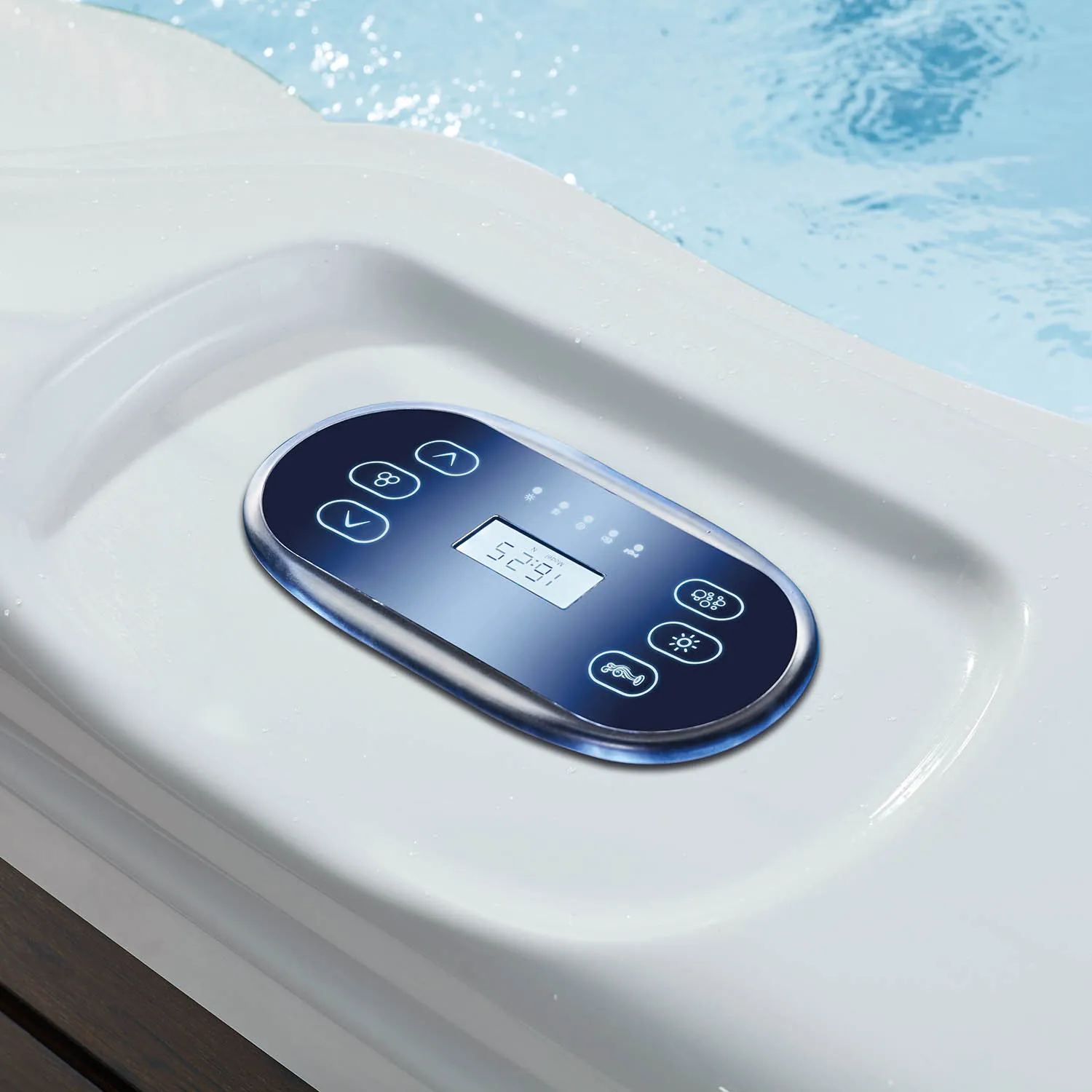
How Does a Spa Hot Tub Affect the Human Body?
When the body is immersed in hot water at approximately 37°C to 40°C, the following reactions occur:
• Vasodilation: Blood vessels in the skin and muscle layers dilate, helping the body dissipate heat;
• Increased Heart Rate: The heart works harder to maintain body temperature balance;
• Blood Pressure Changes: Blood pressure may initially rise slightly, then decrease;
• Increased Sweating: Promotes metabolism, but also leads to water loss;
• Muscle Relaxation: The warm environment relieves muscle tension and joint stiffness.
These reactions are generally healthy, but for some people, excessive circulatory strain or temperature stimulation may induce discomfort.
Therefore, understanding who should not use a whirlpool spa hot tub is the first step to safe use.
Who is not suitable to use a spa hot tub?
Below, we will explain the risks and scientific reasons for several common special groups.
1. Can people with cardiovascular disease use a spa hot tub?
For people with heart disease, using a whirlpool spa hot tub carries potential risks.
The reasons are as follows:
• Hot water causes vasodilation, forcing the heart to pump blood faster;
• Increased heart rate may increase the burden on the heart;
• Blood pressure fluctuations can easily induce chest tightness, arrhythmia, or fainting;
• Prolonged stay in hot water may lead to circulatory system disorders.
Users not recommended include:
• Patients with coronary heart disease;
• Those with a history of arrhythmia or heart failure;
• Those who have had a myocardial infarction;
• People with pacemakers (must have their device's safety range confirmed by a doctor).
✅ Recommendation: If you have cardiovascular disease, consult your doctor first. If necessary, only soak for a short time at low temperatures (≤37℃) and avoid using it alone.
2. Can people with high or low blood pressure use a spa hot tub?
For people with high blood pressure:
• Hot water will dilate blood vessels, which may cause short-term fluctuations in blood pressure;
• If you stand up suddenly after soaking, it can easily cause orthostatic hypotension, leading to dizziness or even fainting.
For individuals with low blood pressure:
• High temperatures further lower blood pressure;
• May cause insufficient blood supply, blurred vision, or palpitations.
✅ Conclusion: Regardless of whether you have high or low blood pressure, prolonged soaking in high temperatures should be avoided, especially alone in a whirlpool spa hot tub.
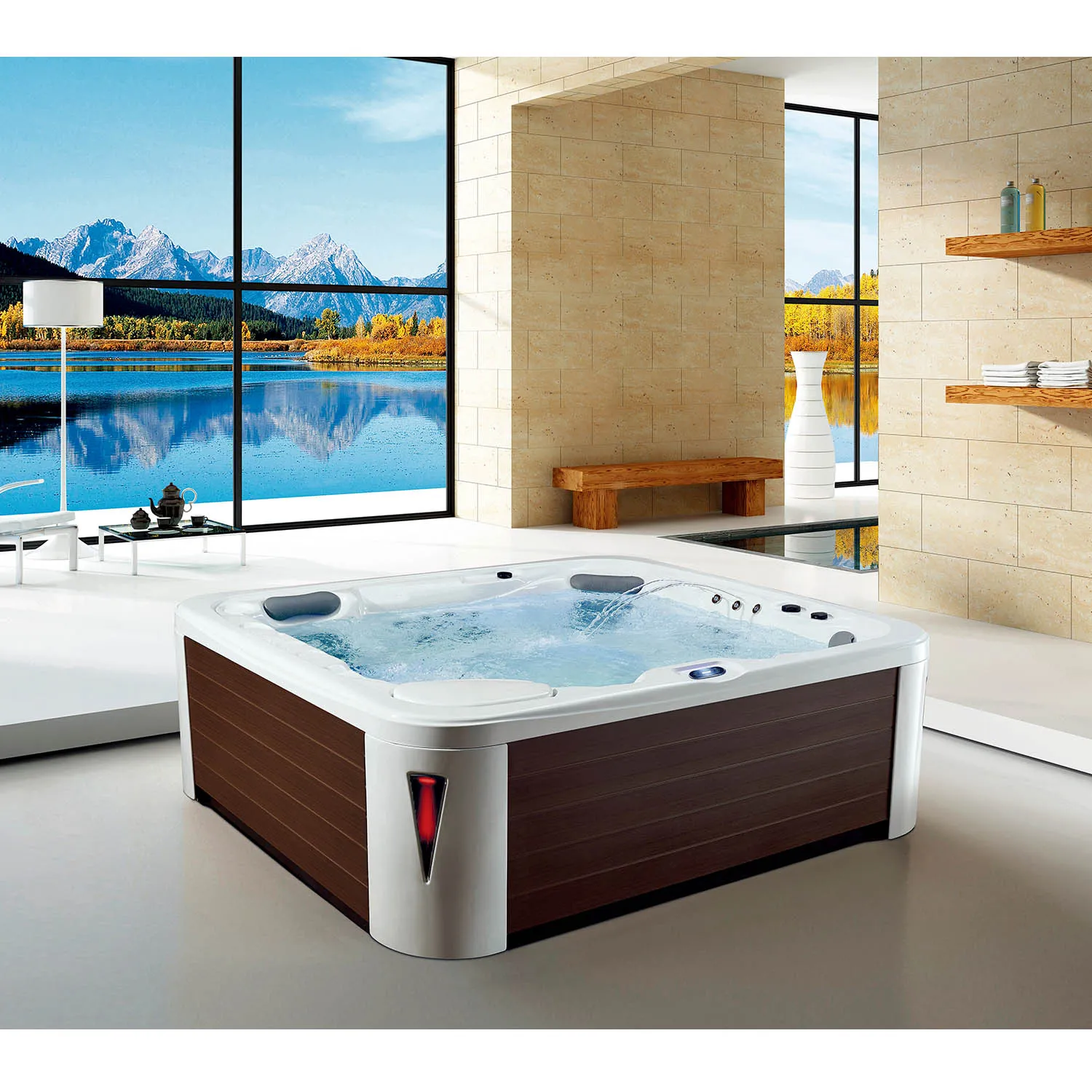
3. Is it safe for diabetic patients to use a spa hot tub?
Diabetic patients need to be especially cautious when using a whirlpool spa hot tub.
Risks include:
• High temperatures may affect blood sugar levels;
• Diabetic peripheral neuropathy reduces the patient's ability to perceive temperature, making them more susceptible to burns;
• Weakened skin barrier makes them more prone to infection;
• Abnormal blood circulation may worsen lower limb edema.
✅ Recommendation: Diabetic patients should use a spa hot tub under the guidance of a doctor, controlling the temperature to no more than 37℃ and the time to no more than 10–15 minutes.
4. Can pregnant women use a spa hot tub?
Using a whirlpool spa hot tub during pregnancy is highly discouraged.
The main reasons are as follows:
• Hot water can raise body temperature (above 38.5℃), potentially affecting fetal nervous system development;
• Prolonged exposure to high temperatures can cause dehydration and low blood pressure;
• Increased risk of dizziness, palpitations, or fainting;
• Heat stress in early pregnancy (especially the first 12 weeks) can increase fetal risk.
✅ Conclusion: Pregnant women should avoid using any form of high-temperature whirlpool spa hot tub to prevent heat stress harm to both mother and fetus.
5. Is a spa hot tub suitable for the elderly?
The cardiovascular regulatory function and thermoregulation ability of the elderly are weakened.
A hot water environment may pose the following risks:
• Drastic fluctuations in blood pressure;
• Increased cardiac burden;
• Increased risk of fainting upon standing due to orthostatic hypotension;
• Thinner skin, more susceptible to heat stimulation or dryness.
✅ Recommendations: For elderly individuals using a whirlpool spa hot tub, the following should be observed:
• Maintain the temperature at 36℃–37℃;
• Limit the time to under 10 minutes;
• Have someone accompany you;
• Get up slowly and rehydrate after use.
6. Can people with weakened immune systems or infections use a spa hot tub?
It is not recommended to use a whirlpool spa hot tub if you are currently experiencing an infection or weakened immune system.
Reasons include:
• The heat promotes the growth of bacteria and fungi;
• Minor wounds may become entry points for infection;
• Individuals with suppressed immune systems (such as those undergoing chemotherapy or taking immunosuppressants long-term) are more susceptible to bacterial infections;
• Chlorine or bromine vapors in the hot water may irritate the respiratory system.
✅ Discontinue use if you have recently had a skin infection, respiratory inflammation, are recovering from surgery, or have immune system problems.
7. Is it safe to enter a spa hot tub after drinking alcohol?
Many people enjoy drinking alcohol while relaxing in a whirlpool spa hot tub, but this is actually very dangerous.
The combined effects of alcohol and hot water may cause:
• A sudden drop in blood pressure;
• Worsened dehydration;
• Impaired judgment and slowed reaction time;
• Fainting or drowning in hot water.
🚫 Conclusion: Never enter a whirlpool spa hot tub after drinking alcohol.
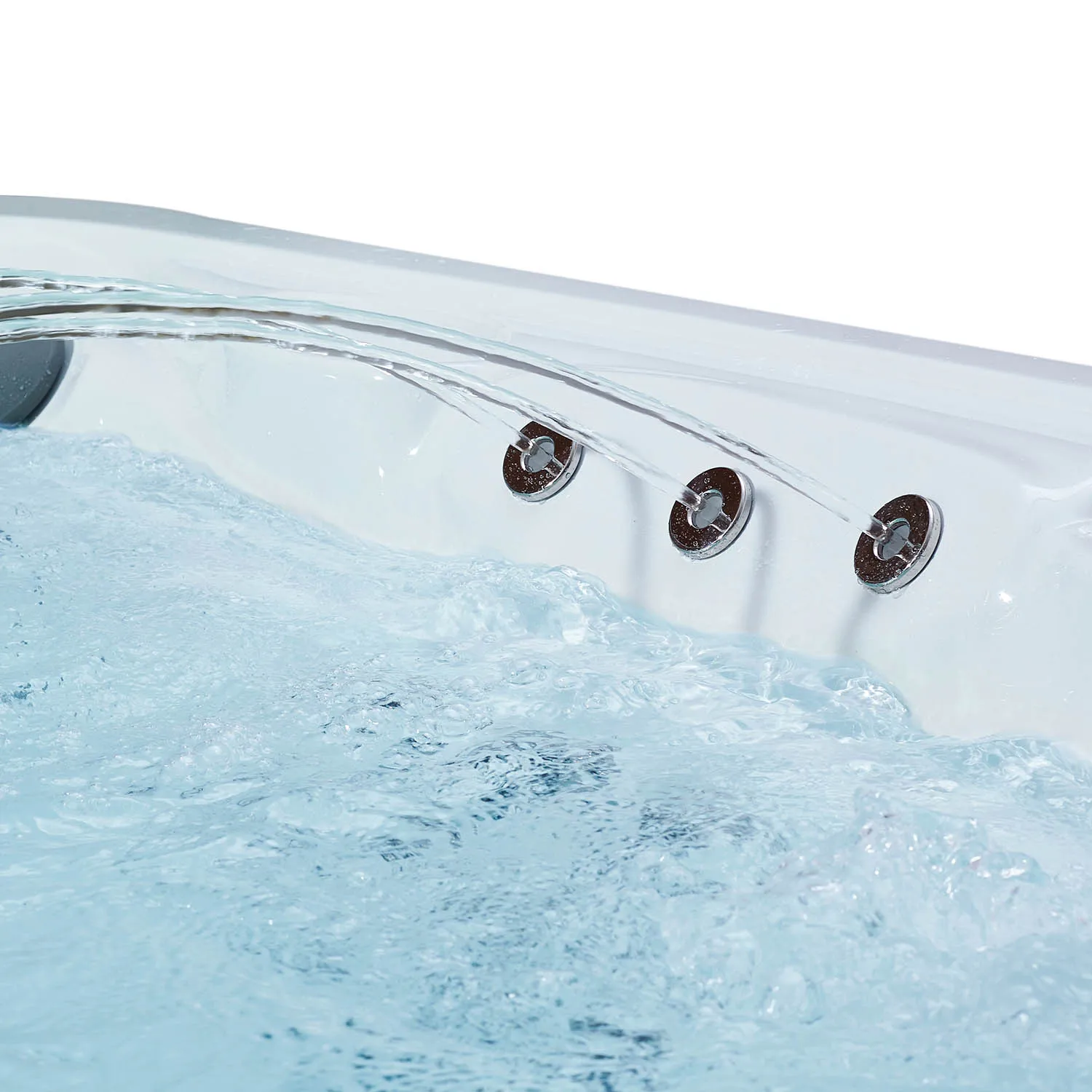
Can children use a spa hot tub?
Children have thinner skin and poorer thermoregulation, making them more sensitive to high temperatures.
Main reasons for not using it:
• High temperatures can cause a rapid rise in body temperature, leading to heatstroke;
• A rapid increase in heart rate may cause discomfort;
• Skin is easily irritated or burned by hot water;
• Children lack the ability to assess danger themselves.
✅ If children must use it, ensure:
• Temperature ≤ 35℃;
• Time ≤ 5–10 minutes;
• Adult supervision at all times;
• Do not immerse the head or face in the water.
Is it suitable for women during menstruation to use a spa hot tub?
It is not recommended to use a spa hot tub during menstruation. Reasons include:
• Hot water accelerates blood circulation, potentially increasing menstrual flow;
• Increased risk of infection (especially in public baths);
• Changes in body temperature may cause dizziness or fatigue.
✅ It is recommended to resume use after menstruation to protect physiological health.
Is a spa hot tub suitable for people with skin conditions?
People with skin conditions (such as eczema, dermatitis, psoriasis, or fungal infections) should avoid bathing.
Main reasons:
• Hot water can irritate the skin, worsening itching or inflammation;
• Wounds and skin flakes may contaminate the water, causing cross-infection;
• Disinfectants (chlorine or bromine) are more irritating to damaged skin.
✅ It is recommended to use a spa hot tub only after the skin has fully recovered.
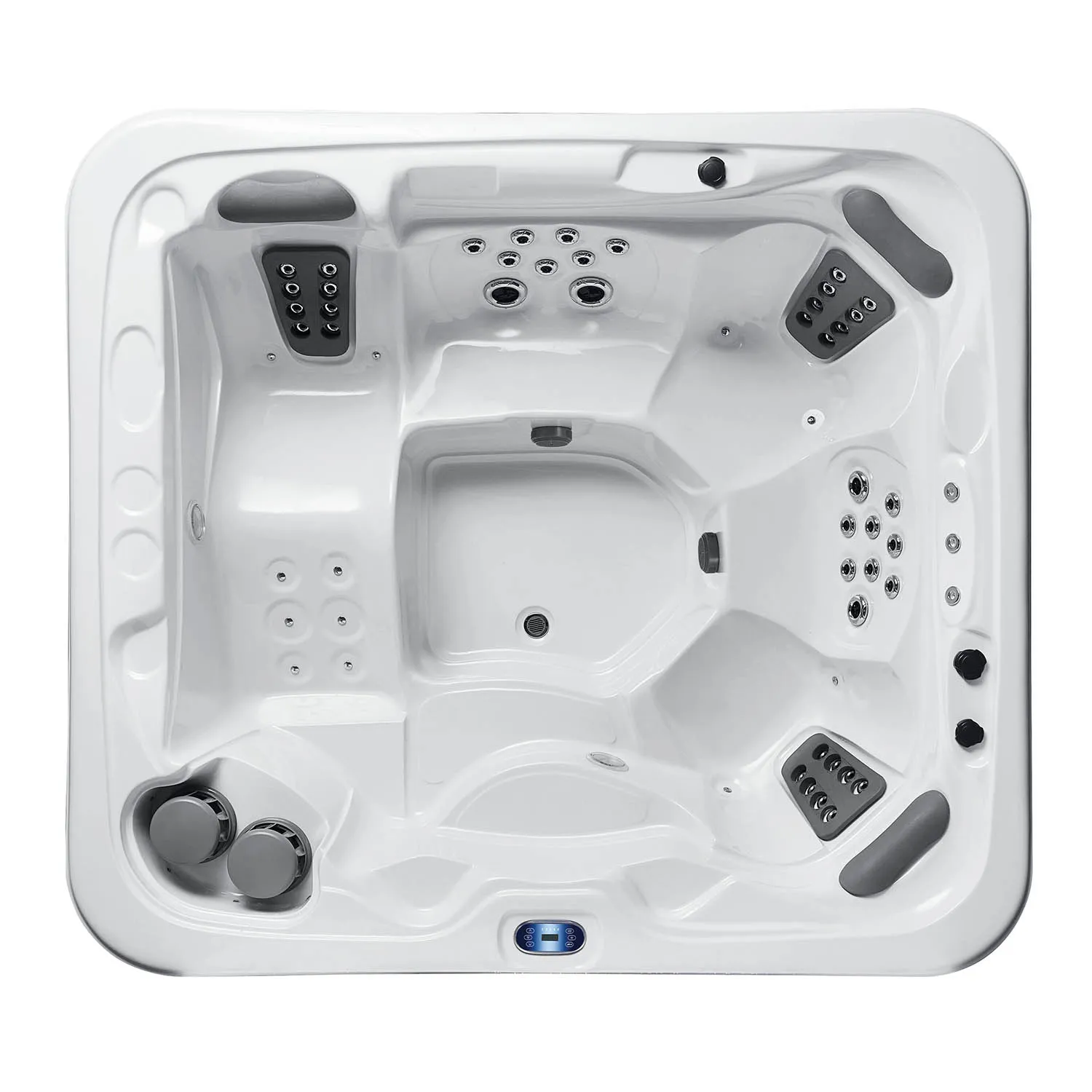
Besides physical conditions, what other situations are unsuitable for using a spa hot tub?
Even in healthy individuals, there are certain environments or conditions that preclude its use.
1. Immediately after exercise, get into hot water
After exercise, blood flow is concentrated in the muscles. Immediately entering a hot spa tub can cause a sudden drop in blood pressure, leading to dizziness.
It is recommended to rest for at least 15-30 minutes before bathing.
2. On an empty stomach or after a large meal
When fasting, blood sugar is low, making dizziness more likely. Bathing immediately after a meal can affect digestion.
The ideal time is 1-2 hours after a meal.
3. When emotionally stressed or excessively fatigued
An unstable mental state and fluctuating blood pressure can easily trigger fainting or discomfort when bathing.
What equipment supports your outdoor spa manufacturing process?
Yuehua operates a modern factory equipped with large semi-automatic forming machines, robotic fiberglass spraying systems, PU foam spraying machines, CNC drilling and milling machines, and automatic trimming equipment. These advanced facilities support the stable production of outdoor spa, swim spa, massage bathtub, and sauna room products.
Each production stage follows strict SOPs to ensure consistency and quality. As a professional China manufacturer, we invest heavily in equipment to deliver high quality products for global sales, wholesale distribution, and customized orders.