
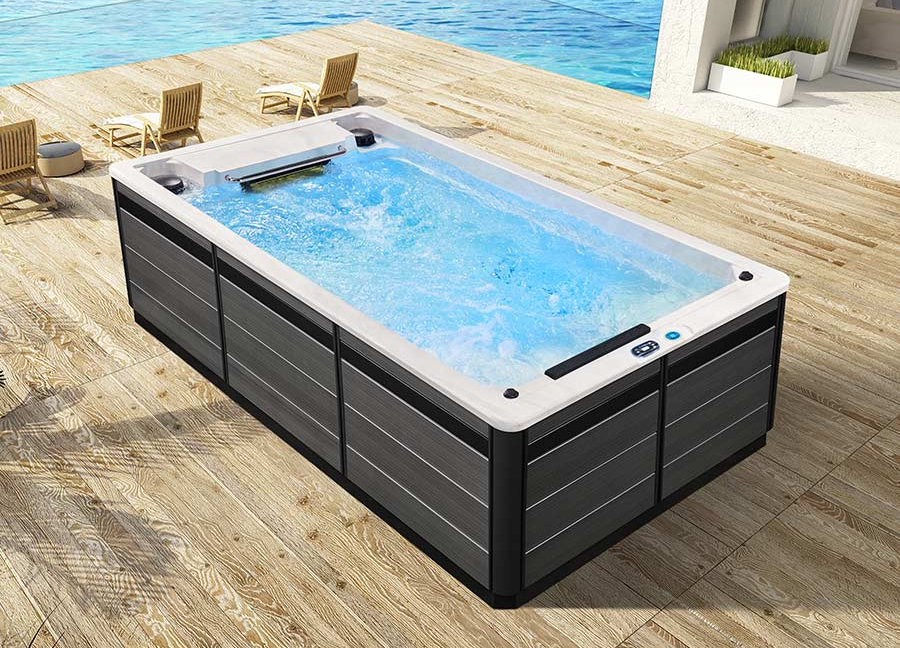






In modern homes and fitness centers, spa hot tubs are popular for their relaxing and muscle-relaxing effects. However, many people overlook a crucial issue—hygiene. If a spa hot tub is not properly cleaned, disinfected, and maintained, it can become a breeding ground for various bacteria, fungi, and viruses, leading to the spread of disease.
This article will systematically analyze the types of diseases that can be transmitted from a poorly hygienic whirlpool spa hot tub, the routes of infection, and key prevention points from a microbiological and skin health perspective.
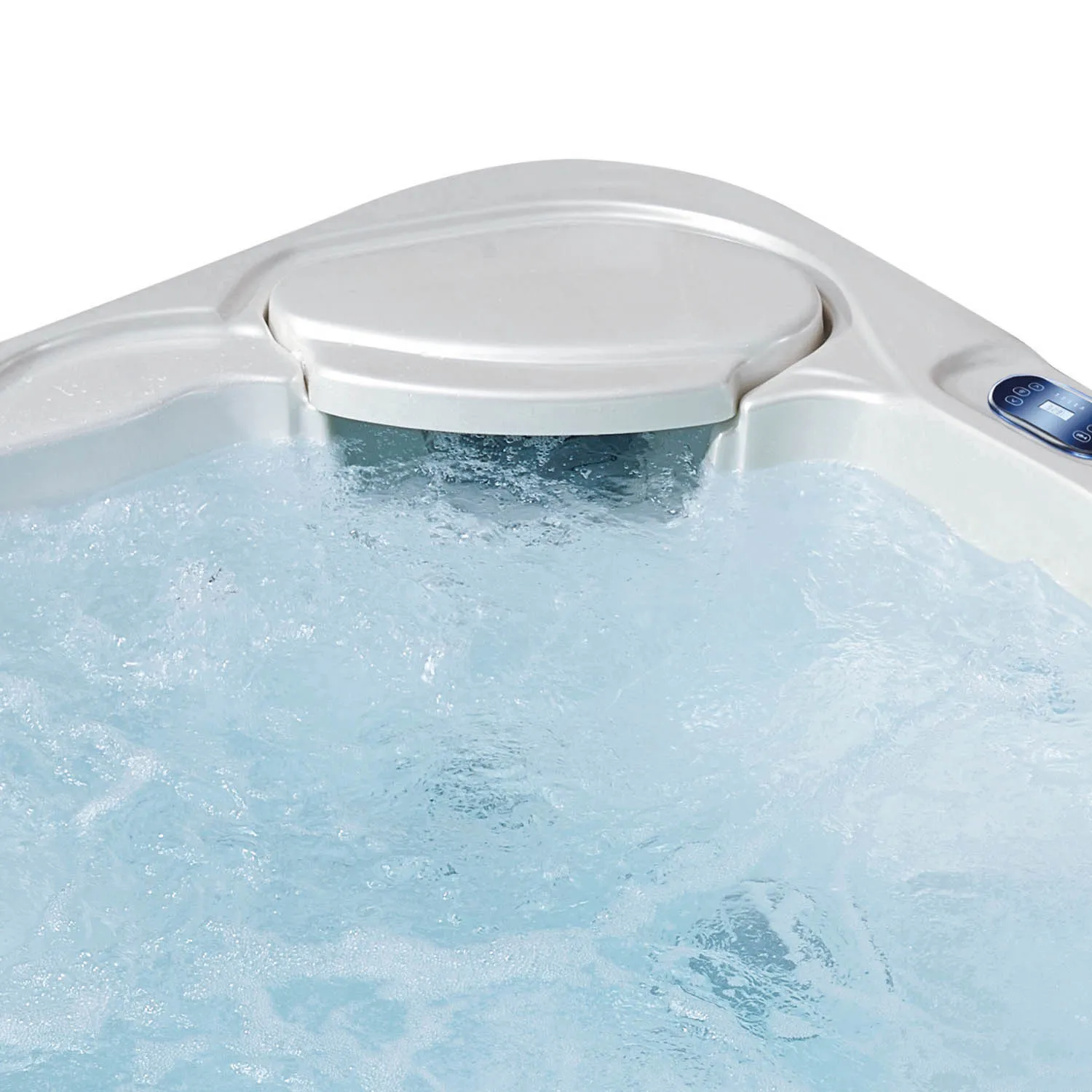
Why are spa hot tubs prone to bacterial growth?
Spa hot tubs work by providing a massage and relaxation experience through a constant-temperature circulating water system and high-pressure nozzles. The water temperature is typically maintained between 37℃ and 40℃, a temperature range that is ideal for the growth of many bacteria and fungi.
Unlike ordinary bathtubs, the water in a whirlpool spa hot tub is not completely changed after each use; instead, it is circulated through a filtration system and disinfectant. If cleaning or disinfection is not thorough, bacteria can accumulate and multiply in the pipes, nozzles, filter cotton, and even the foam on the water surface. Especially when there are many users and high usage frequency, water pollution problems can worsen rapidly.
What are the most common pathogenic microorganisms in spa hot tubs?
To understand the health risks posed by whirlpool spa hot tubs, we must first understand some of the most common types of microorganisms present. These can lead to skin infections, respiratory infections, and even systemic diseases.
1. Pseudomonas aeruginosa
Pseudomonas aeruginosa is a very resilient bacterium in warm water environments. It can survive in filters, pipes, and nozzles, forming biofilms that are difficult to remove.
In unclean spa hot tubs, it often causes a skin condition known as "Hot Tub Folliculitis." This infection manifests as folliculitis, rashes, itching, and even pustules, usually appearing within 24 to 48 hours of exposure.
2. Legionella pneumophila
Legionella is widespread in warm water environments and can proliferate rapidly when the concentration of disinfectant in the spa hot tub is insufficient.
When used, the sprayed bubbles dissolve bacteria, which are then inhaled into the air. Inhalation can cause Legionnaires' Disease or Pontiac Fever, with symptoms including fever, cough, and pneumonia; in severe cases, it can be life-threatening.
3. Staphylococcus aureus
Staphylococcus aureus can cause infection through broken skin, leading to pustules, redness, swelling, and pain. This type of infection is highly likely to occur if the user enters the spa hot tub without washing their body, with open wounds, or immediately after shaving.
4. Fungi (such as Candida albicans and Aspergillus)
The warm, humid bathtub environment is also ideal for fungal growth, especially when the water circulation system is not properly maintained.
These fungi can cause athlete's foot, tinea pedis, and Candida infections; prolonged exposure can cause skin peeling, itching, and discomfort.
5. Mold and Algae
While mold and algae themselves are not necessarily directly pathogenic, their presence indicates water quality imbalance and a malfunctioning disinfection system. Mold metabolites can irritate the respiratory tract, triggering allergies or asthma symptoms.
How can diseases be transmitted through a spa hot tub?
The transmission of diseases through a whirlpool spa hot tub mainly occurs in the following three ways:
1. Direct Skin Contact
This is the most common route of infection. Minor abrasions, enlarged pores after shaving, and even dry, cracked skin can all provide entry points for bacteria. This risk is particularly pronounced in shared spa hot tubs.
2. Inhalation of Aerosols
When hot water is sprayed through a high-pressure nozzle, it creates aerosols containing droplets of bacteria or viruses. Inhaling these aerosols is a significant route of transmission for respiratory pathogens such as Legionella.
3. Cross-Contamination
Residual cosmetics, body oils, dead skin cells, and sweat from users enter the circulatory system, becoming a nutrient source for microorganisms. If the filtration system is not cleaned regularly, new users face an even higher risk of infection.
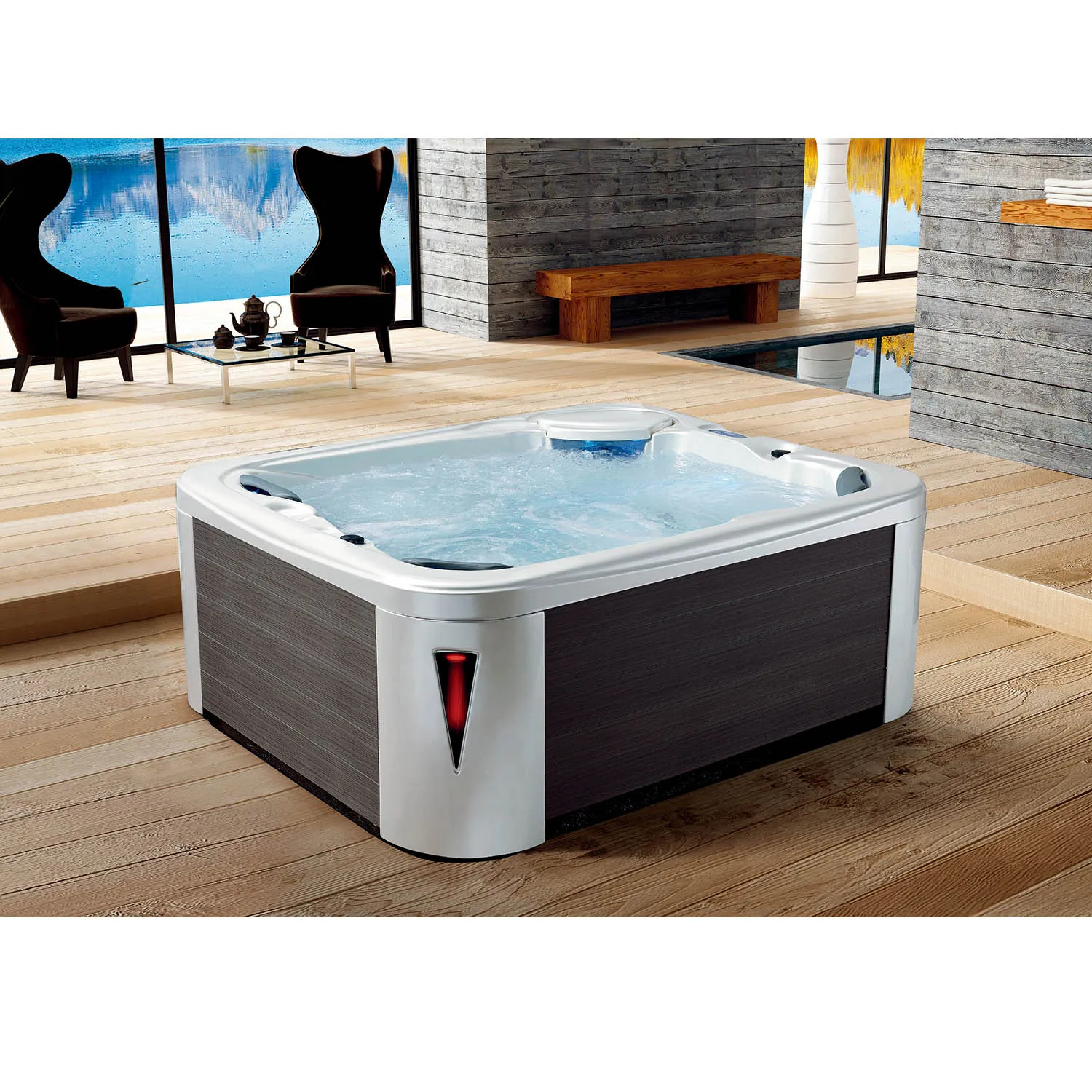
What diseases can be transmitted from an unhygienic spa hot tub?
The following are the main types of diseases associated with unclean whirlpool spa hot tubs, all of which are confirmed in clinical and public health fields.
1. Hot Tub Rash
Caused by Pseudomonas aeruginosa, symptoms include rashes, itching, folliculitis, or small pustules on the skin. While most cases resolve on their own, frequent infections can lead to chronic skin inflammation.
2. Legionnaires' Disease
This is one of the most serious spa hot tub-related infections. Symptoms include high fever, cough, muscle aches, and chest pain. The causative agent, *Legionella*, is often transmitted via aerosols.
3. Fungal Dermatitis
Infections such as athlete's foot, tinea corporis, and candidiasis are often caused by prolonged soaking in an unsterilized spa hot tub and commonly present with itching, erythema, or peeling.
4. Eye and Ear Infections
When bacterial splashes enter the eyes or ear canals, they can cause conjunctivitis or otitis externa. Swimmer's ear is a typical example, caused by Pseudomonas aeruginosa.
5. Gastrointestinal Discomfort
If E. coli or Salmonella are accidentally swallowed from bathwater, it can cause diarrhea, nausea, or vomiting.
How to Determine if a Spa Hot Tub is Unclean?
To determine the hygiene of a spa hot tub, consider the following:
• Observe the water quality: The water should be clear and transparent. If it is cloudy, foamy, or has a strong odor, it indicates water contamination.
• Inspect the surfaces: If the nozzles, edges, or filter screen feel slimy or have scale buildup, it indicates that a biofilm has formed.
• Check the disinfectant concentration: Insufficient chlorine or bromine content can directly lead to bacterial growth.
• Check the maintenance frequency: If the equipment has not been cleaned, the filter cartridge replaced, or the pH level not checked for a long time, the hygiene risk is extremely high.
How to Prevent Disease Transmission from Spa Hot Tubs?
1. Regularly Change and Filter Water
It is recommended to change all water every 7–14 days and thoroughly clean the filtration system to prevent bacteria from remaining in the pipes.
2. Maintain Appropriate Disinfectant Concentration
The chlorine content should be maintained at 1–3 ppm, and the bromine content at 2–6 ppm. Regularly check the pH value of the water; the ideal range is 7.2–7.8.
3. Clean Nozzles and Pipes
Nozzles and water circulation pipes are prone to biofilm growth. Clean them at least once a month using a dedicated cleaning agent or peroxide-based product.
4. Rinse Your Body Before and After Bathing
Showering before bathing reduces the amount of skin oil and dirt entering the water; rinsing after bathing helps remove any bacteria that may be attached.
5. Avoid Multiple People Using the Spa Hot Tub Simultaneously for Extended Periods
The more users and the longer the usage time, the faster bacteria grow. Properly scheduling usage helps maintain the hygiene of the whirlpool spa hot tub.
6. Control the Water Temperature
The water temperature should not exceed 40℃. Excessive heat not only accelerates the decomposition of disinfectants but can also irritate the skin.
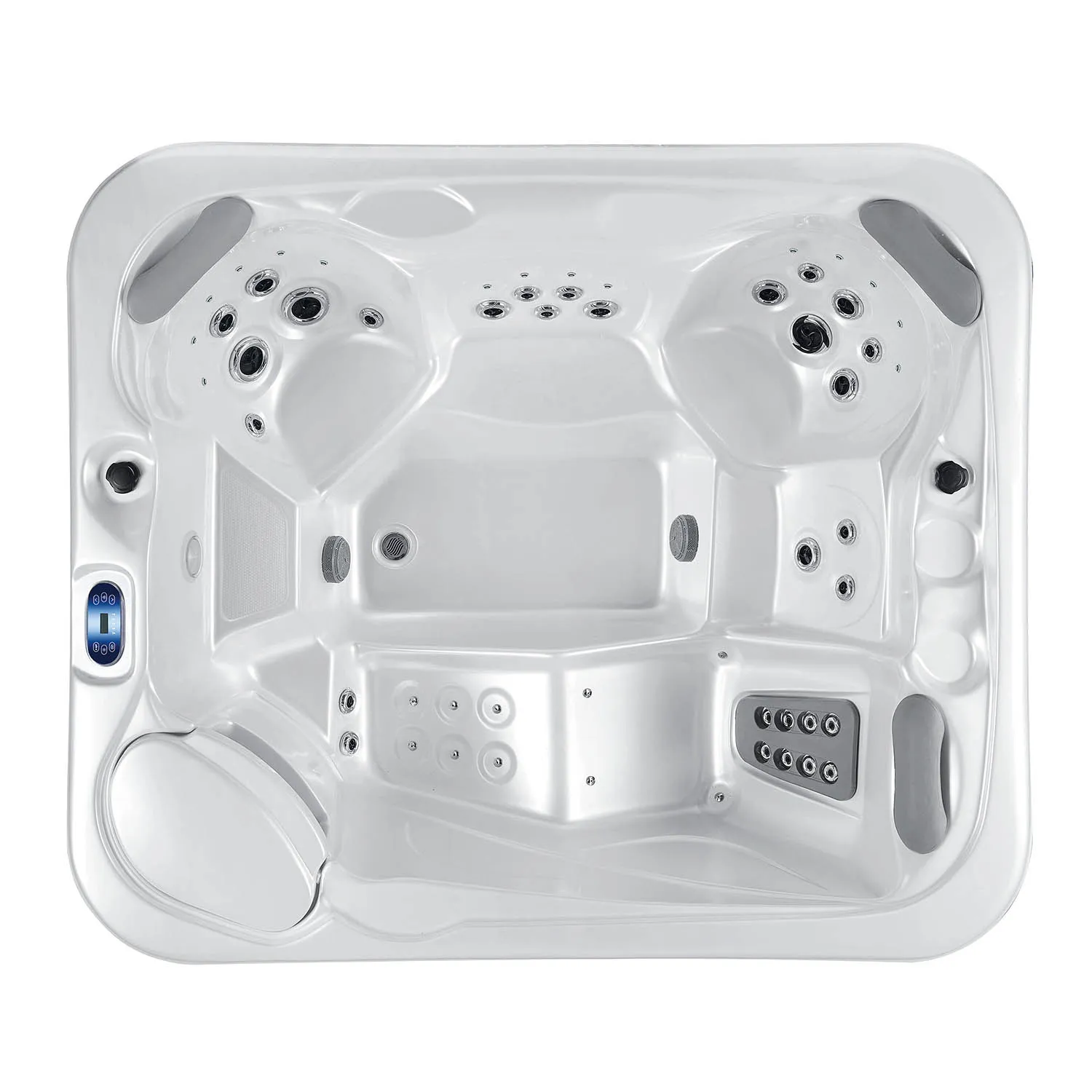
What are the public health recommendations for spa hot tubs?
In public places such as hotels, gyms, and spa resorts, the management of spa hot tubs should be even stricter. According to international public health agencies:
• Test and record water quality data daily;
• Establish "Spa Hot Tub Usage Guidelines" to remind users to rinse before bathing;
• Have the system thoroughly cleaned and the pipes disinfected regularly (monthly or quarterly) by professional maintenance personnel;
• If a user develops a skin infection, use should be immediately suspended and the tub should be re-disinfected.
Which groups are more susceptible to infection when using a spa hot tub?
The following groups are more likely to contract illness from contact with unclean spa hot tubs:
• Individuals with weakened immune systems (e.g., diabetics, the elderly);
• Individuals with compromised skin barriers (e.g., those with unhealed wounds or skin diseases);
• Pregnant women and children;
• Individuals who have recently shaved or had hair removal.
They should avoid using whirlpool spa hot tubs with uncertain hygiene conditions as much as possible, or rinse their bodies and change clothes immediately after use.
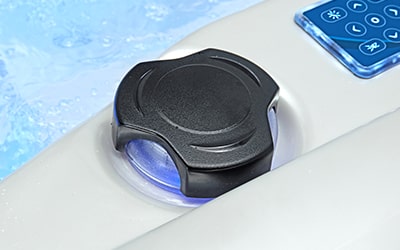
Spa Hot Tubs Offer Both Comfort and Health Risks
While whirlpool spa hot tubs are indeed a symbol of relaxation and wellness in modern life, lurking behind this comfort are potential hygiene hazards. Neglecting cleaning and maintenance can turn them into breeding grounds for bacteria and the spread of disease.
From Pseudomonas aeruginosa to Legionella, from skin inflammation to respiratory infections, each disease reminds us that cleaning and disinfecting spa hot tubs is crucial for safe use.
Maintaining good water quality management, regular maintenance, and scientific disinfection are essential to truly enjoying a healthy and safe spa experience.
What is the standard production lead time for outdoor spa and swim spa orders?
The standard production time for Yuehua outdoor spa, swim spa, and sauna room products is approximately 35 days. As a professional manufacturer, we follow standardized production procedures from molding to assembly, inspection, and packaging. If customers request modifications during production, the lead time may be adjusted accordingly. Our factory emphasizes production efficiency while maintaining high quality standards, ensuring buyers receive reliable products within a reasonable timeframe.