


Steam shower bathrooms, as a high-end feature of modern family bathrooms and home health facilities, have gained widespread attention for their comfortable steam sauna experience and beauty and health benefits.
Many families have a question during installation: Can an indoor steam shower bathroom be placed directly on carpet?
This article will provide a professional analysis of the structural principles, floor load requirements, and waterproofing aspects of steam shower bathrooms to help readers fully understand the relationship between carpets and steam shower bathroom installation.
Steam Shower Bathroom: Structure and Working Principle
1. Components of a Steam Shower Bathroom
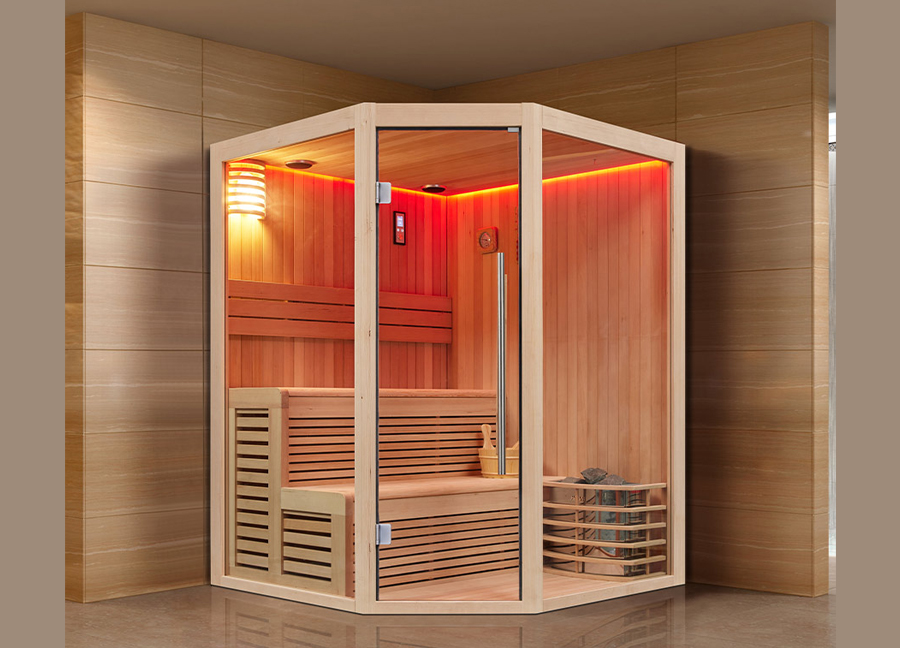
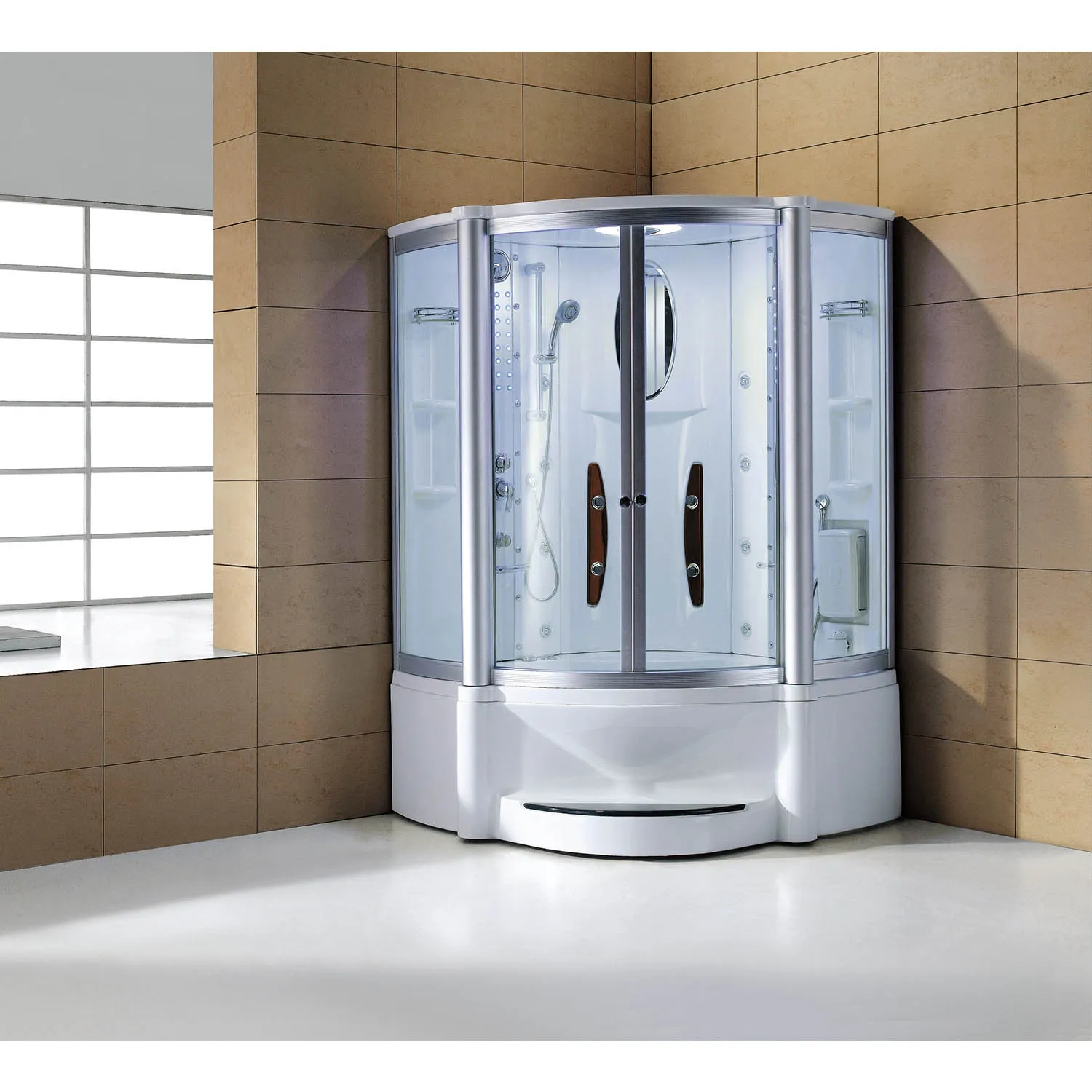
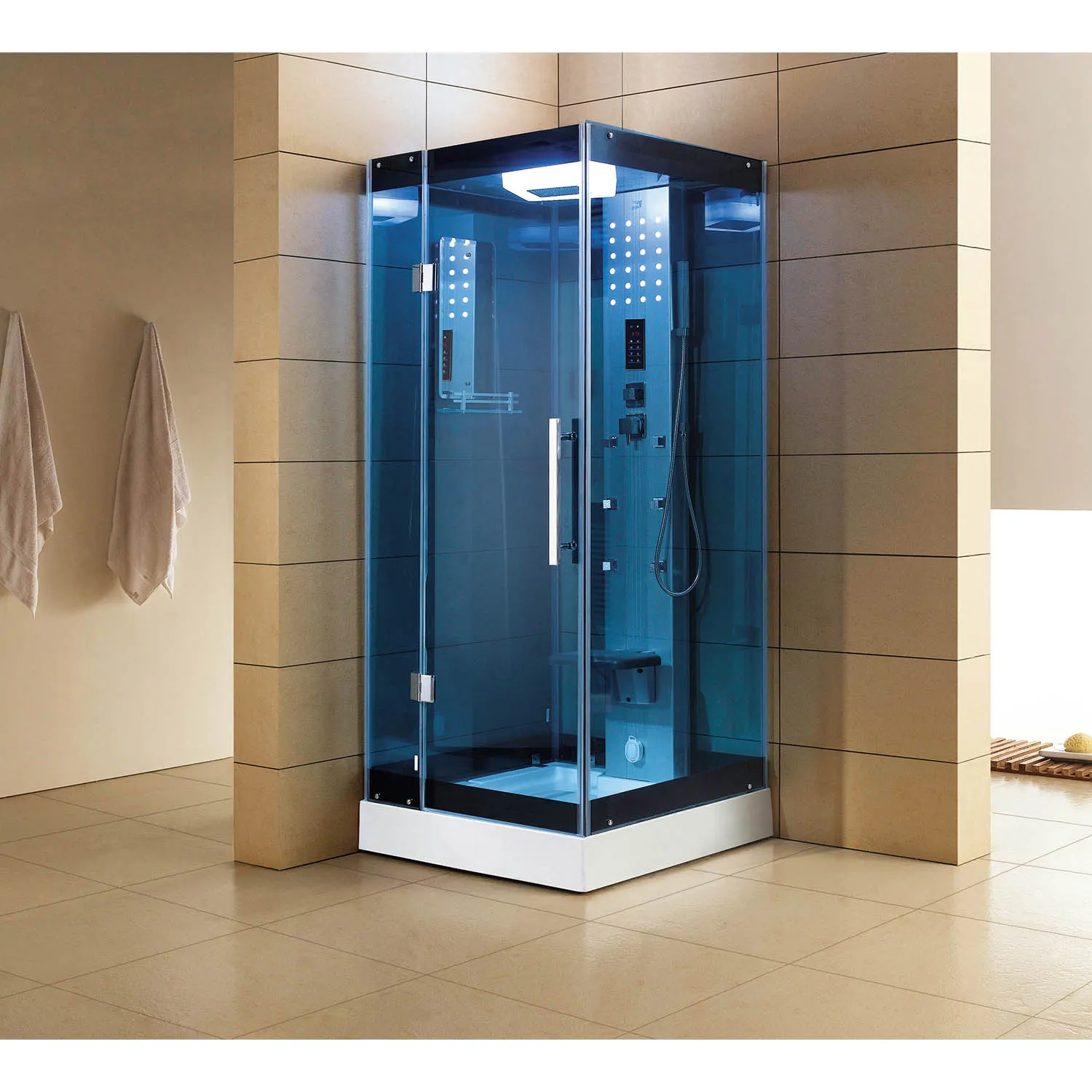
A typical home steam shower bathroom consists of the following core components:
• Steam Generator: Heats water into high-temperature steam and delivers it to the bathroom through pipes.
• Enclosed Bathroom Space: Usually constructed of waterproof glass, reinforced panels, or moisture-resistant wood to ensure steam does not leak out.
• Drainage System: Features a drain outlet at the bottom to ensure smooth drainage of condensed water.
• Control System: Used to regulate temperature, humidity, and steam duration; some units also include music, lighting, and aromatherapy functions.
2. Steam Shower Working Principle
A steam shower bathroom generates steam through a high-temperature, high-humidity environment, bringing the indoor air close to saturation. This raises body surface temperature, dilates capillaries, promotes perspiration, hydrates the skin, and simultaneously promotes blood circulation and lymphatic drainage. This environment gives steam showers multiple benefits, including beauty enhancement, relaxation, and muscle soothing.
Carpet Contact Issues in Steam Shower Bathrooms
1. Carpet Material Characteristics
Ordinary indoor carpets are generally composed of fiber fabric, a backing layer, and flexible filling. Their main characteristics include:
• High water absorption: The fibers and filling layer easily absorb moisture.
• Limited slip resistance: The carpet surface may become slippery in damp environments.
• Low pressure resistance: Long-term weight-bearing may cause fiber flattening or damage to the backing.
• Poor mold resistance: Mold and bacteria can easily grow in prolonged damp environments.
2. Characteristics of the Steam Shower Bathroom Environment
• High humidity: The indoor humidity in a steam shower bathroom can approach 100% during use.
• Condensation: Steam will condense into water droplets upon cooling, potentially flowing out or leaking from the bottom.
• Temperature Increase: The bottom may experience localized overheating, affecting the contact materials.
Considering the characteristics of carpet and the environment of a steam shower bathroom, it's clear that carpet is not suitable as a direct load-bearing and contact base for a steam shower bathroom.
What are the risks of placing a steam shower bathroom on carpet?
Placing a steam shower bathroom directly on carpet presents the following risks:
1. Waterproofing Issues
• During a steam shower, condensation and small amounts of water may occur on the floor.
• Carpet fibers absorb water and are prone to prolonged dampness, damaging the fiber structure.
• In humid environments, the backing material may seep into the floor or subfloor, causing wood flooring to swell, tiles to loosen, or flooring to mold.
2. Stability and Load-Bearing Issues
• Steam shower bathrooms are typically heavy, especially the glass doors, seating, and steam equipment.
• Soft and easily deformed carpets may cause instability in the bathroom, creating a risk of tilting or wobbling.
• Prolonged unstable use may damage the bottom and sealing strip of the steam shower bathroom, affecting its airtightness and safety.
3. Hygiene and Mold Risks
• Damp carpets are prone to mold and bacteria growth, creating odors and posing potential health threats.
• The warm and humid environment of a steam shower bathroom is more conducive to microbial growth.
• Carpets are in prolonged contact with the bottom material, making cleaning difficult and increasing the complexity of hygiene management.
4. Electrical Safety Hazards
• Steam shower bathrooms require an electrical supply, especially for the steam generator and control system.
• Moisture absorption by the carpet may increase the risk of electrical leakage from the bottom, especially when condensation occurs during use.
• Moisture trapped on the carpet may cause electrical outlets or wiring to become damp, creating safety hazards.
What are the requirements for the floor when installing a steam shower bathroom?
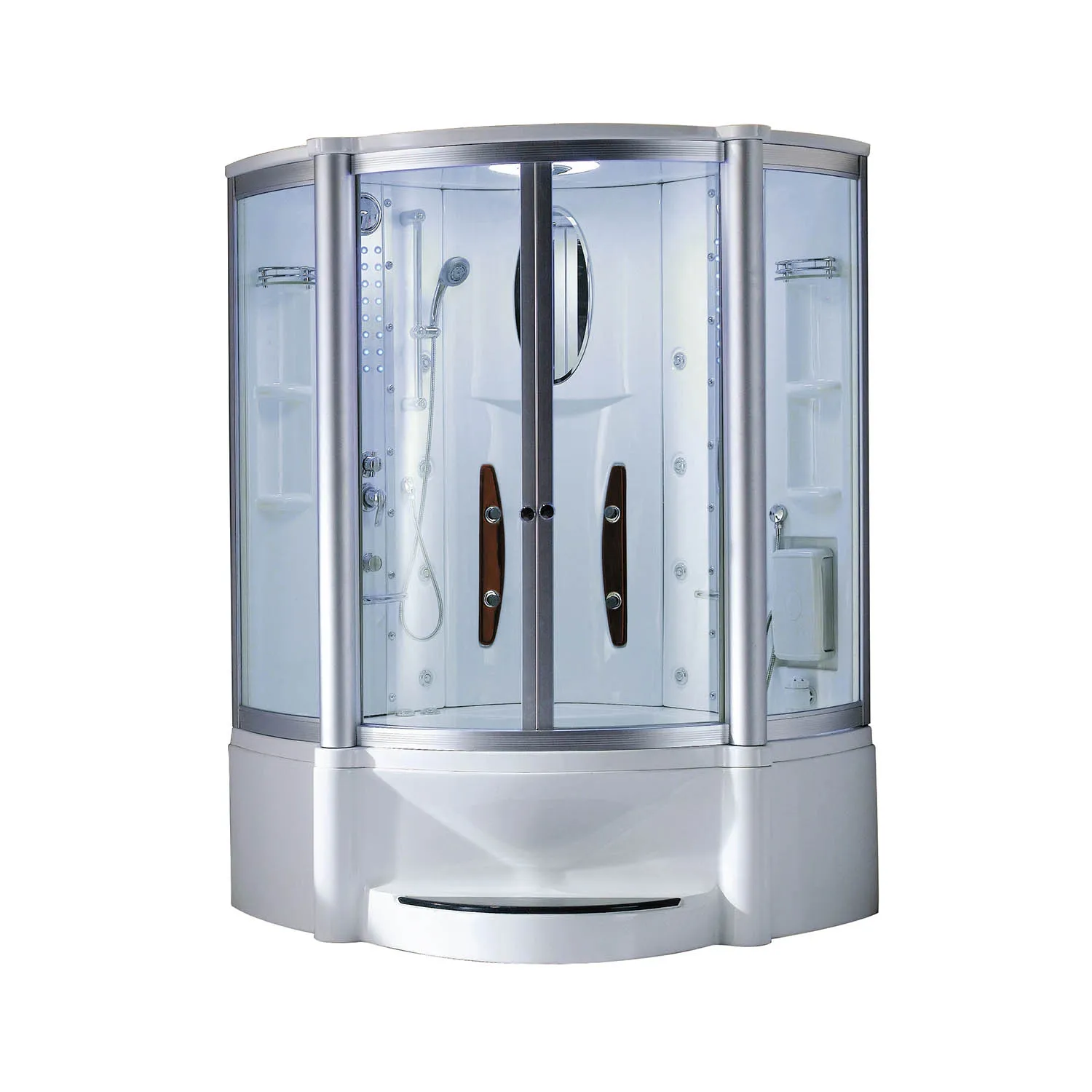
To ensure safety and long-term use, the installation of a steam shower bathroom should meet the following floor requirements:
1. Hard, flat floor
• Cement or tile floor: Good load-bearing capacity, flatness, and strong waterproof performance make it the most suitable floor for installing a steam shower bathroom.
• Waterproof Coating: Waterproofing is applied to the floor and walls to ensure steam and spillage cannot penetrate.
• Slope Design: A slight slope design at the drain outlet ensures timely drainage of condensation and prevents water accumulation.
2. Anti-slip Treatment
• The steam shower environment is slippery. It is recommended to use anti-slip tiles or install an anti-slip base to ensure user safety.
• Carpets do not provide sufficient anti-slip properties, especially when wet.
3. Structural Load-Bearing Requirements
• The floor must be able to support the weight of the steam shower bathroom itself and the user's weight.
• Ensure the bottom sealing strip is intact to prevent instability, tilting, or leaks.
Safe Alternatives to Carpets for Steam Shower Bathrooms
If you wish to install a steam shower bathroom in a carpeted area, there are several safe alternatives:
1. Supporting Plate or Platform Under Carpet
• Use waterproof, corrosion-resistant wooden boards or metal trays as a base to support the steam bathroom on a rigid, load-bearing platform.
• Ensure air circulation between the platform and the floor to prevent moisture from accumulating.
• The platform surface should be treated with a non-slip coating to increase safety.
2. Portable Steam Shower Tray
• Some home steam shower bathrooms are designed with a dedicated tray base that can be placed directly on hard surfaces.
• Avoid direct contact with carpets and increase drainage channels.
3. Remove Carpet and Install Waterproof Flooring
• The safest method is to remove the carpet and install tile or waterproof wood flooring.
• A flat, sturdy, and waterproof floor ensures long-term safe use of the steam shower bathroom.
Steam Shower Bathroom: Usage and Maintenance Recommendations
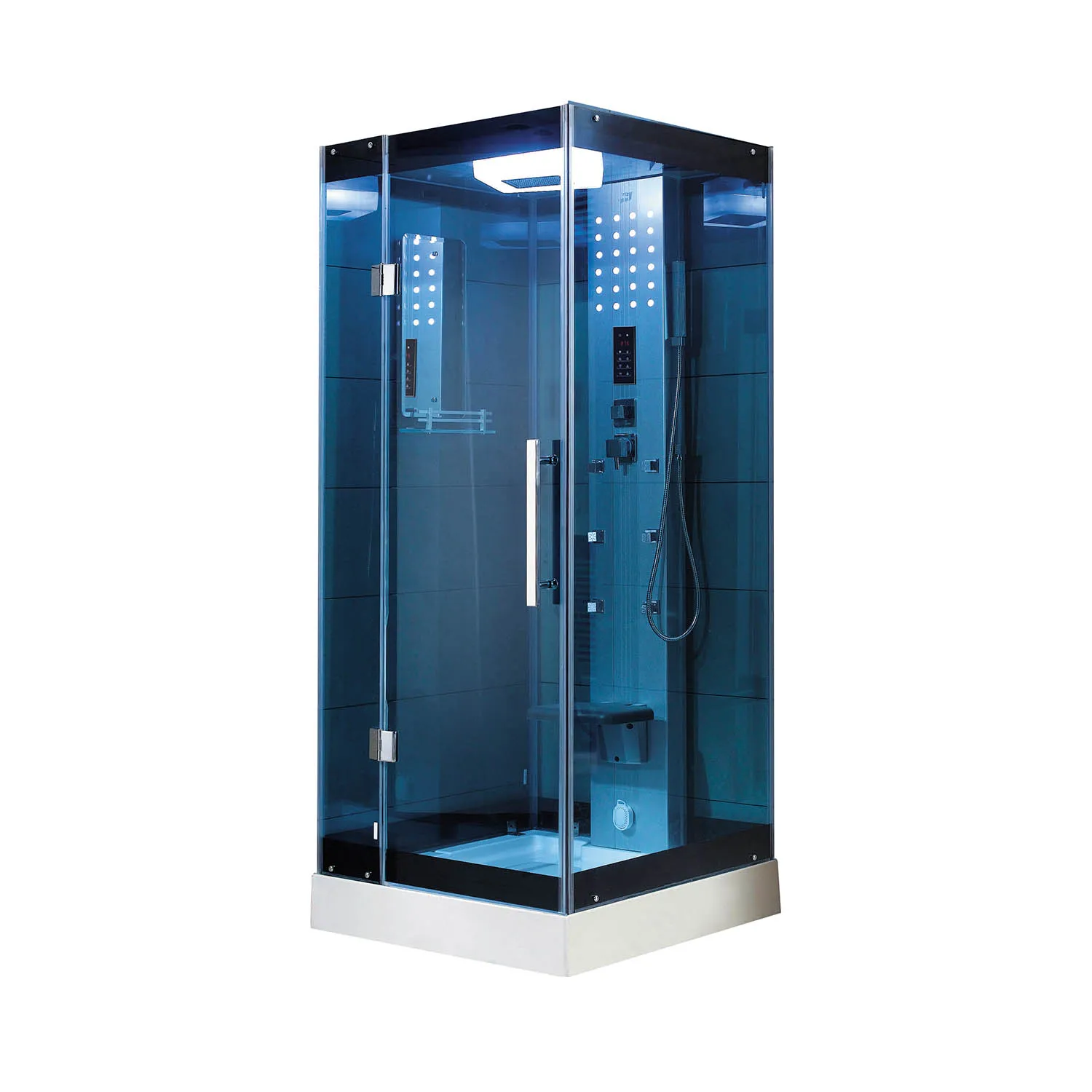
Even if the steam shower bathroom is installed on a safe floor, proper use and maintenance are still very important:
• Drain promptly: Keep the drain unobstructed after a steam shower to prevent water retention.
• Ventilation: Keep the bathroom ventilated after each steam shower to prevent moisture buildup.
• Regular cleaning: Clean the floor, weatherstripping, and glass door regularly to prevent mold and dirt buildup.
• Check sealing: Regularly check the bottom weatherstripping and steam generator connection to ensure there are no leaks.
Can an indoor steam shower bathroom be placed on carpet?
No, an indoor steam shower bathroom should not be placed directly on carpet. Reasons include:
1. Carpets are highly absorbent, prone to dampness and mold, and not waterproof.
2. Carpets are soft and easily deformed, compromising the stability and load-bearing capacity of the steam shower bathroom.
3. Damp carpets increase hygiene risks and electrical safety hazards.
The correct approach is:
1. Install on a hard, flat, waterproof, and non-slip surface, such as tile or waterproof wood flooring.
2. If necessary in a carpeted area, use a load-bearing tray or platform to ensure the bottom is insulated from the carpet.
3. Regular maintenance, drainage, ventilation, and keeping it dry are crucial for the safe use of the steam shower bathroom.
Therefore, for home safety, equipment durability, and hygiene management, steam shower bathrooms should not be placed directly on carpet. Choosing a hard, waterproof surface or a professional tray platform is the scientifically sound approach.
What Makes Your Outdoor Gazebo a Good Match for Spa Products?
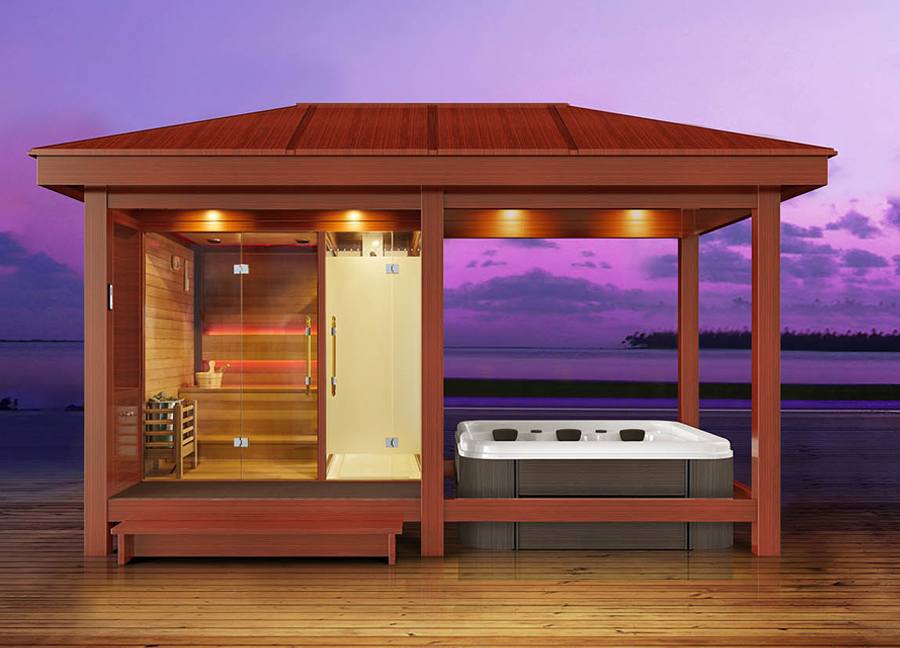
Our outdoor gazebo models are designed to complement outdoor spa and swim spa installations. They provide protection, privacy, and visual harmony for outdoor wellness spaces. Yuehua controls wood processing, structural cutting, and finishing treatments inside our own factory, ensuring stable quality and consistent appearance.
Buyers looking to purchase bundled spa-and-gazebo solutions can benefit from wholesale pricing and customized size or material options.