


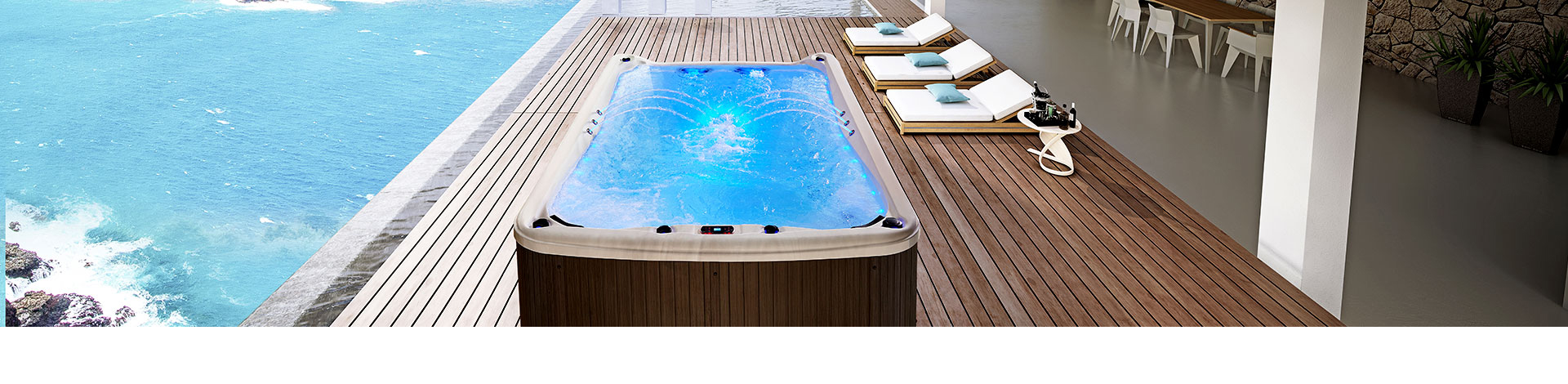
Using a spa hot tub during the winter is one of life's greatest pleasures for many people. The stark contrast between the cold outdoor air and the warm water inside the tub makes for an incredibly relaxing and therapeutic soaking experience.
Consequently, a common question arises: Since it is cold outside, can the hot tub's temperature be set higher—perhaps to 110°F (approximately 43°C)?
The answer is: No.
Even in winter, a water temperature of 110°F is still excessively high and unsafe for a whirlpool spa hot tub. The professionally recommended safety limit remains 104°F (40°C), with the ideal range typically falling between 102°F and 104°F (39°C–40°C). Exceeding this temperature not only poses physical health risks but may also compromise the safety of the equipment and the overall user experience.
This article will systematically explain why 110°F is too hot for a spa hot tub and outline the scientific basis for safe hot tub usage during the winter, providing you with comprehensive professional guidance.
Why Is 110°F Too Hot for a Spa Hot Tub?
1. Exceeding the Safe Temperature Limit
International industry standards generally stipulate that:
The maximum safe water temperature for a whirlpool spa hot tub is 104°F (40°C).
At 110°F, the water temperature not only crosses the safety threshold but also significantly exceeds the range that the human body can comfortably tolerate. This temperature raises the body's internal core temperature and can even accelerate heart rate, increase circulatory stress, and hasten fluid loss—leading to discomfort or even danger.
2. Limited Capacity for Body Heat Dissipation
The human body dissipates heat far less efficiently when submerged in hot water than it does in air.
When the water temperature exceeds 104°F:
•The body is unable to dissipate heat quickly enough.
•The cardiovascular system experiences increased strain.
•Symptoms such as dizziness, nausea, and fatigue may occur.
•Soaking for even short periods becomes difficult to tolerate.
A temperature of 110°F places the body in a state akin to an "overheated environment," creating excessive physical stress even after just a few minutes of soaking.
3. Cold Outdoor Temperatures Do Not Offset the Risks of High Water Temperatures
Many people mistakenly believe that the cold outside air can "neutralize" the high heat of a whirlpool spa hot tub—this is incorrect.
In reality, once you enter the hot water, the external air temperature has a negligible effect on your body. You remain immersed in a high-temperature water environment of 110°F; your body is still dominated by the effects of the hot water, and the associated risks are not diminished.
Why is it not recommended to set a spa hot tub's water temperature to 110°F in winter?
While soaking in a whirlpool spa hot tub is indeed more comfortable during the winter, temperature limits must still be observed for the following reasons:
1. Blood Vessel Constriction is More Pronounced in Winter
Cold temperatures cause blood vessels to narrow. When you suddenly immerse yourself in high-temperature water exceeding 104°F, the rapid transition from "cold" to "hot" places additional strain on your circulatory system, specifically resulting in:
•Greater fluctuations in blood pressure
•An increased heart rate
•A slower rate of bodily adaptation
A water temperature of 110°F further amplifies this physiological shock.
2. Soaking in High Temperatures Accelerates Dehydration
Although air temperatures are low in winter, this does not slow down the rate of dehydration.
A water temperature of 110°F causes your core body temperature to rise rapidly. As your body attempts to dissipate heat through perspiration, the result is:
•Rapid sweating
•Exacerbated dehydration
•Increased physical strain on the body
Furthermore, people often do not perceive their fluid loss as readily in winter, making it easier to overlook the need for hydration.
3. 110°F Can Lead to the Accumulation of Unnoticed Fatigue
While hot water promotes physical relaxation, excessively high temperatures can trigger a different effect:
•Rapid onset of drowsiness or physical weakness
•Diminished concentration
•A distorted sense of time
This is particularly dangerous in winter, as people may be tempted to soak for longer periods to keep warm, thereby exacerbating the risk of overheating.
Why is the safe upper limit for spa hot tub temperatures set at 104°F?
This limit is established based on extensive medical data, human physiological responses, and industry safety certifications.
1. 104°F Represents the Maximum Temperature at Which the Body Can Effectively Dissipate Heat
At temperatures exceeding this limit:
•Core body temperature becomes difficult to regulate
•Heat dissipation efficiency drops significantly
•Heat stress accumulates rapidly
Excessive heat stress is a primary factor contributing to physical discomfort and, in severe cases, fainting.
2. The U.S. Consumer Product Safety Commission (CPSC) Explicitly Mandates:
The temperature control system of a whirlpool spa hot tub must be mechanically limited to a maximum of 104°F to prevent hazards caused by user error.
3. All Industry Standards Designate 104°F as the Safety Limit
This includes:
•Thermostat design
•Heating system safeguards
•User manual instructions
Therefore, setting the temperature to 110°F not only exceeds established standards but also falls outside the equipment's intended normal operating range.
What is the most comfortable temperature setting for a spa hot tub in winter?
Based on a balance of human comfort, physiological thermal response, and energy consumption, the recommended water temperature range for a whirlpool spa hot tub in winter is:
102°F–104°F (39°C–40°C)
This is the widely accepted comfort zone for winter use:
•Sufficiently warm
•Safe for the body to tolerate
•Optimizes therapeutic benefits
•Minimizes the risk of overheating
The differences between these settings are as follows:
Temperature | Suitable Users & Experience
102°F | Users desiring a relaxing, longer soak; individuals with sensitive skin
103°F | Users seeking a distinct sensation of warmth
104°F | Most popular when there is a strong contrast between the cold winter air and the hot water; however, soak duration should be shortened
Exceeding this range constitutes overheating and is not recommended.
What health risks are associated with setting a spa hot tub to 110°F in winter?
1. Hyperthermia (Overheating)
Soaking in water at 110°F for just a few minutes is sufficient to significantly raise the body's core temperature, triggering symptoms such as:
•Dizziness
•Fatigue
•Facial flushing
•Rapid heartbeat
•Weakness
Continued soaking may even lead to fainting.
2. Accelerated Dehydration
A water temperature of 110°F accelerates fluid loss from the body; combined with the naturally lower humidity levels typical of winter, this significantly increases the risk of dehydration.
3. Increased Strain on the Circulatory System
Hot water causes blood vessels to dilate, forcing the heart to work harder to maintain circulation. This can lead to:
•Increased heart rate
•Fluctuations in blood pressure
•Chest tightness or discomfort
4. Imbalance Between Surface and Core Body Temperatures
This creates a situation akin to "spending too long in a sauna"—only more intense—because water transfers heat 25 times more efficiently than air.
5. Increased Fatigue and Reduced Concentration
High temperatures induce a state of extreme relaxation, or even physical exhaustion. The danger lies in the fact that you may fail to recognize the physical strain your body is under until it is too late.
Therefore, even healthy adults are advised against soaking in water temperatures exceeding safe limits.
Why do so many people mistakenly believe that 110°F is a safe temperature during the winter?
This misconception is primarily driven by the following myths:
Myth 1: It’s cold outside, so the water naturally needs to be hotter.
In reality, once the body is immersed in hot water, the influence of the ambient air temperature becomes negligible.
Myth 2: The hotter the hot tub, the greater the "hydrotherapy" benefits.
Heat is not the sole source of hydrotherapy's effectiveness; rather, the core benefits stem from water-jet massage and the ergonomic positioning provided by the tub.
Myth 3: The sensation of intense heat is mistaken for comfort.
While high temperatures do initially induce a sense of relaxation, the associated dangers—such as dizziness or a racing heartbeat—often manifest only *after* that initial feeling of comfort has set in.
These misunderstandings lead some users to inadvertently set the water temperature too high—despite the fact that 110°F already far exceeds safe limits.
How should you correctly set the water temperature when using a spa hot tub during the winter?
Here is the most professional guide for winter settings:
Recommended Setting: 102°F–104°F
•Suitable for most outdoor soaking scenarios during winter.
•Effectively keeps the body warm.
•Less likely to cause fatigue or dizziness.
•Provides an excellent massage experience.
In Extremely Cold Temperatures (e.g., near freezing):
You may opt for:
•104°F, but limit soaking time to 15–20 minutes.
•Ensure you thoroughly dry off and keep warm immediately after soaking.
Not Recommended: Temperatures Exceeding 104°F (the safety limit for hot tubs)
•This includes temperatures such as 105°F, 106°F, 108°F, 110°F, etc.
•The associated risks far outweigh any perceived increase in comfort.
•These temperatures fall within the unsafe range.
What are the best techniques for keeping your hot tub warm—but not overheated—during the winter?
To ensure your spa hot tub operates more energy-efficiently, stably, and comfortably during the winter, consider the following methods:
1. Use a High-Quality Insulated Cover
This minimizes heat loss and helps maintain a constant water temperature.
2. Use "Sleep Mode" (if supported by your unit)
This helps conserve energy while maintaining a safe temperature.
3. Set a Constant Temperature Range
Avoid frequent temperature adjustments; simply maintain a steady range of 102°F–104°F.
4. Avoid Prolonged Soaking During Snowstorms or High Winds
Strong winds can cause your body surface temperature to drop, yet the risk of overheating within the water remains.
Can a hot tub's temperature control system allow the water to reach 110°F?
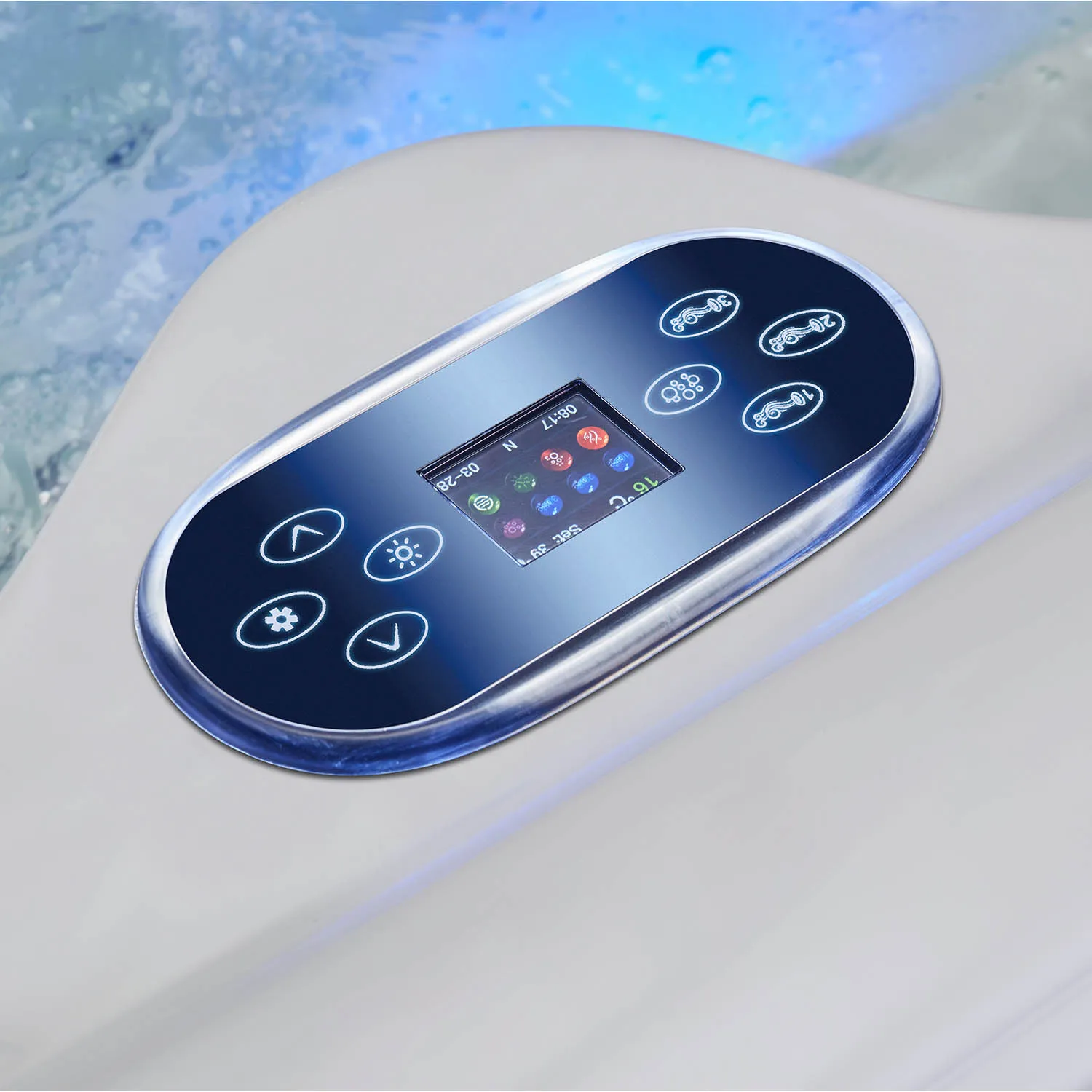
Most units are designed to prevent users from setting the water temperature above 104°F.
If the temperature reaches 110°F, it typically indicates:
•A damaged temperature control system.
•An out-of-control heating element.
•A faulty control panel.
•A malfunctioning temperature sensor.
This is a warning sign; you must stop using the hot tub immediately and inspect it for maintenance issues.
No properly functioning hot tub should ever allow the water temperature to reach 110°F.
Is 110°F too hot for a hot tub during the winter?
—Yes, it is both too hot and unsafe.
No matter how cold the outside temperature gets or how the surrounding environment changes, a whirlpool spa hot tub temperature of 110°F (43°C) falls within the danger zone and is not suitable for soaking.
The key temperature range for safely using a spa hot tub during the winter is:
102°F–104°F (39°C–40°C)
This is the most comfortable, stable, and safe range.
110°F not only exceeds industry standards but can also lead to:
•Overheating
•Dehydration
•Elevated heart rate
•Dizziness or weakness
•Strain on the circulatory system
Therefore, when soaking in the winter, ensure the water temperature remains within the safe range so that your body stays both warm and secure.
Are outdoor spa products tested before delivery?
Every outdoor spa, swim spa, sauna room, and massage bathtub produced by Yuehua undergoes rigorous testing prior to shipment. Our factory conducts functional checks, water testing, and safety inspections to ensure that each product meets our quality standards. This process minimizes potential after-sales issues and ensures that buyers receive reliable products. As a trusted manufacturer and supplier, Yuehua places the highest priority on product performance and customer satisfaction.