


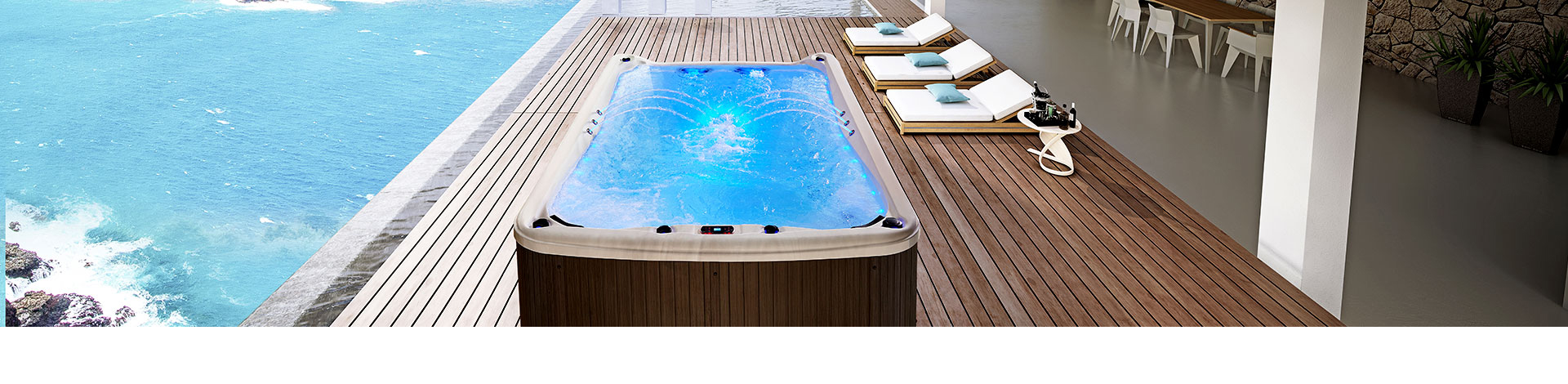
Shock treatment is a crucial step in maintaining swim spa hot tub water quality. Many owners encounter a common question during routine maintenance: Is it better to shock the swim spa during the day or at night?
From a water quality management perspective, most professional recommendations favor shocking the swim spa hot tub at night. This is because the nighttime environment allows the sanitizer to work more stably without being compromised by intense sunlight.
This article analyzes the issue from multiple angles to help you fully understand the best timing, underlying principles, and important considerations for shock-treating your swim spa.
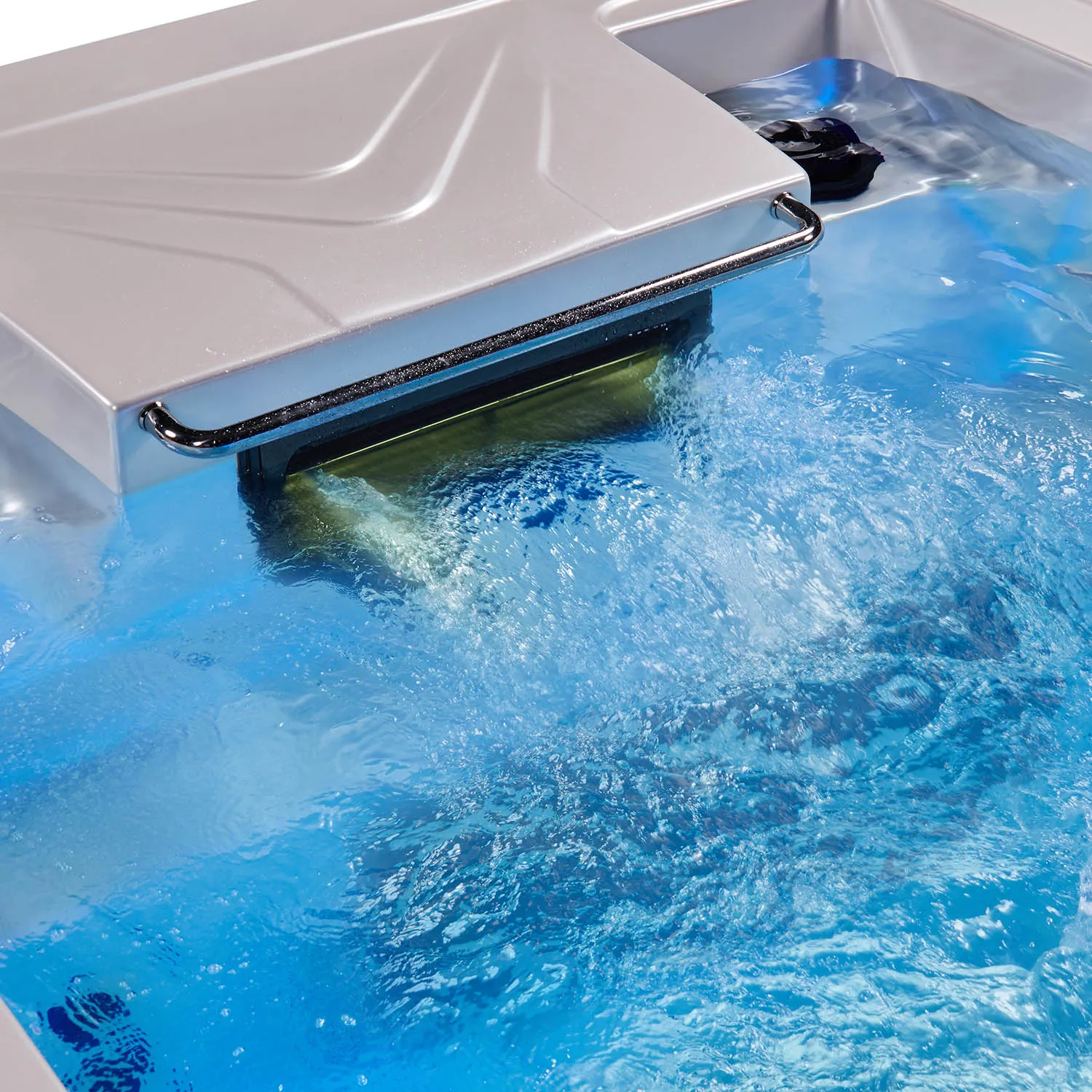
What is swim spa hot tub shock treatment?
Shock treatment typically involves adding a high dose of an oxidizer or sanitizer to the swim spa hot tub to rapidly break down contaminants in the water. During daily use, various substances gradually accumulate in the water, such as:
•Sweat introduced by bathers
•Residue from skincare products and cosmetics
•Body oils and organic matter
•Ammonia compounds
•Trace contaminants
When these substances accumulate, standard sanitizer levels may not be sufficient to break them down quickly and completely. Therefore, shock treatment is required to boost oxidation capacity and restore water quality.
Shock treatment generally helps achieve the following goals for a swim spa:
•Breaking down organic contaminants
•Reducing odors
•Improving sanitization efficiency
•Restoring water clarity
Consequently, shock treatment has become a standard procedure in swim spa hot tub maintenance.
Why do many people recommend shocking the swim spa at night?
In practice, many professional recommendations suggest that night is the optimal time for shock treatment.
The primary reason is that sunlight affects the stability of sanitizers.
Many sanitizers used in swim spa hot tubs—such as chlorine or oxidizing shock agents—can break down when exposed to ultraviolet (UV) radiation. Ultraviolet (UV) rays in sunlight accelerate the degradation of these chemicals, thereby reducing the effectiveness of shock disinfection. If shock disinfection is performed during the day, a portion of the sanitizer may be destroyed by sunlight before it can fully take effect.
Conversely, performing shock disinfection at night allows the sanitizer to work continuously without interference from sunlight, leading to a more effective oxidation process.

Why does sunlight reduce the effectiveness of sanitizers in swim spas?
UV rays in sunlight are a form of high-energy radiation that affects the stability of many chemical substances.
In swim spa hot tubs, common sanitizers—such as chlorine-based compounds—undergo photolysis when exposed to UV radiation. Simply put, their chemical structure breaks down, diminishing their disinfecting power.
This phenomenon is particularly pronounced in outdoor swim spa hot tubs, as the equipment is typically directly exposed to sunlight.
Performing shock disinfection during the day may result in the following:
•Rapid decomposition of the sanitizer
•Reduced duration of the oxidation reaction
•Slower restoration of water quality
At night, however, UV radiation is virtually absent, allowing the sanitizer to remain stable in the water for a longer period, which facilitates a more effective shock treatment.
When is the best time to shock-disinfect a swim spa hot tub?
Based on water maintenance best practices, nighttime is the optimal time for shock disinfection.
It is generally recommended to perform the process:
•In the evening, after use
•At night, when the spa is not in use
•Before closing the cover
Shocking the swim spa hot tub during this time allows the sanitizer to work continuously throughout the night while avoiding the impact of daytime sunlight.
Additionally, nighttime shock disinfection offers another advantage: it prevents people from coming into contact with water containing high concentrations of sanitizer.
What happens if you shock-disinfect a swim spa during the day?
Although nighttime is ideal, there may be situations where users need to shock-disinfect their swim spa hot tub during the day.
Performing the process during the day may lead to the following issues:
1.Faster sanitizer decomposition
UV rays accelerate the breakdown of the sanitizer, shortening its effective lifespan.
2.Reduced disinfection efficiency
The sanitizer may lose its effectiveness before it has fully oxidized the contaminants. 3.More chemicals may be required
To achieve the same result, the dosage may need to be increased.
Although shock treatment can be performed during the day, doing so at night is generally more efficient.
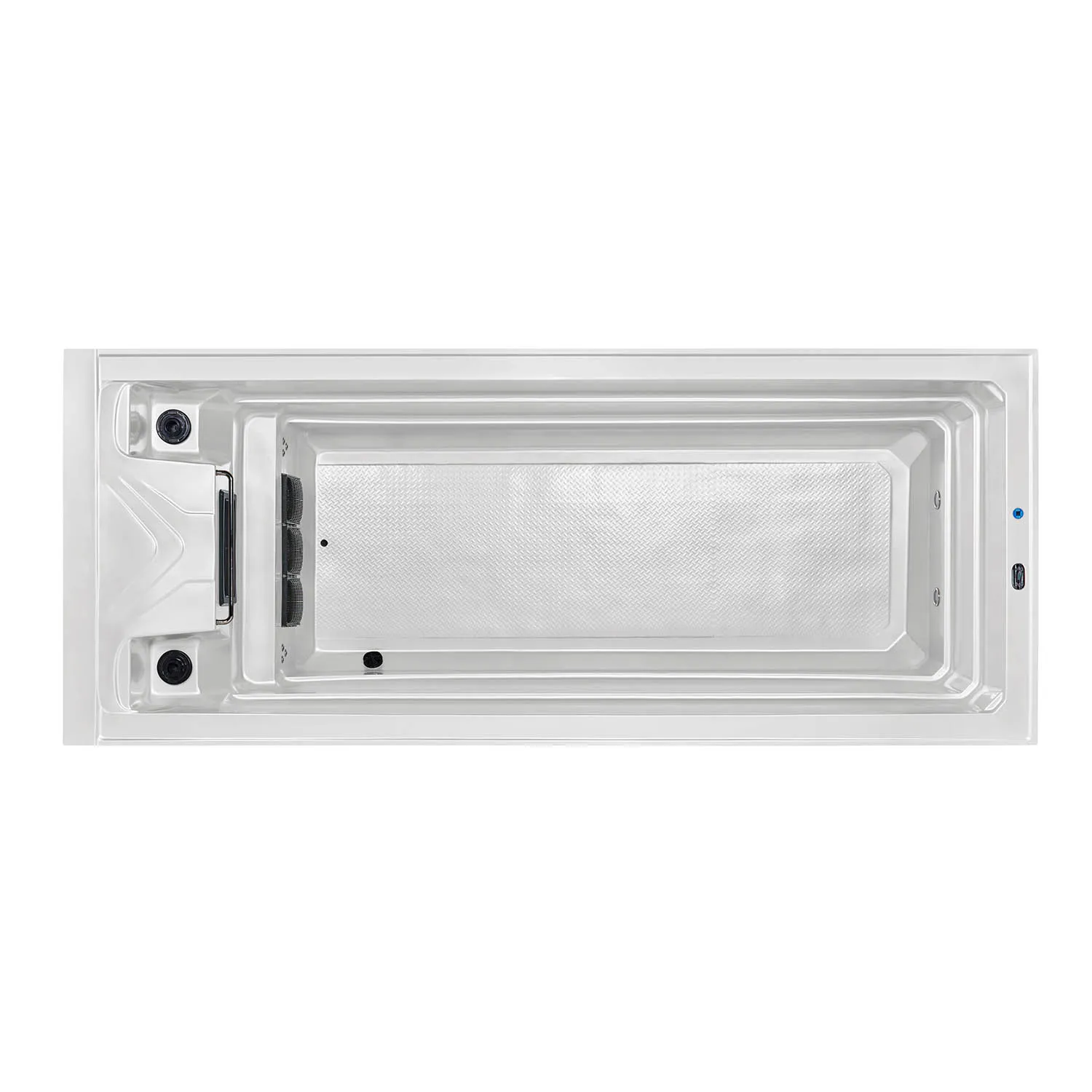
How often should a swim spa undergo shock treatment?
The frequency of shock treatment depends on how the swim spa hot tub is used.
Generally, shock treatment may be required in the following situations:
•Routine maintenance
•High usage frequency
•Presence of a slight odor
•Reduced water clarity
For swim spa hot tubs that are used frequently, proper shock treatment helps maintain stable water quality.
What should be considered when shock-treating a swim spa?
Following the correct procedure is crucial during shock treatment.
Common precautions include:
1. Ensure the water circulation system is running
The swim spa hot tub's circulation system should remain operational to ensure the sanitizer is evenly distributed throughout the water.
2. Avoid immediate use of the spa
After shock treatment, wait for a period to allow the chemical reaction to complete and for sanitizer levels to return to a safe range.
3. Maintain ventilation
Proper ventilation helps reduce odor buildup during the shock treatment process.
4. Add chemicals strictly according to instructions
Dosage requirements vary by product type; always follow the manufacturer's instructions.
Why is shock treatment important for swim spa maintenance?
Swim spa hot tubs typically hold less water than traditional swimming pools but often accommodate more users, making them prone to a rapid buildup of contaminants.
Shock treatment plays a vital role in maintenance by:
•Breaking down chloramines
•Eliminating odors
•Removing organic contaminants
•Improving sanitization efficiency
Neglecting shock treatment over the long term can lead to issues such as:
•Cloudy water
•Stronger odors
•Reduced sanitization efficiency
Therefore, regular shock treatment is a crucial part of swim spa water quality management.
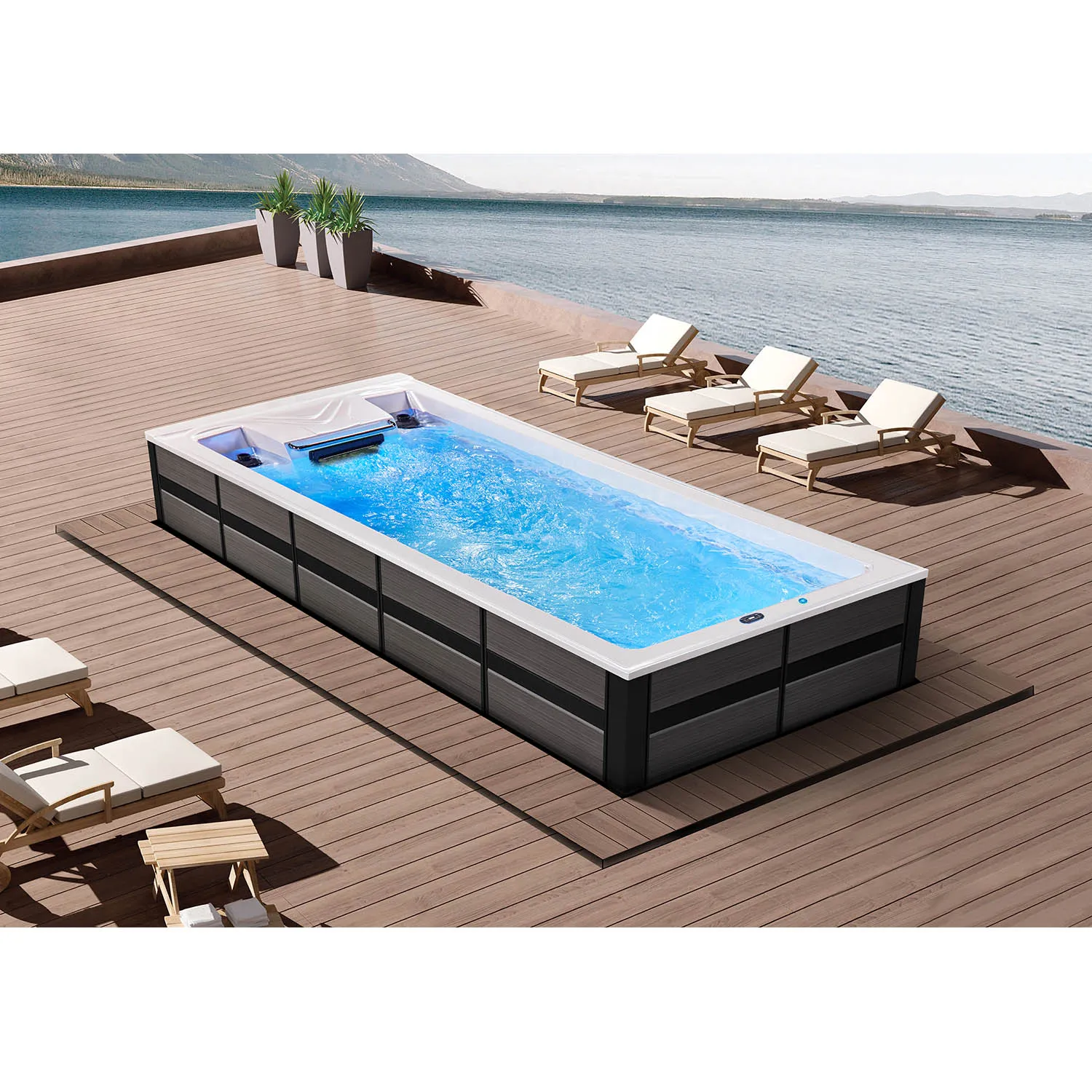
What are the other advantages of performing shock treatment at night?
In addition to avoiding the effects of sunlight, performing shock treatment at night offers several practical benefits. For example:
1. Longer reaction time
Swim spa hot tubs are typically not used at night, allowing disinfectants to remain active for a longer period.
2. Minimized disruption
Daytime usage is often high; performing maintenance at night avoids interfering with regular use.
3. More stable water quality
After a full night of chemical reaction, the water quality in the swim spa hot tub is usually more stable by the next day.
How Can Yuehua Support Growing Spa Retail Businesses?
For retailers looking to expand their wellness product portfolio, Yuehua offers a complete range of solutions, including outdoor spas, swim spas, saunas, outdoor gazebos, steam rooms, and massage bathtubs. As a professional manufacturer and supplier based in China, we help businesses source products efficiently through direct factory partnerships.
Our team provides detailed quotes, product recommendations, and flexible wholesale programs tailored to various business models.