



For many swim spa hot tub owners, managing water quality in an outdoor setting is a key part of routine maintenance. Rain, in particular, raises concerns about potential water contamination, leading to a common question: Is it necessary to "shock" the swim spa after every rainfall?
Shock treatment is a standard water quality management practice for swim spas; it involves temporarily raising sanitizer levels to break down organic matter, chloramines, and other contaminants. However, this does not mean that a shock treatment is required immediately every time it rains.
In fact, ordinary rainfall rarely causes serious water quality issues for swim spa hot tubs. Whether a shock treatment is necessary depends on various factors, such as the intensity of the rain, environmental conditions, the current state of the water, and the equipment's operation.
This article systematically explains the relationship between rainfall and swim spa hot tub water quality—covering water management principles, environmental impacts, and maintenance strategies—to help you determine when a shock treatment is actually needed.
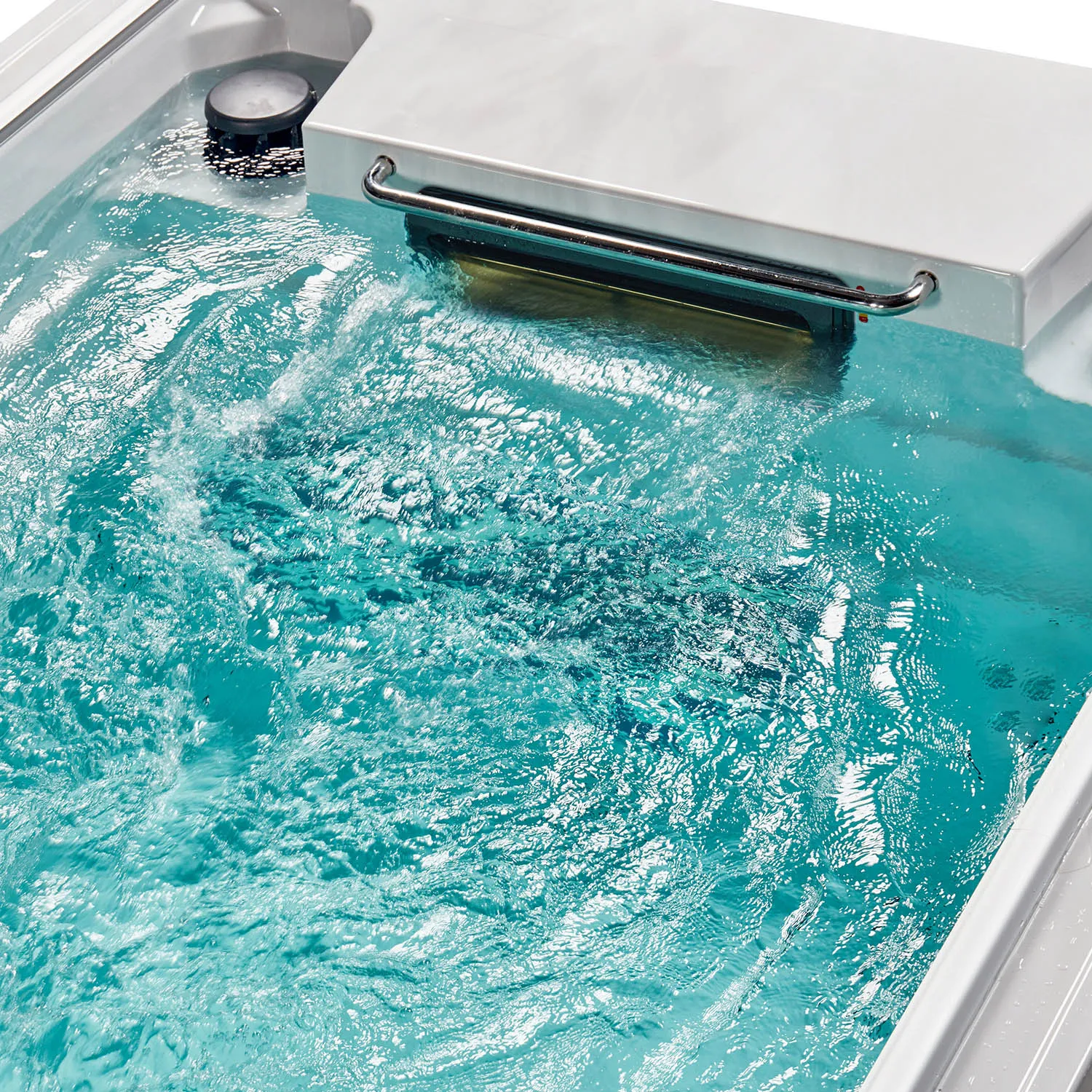
What Is Swim Spa Shock Treatment?
Shock treatment is a process used to improve water quality by temporarily increasing the concentration of sanitizer.
The primary goals of shock treatment include:
•Breaking down organic contaminants in the water
•Eliminating chloramines and other by-products
•Restoring sanitizer effectiveness
•Improving water clarity
During routine maintenance, swim spa hot tubs typically maintain stable sanitizer levels. However, various contaminants gradually accumulate in the water over time. When these substances reach a certain level, shock treatment helps restore water balance.
It is important to note that shock treatment is not a task that needs to be performed frequently; it is generally reserved for specific situations.
Why Do Some People Think Swim Spas Must Be Shocked After Rain?
Many swim spa hot tub owners encounter the idea that "you should shock the spa whenever it rains."
This belief stems from several reasons.
1. Rainwater can introduce contaminants
As rainwater falls through the air, it may carry:
•Dust
•Pollen
•Tiny particles
•Airborne pollutants
When these substances enter the swim spa, they can indeed increase the level of impurities in the water.
2. Rainwater can alter water chemistry
Rainfall can dilute the chemicals in the swim spa—such as sanitizer levels or alkalinity—thereby affecting water stability.
Because of these potential effects, some people believe that "shocking" the water (super-chlorination) is mandatory after every rainfall. In reality, however, this approach is often excessive.
How much does ordinary rainfall affect swim spa water quality?
In most cases, the impact of ordinary rainfall on swim spa water quality is very limited.
There are several reasons for this:
1. Swim spa water volume remains relatively stable
Although a swim spa hot tub holds less water than a traditional swimming pool, the proportion of rainwater that actually enters the water is usually low relative to the total volume. The amount of rainwater entering the water is further reduced if a cover is used.
2. Filtration and circulation systems operate continuously
Swim spas are typically equipped with filtration and circulation systems that run continuously, constantly removing suspended particles and keeping the water clean.
3. Sanitizers remain effective
As long as sanitizer levels are within the proper range, even small amounts of contaminants entering the water can usually be effectively neutralized.
Therefore, for brief or light rainfall, shocking the swim spa hot tub is generally unnecessary.
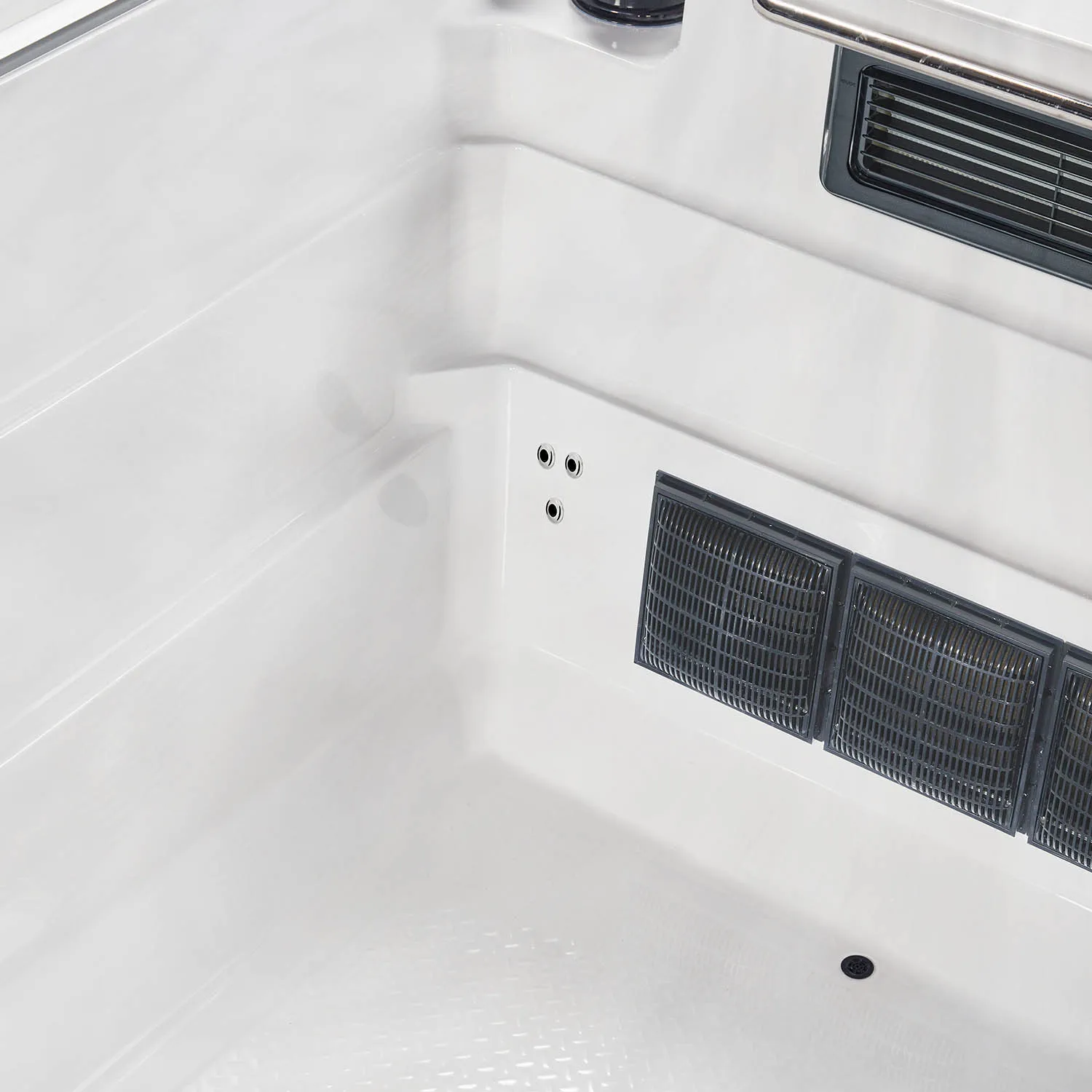
When is it necessary to shock the swim spa after rain?
While ordinary rainfall does not necessarily require shocking, there are specific situations where this treatment may be necessary.
Situations requiring swim spa hot tub shock treatment:
1. Heavy rain or storms
Intense rainfall can cause a large volume of water to enter the swim spa hot tub. This not only dilutes the chemicals but also introduces a higher level of contaminants.
In such cases, the water may require additional treatment.
2. Introduction of contaminants due to wind and rain
If rainfall is accompanied by strong winds, significant amounts of environmental debris may be blown into the swim spa, such as:
•Leaves
•Pollen
•Dust
•Soil particles
These substances can increase the contamination load of the water.
3. Water already nearing imbalance
If the swim spa was already experiencing issues prior to the rainfall—such as:
•Low sanitizer levels
•Reduced water clarity
•Accumulation of organic matter
—then the rainfall could act as the "final trigger" that causes water quality to deteriorate significantly.
In such cases, shock treatment can help restore water stability.
How important is the swim spa cover in protecting against the effects of rain?
When using a swim spa hot tub outdoors, the cover serves not only as an energy-saving device but also as a crucial protective barrier.
1. Minimizing rainwater entry
The cover effectively blocks most rainwater from entering the swim spa hot tub, thereby reducing the risk of water dilution.
2. Blocking environmental debris
The cover also prevents leaves, dust, and other environmental contaminants from falling into the water.
3. Maintaining water temperature
During rainy weather, the cover reduces heat loss, helping to maintain the swim spa hot tub's water temperature.
Therefore, keeping the cover closed during rainfall is a key measure for protecting water quality.
How do you determine if a swim spa requires shock treatment after it rains?
Rather than performing shock treatment after every rainfall, a more sensible approach is to assess the condition of the water.
You can evaluate this by observing the following aspects:
1. Water clarity
If the swim spa hot tub water remains clear and transparent after the rain, it generally indicates that the water condition is good.
2. Stability of water quality parameters
Testing the following indicators can help determine if the water requires additional treatment:
•pH level
•Sanitizer concentration
•Alkalinity
If these indicators remain within the normal range, shock treatment is generally not required.
3. Is there visible contamination?
If you observe any of the following conditions in the water:
•Cloudiness
•Unpleasant odor
•Large amounts of suspended particles
...then more proactive water treatment measures may be required.

Does frequent shock disinfection affect the swim spa hot tub?
While shock disinfection is an effective tool for water quality management, using it too frequently is not ideal.
Reasons include:
1. Excessive chemical usage
Overuse of disinfectants can cause frequent fluctuations in the water's chemical balance.
2. Reduced water quality stability
Frequent chemical adjustments can make the swim spa hot tub's water quality less stable.
3. Increased maintenance costs
Unnecessary shock disinfection increases maintenance costs and the time required for upkeep.
Therefore, frequent shock disinfection is not recommended unless there is a clear need for it.
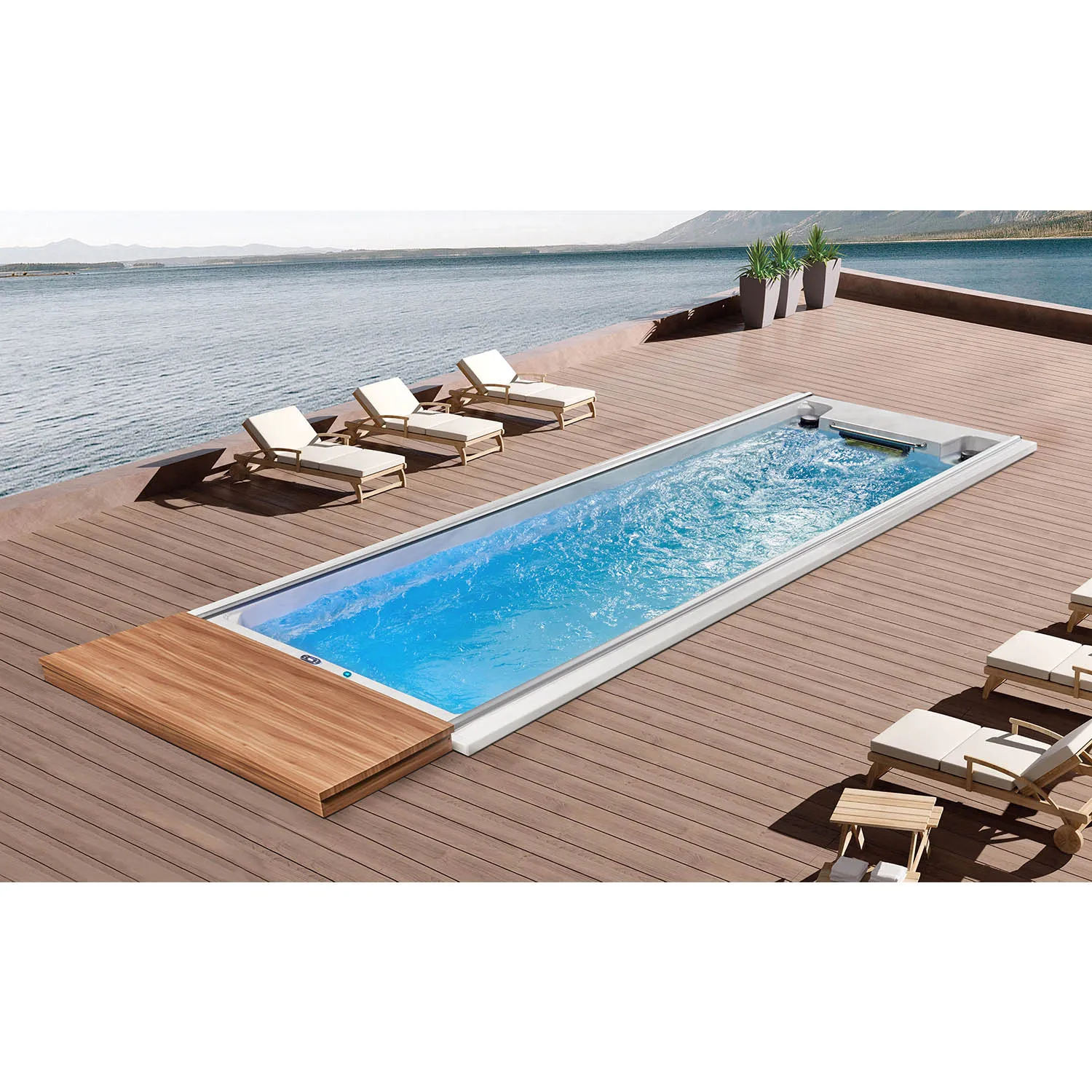
How can you better maintain swim spa water quality during the rainy season?
During seasons with heavy rainfall, simple measures can help minimize water quality issues.
For example:
•Keep the swim spa hot tub cover closed
•Regularly check water quality parameters
•Ensure the filtration system is running properly
•Promptly remove debris that falls into the water
These routine maintenance measures are usually effective in maintaining water stability.