


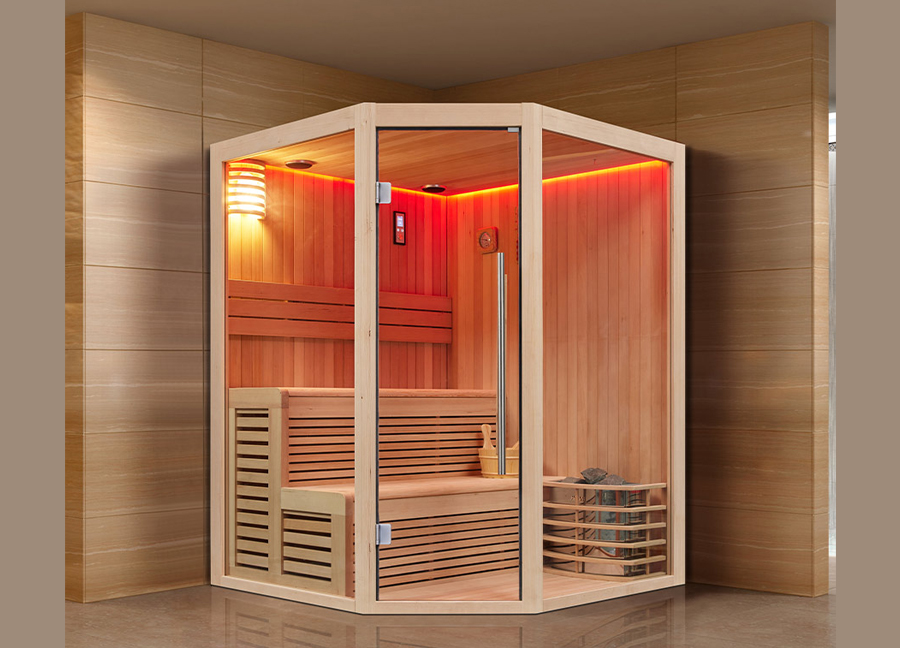




In today's fast-paced life, people are increasingly valuing their health and quality of life. Steam shower rooms, as multi-functional bathroom fixtures integrating cleaning, therapy, and relaxation, are seen by many as a way to alleviate discomfort due to their ability to create a high-humidity, high-temperature environment.
However, when experiencing symptoms, especially fever, cough, nasal congestion, and muscle aches, many people wonder: Is using a steam shower room truly beneficial when sick?
This question requires in-depth analysis from the perspectives of human physiological responses, disease types, steam environment characteristics, usage mechanisms, and risk control. This article will focus on the mechanism of action and usage conditions of steam shower rooms, combined with the human body's needs under different pathological conditions, to provide readers with professional and systematic answers.
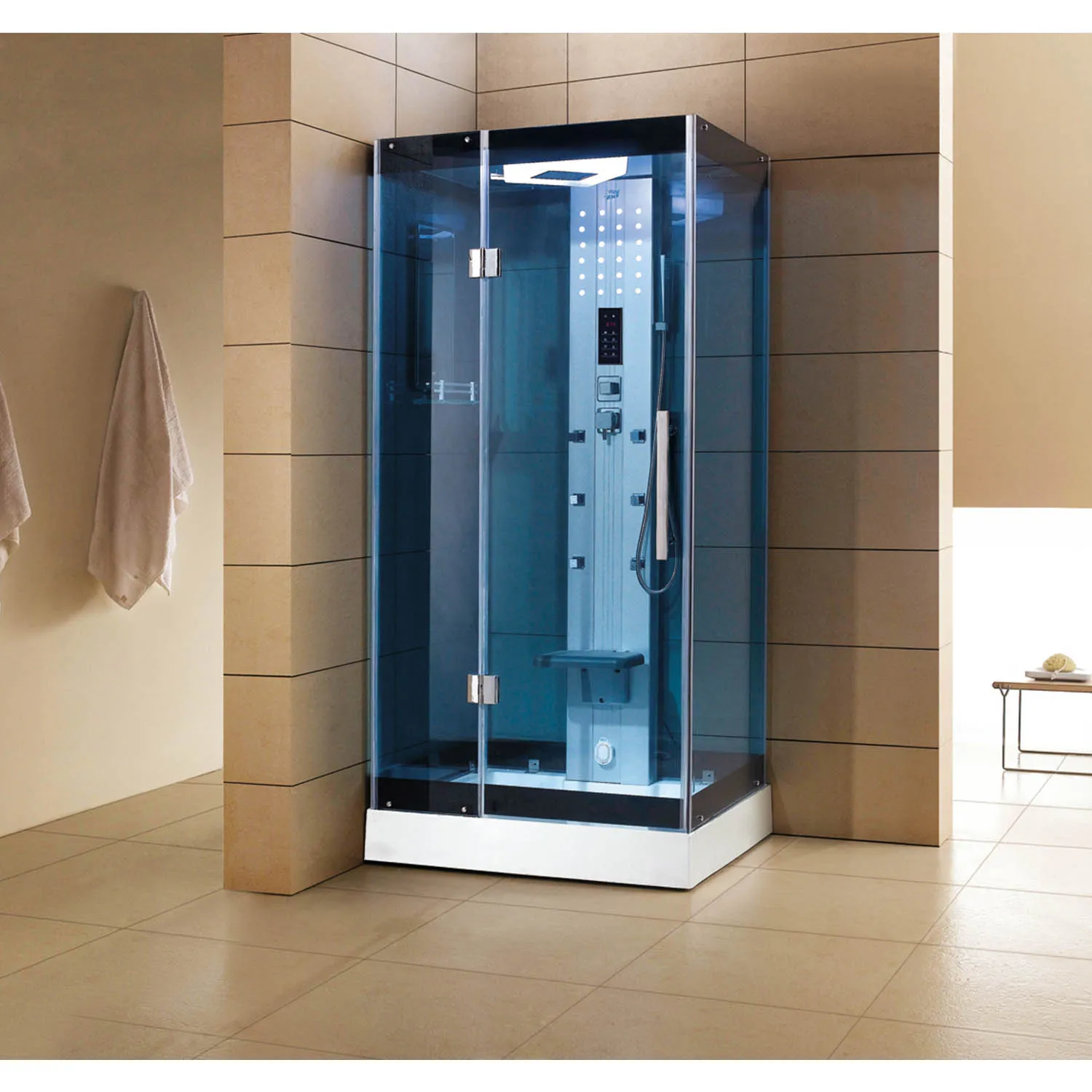
What is a Steam Shower Room?
A steam shower room is a closed bathroom fixture integrating a steam generator, shower system, control panel, and other functional components. It can create a high-humidity, high-temperature steam environment in a short time. Users are enveloped by steam in the enclosed space, achieving effects such as relaxation, sweating, and improved metabolism.
Its main operating principles include:
· Converting cold water into steam using an electrically heated steam generator;
· Evenly releasing steam into the shower space through nozzles;
· Direct contact between high-temperature steam and the skin and respiratory tract, producing heat conduction and humidification effects.
Differences from traditional showers:
Project | Regular hot water shower | Steam shower room |
| Humidity | Medium | High humidity (80%-100%) |
| Temperature | 30°C~45°C | Cold temperature up to 40°C-50°C |
| Steam Environment | None | Enclosed steam environment |
| Body Contact Method | Direct water jet rinse | Steam-enclosed heat conduction |
| Main Function | Cleaning, rinsing | Therapeutic, sweating, deep relaxation |

What are the benefits of a tea shower room when you are sick?
The key to a tea shower room's positive effects when you are sick lies in its influence on the human physiological system through its high-temperature, high-humidity environment. Specific effects are as follows:
1. Clearing the respiratory tract and relieving nasal congestion and cough
When a person has a cold, rhinitis, or upper respiratory tract infection, the nasal cavity and airways are often filled with thick secretions, leading to problems such as nasal congestion, dry and itchy throat, and frequent coughing.
The high-humidity environment of a tea shower room has the following effects:
· Steam can enter the nasal cavity and pharynx, humidifying the dry respiratory mucosa;
· The stimulation of hot steam can promote the expulsion of mucus, relieving nasal congestion;
· Helps to thin phlegm, making it easier to cough up;
· Reduces throat irritation caused by cold or dry air.
Therefore, for those with mild upper respiratory tract infections or sinus congestion, moderate use of a tea shower room can provide significant relief.
2. Promotes blood circulation and relieves muscle soreness
Fever or early-stage viral infections are often accompanied by joint pain, muscle tension, and fatigue in the limbs, among other systemic discomforts. The steam environment can dilate blood vessels and increase blood flow:
· Promotes the excretion of metabolic waste products;
· Reduces soreness caused by poor circulation;
· Relaxes tense muscle groups, promoting rest and sleep.
This can also help relieve muscle tension caused by viral colds or physical strain.
3. Regulates body temperature perception and enhances comfort
When a person is sick, their ability to regulate body temperature weakens, often resulting in feelings of coldness, chills, and aversion to cold. The warm and humid environment provided by a tea shower room can:
· Provide external heat support, helping the body adapt to cold environments;
· Relieve discomfort caused by cold;
· In some cases (such as those with a cold constitution), it can help induce sweating to release exterior pathogens.
When is a tea shower room suitable for use when sick?
Not all illnesses are suitable for using a steam shower room. Here are some relatively suitable situations:
Disease Types | Is it suitable to use a tea shower room? | Reasons for recommendation |
| Common cold (without fever) | ✔ Moderate use is recommended | Relieves nasal congestion and promotes sweating for detoxification |
| Rhinitis/Sinusitis | ✔ Beneficial | Hydrates nasal passages, reduces blockage, and relieves respiratory pressure |
| Chronic bronchitis (stable phase) | ✔ Some benefits | Reduces thick phlegm, facilitating breathing |
| Muscle aches and fatigue | ✔ Recommended for use | Promotes blood circulation and relieves tension |
| Cold constitution, cold hands and feet | ✔ Suitable for frequent use | Regulates body temperature and enhances surface circulation |
Contraindications and Risks of Using a Steam Shower Room When Sick
While steam shower rooms offer some health benefits, they should not be used in the following situations:
1. Fever (body temperature > 38℃)
Fever is the body's immune response to viruses or bacteria. Forcing yourself to use a steam shower room may lead to:
· Further increase in body temperature, increasing the burden on the heart and lungs;
· Increased heart rate, inducing dizziness or fainting;
· Excessive sweating, dehydration, or electrolyte imbalance.
Conclusion: Absolutely avoid entering a steam shower room during a fever.
2. Patients with Cardiovascular Disease
The steam environment can cause peripheral vasodilation and increased heart rate, which is an additional burden for people with heart disease or high blood pressure.
Possible risks include:
· Heart rate instability;
· Low blood pressure syncope;
· Angina pectoris or arrhythmia.
It is recommended that individuals with chronic diseases such as hypertension, coronary heart disease, and heart failure use this product under the guidance of a physician, controlling the time and temperature.
3. Asthma or COPD Patients
While high-temperature steam can moisturize the respiratory tract, it may induce airway hyperresponsiveness in some asthma patients:
• Excessively high steam temperature can stimulate bronchoconstriction;
• It can induce worsening of asthma and difficulty breathing.
How to Use a Stea Shower Room Scientifically When Sick?
If the condition permits, proper use of a Stea Shower Room can help alleviate symptoms. However, it is essential to follow scientific methods:
1. Control Usage Time
• It is recommended that each use not exceed 15-20 minutes;
• Discontinue use immediately if dizziness, chest tightness, or other symptoms occur.
2. Adjust Suitable Temperature and Humidity
• It is recommended that the steam temperature be controlled at around 40℃;
• Humidity be maintained above 80%;
• Avoid prolonged stays in extremely high temperature and humidity conditions.
3. Replenish Fluids and Salt
Sweating increases when you're sick. We recommend:
· Drinking warm water or diluted salt water before and after steaming;
· Avoiding dehydration and electrolyte imbalance.
4. Keep the Room Well-ventilated
Although the tea shower room itself is enclosed, open the door immediately after use to dehumidify and prevent moisture from spreading into the bedroom or living room, causing mold or air pollution.
Safety and Cleaning Recommendations for the Tea Shower Room (Especially Important When Sick)
· Rinse the nozzle and glass with clean water after daily use to prevent bacterial growth;
· Clean the interior weekly with a neutral disinfectant;
· Regularly clean scale and residue from the steam generator;
· Increase ventilation and disinfection after use during illness.

Using a tea shower room when sick: a blessing or a curse?
From a comprehensive medical and health perspective, a tea shower room can indeed provide positive relief in certain illness states, especially for early-stage colds, nasal congestion, muscle aches, and fatigue. However, it is not suitable for use in all "sick" states. People with fever, heart disease, asthma, or those prone to exhaustion should use this product with caution or avoid it altogether.
Therefore, the correct answer is:
✅ Whether using a tea shower room when sick is beneficial depends on your condition, constitution, usage method, and environmental control.
With careful use under professional guidance, and attention to intensity and frequency, a tea shower room will not only be a home cleaning facility but also a beneficial tool for improving health and comfort.
How does Yuehua support importers who are new to purchasing outdoor spas from China?
Yuehua provides complete guidance for new importers, including packaging information, container loading plans, and documentation support such as CE, ETL, and SAA certificates. Our team offers clear quotes with factory prices, explains shipping terms, and provides professional suggestions to help reduce costs. Many newcomers choose Yuehua because we provide high-quality outdoor spas with reliable warranties and wholesale purchasing advantages.