







In modern family health life, the Spa Hot Tub is a popular relaxation and therapy method. It combines warm water, bubble jets, and hydro-massage technology to relieve muscle tension, promote blood circulation, and reduce stress.
However, if used and maintained improperly, this comfortable facility can also become a breeding ground for bacteria, leading to a respiratory illness called "Hot Tub Lung."
Many users are unfamiliar with this term and easily mistake it for a "cold" or a "general lung infection." In fact, Hot Tub Lung is an immune-mediated pneumonia caused by specific microorganisms and is directly related to water quality management.
This article will systematically explain: What is Hot Tub Lung? Why does the Spa Hot Tub easily cause this problem? How can it be prevented during use? Through scientific analysis and reasonable guidance, it will help you enjoy the health benefits of spa treatments safely.
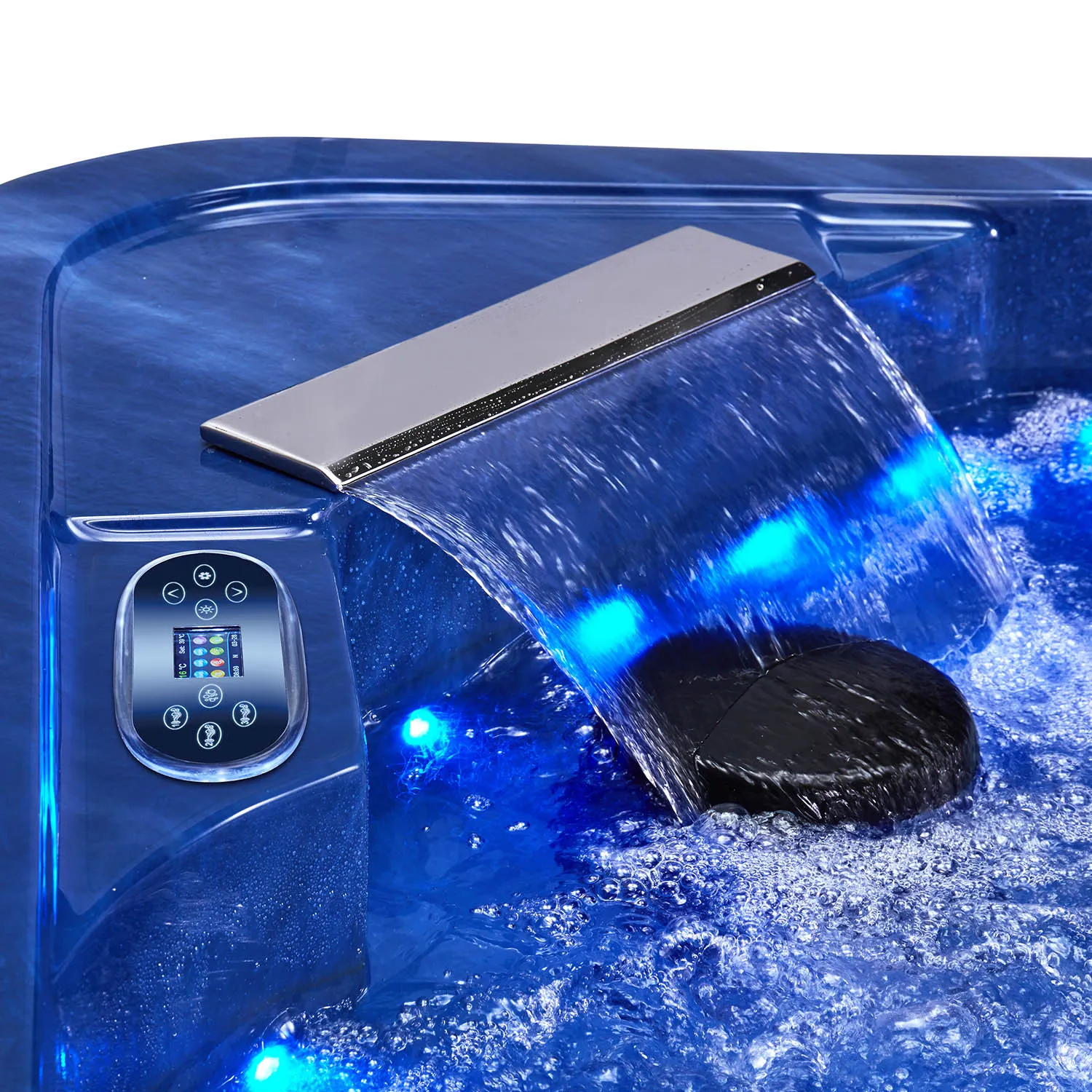
What is "Hot Tub Lung"?
1. Definition and Pathological Mechanism
"Hot Tub Lung" is not a bacterial infection in the traditional sense, but rather a type of hypersensitivity pneumonitis caused by the inhalation of nontuberculous mycobacterial (NTM) aerosols.
When the warm water and jet of air from a Spa Hot Tub are combined, tiny droplets containing NTM are sprayed into the air and inhaled. Prolonged exposure can trigger an immune response in the lungs.
This response leads to inflammatory changes in the alveoli and interstitial tissues, resulting in symptoms such as cough, shortness of breath, and fatigue.
2. Difference Between Hot Tub Lung and Common Infections
Project | Hot tub lung infection | General pneumonia |
| Etiology | Inhalation of mycobacterial aerosols | Bacterial, viral, or fungal infection |
| Nature | Immune hypersensitivity reaction | Infectious inflammation |
| Contagiousness | No | Possibly contagious |
| Incubation Period | Typically lasts from weeks to months | Several days to one week |
| Treatment | Avoid exposure + steroid medications | Antibiotic treatment |
It can be seen that "Hot Tub Lung" is not an infection of others, but rather an immune hypersensitivity reaction to bacterial aerosols. Therefore, the key to prevention lies in controlling microbial growth.
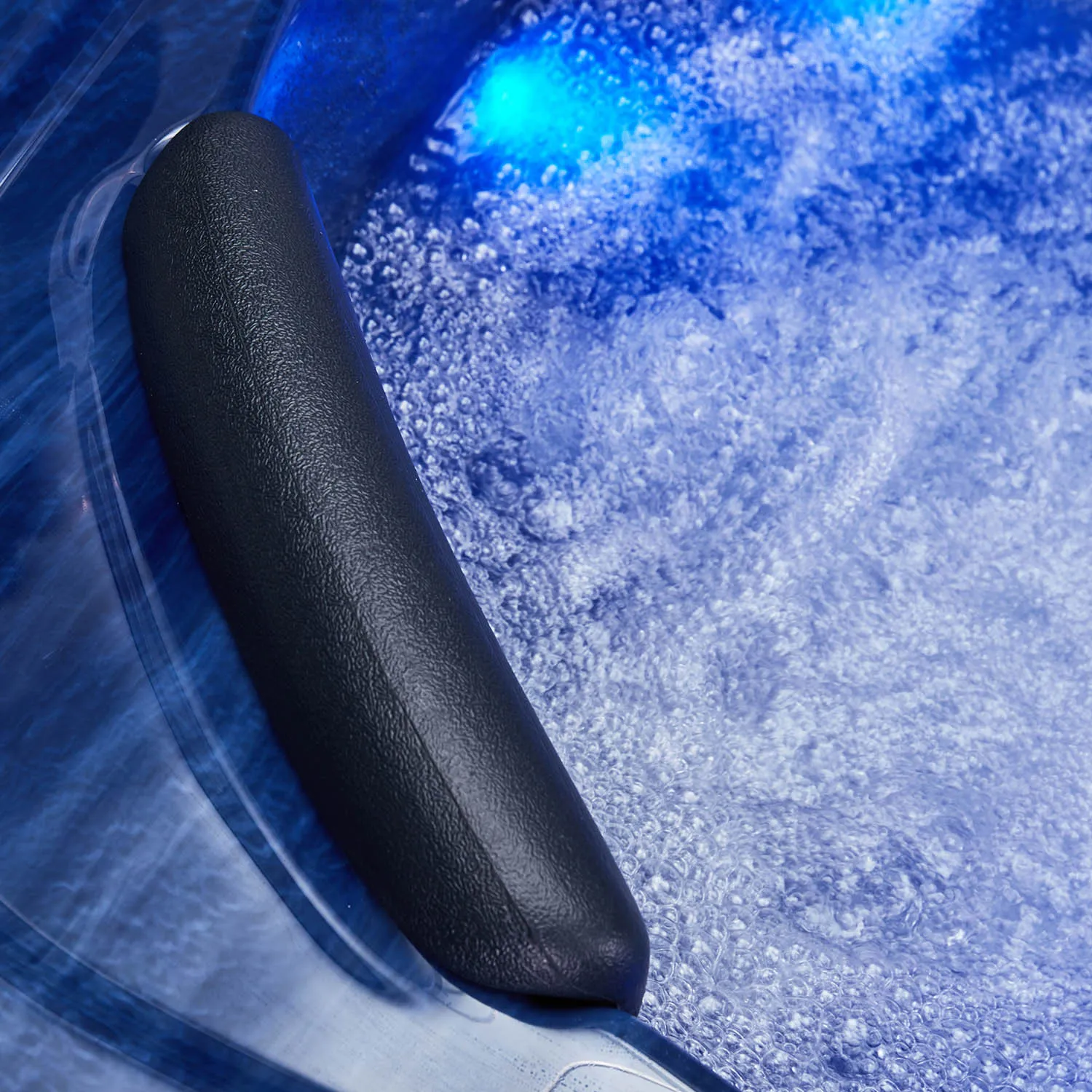
Why do Spa Hot Tubs easily breed pathogenic microorganisms?
1. Water Temperature and Bacterial Growth Environment
The operating temperature of a Spa Hot Tub is typically between 35℃ and 40℃, a temperature range that is ideal for the growth of many aquatic bacteria. Especially heat-resistant microorganisms such as nontuberculous mycobacteria (NTM) can survive continuously in hot water and organic residue environments.
Furthermore, if the complex water circulation pipes, nozzles, and filtration systems inside the bathtub are not thoroughly cleaned, biofilms can accumulate. This film provides a protective barrier for bacteria, making them difficult to kill with conventional disinfectants.
2. Bubble Jetting and Aerosol Formation
Spa hot tubs continuously agitate hot water through powerful nozzles, creating numerous bubbles. When these bubbles burst, they disperse water droplets and microbial particles into the air as aerosols.
When users inhale these aerosols, bacteria can be carried deep into the lungs, triggering an immune response.
3. Improper Water Quality Maintenance
Neglecting water quality management increases the risk of hot tub lung:
• Insufficient disinfectant concentration or improper use;
• Failure to regularly clean the filtration system;
• Infrequent replacement of circulating water in the bathtub;
• Failure to drain and dry the tub promptly after use;
• Poor indoor ventilation, leading to aerosol accumulation.
It is evident that spa hot tubs, without proper cleaning and maintenance, can easily become breeding grounds for bacteria.
What factors increase the risk of hot tub lung?
1. Excessive frequency and duration of use
Frequent and prolonged immersion in an uncleaned spa hot tub leads to the continuous inhalation of aerosols, increasing cumulative exposure.
2. Poorly ventilated indoor environments
Enclosed spaces result in poor air circulation, increasing the concentration of vapors containing microorganisms. Bathrooms, especially those without ventilation systems, are more prone to allowing aerosols to remain suspended in the air.
3. Use of untreated water
Using untreated well water, stored water, or hard water may already contain microorganisms such as NTM. A hot water environment can actually promote their growth.
4. Insufficient awareness of cleaning and maintenance
Many people mistakenly believe that hot water and the effervescent effect can automatically "kill bacteria," but this is a misconception. Hot water only inhibits some bacteria but cannot completely eliminate mycobacteria.
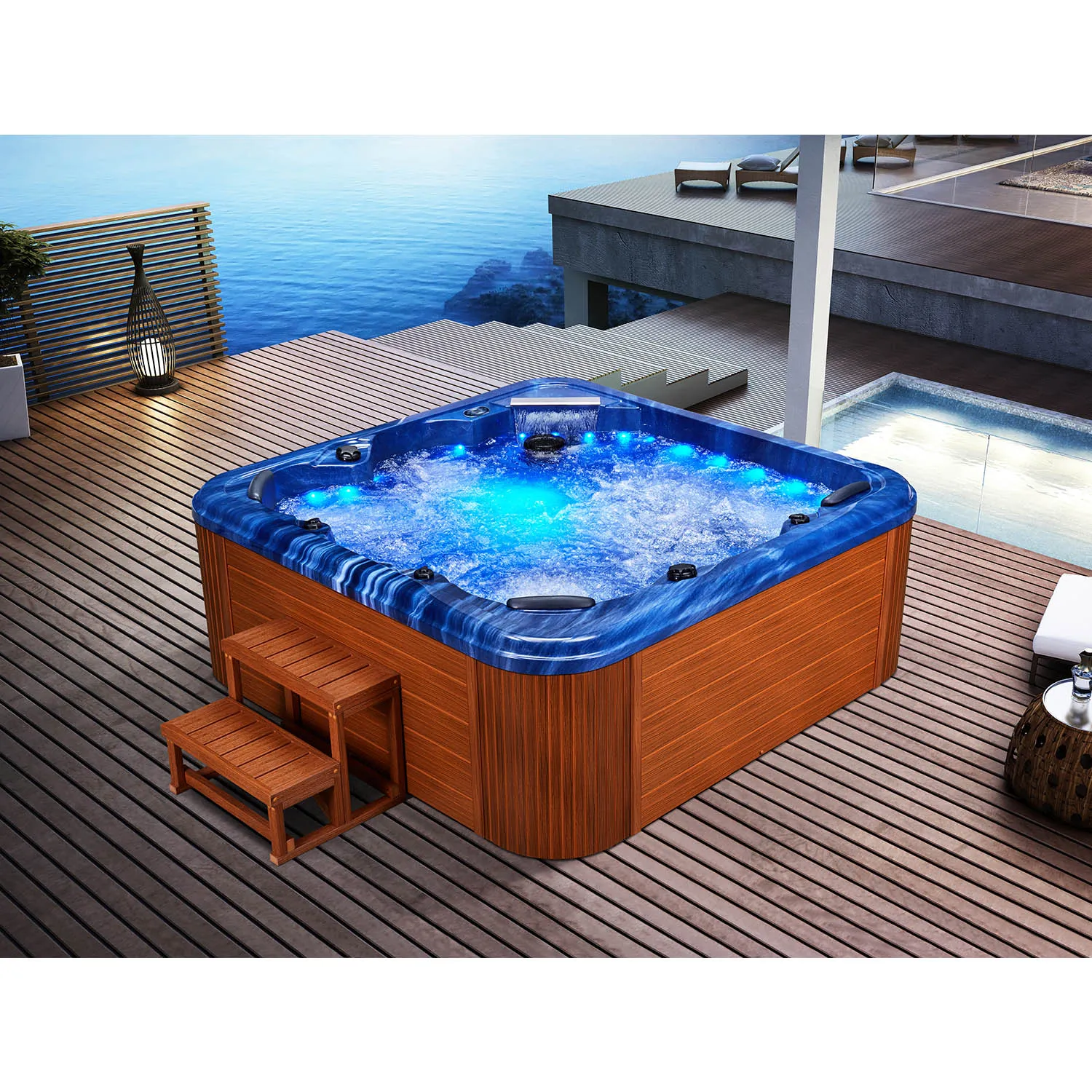
How to scientifically prevent hot tub lung?
1. Regular Disinfection and Cleaning
The cleaning of a Spa Hot Tub should follow the principle of "daily maintenance + regular deep cleaning":
(1) After daily use
• Drain some water or keep it circulating for 10–15 minutes;
• Wipe the tub edges and seats with a dedicated surface cleaner;
• Cover with the dust cover to reduce dust and contaminants entering.
(2) Weekly
• Check if the residual chlorine or bromine concentration in the water meets the standard (recommended chlorine concentration 2–4 ppm);
• Clean the filter and rinse the nozzles.
(3) Monthly
• Clean the internal pipes with a professional descaling agent;
• Change part or all of the water;
• Check the water pump and heater for deposits.
(4) Quarterly
• Perform a thorough disinfection of the entire spa system (using chlorine tablets or peroxide for circulating cleaning).
• Maintaining the chemical balance and physical cleanliness of the water is key to avoiding hot tub lung.
How to use a Spa Hot Tub correctly to reduce exposure risks?
1. Control Usage Time and Frequency
It is generally recommended that each soaking session not exceed 20–30 minutes, and use should not exceed three times per week. Excessive exposure increases the chance of aerosol inhalation.
2. Maintain Ventilation and Air Circulation
Whether indoors or in a semi-enclosed environment, an exhaust system should be installed or windows should be opened to ensure rapid air circulation when the Spa Hot Tub is in use.
3. Check Water Quality Parameters
Water quality test strips can be used to test:
• pH value should be maintained between 7.2 and 7.8;
• Total alkalinity should be between 80–120 ppm;
• Residual chlorine or bromine concentration should be stable within the recommended range.
When pH is imbalanced or the disinfectant concentration is too low, the survival rate of mycobacteria will increase rapidly.
4. Drain and Dry After Use
When not in use for an extended period, the bathtub water should be completely drained and all water should be wiped dry. Residual moisture can breed bacteria and mold.
5. Avoid Multiple Users at the Same Time
Using a hot tub simultaneously with multiple users introduces more skin flakes, sweat, and organic matter, increasing the contaminant load. This is especially important to limit the number of people in a small spa hot tub.
What signs might indicate potential exposure to the lung risk from a hot tub?
Be alert if you experience the following symptoms after using a spa hot tub:
• Persistent dry cough or shortness of breath;
• Chest tightness or difficulty breathing;
• Fever or fatigue;
• Shortness of breath after exercise;
• Worsening cough at night.
If these symptoms persist for more than a week, especially if you frequently use a hot tub, seek medical attention promptly to prevent the condition from worsening.
How to Choose a Safe Spa Hot Tub?
1. Materials and Design
Choose products made with antibacterial materials and with an easy-to-clean internal structure. High-quality spa hot tubs reduce biofilm buildup and decrease the chance of bacterial growth.
2. Filtration and Sterilization System
High-end models typically feature multiple filtration layers and automatic sterilization systems (such as ozone and UV sterilization devices). These features effectively reduce the risk of NTM contamination.
3. Maintainability
Components such as nozzles, filters, and drains should be removable for cleaning. Complex, enclosed structures hinder maintenance and can easily breed microorganisms.
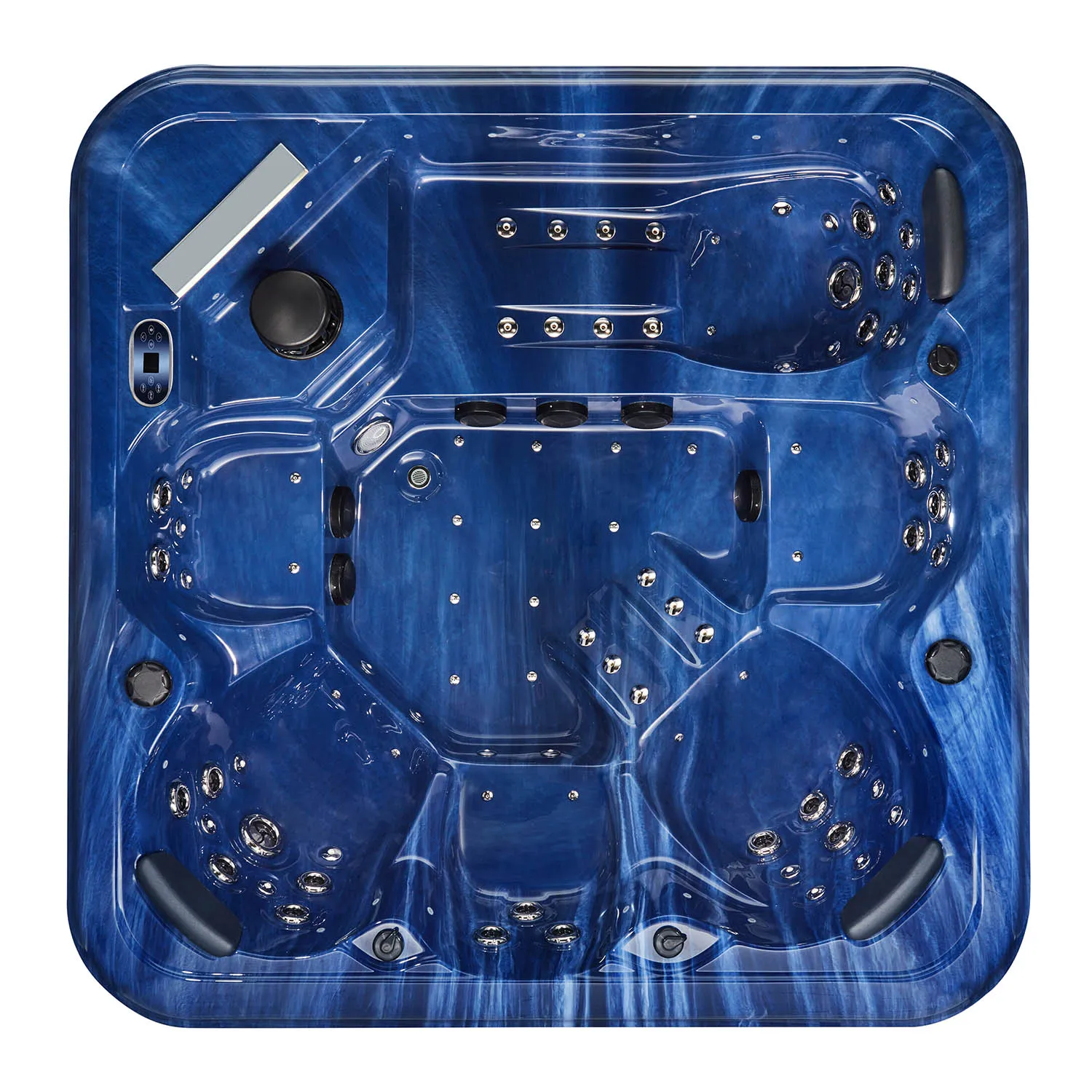
Common Misconception: Can Hot Water and Foam Naturally Kill Bacteria?
Many users believe that as long as the water temperature in the Spa Hot Tub is high enough and there are enough bubbles, it will have a "self-cleaning effect." However, this concept is unscientific.
• Hot water cannot completely kill mycobacteria: They can survive for a long time below 50°C.
• Bubble spray can actually exacerbate the spread: The aerosols generated by bursting bubbles spread bacteria more widely.
• Aromatic essential oils and bath products have no disinfecting function: They may actually increase the organic load, making it easier for bacteria to multiply.
Therefore, maintaining an appropriate water temperature and using chemical disinfectants are the only effective methods of prevention and control.
Summary of Scientific Maintenance Steps (Operating Points)
• Check the filtration and circulation system daily to ensure it is functioning properly;
• Test pH, chlorine concentration, and alkalinity weekly;
• Flush the nozzles and filter cartridges every two weeks;
• Disinfect the system monthly;
• Drain some water and close the bathtub lid after each use;
• If any unusual odor, cloudiness, or foam appears, replace all the water immediately.
These simple steps are the most effective ways to prevent "hot tub lung."
What Makes Your Outdoor Gazebo Suitable for International Buyers?
Our outdoor gazebo products combine durable structural materials, precision cutting, and weather-resistant coatings—making them ideal for diverse climates. International buyers benefit from flexible wholesale prices, attractive promotions, and detailed installation support. Many clients choose Yuehua because our factory can produce coordinated sets that match outdoor spa or sauna room units, allowing retailers to create complete lifestyle displays in their showrooms.