
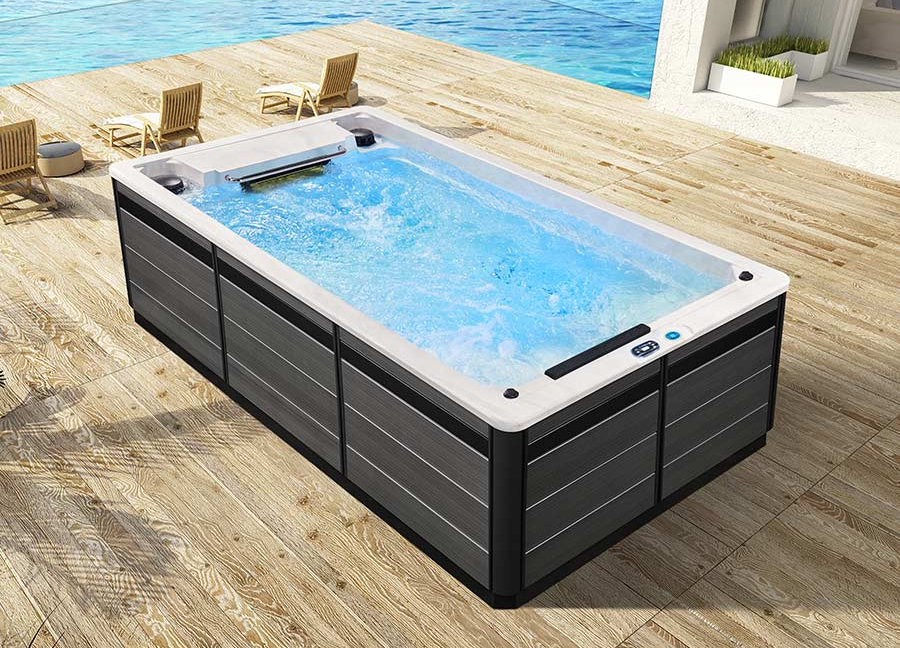
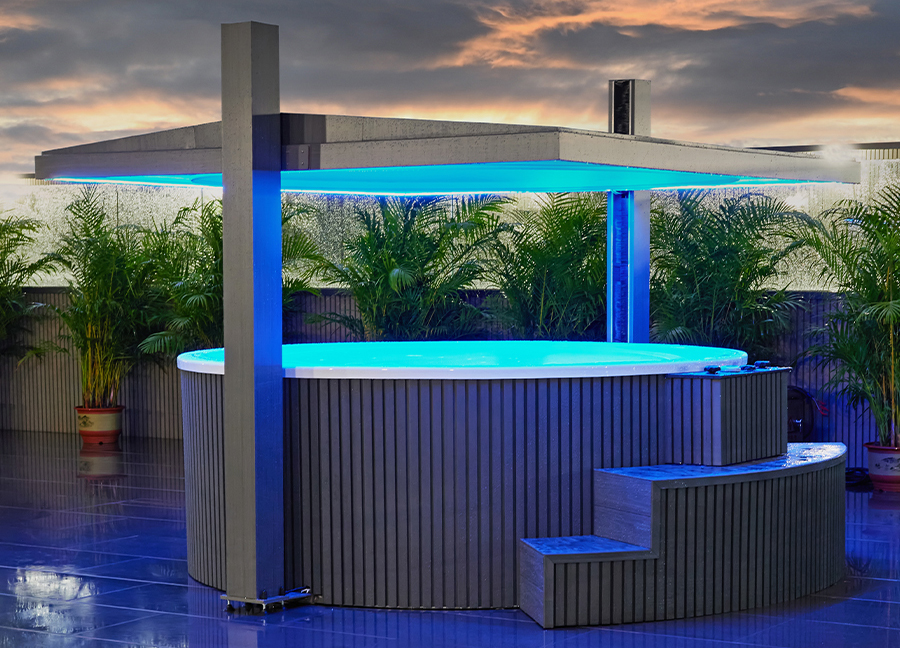

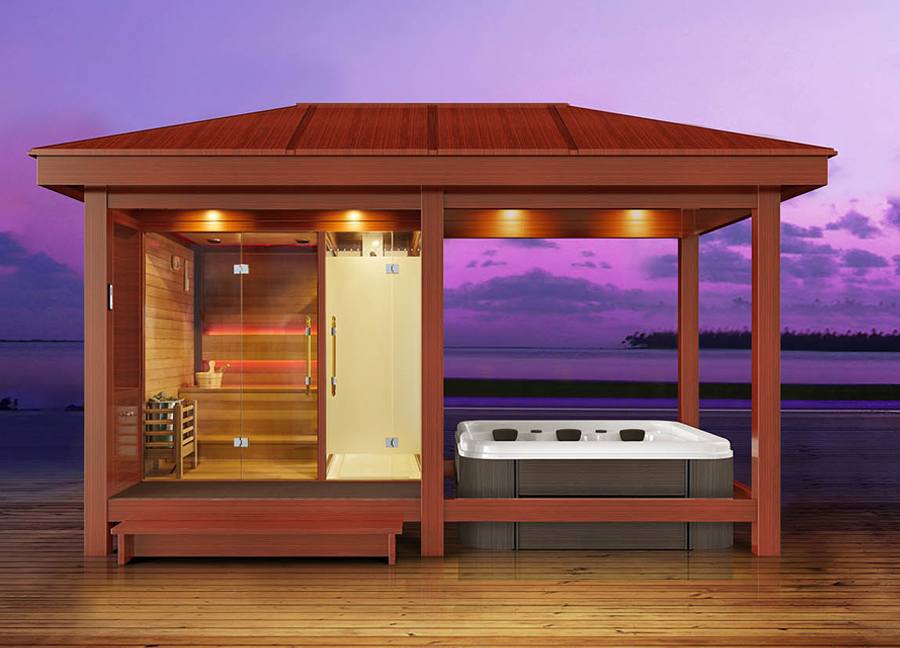


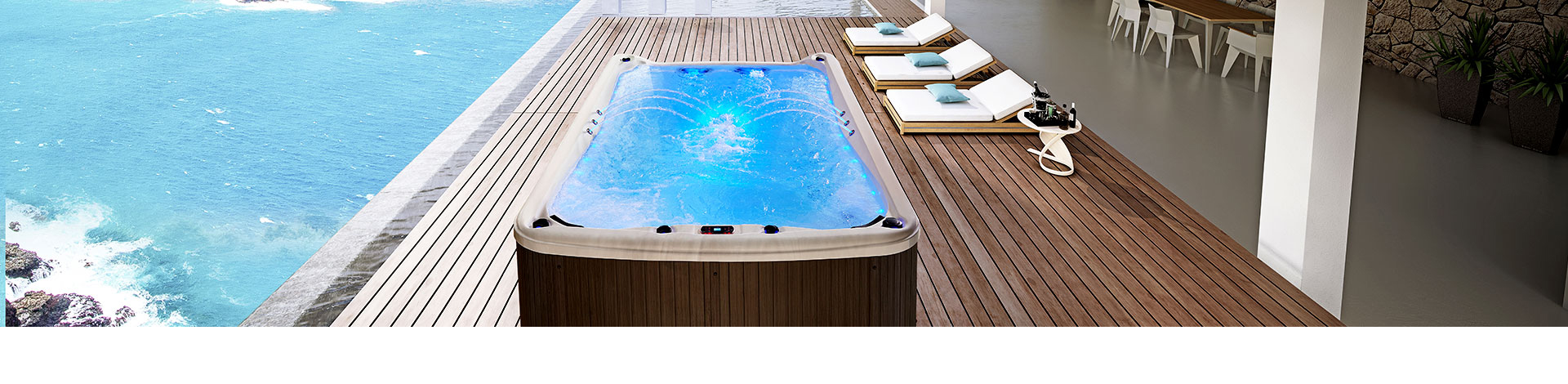
Swim spa tubs, combining exercise, massage, and warm water functions, are essential relaxation and wellness devices in homes and gyms.
Chlorine is one of the most commonly used water treatment chemicals for maintaining water cleanliness and disinfection.
However, adding too much chlorine can have serious health effects. Many users focus only on water cleanliness during operation, neglecting the potential harm of chlorine concentrations to the human body.
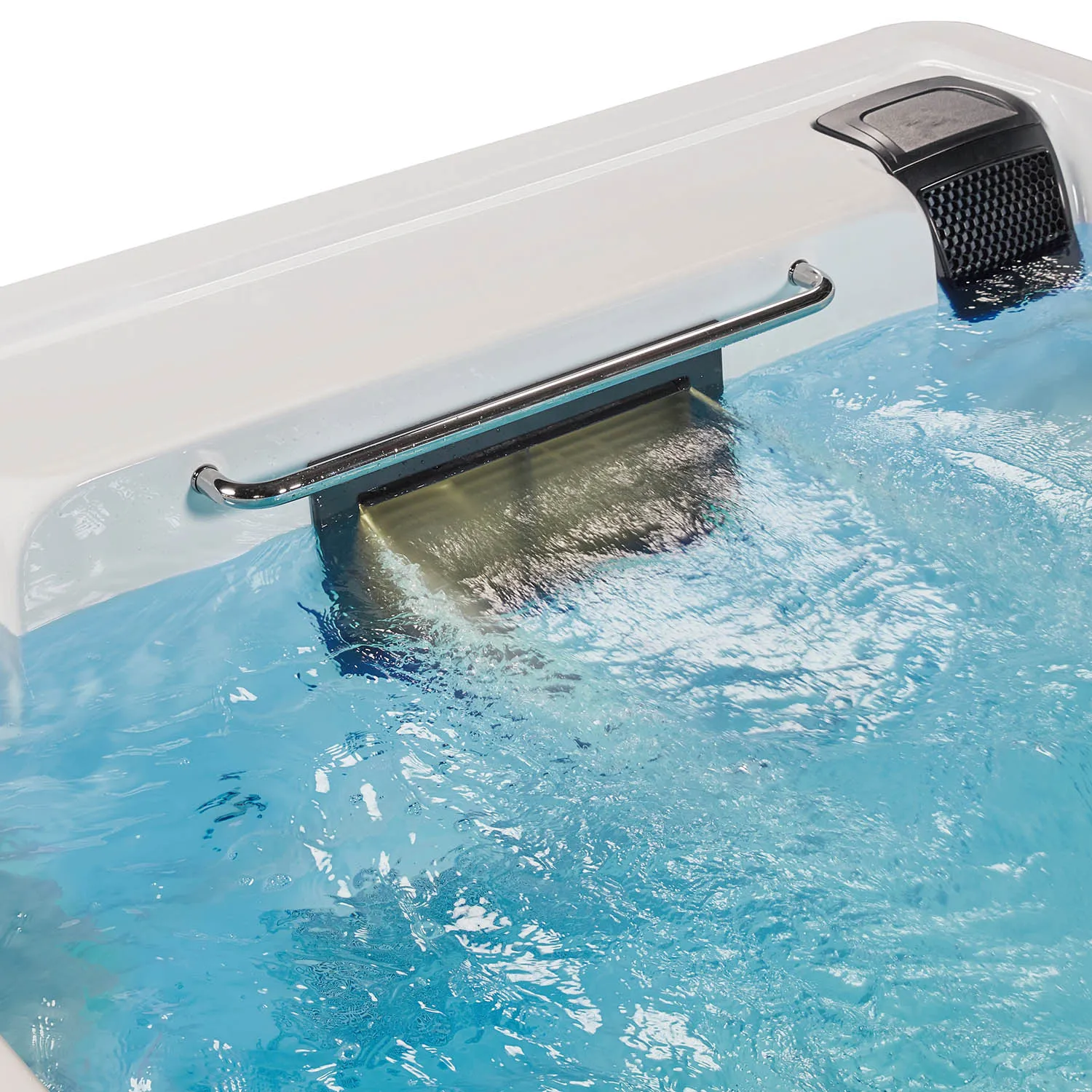
Why is chlorine needed in a swim spa tub?
Chlorine is one of the most commonly used disinfectants in spa hot water and swimming pools. It primarily functions in spas as follows:
• Kills bacteria and viruses: Prevents the proliferation of microorganisms in the water, reducing the risk of infection.
• Breaks down organic matter: Such as sweat, skin oils, and skincare product residue, keeping the water clean.
• Maintains water clarity: Prevents the water from becoming cloudy or developing an odor.
The correct dosage of chlorine is safe and helps maintain a hygienic environment in the swim spa tub.
However, when chlorine levels exceed safe limits, it can have negative health effects.
What is the safe chlorine concentration in a swim spa tub?
In household or public swim spa tubs, the chlorine concentration should generally be controlled between 1 and 3 ppm (parts per million).
• Below 1 ppm: The water may not be sufficiently disinfected, posing a risk of infection.
• Above 3 ppm: While disinfection is enhanced, the irritation and harm to the human body also increase.
Therefore, the chlorine dosage must be precisely controlled and regularly tested using a water quality tester or test strips.
What are the direct health hazards of excessive chlorine?
The main health hazards of excessive chlorine are to the respiratory system, skin, eyes, and overall comfort.
1. Effects on the Respiratory System
Inhaling high concentrations of chlorine vapor can cause coughing, sore throat, shortness of breath, and even asthma attacks.
The harm is greater for patients with chronic respiratory diseases (such as asthma and chronic bronchitis), potentially causing severe breathing difficulties.
In the enclosed space of a swim spa tub or in a hot steam environment, chlorine concentrations can easily accumulate, exacerbating respiratory irritation.
2. Effects on Skin
Skin contact with high concentrations of chlorine can cause dryness, itching, and redness; in severe cases, peeling or dermatitis may occur.
Excessive chlorine is even more irritating to people with sensitive skin or children.
3. Effects on Eyes
Excessive chlorine in swim spa tubs can easily irritate the mucous membranes of the eyes, causing redness, swelling, tearing, or a burning sensation.
Prolonged exposure may damage the cornea, increasing eye discomfort and the risk of infection.
4. Effects on Overall Health
Prolonged immersion in a high-chlorine environment may cause dizziness, nausea, and mild poisoning symptoms.
For people with weakened immune systems, excessive chlorine may increase the risk of respiratory and skin infections.

What are the common causes of excessive chlorine in swim spa tubs?
Understanding the causes helps in scientific prevention and control. Common causes include:
• User-added excessive chemicals: Inaccurate water volume estimation or failure to add chlorine tablets or liquids according to instructions.
• Lack of water quality testing: Failure to regularly test chlorine concentration using test strips or a testing instrument, leading to cumulative exceedances.
• Overuse of shock agents: Frequent or repeated shocking of the water accumulates chlorine levels.
• High temperatures accelerate chemical reactions: Swim spa tub temperatures are typically 36–40°C. High temperatures accelerate chlorine release and evaporation, increasing chlorine concentration.
• Poor ventilation: In indoor or semi-enclosed spa environments, chlorine cannot dissipate quickly, leading to increased local chlorine concentrations.
How to determine if there is excessive chlorine in a swim spa tub?
1. Sensory assessment
The water has a strong, pungent chlorine odor.
Eye stinging, itchy skin, or redness.
Respiratory discomfort, such as coughing, sore throat, or shortness of breath.
2. Chemical testing
Use chlorine test strips or a digital chlorine meter to determine the concentration of free chlorine in the water.
Safe range: 1–3 ppm.
If it exceeds 3 ppm, dilute the water immediately or discontinue use.
3. Symptoms after spa use
Dizziness, nausea, or skin irritation after use may indicate excessive chlorine levels.
How to Prevent Excessive Chlorine in a Swim Spa Tub?
1. Precisely Add Chemicals
Calculate the required amount of chlorine according to the instructions and water volume. Do not add arbitrarily.
Use a dedicated measuring cup or measuring instrument to avoid misoperation.
2. Regularly Test Water Quality
Measure the chlorine concentration and pH value before and after each use.
Maintain a chemical balance in the water to prevent accumulation.
3. Control the Frequency of Shock Agent Use
Shock agents are used for regular disinfection, but should not be used frequently.
After each shock, confirm that the chlorine concentration has returned to a safe range.
4. Improve Ventilation
Especially for indoor swim spa tubs, ensure good ventilation to reduce chlorine buildup.
5. Change the Water Regularly
For household swim spa tubs, it is recommended to completely change the water every 3–6 months to avoid the accumulation of chlorine and other chemicals.
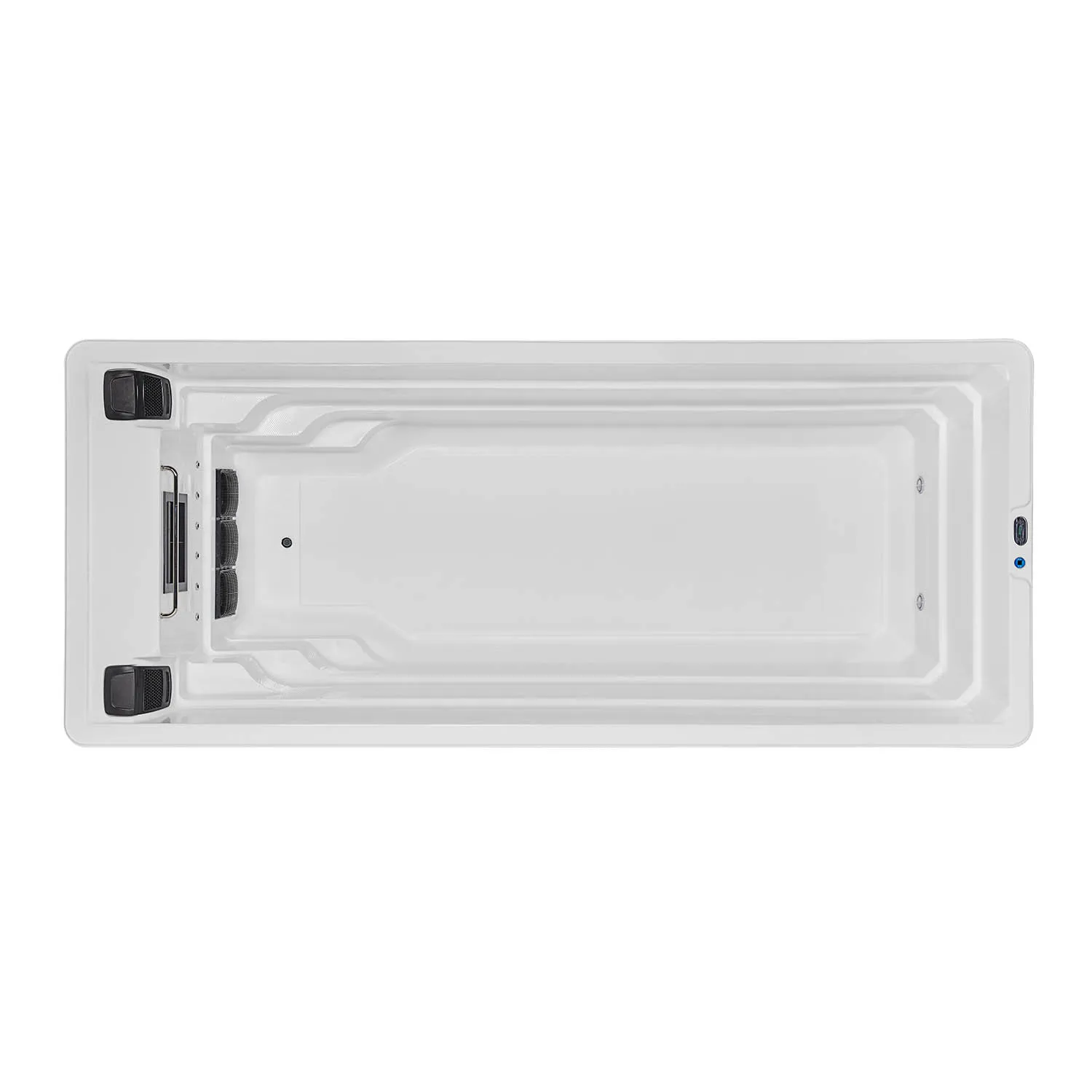
How to Protect Your Health When Using a Swim Spa Tub?
1. Control Bathing Time
The recommended soaking time is 15–30 minutes per session. Avoid prolonged exposure to high-chlorine water.
2. Rinse your body thoroughly after bathing
Use clean water to rinse your skin to reduce irritation from residual chlorine on your skin and hair.
3. Wear goggles or earplugs
For people with sensitive eyes and ears, it is recommended to wear goggles or earplugs to prevent chlorine irritation.
4. Keep out of reach of children
Children have sensitive skin and underdeveloped respiratory systems; they must use the bath under adult supervision.
Long-term Risks of Excessive Chlorine in Swim Spa Tubs
• Skin problems: Long-term exposure may lead to chronic dry skin, dermatitis, or itching.
• Respiratory problems: Long-term inhalation of high concentrations of chlorine vapor may cause chronic respiratory irritation or asthma.
• Eye damage: Long-term exposure may increase the risk of corneal damage.
• Immune system effects: Long-term exposure to high chlorine environments may increase the risk of local infections.
Therefore, strictly controlling chlorine concentration is not only for immediate safety but also an important measure to ensure long-term health.
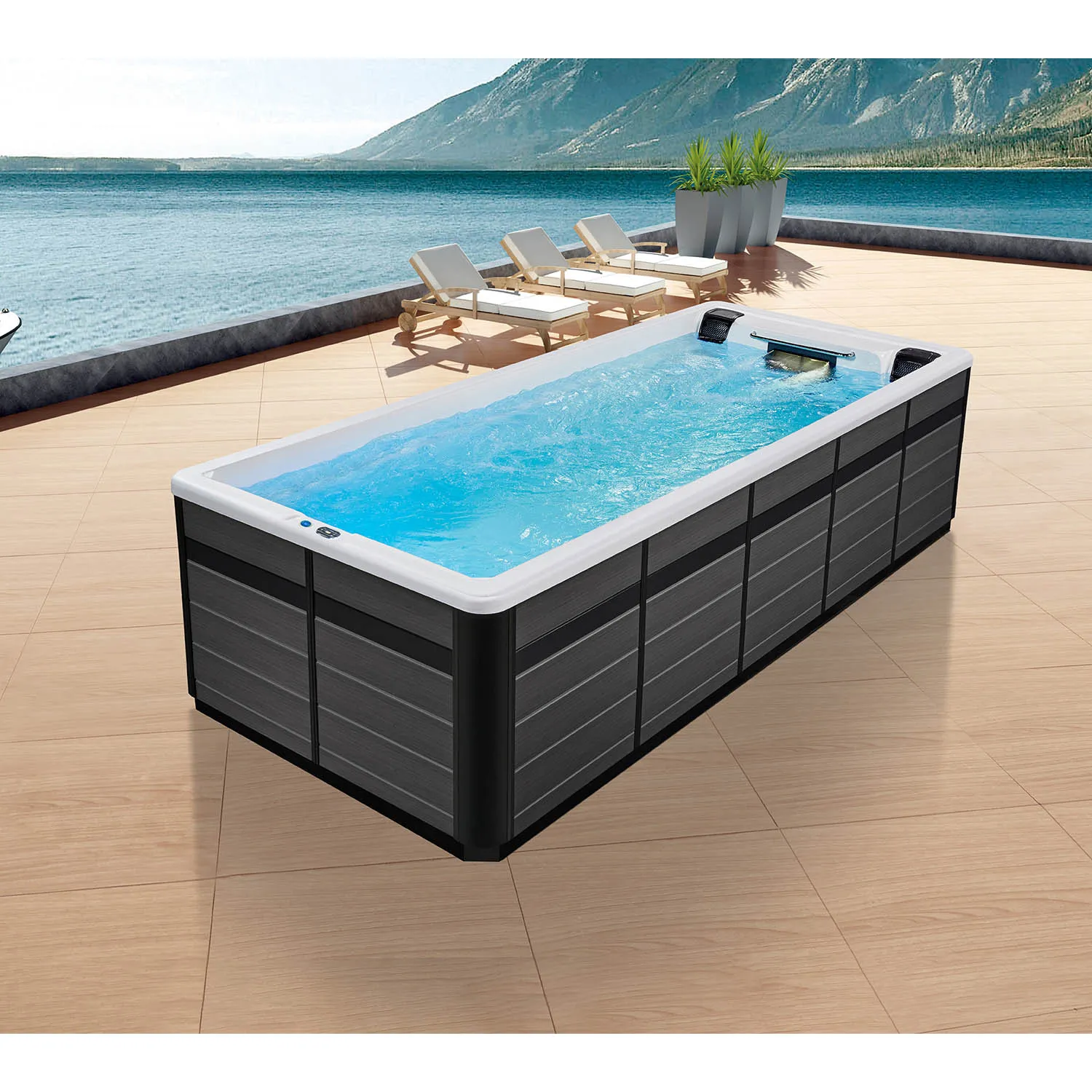
Using Chlorine Scientifically for a Safe Swim Spa Tub Experience
The above analysis reveals several key points:
• Chlorine is essential in a swim spa tub for disinfection and maintaining water quality.
• Excessive chlorine can harm the respiratory system, skin, eyes, and overall health.
• Safe concentrations are typically 1–3 ppm and must be controlled through monitoring.
• Scientific operating methods include precise dosing, regular testing, appropriate use of shock agents, good ventilation, and regular water changes.
Following these principles ensures clean spa water while avoiding the health hazards of chlorine. Correct chlorine use is essential safety knowledge for every swim spa tub user and is fundamental to ensuring a comfortable and relaxing experience.
Can Yuehua accommodate short lead-time requests for urgent projects?
Yuehua maintains multiple production lines, allowing us to handle urgent orders or project deadlines. Although our standard production cycle is around 35 days, we can prioritize urgent manufacturing if raw materials and molds are available.
As a real China manufacturer, we manage our own scheduling and factory capacity, enabling us to offer faster turnaround than many trading companies. Customers who need quick delivery still benefit from factory prices, high quality standards, and stable wholesale supply.