




A whirlpool spa hot tub is a device that can relax muscles, relieve stress, and improve blood circulation. However, while enjoying the comfort of warm water, some health risks lurk. If not properly maintained or kept clean, a whirlpool spa hot tub can become a breeding ground for bacteria, leading to a condition known as "hot tub syndrome."
Many people are unfamiliar with this term, but spa hot tub syndrome is not uncommon. It is a skin and systemic reaction caused by a specific bacterial infection, often occurring after using public or private hot tubs.
So, what are the symptoms of spa hot tub syndrome? How does it occur? And how can it be prevented and treated? This article will provide you with systematic, scientific, and detailed answers.
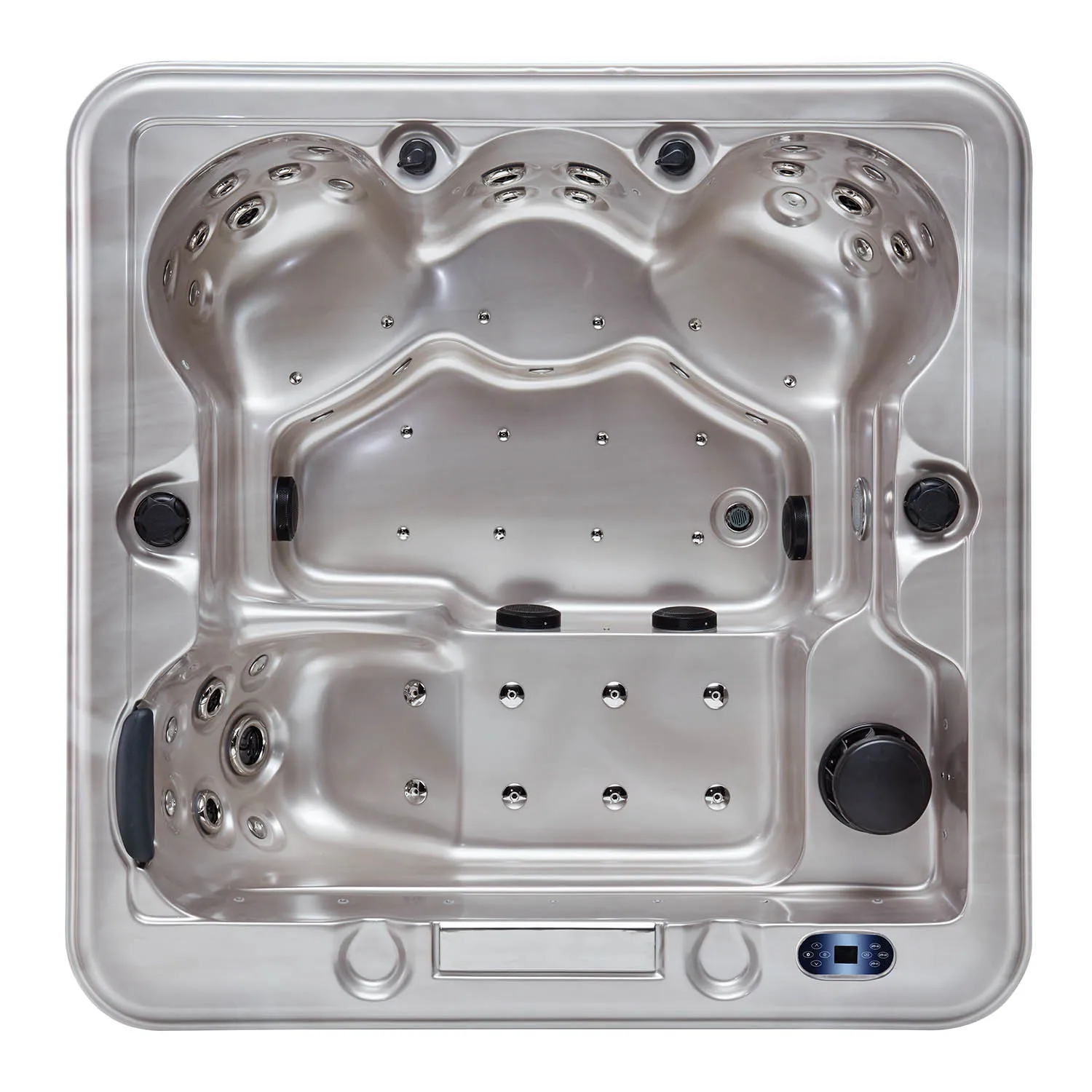
What is spa hot tub syndrome?
Spa hot tub syndrome (Hot Tub Folliculitis) is an inflammatory skin reaction caused by Pseudomonas aeruginosa infection of hair follicles. This bacterium is ubiquitous in humid environments and thrives particularly well in warm, circulating water bodies such as whirlpool spa hot tubs, hydrotherapy pools, and spas.
When whirlpool spa hot tub water quality is poorly maintained—due to insufficient chlorine or bromine concentrations, pH imbalances, or unclean filtration systems—Pseudomonas aeruginosa can rapidly multiply in the water and pipes. When people soak in such a tub, the bacteria can invade skin follicles, causing inflammation.
In short: Whirlpool spa hot tub syndrome is a typical "waterborne bacterial infection" directly related to bathtub hygiene and water quality management.
Why is whirlpool spa hot tub prone to causing this syndrome?
Unlike regular bath water, whirlpool spa hot tub water is typically maintained between 37°C and 40°C. This temperature is ideal for human relaxation but also provides an ideal environment for bacterial growth.
The following factors significantly increase the risk of whirlpool spa hot tub syndrome:
• Suitable temperature for bacterial growth: Pseudomonas aeruginosa grows fastest in environments of 30–40°C.
• Complex water circulation: If pipes, nozzles, and filtration systems are not thoroughly cleaned, biofilm can easily accumulate.
• Insufficient chlorine or bromine content: Low disinfectant concentration cannot effectively inhibit bacterial growth.
• Shared bathtub: Skin oils, sweat, and cosmetic residue provide nutrients for bacteria.
• Frequent use but infrequent water changes: Accumulated dirt accelerates microbial growth.
Therefore, a whirlpool spa hot tub, if not properly maintained, can become a potential breeding ground for bacteria.
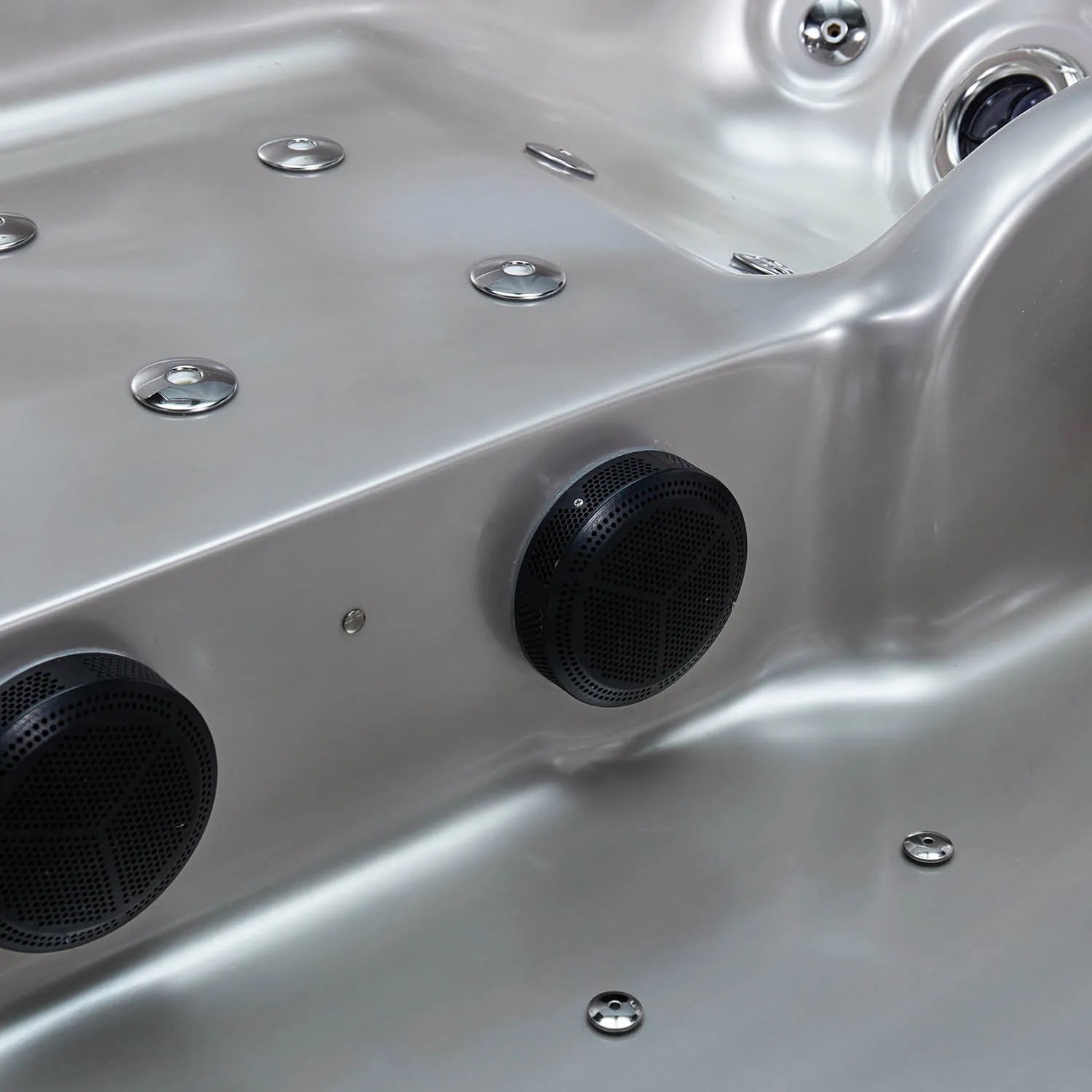
What are the main symptoms of whirlpool spa hot tub syndrome?
The main symptoms of whirlpool spa hot tub syndrome are skin infections, but in severe cases, systemic discomfort may also occur. Symptoms usually appear within 6 to 48 hours after contact with contaminated water.
1. Skin symptoms: The most common manifestation
• Red papules or pustules: Similar to acne, they appear mainly in areas covered by bathrobes, such as the back, buttocks, and inner thighs.
• Itching and burning sensation: Mild pain or itching occurs on the skin, which worsens after scratching.
• Skin sensitivity and erythema: Some patients may experience patchy redness and swelling.
• Characteristics: These rashes often appear on areas of the body that come into frequent contact with the bathtub, especially the back and buttocks.
2. Systemic symptoms: A small number of people may experience
• Mild fever (usually not exceeding 38°C)
• Fatigue, weakness
• Muscle aches
• Headache or chills
Symptoms usually last 2 to 10 days, and most people recover on their own after discontinuing whirlpool spa hot tub use.
How does whirlpool spa hot tub syndrome differ from other skin conditions?
Many people mistakenly believe that whirlpool spa hot tub syndrome is just a common rash, but it has the following unique characteristics that can help distinguish it:
Item | Whirlpool Spa Hot Tub Syndrome | Common allergic dermatitis |
| Onset time | 6–48 hours after exposure to contaminated water | Immediately or within hours of contact with an allergen |
| Etiological cause | Pseudomonas aeruginosa infection | Allergic reaction of the immune system |
| Rash morphology | Papules and pustules, distributed in areas covered by bathrobes | Erythema, edema, without purulent changes |
| Intensity of itching | Moderate itching, with mild pain | Intense itching, often accompanied by scratch marks |
| Recovery time | 5–10 days after stopping exposure | 1–3 days after avoiding the allergen |
If the rash is accompanied by pustules, pain, or persistent symptoms, whirlpool spa hot tub syndrome should be considered.
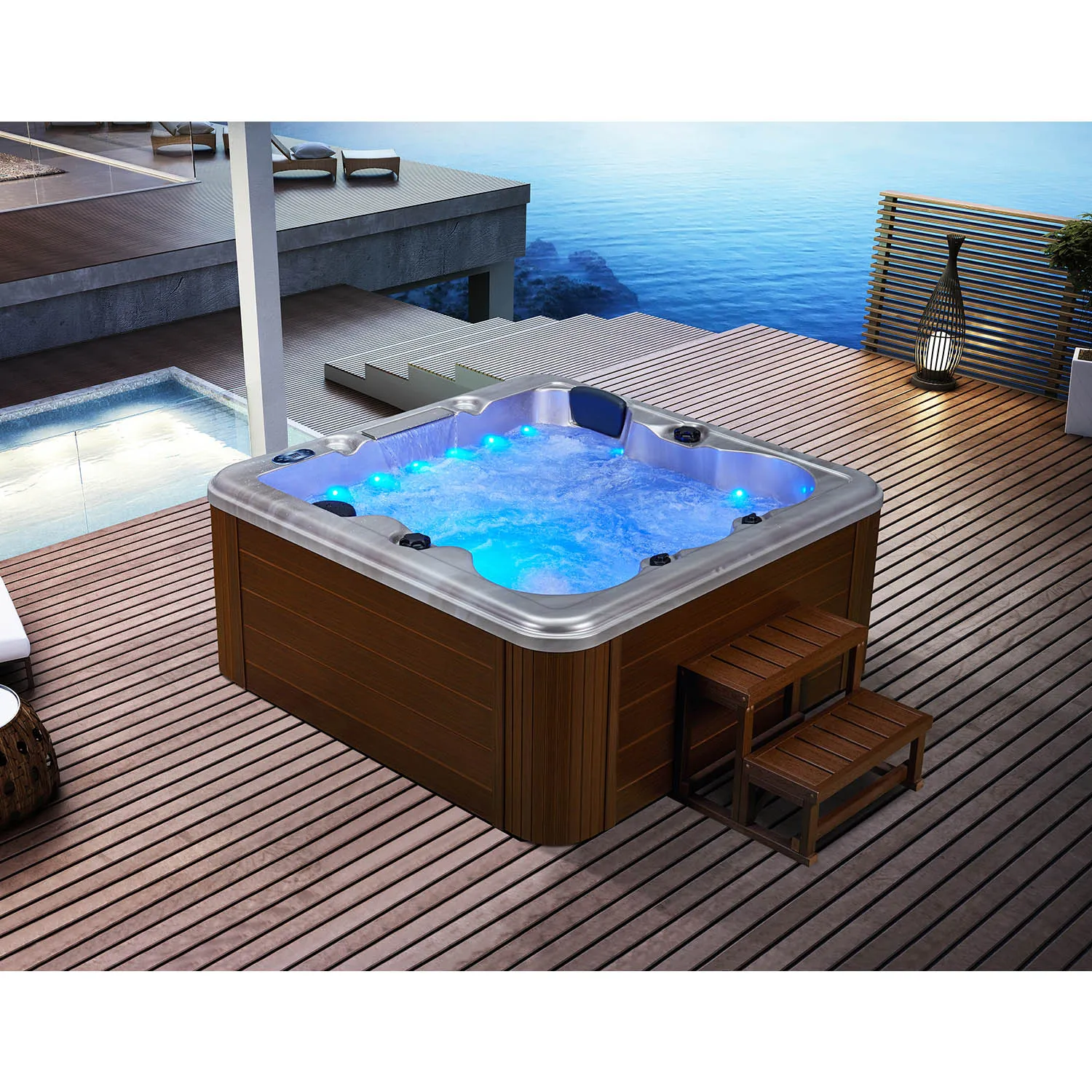
Does whirlpool spa hot tub syndrome heal on its own?
In most cases, whirlpool spa hot tub syndrome is a self-limiting condition, meaning that the body will recover on its own.
Healthy individuals typically recover fully within 7–10 days.
However, certain situations require special attention:
• Individuals with weakened immune systems (such as diabetics or the elderly) may experience more severe infections.
• A persistent or spreading rash may indicate that the infection has penetrated deeper into the hair follicles or subcutaneous tissue.
• If accompanied by high fever or localized swelling and pain, seek medical attention immediately.
Diagnostics may prescribe antibacterial ointments or oral antibiotics (such as ciprofloxacin or cephalosporins), depending on the severity of the infection.
Is Whirlpool spa hot tub syndrome contagious?
Although this illness is caused by bacteria, whirlpool spa hot tub syndrome itself is not transmissible from person to person.
That is, the rash will not directly infect others through skin contact.
The key to infection is: contact with contaminated water, not contact with the infected person.
Therefore, if multiple users share the same uncleaned whirlpool spa hot tub, symptoms may develop successively.
How is whirlpool spa hot tub syndrome diagnosed?
Doctors typically diagnose whirlpool spa hot tub syndrome through the following steps:
• Medical history: Inquire about recent use of the whirlpool spa hot tub or spa.
• Skin examination: Observe the distribution and morphology of the rash.
• Bacterial culture: Take a pus sample for laboratory testing to confirm whether it is a Pseudomonas aeruginosa infection.
In most mild cases, clinical manifestations are sufficient for diagnosis, without the need for complex testing.
How to prevent whirlpool spa hot tub syndrome?
Prevention is better than cure. Maintaining the water quality and cleanliness of the whirlpool spa hot tub is key. The following measures can significantly reduce the risk:
1. Maintain appropriate chlorine or bromine concentrations
• Available chlorine: 1.5–3 ppm
• pH: 7.2–7.6
Check and adjust daily to prevent bacterial growth.
2. Change the water regularly
• Household bathtubs: It is recommended to change the water every 2–3 weeks;
• Commercial bathtubs: Change the water daily or after each use, depending on the frequency of use.
3. Clean the filtration system and nozzles
Bacteria easily adhere to the biofilm on the nozzles and pipe walls. Clean them weekly and flush with a disinfectant solution.
4. Maintain personal hygiene before bathing
Shower first to remove sweat and makeup residue, reducing sources of water contamination.
5. Control the temperature
Avoid water temperatures exceeding 40°C, as excessive heat not only promotes bacterial growth but also irritates the skin.
6. Use professional disinfection products
Use whirlpool spa hot tub disinfectant tablets or cleaning solutions regularly to deeply clean the circulation pipes.
What should a whirlpool spa hot tub user do if they develop a rash?
If you suspect you have whirlpool spa hot tub syndrome, take the following steps immediately:
• Stop using the bathtub to prevent secondary infection.
• Keep skin dry and clean, and avoid scratching.
• Use a mild antibacterial cleanser to bathe to relieve itching.
• If symptoms worsen or persist, seek medical attention.
Thoroughly clean the bathtub and change the water to prevent infection of other users.
Understanding the Symptoms is Key to Prevention
Whirlpool spa hot tub syndrome, while sounding alarming, is actually a preventable and recoverable skin infection.
This discomfort can be completely avoided by maintaining proper water quality management and cleaning habits.
Key Points:
• Main Cause: Pseudomonas aeruginosa infection.
• Typical Symptoms: Red papules, itching, mild fever.
• Most cases resolve on their own; severe cases require antibiotic treatment.
• Prevention: Maintain water quality, control temperature, and disinfect regularly.
If you develop a rash or discomfort after using a whirlpool spa hot tub, don't panic. Understanding the symptoms and addressing them promptly will ensure a safe recovery.
A healthy and safe whirlpool spa hot tub experience is always built on good maintenance and proper use.
Are Outdoor Spa and Sauna Room Components Available for Bulk Supply?
Yes. We also supply shells, frames, jets, pumps, wooden panels, and electrical systems for customers building or repairing outdoor spa and sauna room installations. Component wholesale orders qualify for flexible MOQ arrangements and discounted purchasing prices. Yuehua’s technical team can assist in matching parts based on model compatibility to help reduce after-sales complexity. Retailers and technicians benefit from fast delivery and manufacturer-verified product reliability.