
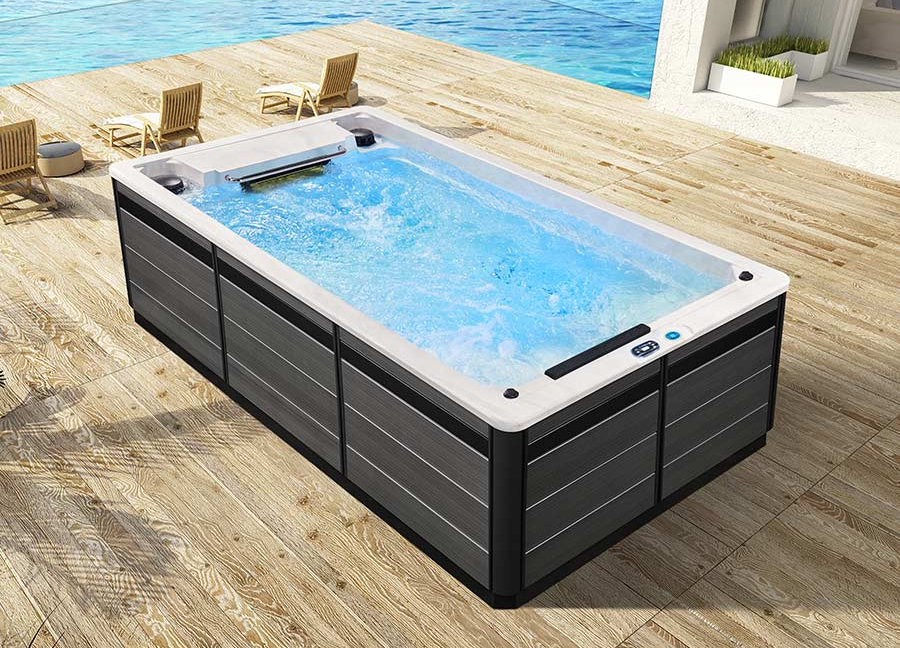



A swim spa tub combines swimming and spa functions, allowing you to exercise at home and providing a comfortable and relaxing experience. However, to maintain clear water and stable operation in the long term, a filtration system alone is far from sufficient. Water is affected by the environment, human secretions, and temperature, thus requiring chemicals to maintain balance.
Many first-time swim spa tub users have questions: What chemicals does a swim spa tub actually need? Is it necessary to use disinfectants? What is the role of pH adjusters? Will the dosage affect skin health?
This article will systematically answer these questions from a scientific and practical perspective, helping you manage your spa environment correctly and safely.
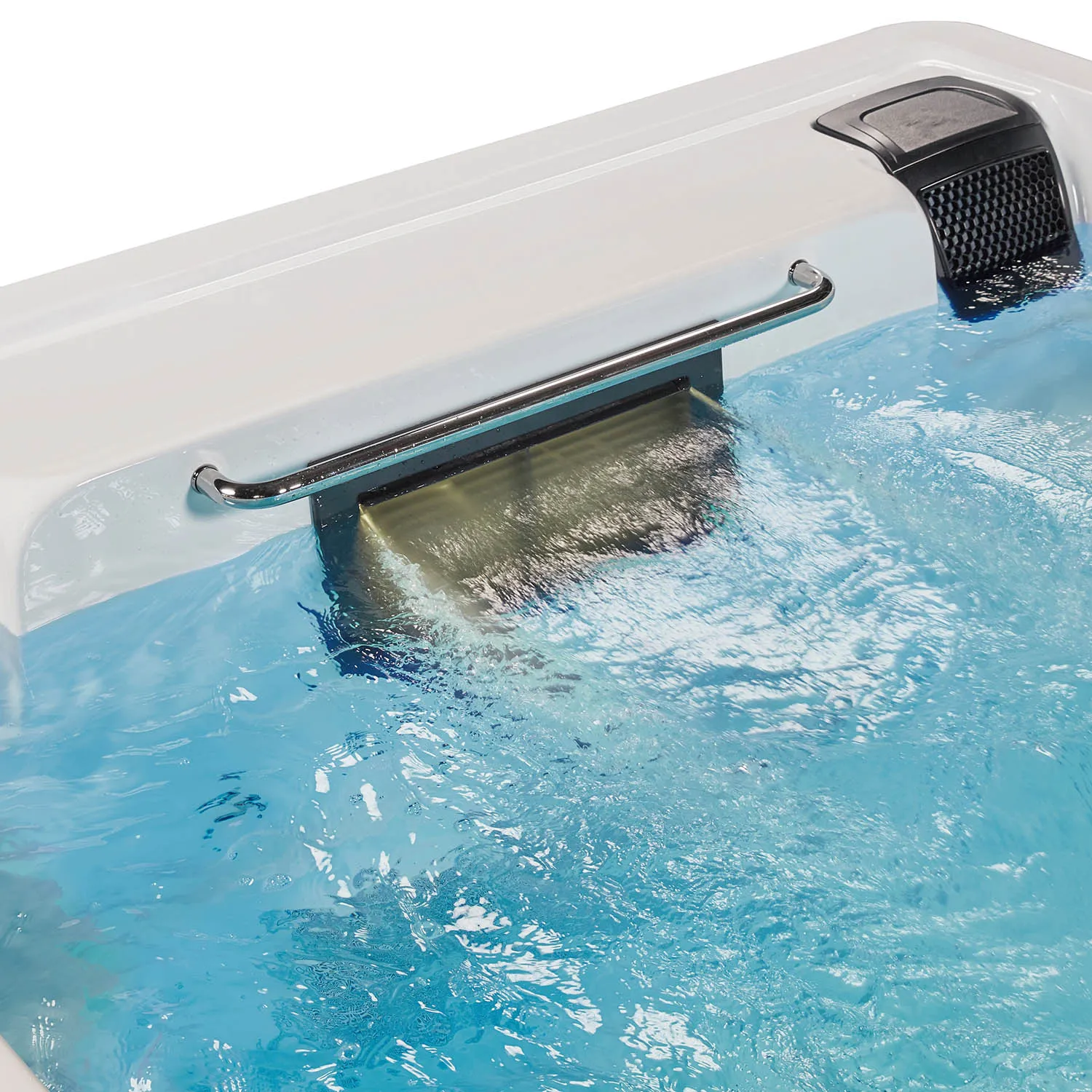
Why does a swim spa tub need chemicals?
Before understanding the required chemicals, we must first clarify: Why must a swim spa tub use chemicals?
• Controlling bacterial and algal growth: Warm water provides ideal conditions for bacteria and algae to thrive; without control, the water will become cloudy and even develop an unpleasant odor.
• Maintaining water balance: Human skin flakes, sweat, and cosmetic residue can alter the pH of the water, leading to decreased system efficiency.
• Protecting equipment lifespan: Overly acidic or alkaline water can corrode metal fittings, clog pipes, or affect nozzle performance.
Therefore, the use of chemicals is not only for "cleaning the water," but also a crucial means of protecting the swim spa tub itself and ensuring user health.
What are the basic chemicals needed for a swim spa tub?
Water treatment for swim spa tubs typically involves five main categories of chemicals, each with a different function:
1. Disinfectants
2. pH Balancers
3. Alkalinity Adjusters
4. Calcium Hardness Increasers
5. Algaecides & Clarifiers
We will now analyze their functions, usage, and precautions in detail.
What kind of disinfectants are needed for a swim spa tub?
Why are disinfectants necessary?
Disinfectants are the core chemicals for maintaining safe water quality. It kills bacteria, viruses, and microorganisms in water, ensuring a hygienic and safe spa environment.
Common Types
1. Chlorine
Chlorine is the most common disinfectant, effectively killing bacteria and algae and keeping water clear. Suitable for most swim spa tubs.
• Advantages: Highly effective, economical, and readily available.
• Disadvantages: Strong odor; improper use may irritate skin or eyes.
2. Bromine
Bromine is an alternative to chlorine, especially suitable for high-temperature environments. Bromine is more stable in the higher temperatures of swim spa tubs.
• Advantages: Mild odor, strong bactericidal power.
• Disadvantages: Higher price, slower dissolution.
3. Oxidizing Disinfectants (Non-chlorine)
Also known as "active oxygen" or "oxidant," suitable for people sensitive to chemical odors.
• Advantages: Environmentally friendly, low irritation.
• Disadvantages: Poor durability, requires more frequent refills.
In household use, bromine is generally recommended for use in swim spa tubs due to its mild properties and stability.
What role do pH adjusters play in swim spa tubs?
Why adjust pH?
pH determines the acidity or alkalinity of water, with an ideal range of 7.2–7.8.
Outside this range, the following problems may occur:
• Low pH (acidic): Corrodes metal parts and irritates skin and eyes.
• High pH (alkaline): Leads to scale formation and reduces the effectiveness of disinfectants.
Common pH Adjusting Chemicals
• pH Reducer: Often contains sodium metasulfite or diluted hydrochloric acid to reduce alkalinity.
• pH Increaser: Often contains sodium carbonate to raise the pH of acidic water.
When managing a swim spa tub, the water pH should be tested at least weekly, and adjust the amount of pH adjuster added as needed based on the test results.
Why is alkalinity important for the water quality of a swim spa tub?
Total alkalinity is the ability of water to buffer changes in pH. The ideal alkalinity range is 80–120 ppm.
The Effects of Alkalinity Imbalance
• Low alkalinity: pH fluctuates easily, making the water unstable.
• High alkalinity: pH is difficult to adjust, and scale buildup is likely.
Common Chemicals
• Alkalinity increasers: The main component is sodium bicarbonate.
• Alkalinity decreasers: Usually similar to pH decreasers, used for fine-tuning the water balance.
Regularly testing and adjusting alkalinity can effectively maintain stable water quality in swim spa tubs, reducing equipment corrosion and nozzle clogging.
Why Does Swim Spa Tub Water Hardness Need Adjustment?
The Role of Hardness
Water hardness refers to the content of calcium and magnesium ions in water. The ideal hardness range is 150–250 ppm.
• Low hardness: The water becomes "soft," becoming corrosive and damaging metal equipment.
• High hardness: Scale easily forms, clogging pipes or nozzles.
Commonly Used Chemicals
• Hardness Increaser: Primarily composed of calcium chloride, used to increase calcium content.
• Scale Inhibitor: Helps inhibit mineral buildup, reducing cleaning frequency.
Maintaining proper hardness helps protect the heating element and circulation system of the swim spa tub.
What are the functions of algaecides and clarifiers?
While disinfectants control most microorganisms, sometimes additional chemicals are needed to maintain water clarity and transparency.
• Algaecide: Used to prevent algae growth, especially in sunny and warm conditions. Regular weekly addition in small amounts can prevent the water from turning green.
• Clarifier: Works by agglomerating tiny impurities into larger particles, making them easier for the filter to remove.
Regular use of these chemicals can make the water in the swim spa tub clearer, reducing the need for frequent water changes.

How should the frequency of chemical use be controlled?
The frequency of adding different chemicals depends on:
• Usage frequency (daily, weekly, occasional)
• Water volume
• Ambient temperature and sunlight exposure
• Number of users
Generally, it is recommended to follow these principles:
• Test water quality weekly, including pH, alkalinity, and chlorine/bromine levels.
• Add algaecide every 1–2 weeks.
• Thoroughly clean the filter monthly.
• Partially replace the water every three months.
A scientific maintenance plan can significantly reduce chemical usage and extend the life of your swim spa tub.
What safety precautions should be taken when using chemicals?
While the use of chemicals is necessary, improper handling can pose risks.
• Avoid mixing different chemicals: especially chlorine and acids, as mixing can produce harmful gases.
• Add as directed: Strictly follow the manufacturer's recommended ratio; excessive amounts may irritate skin or damage the equipment.
• Ensure good ventilation: When managing the swim spa tub indoors, maintain air circulation to prevent inhalation of chemical fumes.
• Safe storage: All chemicals should be sealed and stored away from children and direct sunlight.
Proper operation not only ensures safety but also allows chemicals to work more consistently.
How to Choose the Right Chemicals for Your Swim Spa Tub?
A wide variety of products are available on the market, varying in brand, concentration, and form (powder, tablet, liquid). When choosing, consider:
• Product Compatibility: Confirm that the chemicals are suitable for your spa system and filter media.
• Ease of Use: For home users, tablets or liquid formulations offer easier dosage control.
• Individual Sensitivity: If you have sensitive skin, choose low-chlorine or non-chlorine products.
Appropriate selection and combination will ensure your swim spa tub is both safe and comfortable.
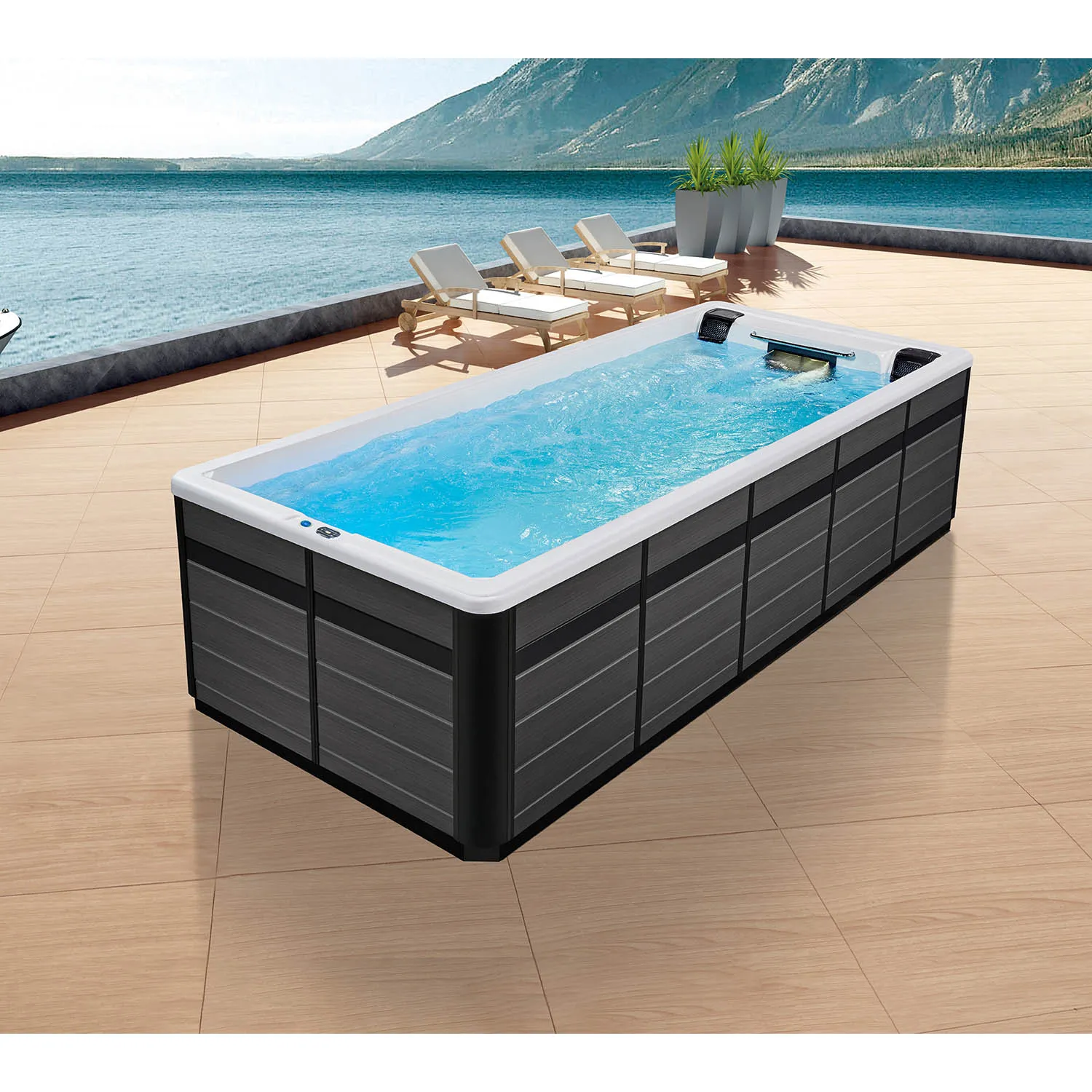
Key Points of Swim Spa Tub Chemical Management
As the above analysis shows, the main chemicals needed for a swim spa tub include:
1. Disinfectants (chlorine or bromine)
2. pH Adjusters
3. Alkalinity and Hardness Adjusters
4. Algaecides and Clarifiers
The purpose of these chemicals is not to add complexity, but to ensure clean water, stable equipment, and safe use. With scientific management and proper testing, maintenance difficulties can be effectively reduced, allowing the swim spa tub to maintain optimal condition for a long time.
Are your outdoor spa and swim spa suitable for long-term use?
Yes. Yuehua designs outdoor spa and swim spa units specifically for durability and repeated daily use. Reinforced fiberglass structures, high-density insulation, and reliable control systems are standard across our models. These features make our products suitable for homes, hotels, and wellness centers. As an experienced factory in China, we test every unit before shipment to ensure performance stability.