
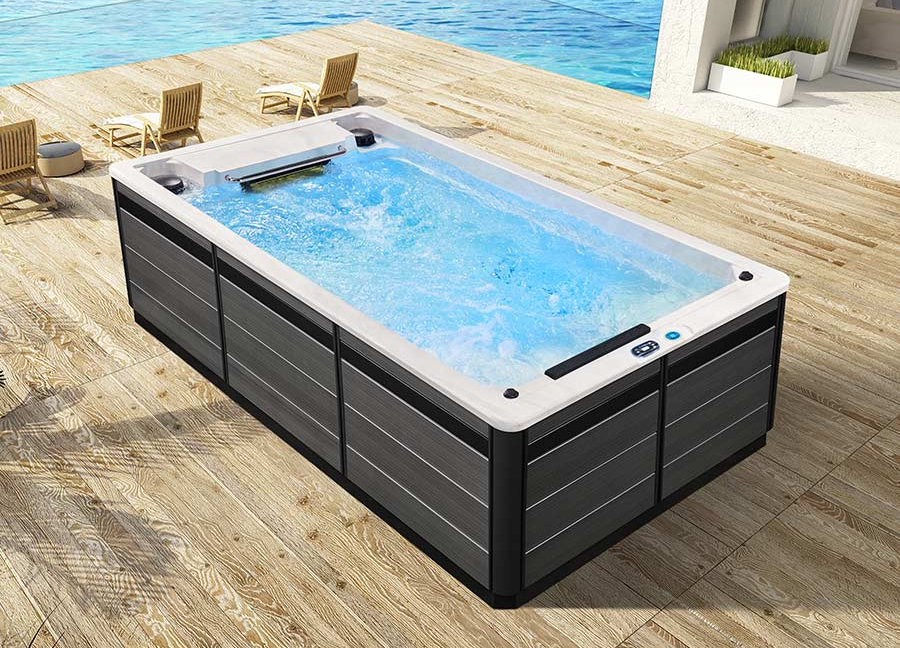


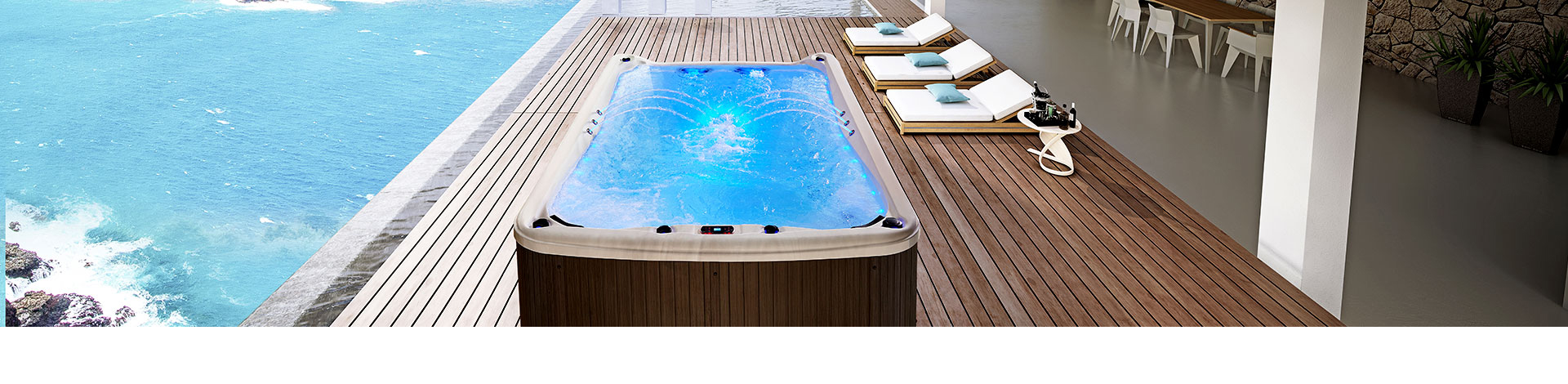
When using a swim spa tub, water temperature is a crucial factor determining comfort, safety, and therapeutic effects. Water that is too hot or too cold can negatively impact physical condition, muscle relaxation, cardiovascular response, and the overall experience.
Therefore, understanding the optimal temperature for a swim spa tub not only helps users achieve ideal relaxation and exercise results but also extends the equipment's lifespan and maintains stable water quality.
This article will systematically analyze this from multiple perspectives, helping you clarify the ideal temperature range for different usage scenarios and the scientific basis behind temperature regulation.
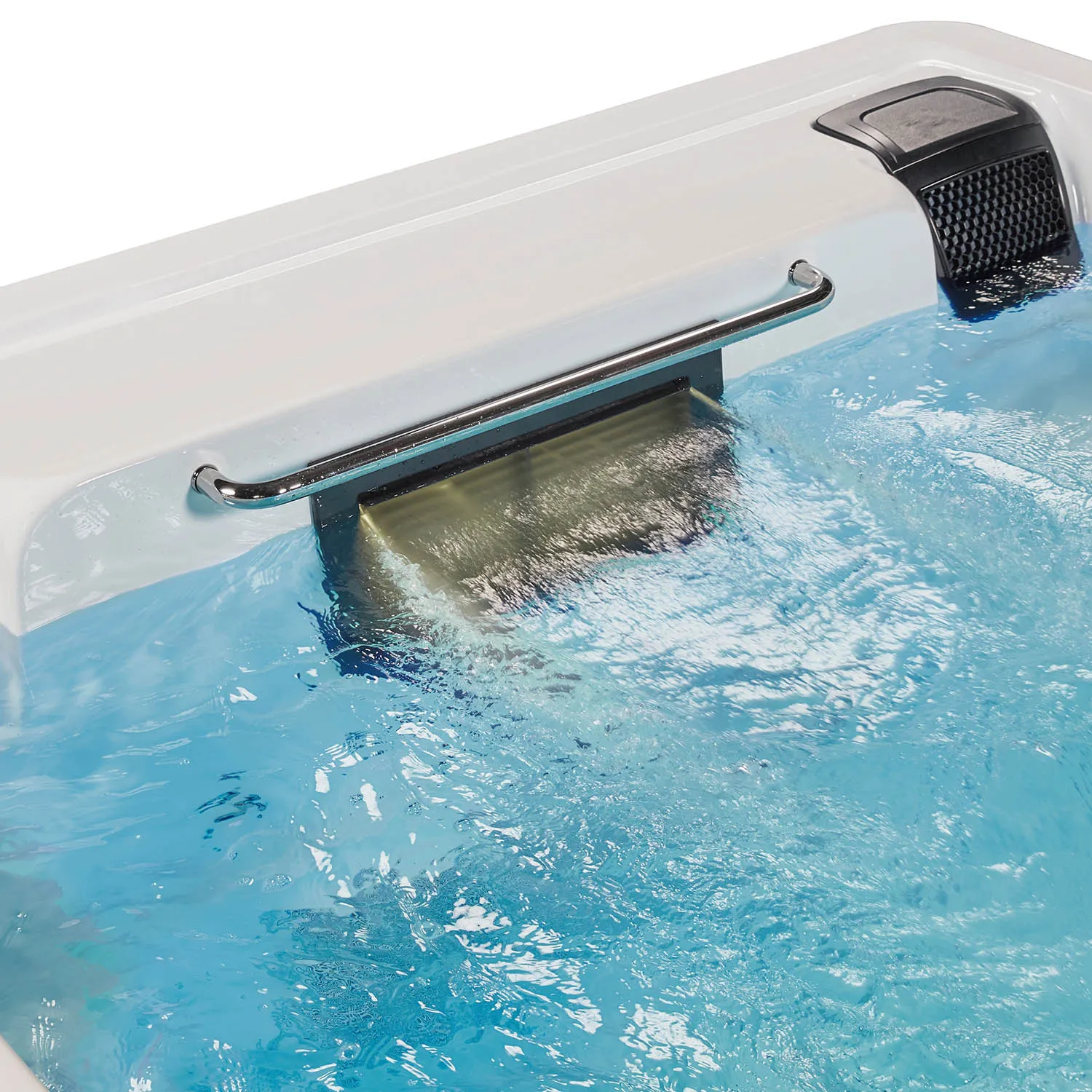
Why is the water temperature of a swim spa tub so important?
A swim spa tub differs from a regular hot tub or traditional swimming pool; it combines fitness training with relaxation therapy. Temperature control is a key element for the following reasons:
1. Directly Affects Bodily Response
Water temperature alters the state of vasoconstriction and vasodilation, thereby affecting blood flow velocity, metabolic rate, and muscle recovery.
2. Determining Training Effectiveness and Comfort
For those wanting to perform endurance training or aquatic aerobics in a swim spa tub, excessively high water temperatures can lead to fatigue; while for relaxation or massage users, excessively low water temperatures will reduce the soothing effect.
3. Related to Safety and Energy Consumption
Inappropriate temperatures can cause dizziness, dehydration, and even abnormal heart rates, while proper temperature control can effectively save energy.
Therefore, understanding how to adjust the swim spa tub temperature according to individual needs and environmental conditions is key to achieving the best user experience.
What is the standard temperature range for a swim spa tub?
Generally, the temperature range of a swim spa tub can be set between 26°C and 40°C. Different temperature zones correspond to different functions and are suitable for different user groups:
Purpose of Use | Recommended Temperature Range | Description
Fitness, Swimming Training | 26°C–30°C | Simulates standard pool water temperature, avoiding overheating and fatigue
Light Relaxation or Massage | 32°C–36°C | Keeps muscles relaxed and promotes blood circulation
Deep Therapy, Pain Relief | 37°C–40°C | Simulates a hot spring environment, relaxing the nervous system
Therefore, there is no single "optimal" temperature for a swim spa tub; it should be adjusted according to the intended use.
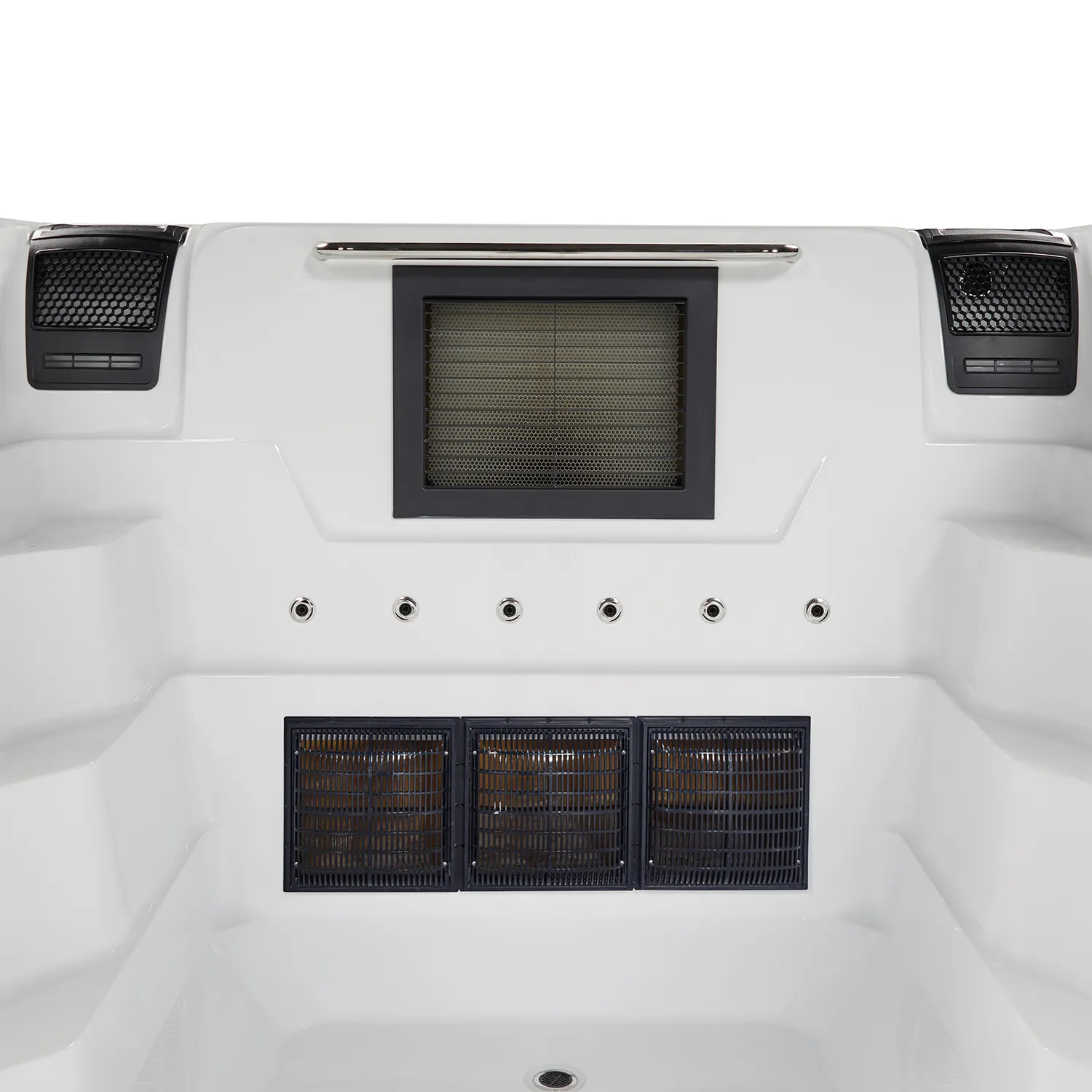
Why do different users have such different temperature sensations?
Different people exhibit significant differences in their sensitivity and preference for water temperature when using a swim spa tub. This is related to the following factors:
1. Physical Differences
Younger people or those who exercise frequently generally have higher heat tolerance, while older people or those with cardiovascular diseases are more suited to lower temperatures.
2. Gender and Metabolic Rate
Women have a higher body fat percentage and better heat retention, generally preferring slightly lower water temperatures; men have a faster metabolism and are more suited to slightly higher temperatures.
3. Ambient Temperature
In winter or in areas with low temperatures, the swim spa tub water temperature can be appropriately increased to prevent heat loss; while in summer, the temperature should be lowered to prevent overheating.
4. Activity Type
If the user mainly engages in swimming training or water walking, it is recommended to maintain a temperature of around 28°C; if performing muscle relaxation or massage therapy, the temperature can be increased to 37°C–39°C.
What is the scientific relationship between swim spa tub temperature and human response?
Water temperature affects the human body through clear physiological mechanisms, mainly manifested in the following aspects:
1. Cardiovascular System Regulation
When the water temperature is between 36°C and 38°C, blood vessels dilate and blood circulation accelerates, helping muscles eliminate metabolic waste. However, if the water temperature exceeds 40°C, the heart rate will increase significantly, easily causing fatigue or dizziness.
2. Muscle Relaxation and Joint Decompression
A moderate temperature promotes muscle fiber relaxation and reduces lactic acid buildup, which is especially beneficial for people who exercise or sit for long periods.
3. Nervous System Relaxation
A warm water environment stimulates skin receptors, promoting endorphin release and creating a feeling of relaxation and well-being.
4. Metabolic Effects
Higher water temperatures help accelerate metabolism, but prolonged stays may lead to dehydration or excessive sweating.
Therefore, when adjusting the temperature of the swim spa tub, individual health conditions and usage duration should be considered to ensure physiological responses remain within a safe range.
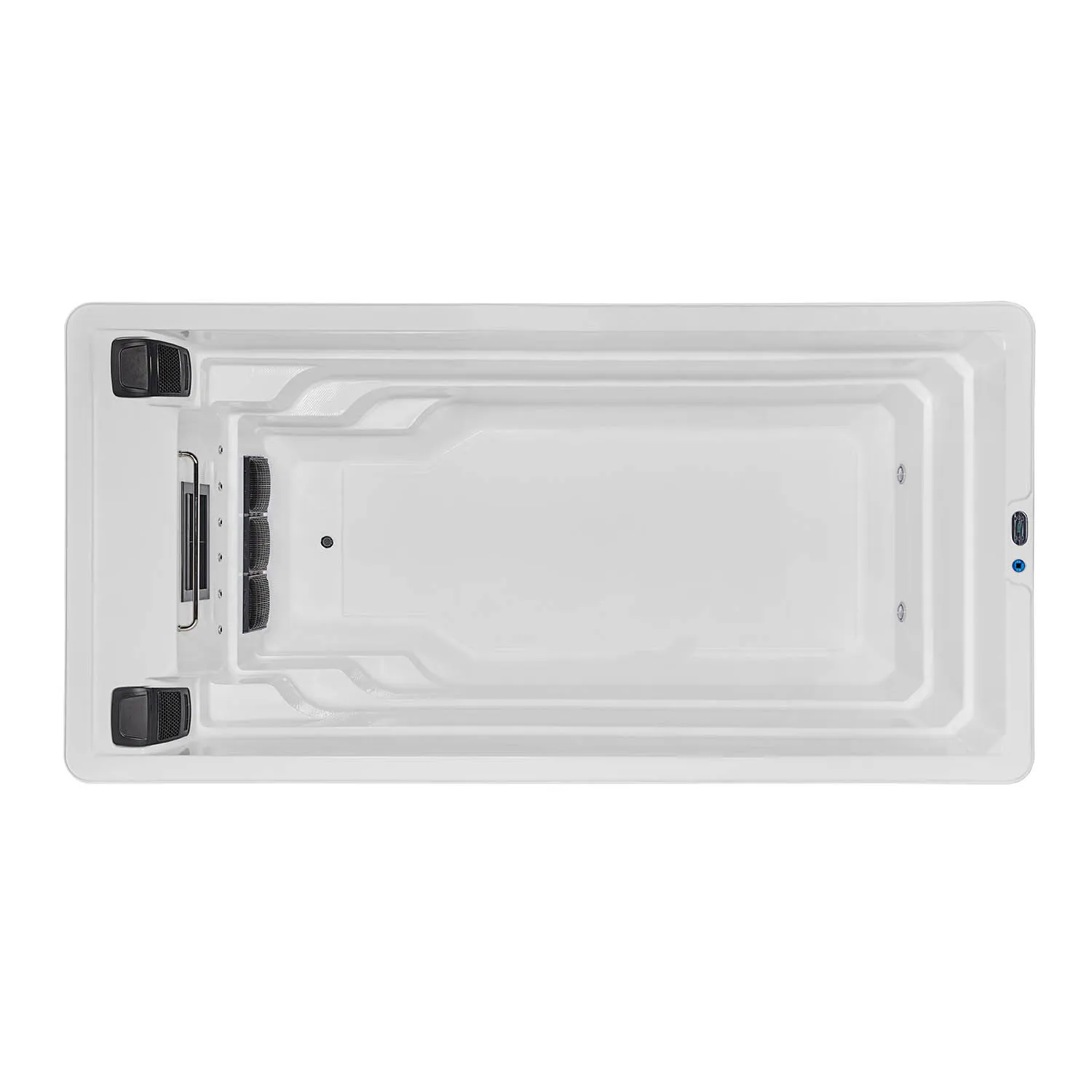
What are the recommended swim spa tub temperatures for different usage scenarios?
1. Daily Exercise or Swimming Training
If the swim spa tub is primarily used for aquatic exercise or rehabilitation training, the ideal temperature is 26°C–30°C.
This temperature range helps maintain alertness, prevents overheating, and preserves athletic performance.
2. Relaxation and Massage Therapy
For users who wish to relieve stress or muscle soreness with a swim spa tub, it is recommended to set the temperature to 36°C–38°C.
At this temperature, the water promotes blood flow, accelerates tissue repair, and enhances comfort.
3. Winter Use
In cold environments, to counteract the effects of low temperatures, the temperature can be set to 37°C–39°C.
However, avoid prolonged soaking to prevent excessive body temperature or blood pressure fluctuations.
4. Summer Use
When using a swim spa tub in summer, it is recommended to adjust the temperature to 28°C–33°C.
Maintaining a lukewarm temperature allows for relaxation without causing excessive sweating or dehydration.
How to Safely Adjust the Temperature of the Swim Spa Tub?
1. Gradually Increase the Temperature
Never adjust to a high temperature all at once. Increase the temperature by 1°C–2°C each time, observe your body's reaction, and then continue adjusting.
2. Control the Usage Time
Even at a comfortable temperature, it is recommended that each use not exceed 30 minutes. For high-temperature therapy, the duration should be shortened to 15–20 minutes.
3. Use a thermostat system
Modern swim spa tubs are often equipped with intelligent thermostats that monitor temperature changes in real time and maintain a safe range.
4. Keep the water clean
High water temperature promotes microbial growth; water should be changed or disinfectants added regularly to ensure hygienic use.
Temperature Considerations For Children And the Elderly Using a Swim Spa Tub
1. Children
Children have a high metabolism but weaker thermoregulation. It is recommended to keep the temperature between 33°C and 35°C and have an adult accompany them at all times.
2. The elderly
The elderly have lower tolerance for high temperatures. The optimal temperature is 34°C–37°C. Avoid prolonged soaking to prevent increased cardiovascular burden.
3. Pregnant women or patients with chronic diseases
If you have a special health condition, it is recommended to use the tub under the guidance of a doctor. The temperature should not exceed 37°C.
How do environmental factors affect the temperature maintenance of a swim spa tub?
Ambient temperature, wind speed, humidity, and insulation design all affect the thermal efficiency of a swim spa tub:
• Insulation cover and insulation layer: Prevents heat loss, especially important for outdoor use.
• Circulating heating system: Efficient filtration and circulation help maintain a stable temperature.
• Ambient temperature compensation: If the outside temperature is low, the system automatically increases the heating frequency to maintain the set temperature.
Through a good insulation structure and temperature control system, the swim spa tub maintains a comfortable user experience in different seasons.
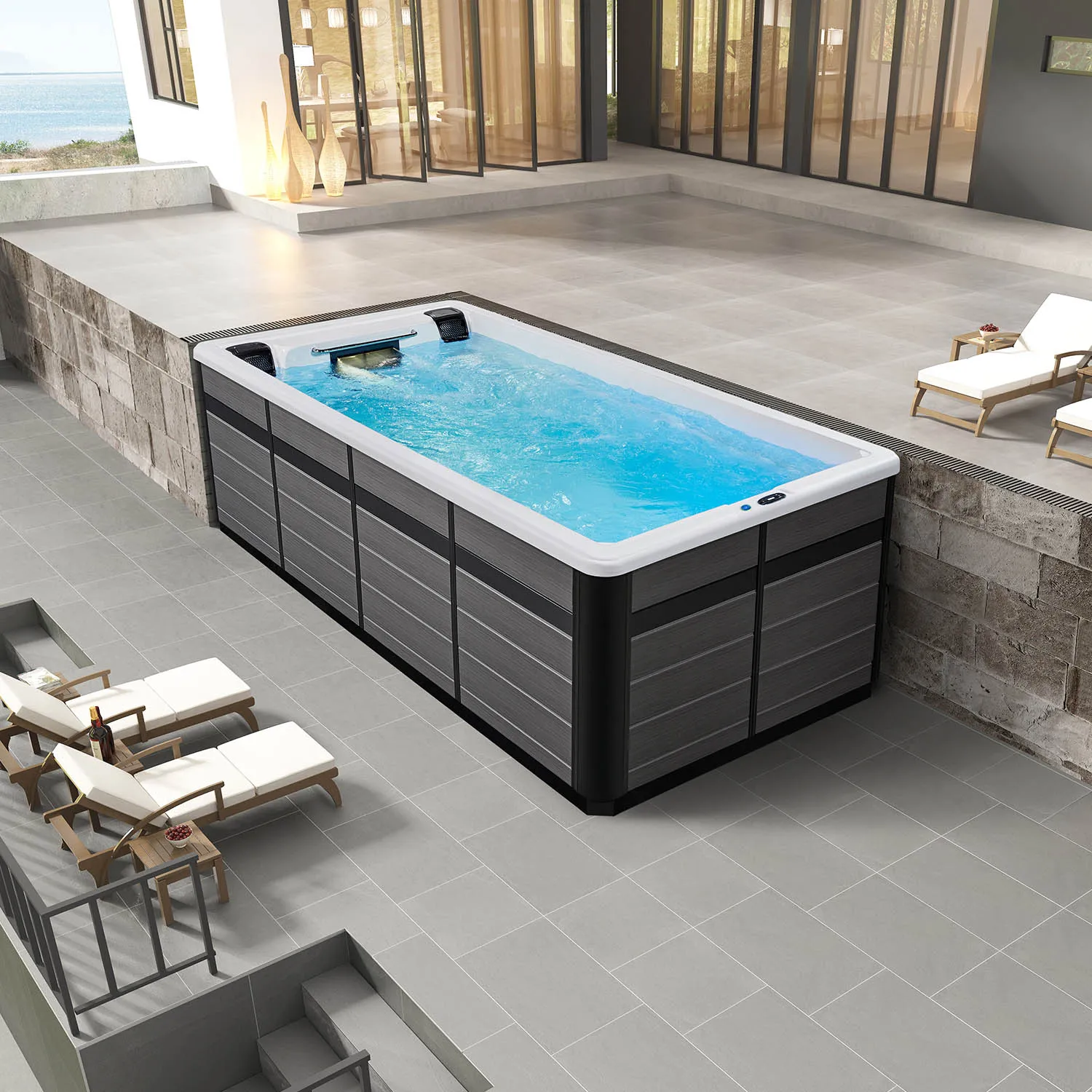
How to balance energy consumption and comfort?
Maintaining the temperature of the swim spa tub requires a continuous energy supply, so finding a balance between energy consumption and comfort is crucial.
Recommended methods are as follows:
• Use timed heating mode, heating only before use;
• Clean the filter regularly to improve thermal circulation efficiency;
• Install an energy-saving insulation cover;
• Set a reasonable standby temperature (e.g., 30°C) to avoid prolonged high-temperature operation.
These measures not only reduce energy consumption but also extend the life of the equipment.
What is the optimal temperature for a swim spa tub?
Based on the preceding analysis, the optimal temperature for a swim spa tub depends on the intended use and individual circumstances:
• For exercise and swimming: 26°C–30°C
• For relaxation and massage: 36°C–38°C
• For cold environments or deep conditioning: 38°C–40°C (carefully control duration)
The ideal temperature should provide comfort, relaxation, and prevent fatigue. By scientifically adjusting the temperature and usage time, a swim spa tub not only delivers a pleasurable experience but also effectively promotes health.
Are your products designed for different climate conditions?
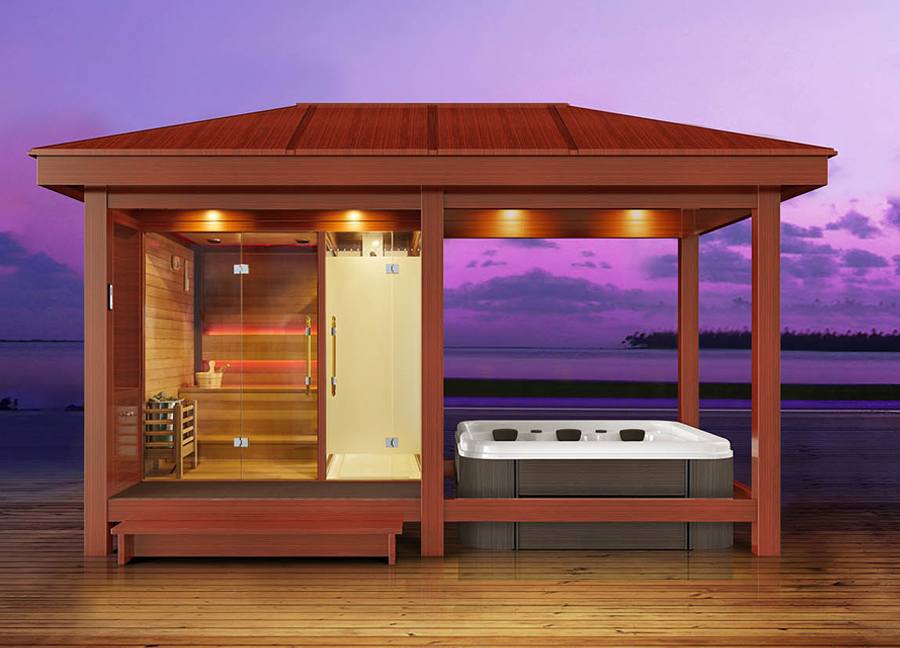
Yes. Yuehua develops products suitable for diverse climates worldwide. Outdoor spa and swim spa models include insulation for cold regions, while outdoor gazebo and sauna room structures are treated for moisture and temperature resistance. Steam bathroom systems are designed for stable output even under frequent use. This adaptability helps our global partners buy with confidence and expand sales across multiple regions without changing suppliers.