



Water quality management is one of the most crucial aspects of keeping a swim spa tub clean and safe. Chlorine, a common disinfectant, is widely used in swimming pools and spa tubs to kill bacteria, algae, and other harmful microorganisms.
Many users often ask a key question: How often should I add chlorine to my swim spa tub?
This seemingly simple question actually involves multiple factors, including water balance, usage frequency, water volume, environmental conditions, and personal health and safety.
This article will comprehensively answer this question from the perspectives of scientific principles, specific operations, and common questions.
Why Does a Swim Spa Tub Need Regular Chlorine Adding?
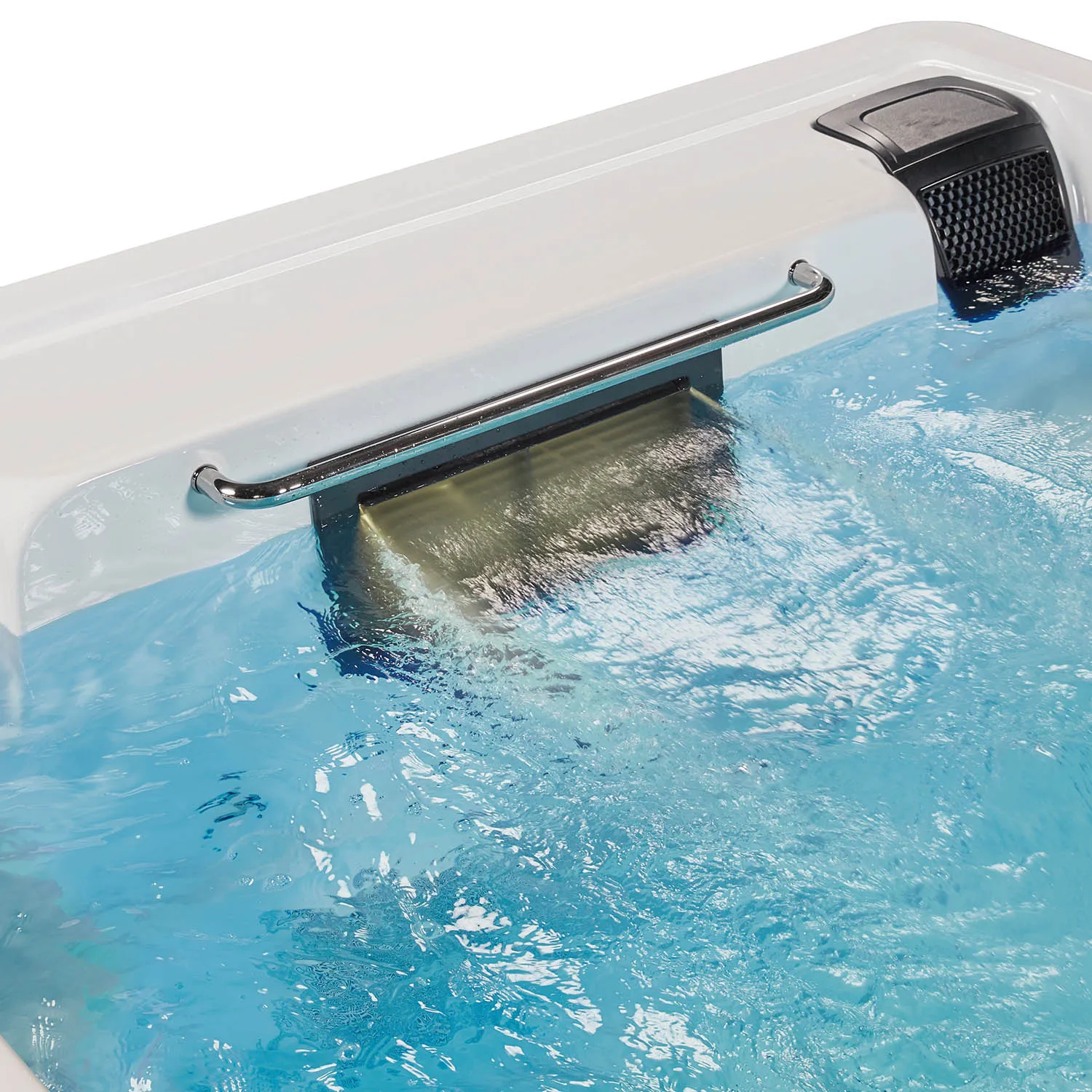
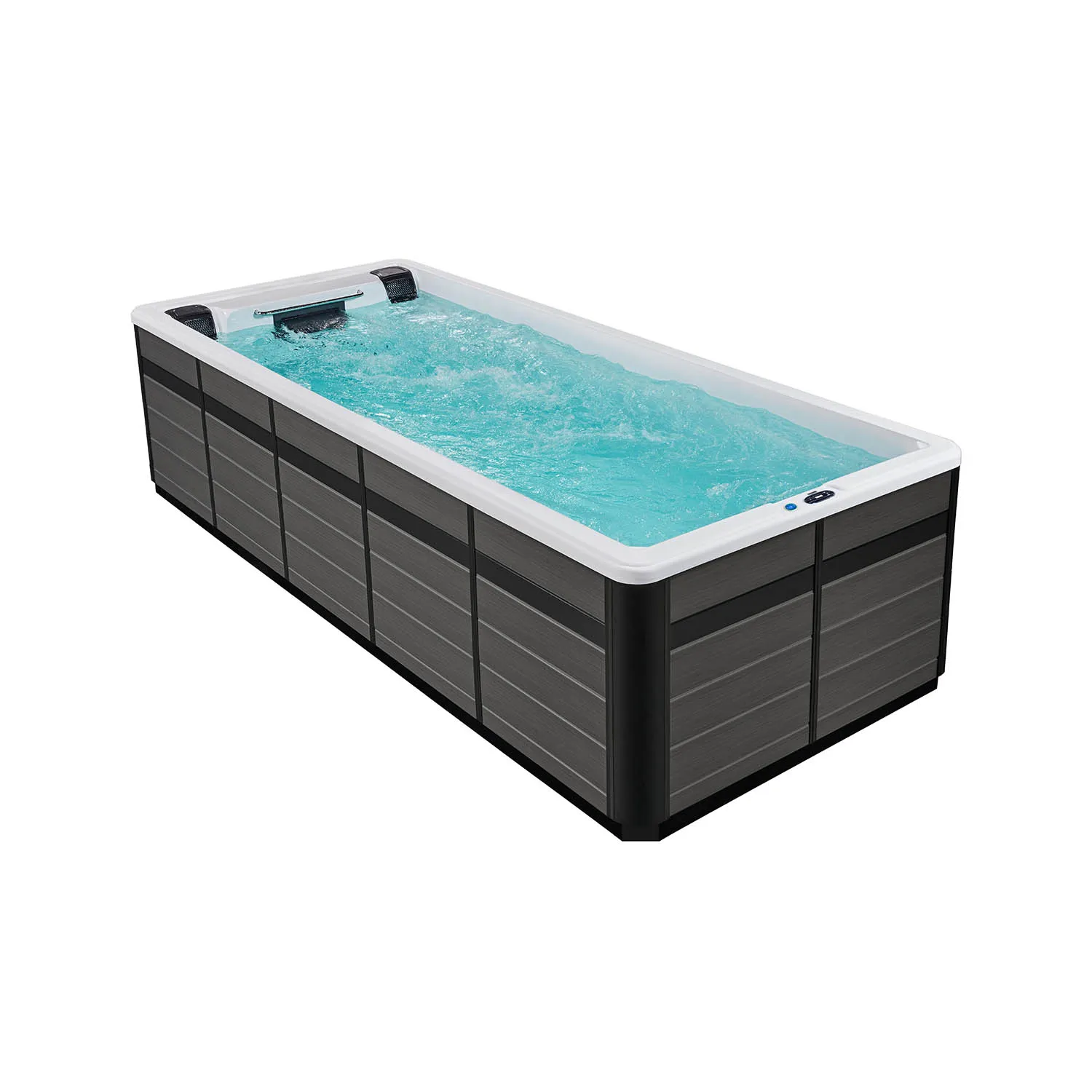
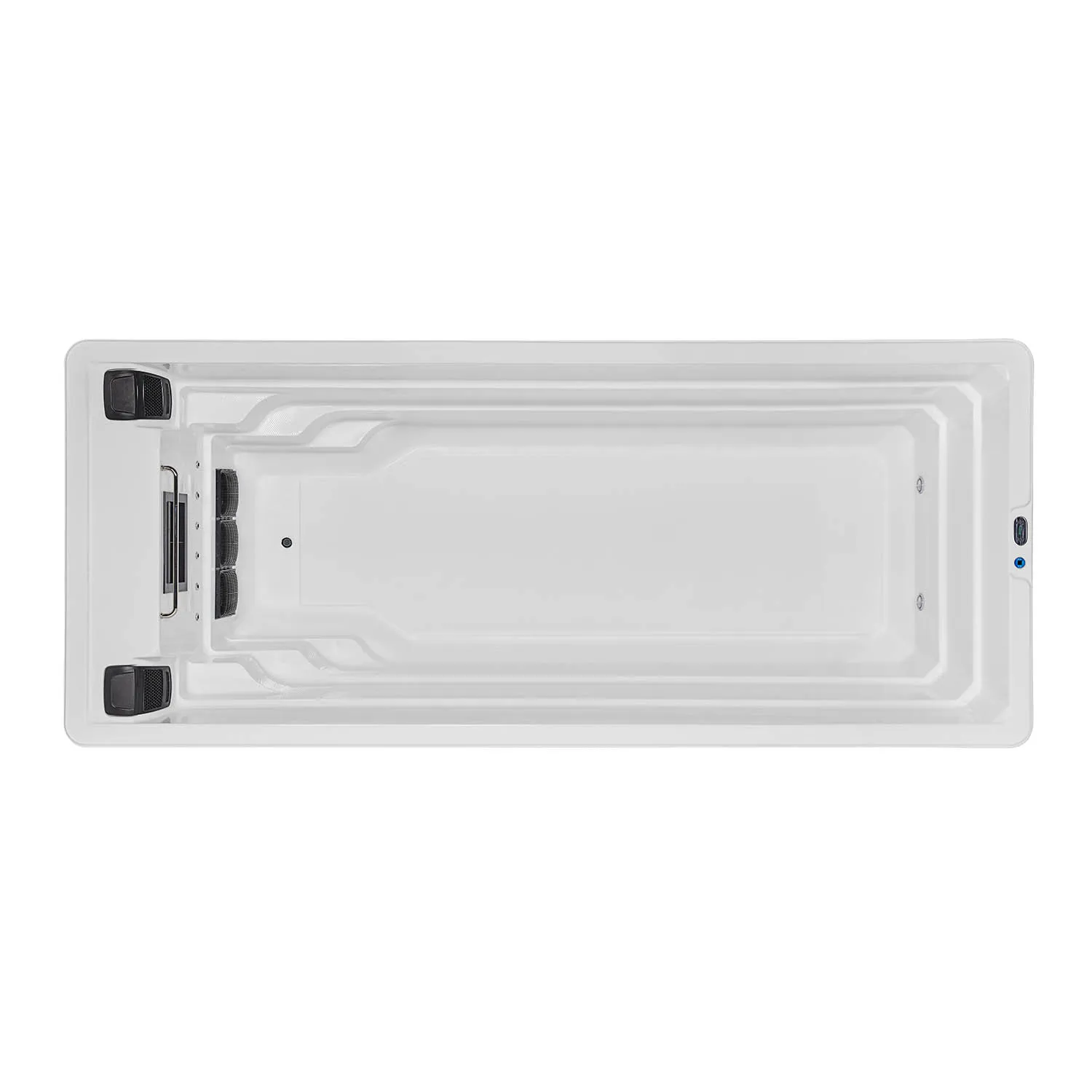
The biggest difference between a swim spa tub and a regular household bathtub is that it not only has a larger capacity but also typically features a circulation system, a jet system, and even a thermostat. These features make it more suitable for multiple users and long-term operation. However, at the same time, they also provide a favorable environment for the growth of bacteria and microorganisms.
The main functions of chlorine in water include:
• Sterilization and disinfection: Effectively kills common bacteria such as E. coli and Staphylococcus aureus.
• Inhibits algae: Prevents the proliferation of green or brown algae in the water.
• Oxidizes organic matter: Removes impurities such as human skin secretions, sweat, and cosmetic residue.
• Maintains water clarity: Keeps the water in the swim spa tub clear and fresh.
If chlorine is not added regularly, the water is prone to becoming cloudy, developing an odor, and even causing skin irritation and infection.
How often should I add chlorine to my swim spa tub?
There is no single answer to this question; it depends on several factors:
1. Frequency of use
If multiple people use it daily, it is recommended to test and add chlorine as needed daily.
If used occasionally, adding chlorine 2–3 times per week is sufficient.
2. Water volume
Larger capacity swim spa tubs consume chlorine relatively slowly; smaller capacity tubs experience faster changes in chlorine concentration and require more frequent replenishment.
3. Environmental conditions
Outdoor spa tubs are affected by sunlight and dust, leading to faster chlorine consumption; indoor tubs are relatively stable, and the frequency of chlorine addition can be reduced accordingly.
4. Ideal Chlorine Content
It is generally recommended to maintain a concentration of 1–3 ppm (parts per million).
When the measured value is below 1 ppm, chlorine should be added immediately.
In summary, in most cases, it is recommended to test the water quality of a swim spa tub at least every 2–3 days and add chlorine as needed.
How to determine if a swim spa tub needs chlorination?
Is it necessary to use testing tools daily?
The answer is yes. Using water quality test strips or a digital water meter is the most scientific method. It can visually display the chlorine content and pH value in the water, helping you determine if chlorination is needed.
What are some obvious water quality changes that indicate the need for chlorination?
• The water becomes cloudy or yellow;
• Floating debris or a slimy pipe wall appears;
• There is an unusual or pungent chlorine smell;
• Skin itching or eye irritation occurs after use.
These signs indicate insufficient chlorine concentration or water quality imbalance, requiring immediate adjustment.
Which chlorine preparation should be chosen when adding chlorine?
Common chlorine products include:
• Chlorine tablets
Slow release rate, suitable for maintaining a stable concentration over a long period.
• Chlorine granules
Fast dissolve, suitable for quickly increasing chlorine levels.
• Liquid chlorine
Convenient to use, but requires higher standards for storage and transportation.
For home use in a swim spa tub, chlorine tablets and chlorine granules are the most common choices, and can be flexibly combined according to needs.
What is the correct way to add chlorine?
Can it be poured in directly?
It is not recommended to add chlorine granules or tablets directly to the bathtub. The correct method is:
• Dissolve the chlorine in a bucket of water first, then pour it evenly into the tub;
• Or use a dedicated floating dispenser to gradually release the chlorine.
How long after adding chlorine can it be used?
It is generally recommended to wait at least 30 minutes to 1 hour to ensure the chlorine is fully dissolved and evenly distributed before using the swim spa tub.
What happens if too much chlorine is added?
Excessive chlorine can also pose health risks:
• Irritate skin and eyes, causing itching or redness;
• Produces a pungent odor, affecting breathing comfort;
• Damages the plumbing of the spa tub.
Therefore, chlorine should be tested after each addition to ensure the concentration remains within safe limits.
What are the appropriate chlorine concentrations and addition frequencies for different groups?
Do children need lower chlorine concentrations?
Yes, children have sensitive skin, so it is recommended to keep the concentration at the lower limit of 1–2 ppm and shorten the usage time.
How should the elderly or those with sensitive skin adjust?
The elderly and those with skin allergies should also use lower concentrations and avoid prolonged soaking.
Do people who exercise frequently need more chlorine?
If the swim spa tub is mainly used for relaxation after exercise, chlorine will be consumed more quickly, and the frequency of testing and addition should be increased accordingly.
The Relationship Between Chlorine and pH
The disinfection effect of chlorine is closely related to the pH value of the water:
• Chlorine is most effective when the pH value is between 7.2 and 7.6;
• If the pH value is too high, the disinfection power of chlorine will decrease significantly;
• If the pH value is too low, it may cause corrosion to skin and equipment.
Therefore, while adding chlorine, it is also necessary to regularly test and adjust the pH value to maintain the overall water quality balance.
Can brine be used instead of chlorine?
Some devices support the electrolysis of brine to produce chlorine, but for most household swim spa tubs, traditional chlorination is still the most stable and economical option.
Do I need to add chlorine more frequently in the hot summer?
Yes. High temperatures accelerate the decomposition of chlorine, and increased use by more people also introduces more organic matter, increasing chlorine consumption.
If the swim spa tub is not used for a long time, is it still necessary to add chlorine?
Even if not in use, a low concentration of chlorine should be maintained to prevent water quality deterioration. If you plan to stop using it for a long period, it is recommended to thoroughly clean and drain the water first.
How to scientifically maintain a stable chlorine concentration in your swim spa tub?
• Establish a regular testing routine: It is recommended to test the water quality every 2–3 days.
• Use chlorine supplements appropriately: Use chlorine tablets for maintenance and chlorine granules for quick replenishment.
• Pay attention to seasonal differences: Increase the concentration appropriately in summer and decrease it appropriately in winter.
• Maintain good personal hygiene: Rinse your body before bathing to reduce impurities entering the water.
• Use other water conditioners: Such as algaecides and clarifiers to help maintain cleanliness.
How often should you add chlorine to your swim spa tub?
The answer to how often to add chlorine to your swim spa tub depends on usage frequency, water volume, and environmental conditions.
Generally, it is recommended to test the water quality every 2–3 days and replenish chlorine promptly when the concentration drops below 1 ppm. For households with frequent use, it may even be necessary to test and replenish daily.
When adding chlorine, avoid both excessively low concentrations that could deteriorate water quality and excessive concentrations that could cause skin irritation. Maintaining a chlorine concentration of 1–3 ppm and a pH value of 7.2–7.6 is key to ensuring a safe, comfortable, and healthy swim spa tub.