
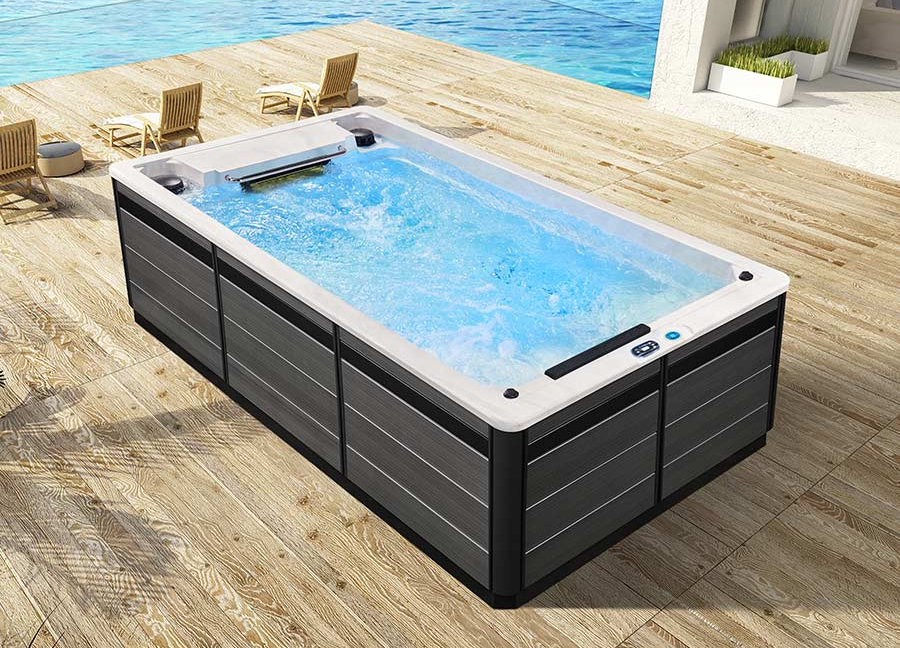
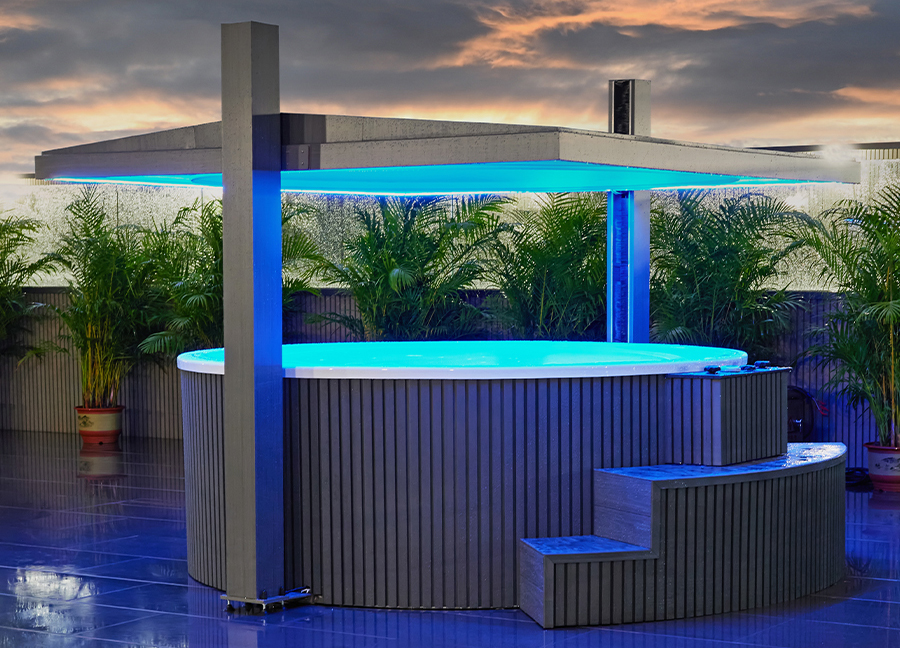



Hydrotherapy hot tubs are a popular choice for home relaxation and spas due to their comfortable warm environment, massaging jets, and relaxing effects. However, a clear rule is often observed: the temperature of a hydrotherapy hot tub should not exceed 104 degrees Fahrenheit (approximately 40°C).
This figure is not arbitrary but is based on a comprehensive consideration of human physiological responses, the tolerance of the circulatory system, and spa safety standards. Understanding the reasons for this temperature limit is crucial for the safe use of hydrotherapy hot tubs and avoiding potential health risks.
This article will systematically analyze why the temperature of a hydrotherapy hot tub should not exceed 104 degrees Fahrenheit from the perspectives of human physiological mechanisms, the impact of water temperature on the circulatory system, the tolerance of different groups, and safe usage guidelines.
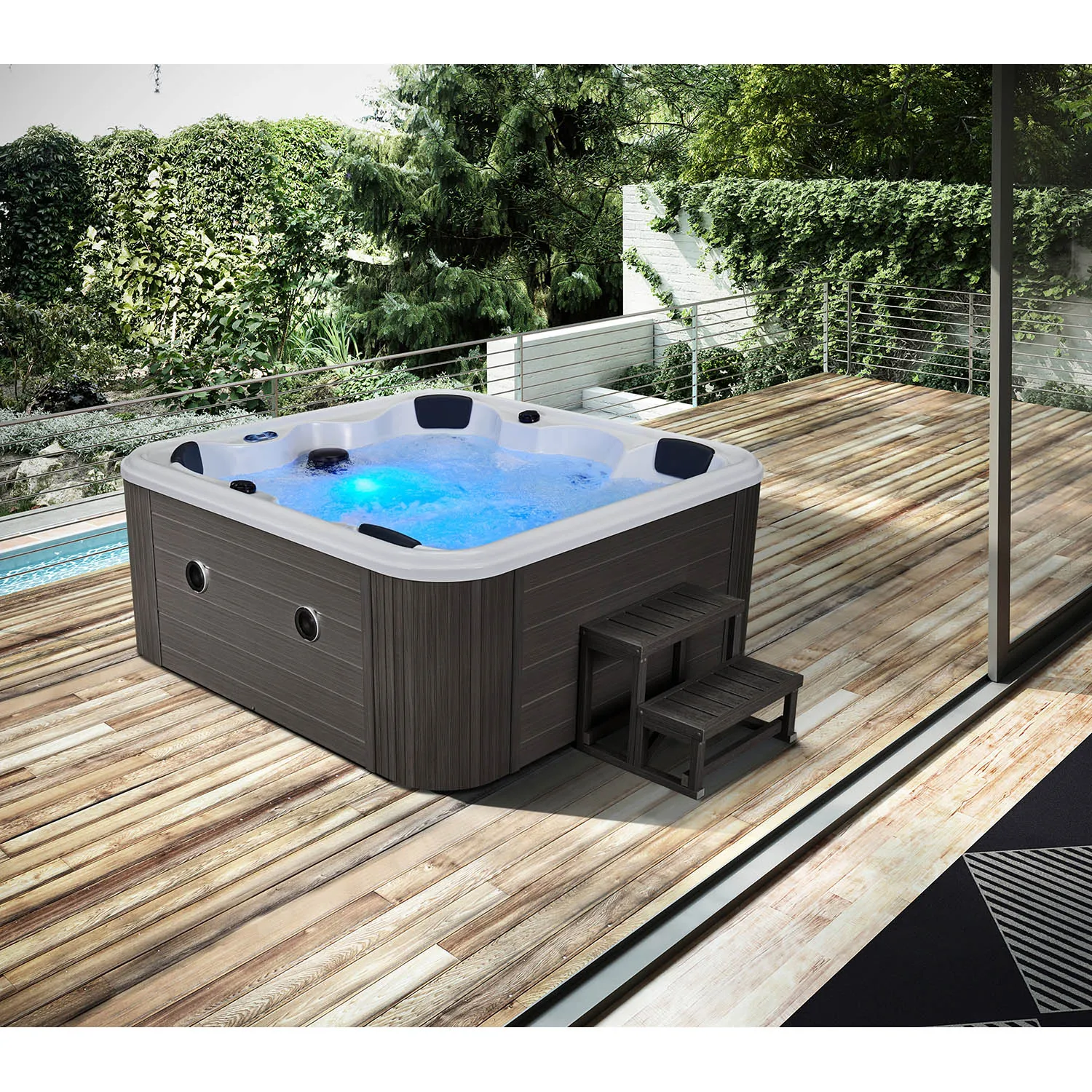
What are the physiological effects of spa hot tub temperature on the human body?
Hydrotherapy hot tubs act on the circulatory, nervous, and muscular systems through constant-temperature water and jet massage. Temperature directly affects the body's physiological responses.
1. Hot water dilates blood vessels and lowers blood pressure
When skin comes into contact with hot water at 36–40°C, blood vessels in the skin dilate, increasing blood flow to the surface tissues.
• Short-term effects: Slight decrease in blood pressure, slight increase in heart rate;
• High-temperature effects: If the water temperature exceeds 104°F, excessive vasodilation may cause a rapid drop in blood pressure, leading to dizziness or fainting.
2. Thermal stimulation accelerates heart rate and circulatory load
High temperatures increase cardiac output, heart rate, and blood circulation.
For healthy adults, this load is usually tolerable; however, in individuals with weakened cardiovascular function, excessively high temperatures can increase cardiac stress, potentially inducing discomfort or arrhythmias.
3. Skin and nervous system tolerance
When water temperatures exceed 104°F, the skin's temperature-sensitive nerves are strongly stimulated, easily resulting in a burning sensation, skin erythema, or even burns.
Prolonged or high-temperature immersion may damage the stratum corneum and blood vessels, increasing the risk of infection or skin diseases.
Therefore, 104 degrees Fahrenheit is a balance point between overall physiological safety and comfort.
Why choose 104 degrees Fahrenheit instead of higher temperatures?
The choice of 104 degrees Fahrenheit as the upper limit for hydrotherapy hot tubs is based on the following scientific considerations:
1. Cardiovascular Safety Limit
In a high-temperature environment, the human heart rate can increase by 10–30% to maintain circulation.
Studies show that when the water temperature exceeds 104 degrees Fahrenheit, the cardiac load increases significantly, blood pressure fluctuates greatly, and dizziness, fainting, or even cardiac events are easily triggered.
2. Skin Tolerance
A water temperature of 104 degrees Fahrenheit is close to the heat tolerance limit of human skin, but still within a safe range.
Exceeding this temperature, the stratum corneum and capillaries of the skin are easily damaged, resulting in burns or skin sensitivity symptoms.
3. Heat Absorption and Thermoregulation
When immersed in hot water, the body's core temperature rises.
• Below 104 degrees Fahrenheit: Core temperature rises moderately, and the body regulates heat through sweating and vasodilation.
• Above 104 degrees Fahrenheit: Core temperature rises too quickly, potentially leading to heatstroke, dehydration, or hyperthermia.
4. Regulations and Standards
Most countries and regions have clearly defined maximum temperatures for spa hot tubs. The U.S. Consumer Product Safety Commission (CPSC) recommends a maximum temperature of 104 degrees Fahrenheit to balance comfort and safety.
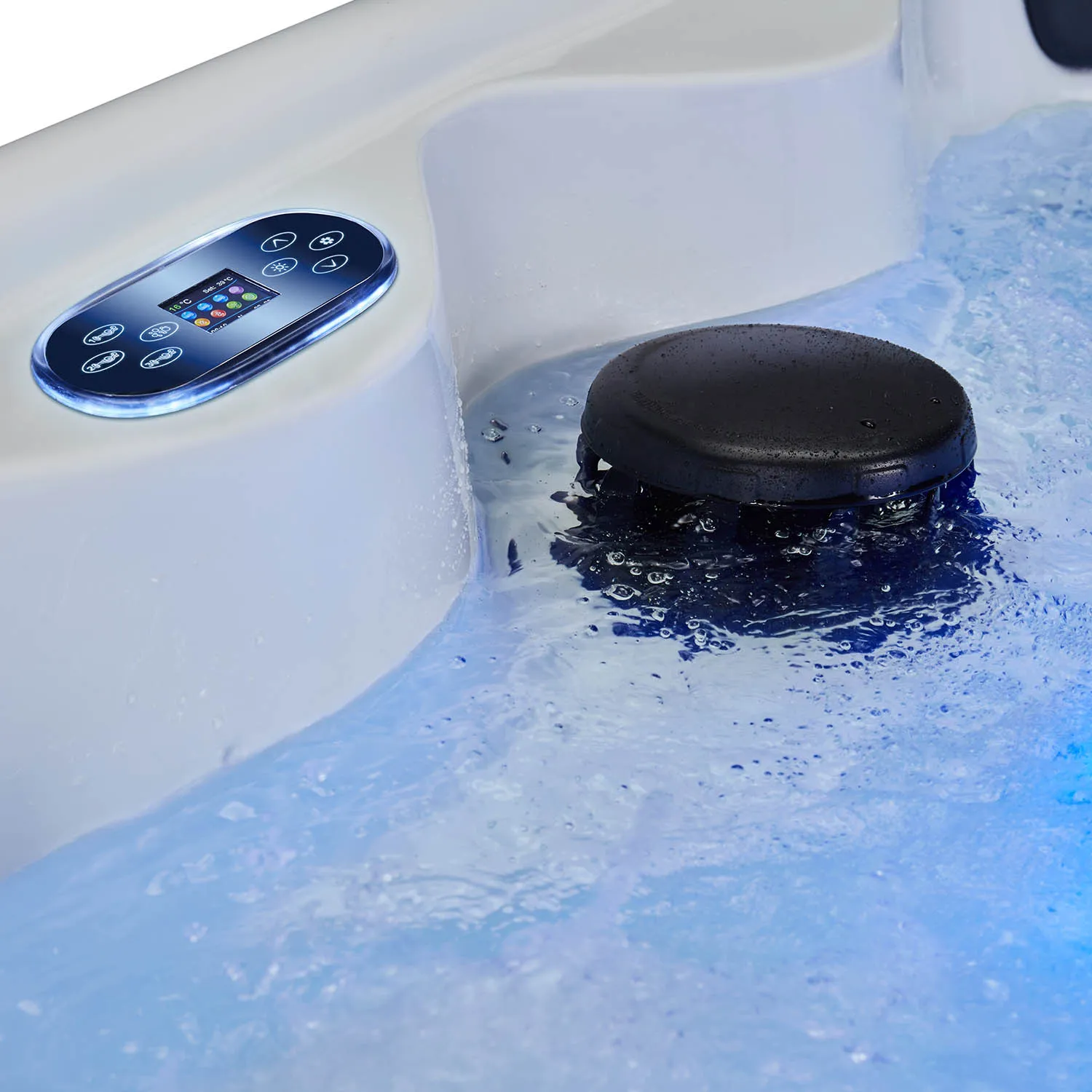
What health risks are associated with excessively high spa hot tub temperatures?
1. Cardiovascular Risks
High temperatures cause vasodilation, a drop in blood pressure, and an increase in cardiac output.
For individuals with high blood pressure, low blood pressure, or heart disease, excessively high water temperatures increase the risk of arrhythmias, fainting, and increased cardiac workload.
2. Nervous System Reactions
The skin's thermosensitive nerves and the thermoregulatory center are stimulated, resulting in:
• Dizziness, weakness;
• Nausea, palpitations;
• Prolonged overheating may cause abnormalities in central thermoregulation.
3. Dehydration and Electrolyte Imbalance
High-temperature soaking increases sweating, leading to fluid and electrolyte loss.
• Mild symptoms include thirst and fatigue;
• Severe symptoms may include dehydration and decreased blood potassium levels.
4. Skin Damage
When water temperature exceeds 104 degrees Fahrenheit, the stratum corneum of the skin is easily damaged:
• Redness and burning sensation may occur;
• Excessive dilation of capillaries increases the risk of inflammation;
• Prolonged exposure to high temperatures may lead to dry skin, allergies, or burns.
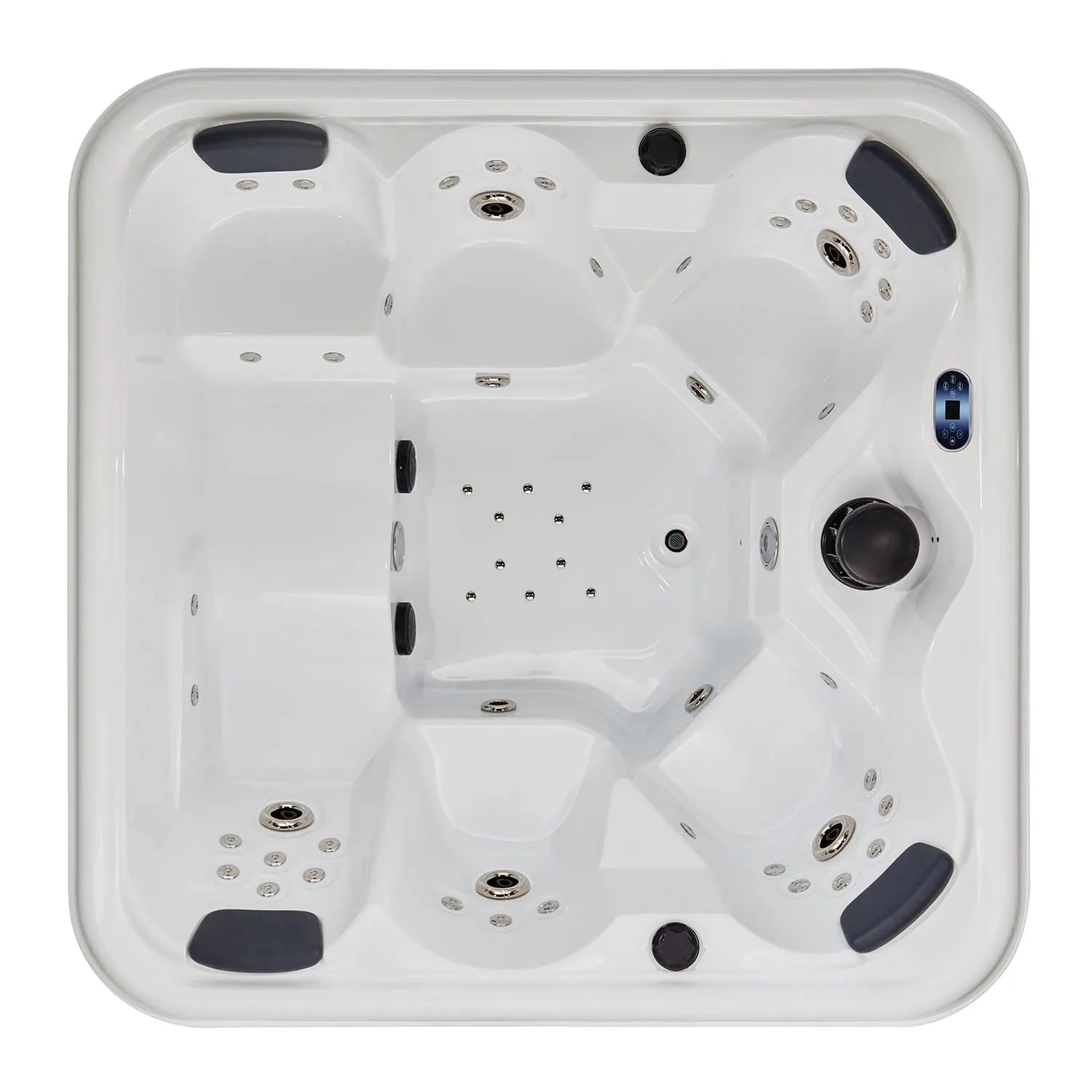
How do different populations tolerate spa hot tub temperatures differently?
Different populations have different tolerances to hot water, which is a key reason for temperature restrictions.
Population | Recommended safe temperatures | Precautions |
| Healthy adults | 100–104°F | Immersion time: 20–30 minutes |
| Elderly people | 98–102°F | Control immersion time to avoid excessive core temperature |
| Children | 95–100°F | Immersion time: 10–15 minutes to avoid burns |
| Patients with cardiovascular disease | ≤100°F | Use under the guidance of a doctor |
| Pregnant women | ≤100°F | Avoid rising core temperature to prevent fetal discomfort |
Therefore, 104 degrees Fahrenheit is suitable for generally healthy adults, but the temperature should be appropriately reduced for specific groups.
Scientific Basis for Spa Hot Tub Temperature Control
1. Principle of Heat Transfer
When the water temperature is higher than human skin temperature, heat is transferred to the skin and deeper tissues through conduction and convection.
• The higher the temperature, the faster the heat transfer.
• At high temperatures, core body temperature rises rapidly, putting significant stress on the heart and blood vessels.
2. Heat Stress and Physiological Response
The human body responds to heat stimulation, triggering a heat stress response:
• Vasodilation and increased heart rate;
• Increased sweating to dissipate heat;
• The body's thermoregulatory center regulates core temperature.
If the water temperature is too high, this heat stress may exceed the body's tolerance, causing discomfort or danger.
3. Optimal Temperature Range for Hot Baths
Based on physiological experimental data:
• 98–104°F: Warm and comfortable, the circulatory system can adapt, suitable for most adults;
• >104°F: Increased heat stress, increased cardiac load, and significantly increased safety risks.
Therefore, 104 degrees Fahrenheit is set as the maximum safe temperature.
What is the relationship between spa hot tub temperature and soaking time?
Water temperature and soaking time are complementary safety factors.
Water temperature | Recommended soaking time | Health Tips |
| 100–102°F | 20–30 minutes | Relax muscles; suitable for generally healthy individuals |
| 103–104°F | 15–20 minutes | Short-term exposure to high temperatures is recommended; avoid excessively high core temperatures |
| >104°F | Not recommended | High-risk for cardiovascular and skin problems |
| 98–100°F | 30–40 minutes | Safe range for the elderly and pregnant women |
Summary: The higher the water temperature, the shorter the safe soaking time should be.
How to Use a Hydrotherapy Hot Tub Scientifically?
1. Control Water Temperature
• Healthy Adults: 100–104°F;
• Elderly, Pregnant Women, or Children: ≤100°F.
2. Control Soaking Time
• First-time Users: 10–15 minutes;
• Experienced Users: 20–25 minutes;
• Avoid prolonged soaking in high temperatures.
3. Replenish Fluids
High-temperature soaking can cause sweating; drink water promptly to replenish fluids and electrolytes.
4. Pay Attention to Personal Health Status
Patients with cardiovascular disease, low blood pressure, or pregnant women should adjust water temperature and soaking time according to their doctor's advice.
5. Shower Before and After Use
Showering before use cleanses the skin and reduces the impact of oil and sweat on water quality; showering after use removes residual sweat and reduces the risk of skin irritation.
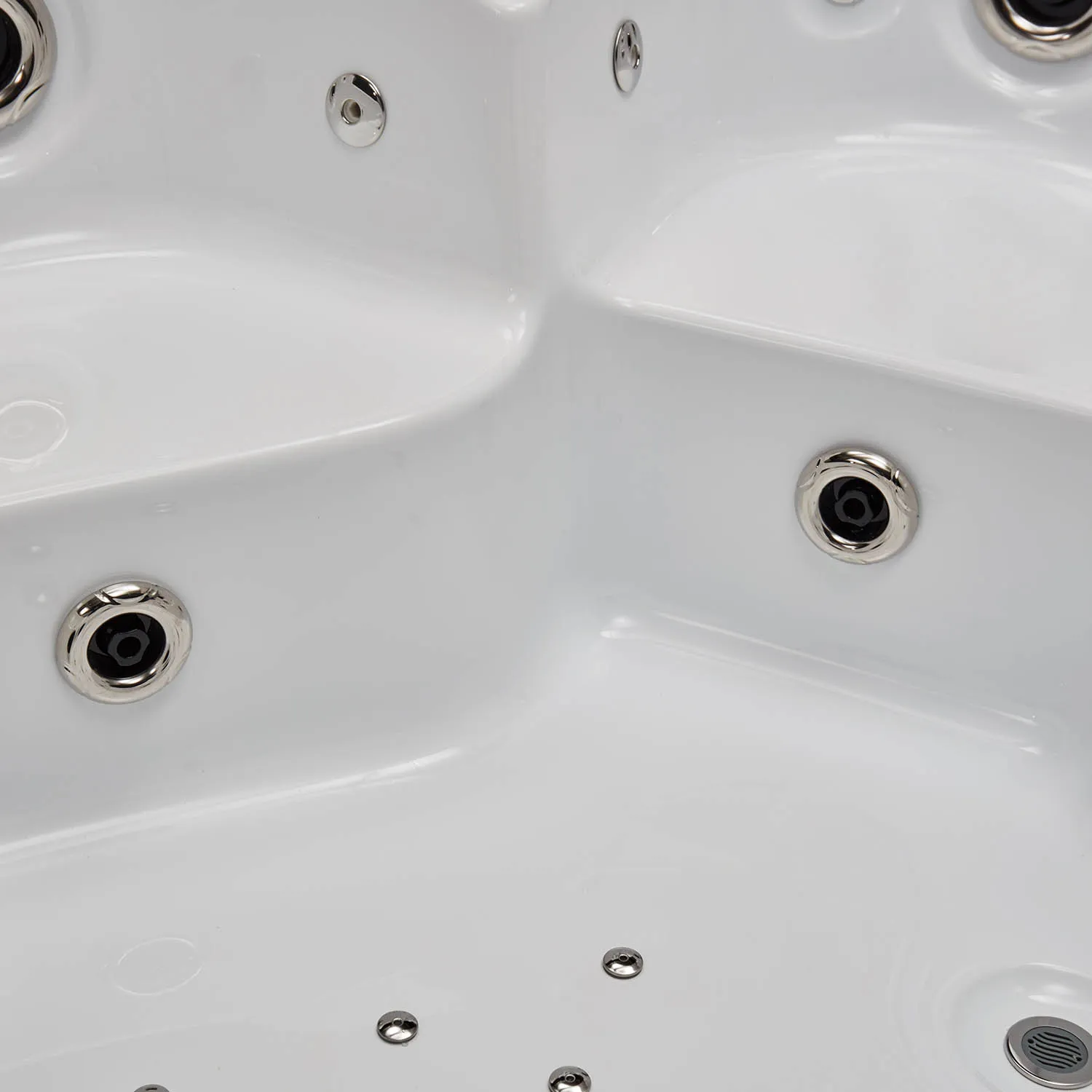
Why do laws and standards limit the temperature of spa hot tubs?
Safety standards and regulations are developed based on physiological science and accident data, primarily for reasons including:
• Preventing burns and skin injuries;
• Reducing cardiovascular risk;
• Avoiding dehydration and heat stress;
• Protecting vulnerable groups such as children, the elderly, and pregnant women.
For example, both the US CPSC and Canadian CSA standards recommend a maximum temperature of 104°F for spa hot tubs, becoming widely followed safety guidelines globally.
How is the temperature of a spa hot tub measured and controlled?
1. Digital Thermostat System
Modern hydrotherapy hot tubs are equipped with digital thermostats for precise temperature setting.
Regular calibration is recommended to ensure accurate temperature control.
2. Manual Thermometer
For older tubs, a water thermometer can be used to measure the water temperature, ensuring it does not exceed 104°F.
3. Circulation System
Maintaining a constant and uniform water temperature prevents localized overheating.
A circulation system also reduces the risk of microbial growth, improving safety.
Why should the temperature of a spa hot tub not exceed 104 degrees Fahrenheit?
A comprehensive analysis of human physiological mechanisms, the effects of water temperature on circulation and skin, and safety standards leads to the following conclusions:
• 104°F is the upper limit for a temperature that balances comfort and safety;
• Exceeding this temperature increases risks to the cardiovascular, skin, and nervous systems;
• Different individuals have varying tolerances to hot water, so temperature adjustments should be made accordingly;
• Scientifically controlling soaking time, water temperature, and water quality ensures safe use of the spa hot tub.
Correctly understanding temperature limits and usage guidelines not only allows you to fully enjoy the comfort and relaxation of the spa hot tub but also effectively avoids health risks.
What Advantages Come from Buying Directly from Your Factory?
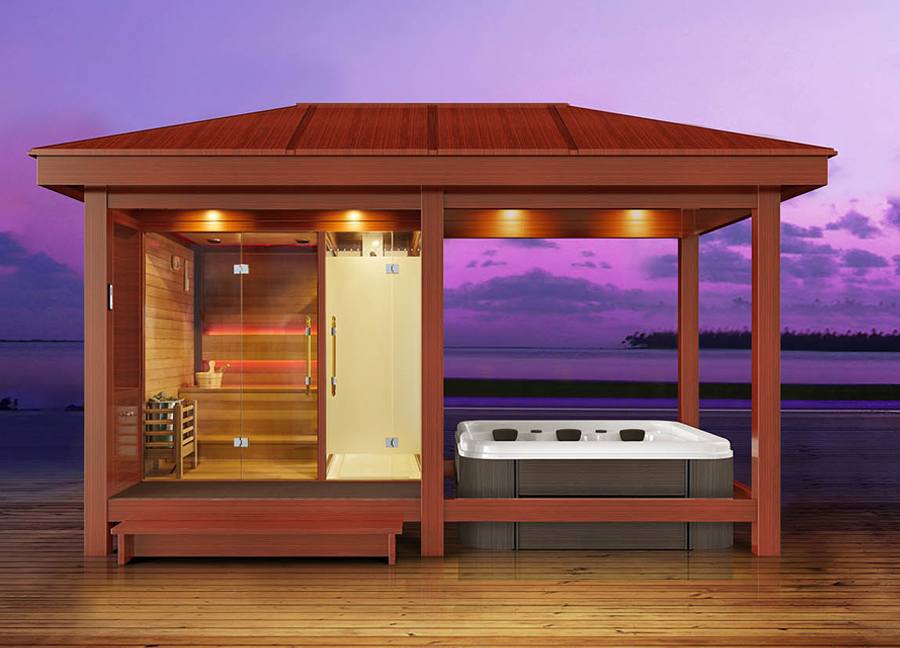
Buying directly from Yuehua means working with the original factory, not a trading intermediary. This allows for better communication, faster response, and more accurate customized solutions. Clients purchasing outdoor spa, swim spa, or outdoor gazebo products receive transparent prices, technical support, and consistent delivery schedules.