



A spa hot tub is a device used for relaxation, massage, and home spa treatments. Its filtration system, water circulation system, and chemical balance are highly sophisticated. Therefore, to maintain water quality, ensure proper operation, and protect the health and safety of users, there are certain items that should absolutely not be placed in a spa hot tub.
Many people mistakenly believe that a whirlpool spa hot tub is like a regular bathtub, where you can freely add scented bubble bath liquids, soaps, essential oils, and even some foods or drinks. However, the structure and usage requirements of a hot tub are completely different.
Any incorrectly added items can lead to cloudy water, excessive foam, bacterial growth, filter clogging, and even damage to the nozzle system, seriously impacting the user experience.
This article will systematically analyze what items should not be put in a whirlpool spa hot tub, why they should not be put in, and what safe alternatives are available to help you maintain optimal performance in daily use.
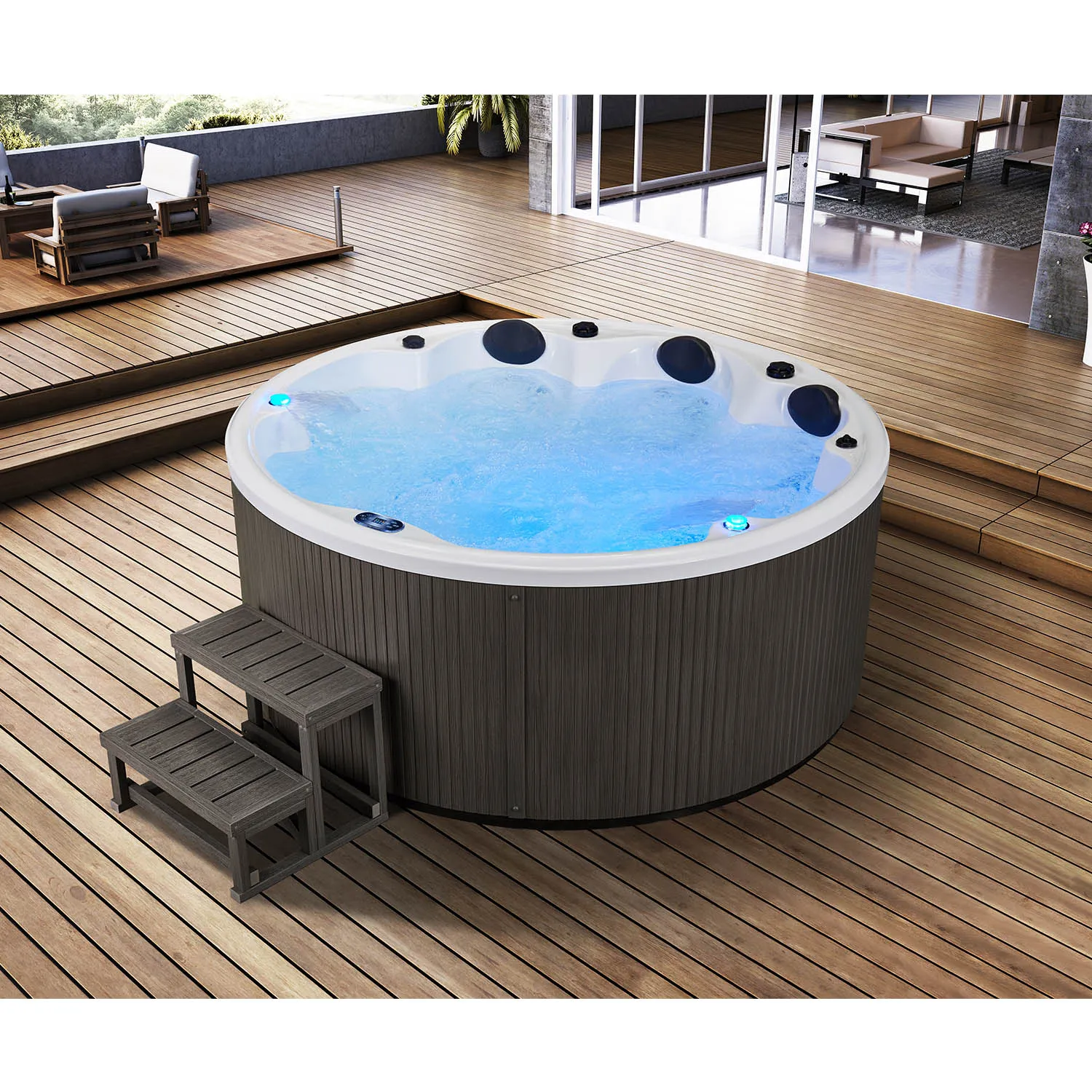
Why Should Not Items Be Placed in a Spa Hot Tub?
Before understanding the specific prohibited items, it's necessary to understand the characteristics of a spa hot tub's water system.
1. Highly Efficient but More Sensitive Circulation System
The whirlpool spa hot tub continuously circulates water, operating through a filter, jet massage system, and heater.
Adding unsuitable substances can:
• Clog nozzles
• Increase filter workload
• Contaminate the circulation pump
• Affect heater efficiency
2. Water Chemical Balance is Crucial
A healthy spa hot tub needs to maintain:
• Stable pH
• Appropriate chlorine or bromine levels
• Balanced total alkalinity
• Controlled mineral content
Some items can disrupt the water's chemical balance, leading to the growth of bacteria, algae, or mold.
3. High Temperatures Enhance Reactions
Spa hot tubs are typically maintained between 100°F and 104°F (38°C–40°C).
High temperatures exacerbate foam production, odor emission, chemical reactions, and bacterial growth, making the harm from adding the wrong substances even greater.
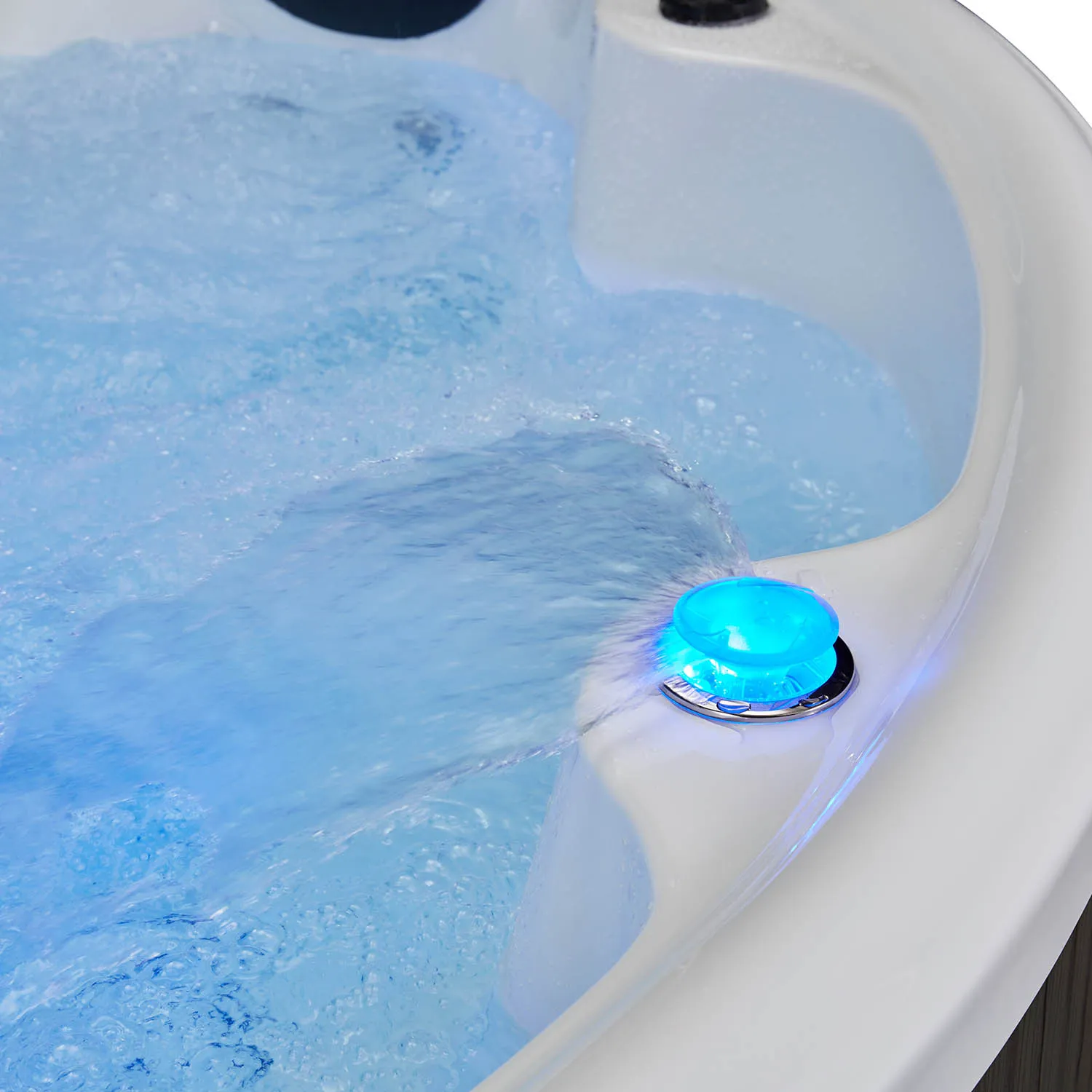
Why can't you pour bubble bath liquid, shower gel, or soap into a spa hot tub?
This is one of the most common misconceptions. Many people believe that bubble bath products make the hot tub experience more romantic and aesthetically pleasing, but the reality is:
1. Excessive Foam Accumulation
The high-speed jet system of a spa hot tub causes bubbles to multiply exponentially, leading to:
• Foam overflowing the tub's rim
• Soiling the surrounding area
• Blocking the filter's intake
2. Significantly Increased Cleaning Difficulty
These products contain high levels of surfactants, which are difficult for the hot tub's circulation system to break down, making cleaning extremely troublesome.
3. Easily clogs the filtration system
The viscous substance adheres to the filter cartridge, causing:
• Reduced water flow
• Weakened nozzle power
• Reduced heating efficiency
• Requires earlier filter cartridge replacement
4. Disrupts the chemical balance
These products often contain fragrances, oils, or waxes, which can:
• Reduce disinfectant concentration
• Affect pH levels
• Cause water turbidity
5. Officially not recommended
All spa hot tub manufacturers emphasize:
Do not pour bubble bath liquid, shower gel, soap, shampoo, detergent, etc., into the whirlpool spa hot tub.
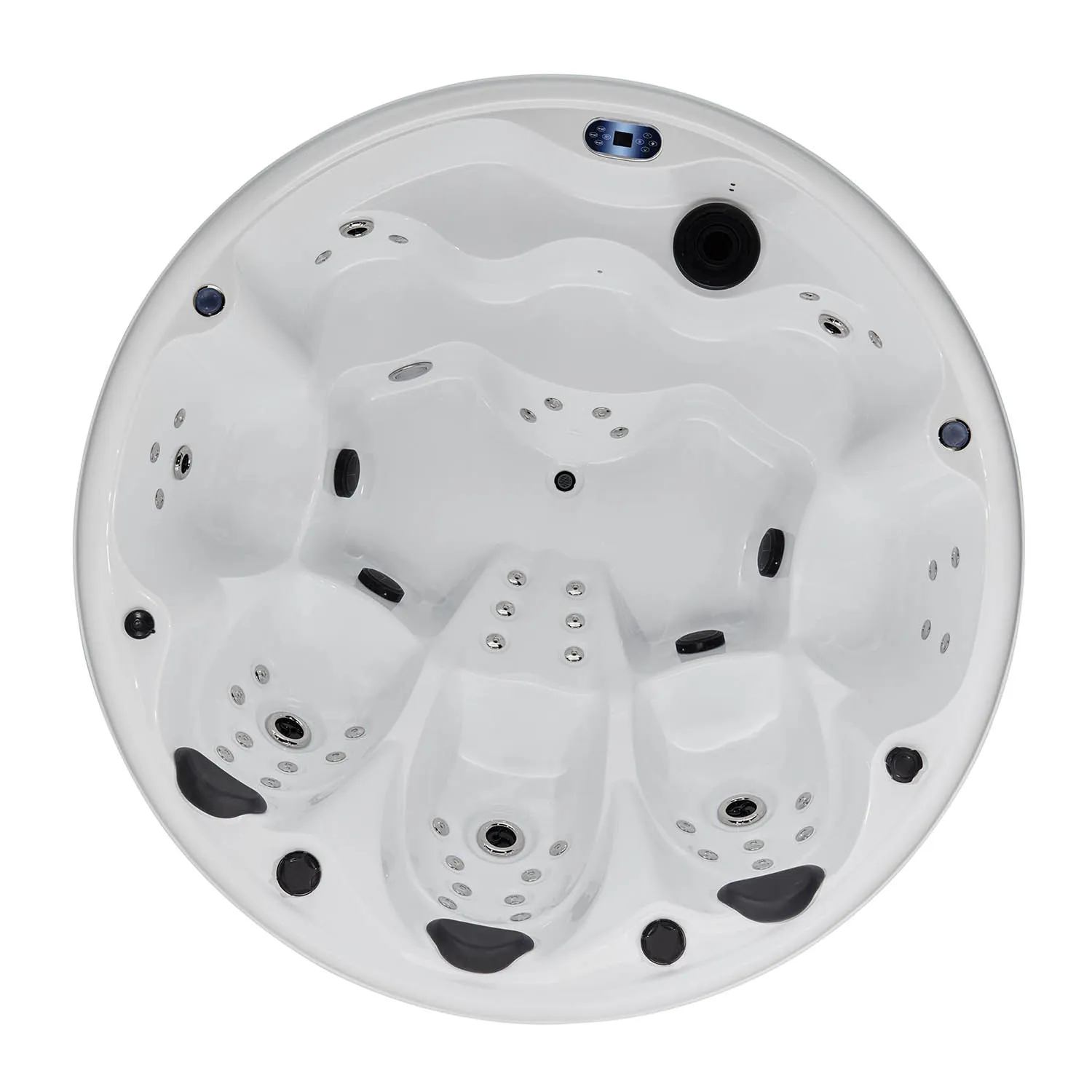
What can be used as an alternative to bubble bath liquid?
If you are concerned about foam, you can use:
1. Non-foaming algaecides
Some spa products are low-foaming or non-foaming, suitable for use in spa hot tubs to:
• Control algae growth
• Reduce water turbidity
• Prevent foam formation
Never use pool-specific foaming agents or ordinary disinfectants; you must choose products labeled as suitable for hot tubs.
Can essential oils or aromatic oils be added to a spa hot tub?
Many people want to make their whirlpool spa hot tubs more "spa-like," so they add essential oils, aromatherapy oils, or herbal oils. However, in reality:
1. Essential oils will clog the filter
Oily substances are difficult to dissolve in water and will adhere to:
• Nozzles
• Pipes
• Filters
• Waterline edges
Making cleaning extremely difficult.
2. They will form an oily film that contaminates the water surface
A shiny, viscous film will appear on the surface of the hot tub, making the water look cloudy and oily.
3. They will promote bacterial growth
Oily substances are an ideal medium for bacterial reproduction.
4. Aromatherapy oils may damage the plastic parts of the equipment
Some fragrances contain alcohol or volatile solvents, which can corrode rubber rings and plastic materials.
5. Correct Alternatives
You can choose spa hot tub-specific aromatic granules or aromatic salts (oil-free formula). These products:
• Dissolve quickly
• Oil-free
• Don't clog nozzles
• Don't affect the filtration system
Can food and drinks be put in the spa hot tub?
While enjoying drinks or snacks next to the whirlpool spa hot tub is common, never pour any food or drinks into the tub water.
1. Food residue can clog the filtration system
Especially:
• Fruit
• Seeds
• Sugar
• Coffee, dairy products
• Syrup in soft drinks
Once in the tub, it increases the burden on the filtration system.
2. High-sugar substances can breed bacteria
The sugar in beverages can multiply bacteria.
3. Dairy products are more likely to cause water turbidity
Milk or cream-based substances can cause:
• Emulsification contamination
• Water whitening
•Extremely difficult to clean
Conclusion:
Never add food or drinks to the spa hot tub.
Can swimming pool chemicals be used in a spa hot tub?
Absolutely not.
The chemical requirements for whirlpool spa hot tubs and swimming pools are completely different. Even if both use chlorine or algaecides, they cannot be mixed.
1. Swimming pool chemicals are more concentrated
Spa hot tubs have a smaller water volume. High chemical concentrations can:
• Irritate skin
• Damage nozzles
• Corrode pipes
2. Some components cannot withstand high temperatures
Swimming pools generally use room temperature water, while whirlpool spa hot tubs have higher temperatures, resulting in faster and more intense chemical reactions.
3. "Spa-grade" chemicals are required
These include:
• Spa hot tub-specific chlorine
• Spa-specific bromine
• Spa-specific antifoam agents
• Spa-specific algaecides
These products are designed for high-temperature water environments.
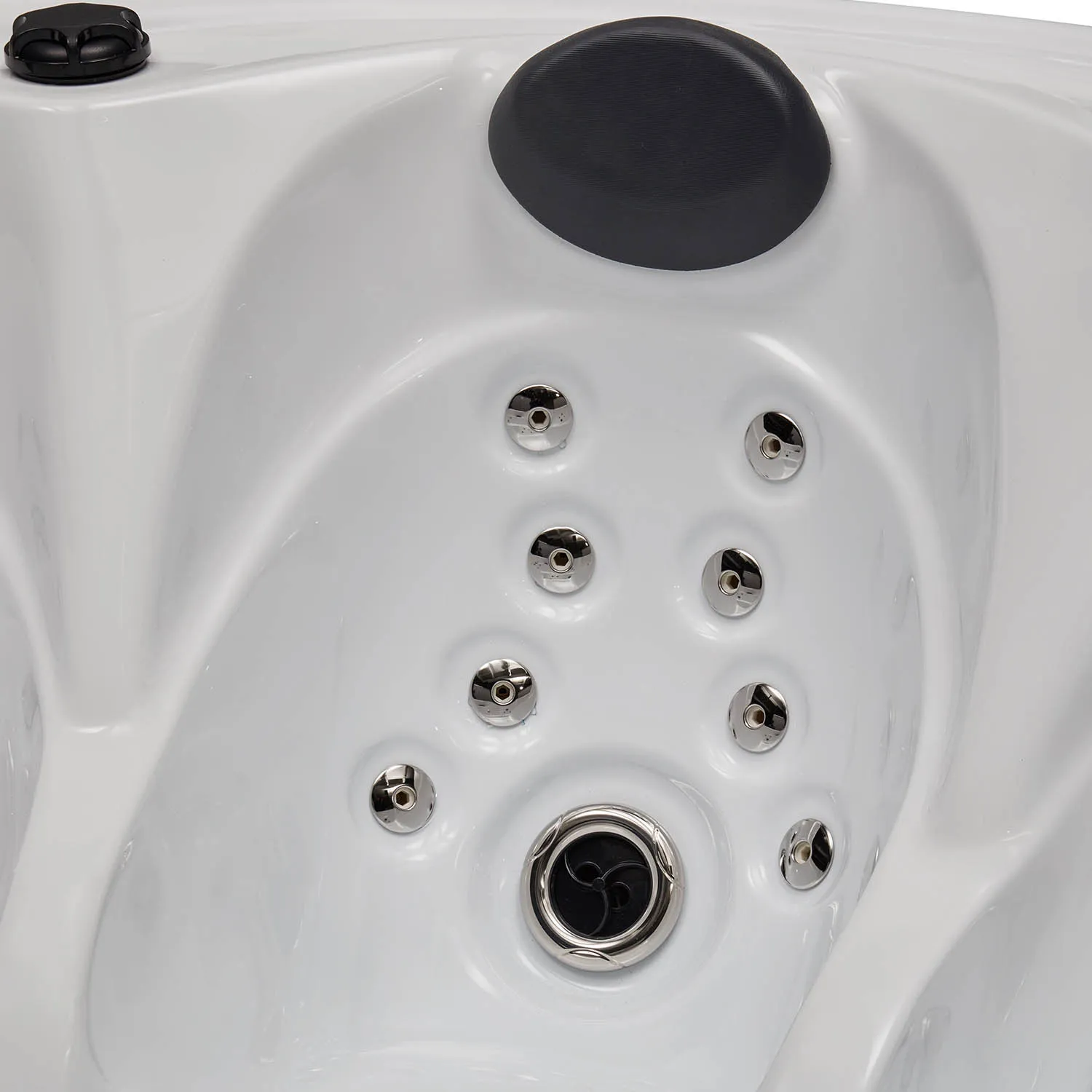
What physical items should not be put into a spa hot tub?
Besides chemicals and liquids, some seemingly harmless items should also not be placed in the water.
1. Glassware
If broken, it is difficult and dangerous to clean.
2. Metal Ornaments
High-temperature water and chemicals can cause metals to:
• Oxidize
• Fade
• Release particulate matter, polluting the water
3. Towels or Cloths
They can entangle in the nozzles and leave fiber residue in the water.
4. Pets
Pet hair can clog the filter and may cause sensitivity to chemicals in the water.
5. Plants or Flower Petals
Natural materials can decompose and produce contaminants.
Why shouldn't you add hard water or unfiltered water to your spa hot tub?
Hard water contains too many minerals (such as calcium and magnesium), which can cause:
• Scale buildup
• Clogged nozzles
• Reduced heater efficiency
• Cloudy water
If you must use hard water, add a whirlpool spa hot tub-specific water softener.
Which cleaning agents should not be used to clean a spa hot tub?
Do not use the following cleaning products:
• Kitchen detergents
• Bleach-containing cleaners
• Strong acid cleaners
• Automatic dishwasher detergents
• Laundry detergent
These will damage the appliance's surface and internal parts.
Correct method:
Use a spa hot tub cleaner specifically designed for the exterior walls and nozzles.
These Items Must Never Be Put in a Spa Hot Tub
To ensure efficient and safe operation, the following items must be kept away from the spa hot tub:
❌ Bubble bath liquid, shower gel, soap, shampoo
❌ Essential oils, aromatherapy oils, oil-based fragrances
❌ Food or beverages
❌ Pool chemicals
❌ Non-spa-specific cleaning agents
❌ Glass items, metal ornaments, towels
❌ Pet and plant residues
❌ High-mineral hard water
Correct practices:
• Use spa hot tub-specific chemicals
• Use a non-foaming algaecide to reduce foam
• Use designated products for cleaning
• Avoid any homemade, non-standard, or bathtub-common products
This will ensure stable water quality, a longer lifespan for your whirlpool spa hot tub, and a safe, hygienic, and comfortable user experience.
Can Yuehua help distributors build complete product lines for spa and wellness businesses?
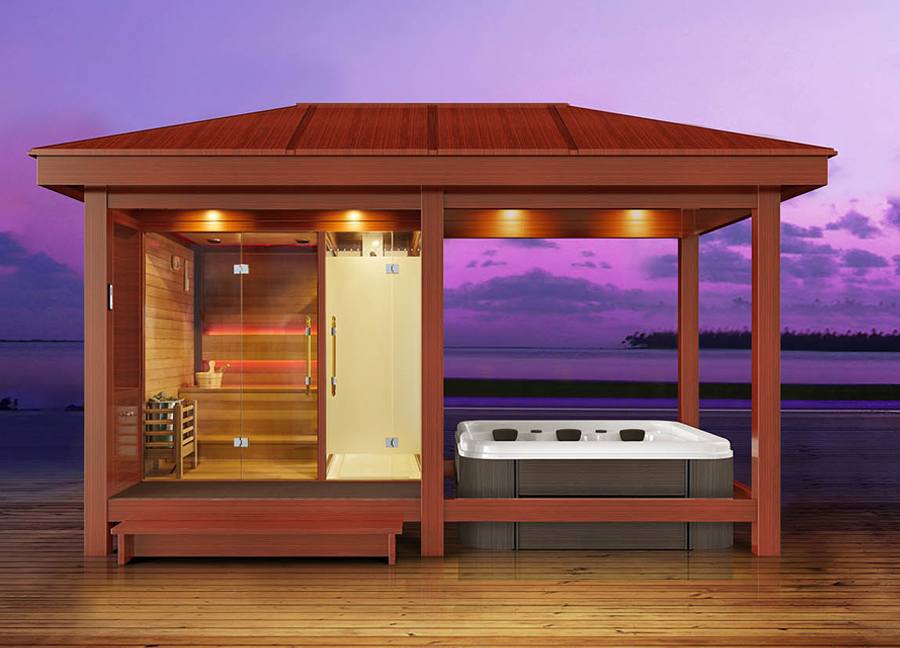
Yes. Yuehua can develop complete product series including economical, mid-range, and luxury models. We also offer saunas, steam rooms, massage bathtubs, and outdoor gazebos to complement your lineup. Our team assists with catalog design, product segmentation, and brand strategy. All products are offered at wholesale factory prices to help distributors build a diverse catalog with strong profit potential.