


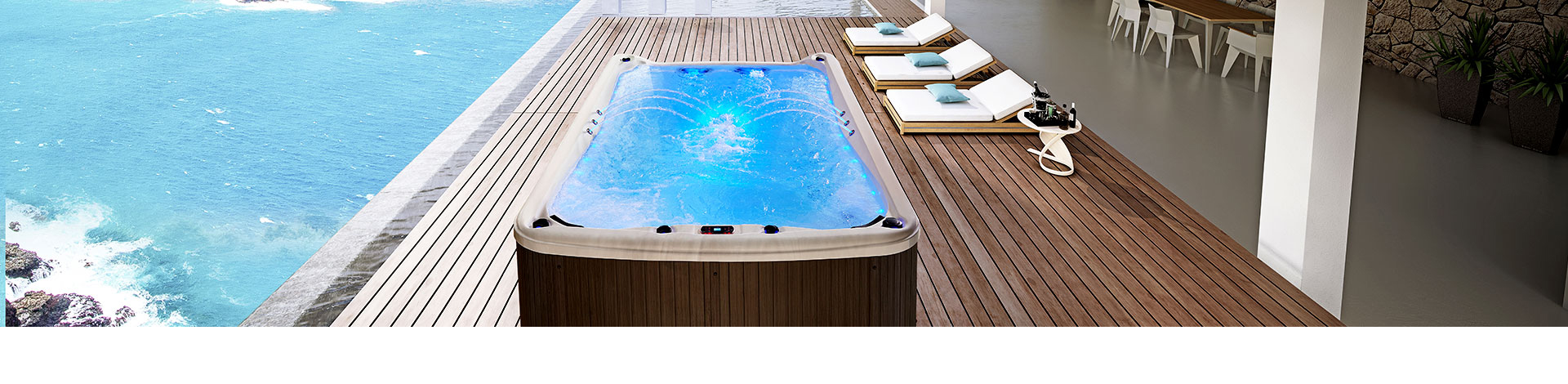
While using a spa hot tub, some users may notice that a significant amount of foam appears on the water's surface shortly after activating the jet system. Initially, this might look like nothing more than slight surface bubbling; however, as the water and air bubbles continue to circulate, the foam can accumulate—eventually covering the entire surface of the water.
This phenomenon not only detracts from the visual experience but may also lead users to suspect that there are underlying issues with the water quality or the equipment itself.
In reality, excessive foaming in a whirlpool spa hot tub is a relatively common occurrence, and it does not necessarily indicate a mechanical malfunction. Foam formation is typically linked to dissolved substances present in the water, the manner in which the water is agitated, and the degree to which air is mixed into the flow.
By simply understanding the principles behind its formation and adopting the correct remedial measures, you can effectively reduce or eliminate the problem of excessive foam.
Why Do Spa Hot Tubs Generate So Much Foam?
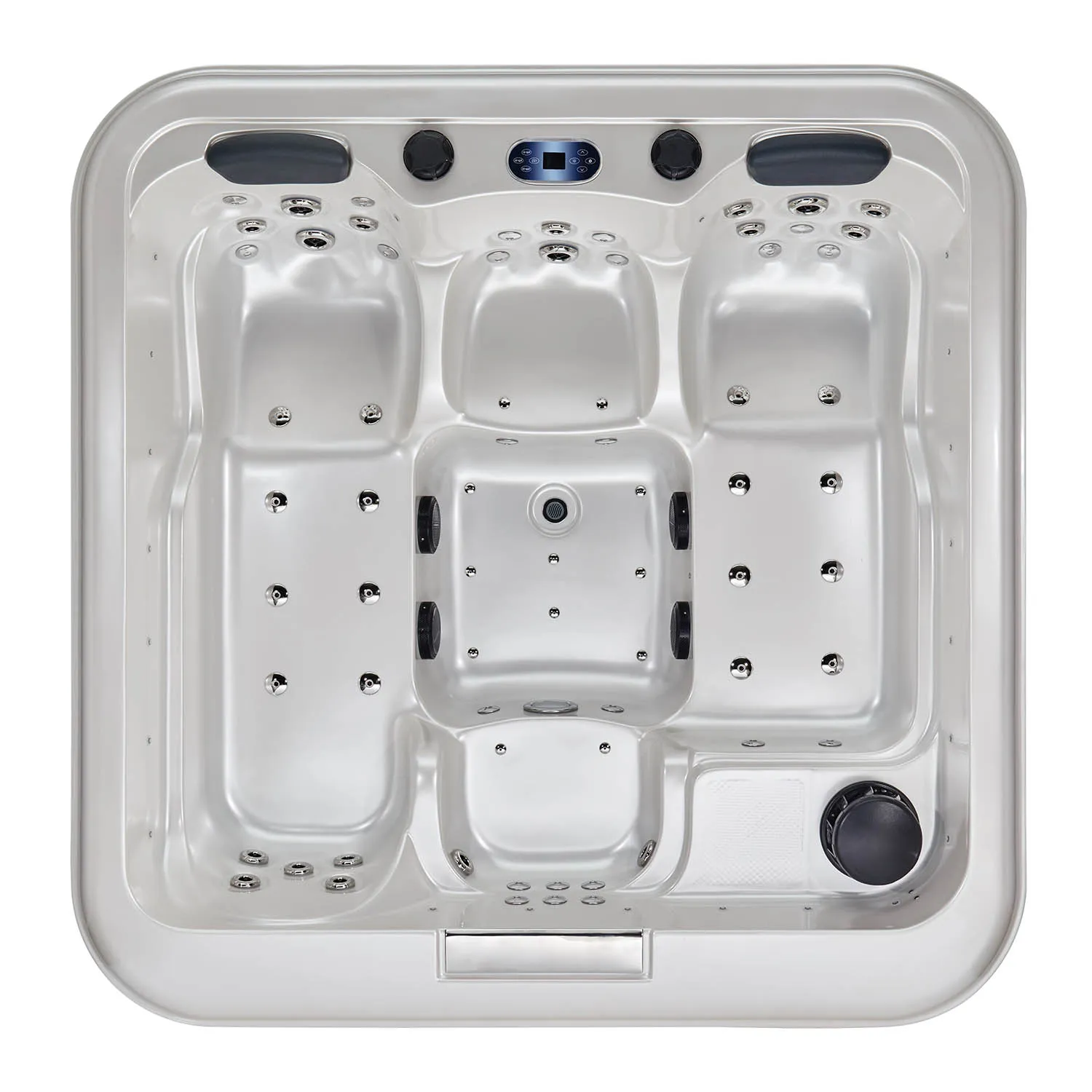
In a whirlpool spa hot tub, water is circulated at high speeds by a pump and expelled through jets to create a powerful current, while simultaneously drawing air into the water flow. This specific structural design generates a large volume of bubbles, thereby creating the desired hydro-massage effect.
When the water contains certain substances capable of stabilizing these bubbles, the bubbles do not burst immediately; instead, they gradually accumulate on the surface to form foam.
Foam formation typically involves three key conditions:
1.Air is introduced into the water body.
2.The water body is agitated at high velocity.
3.Substances capable of stabilizing bubbles are present in the water.
Since a spa hot tub simultaneously fulfills all three of these conditions during operation, the presence of even a small amount of residual matter in the water can lead to noticeable foaming.
Where Does the Foam in a Spa Hot Tub Typically Come From?
In most cases, the source of the foam in a spa hot tub is not the equipment itself, but rather foreign substances present in the water. As the water circulates, these substances stabilize the bubble structures, resulting in persistent foaming.
Common sources include:
•Residues from skin care products
•Residues from shampoos or body washes
•Residues from laundry detergents or cleaning agents
•Residues from cosmetics
•Residues from fabric softeners
Even in very minute quantities, these substances can have their effects amplified within the high-velocity water environment of a whirlpool spa hot tub, leading to the generation of significant amounts of foam.
Why Does the Spa Hot Tub's Jet System Exacerbate the Foaming Problem?
One of the core functions of a whirlpool spa hot tub is its jet massage system. This system generates a hydrotherapy effect by mixing high-velocity water jets with air.
The jet system features the following characteristics:
•High-velocity water circulation
•Continuous air intake
•Generation of a large volume of bubbles
When the water contains substances that are prone to foaming, the jet system will:
•Continuously force air into the water
•Cause bubbles to accumulate rapidly
•Form a stable layer of foam
Consequently, residues that might go unnoticed in a standard bathtub often result in significant foaming within a spa hot tub.
How can you determine if the foaming in your spa hot tub is abnormal?
You can assess whether the foam requires treatment by observing several factors:
1. Timing of Foam Appearance
If a large amount of foam appears shortly after activating the jets, it typically indicates that the water contains a high concentration of surface-active substances.
2. Foam Duration
Normal bubbles dissipate quickly, whereas stable foam tends to persist for an extended period.
3. Foam Thickness
If the foam layer gradually thickens and begins to cover the water's surface, it usually signifies a high concentration of dissolved solids in the water.
By making these simple observations, you can make a preliminary assessment of whether the foaming in your whirlpool spa hot tub constitutes a situation requiring intervention.
What should you do when there is excessive foam in your spa hot tub?
If you discover that the foaming in your whirlpool spa hot tub has become excessive, you can address the issue by following this logical sequence of steps:
Step One: Pause the Jet System
Turning off the jet system reduces air entrainment, allowing the foam to gradually dissipate so that you can observe the condition of the water's surface.
Step Two: Check the Water Quality
Observe the water to see if it appears cloudy or contains any visible residues. If there is a noticeable change in water clarity, it suggests a high concentration of dissolved solids.
Step Three: Run the Filtration System
The filtration system helps remove suspended particles, thereby reducing the sources of foaming.
Step Four: Partially Replenish or Replace the Water
If the foaming persists, partially draining and refilling the tub with fresh water can help lower the concentration of residual substances.
These steps will help you gradually reduce the foam levels in your spa hot tub.
Why is it not recommended to use bubble bath products in a spa hot tub?
While bubble bath products are commonly used in standard bathtubs to enhance the bathing experience, they are not suitable for use in a spa hot tub. The reasons are as follows:
•Bubble bath products contain a large amount of surfactants.
•The jet system continuously agitates the water.
•The foam is constantly amplified.
Consequently, using these products in a whirlpool spa hot tub often leads to a rapid and sometimes uncontrollable buildup of foam.
Why is water quality management important for controlling foam in a spa hot tub?
Effective water quality management can significantly reduce foam-related issues.
In a spa hot tub, water circulates frequently; if the water contains an excessive amount of dissolved solids, foam is prone to forming. Therefore, keeping the water clean is the key to controlling foam.
Basic principles of water quality management include:
•Regularly running the filtration system.
•Maintaining clear water.
•Avoiding the addition of unsuitable chemicals to the water.
These measures can effectively minimize the likelihood of foam formation.
What role does the filtration system play in reducing foam in a spa hot tub?
The filtration system is a vital component of whirlpool spa hot tub water maintenance.
Its primary functions include:
•Removing suspended particles.
•Reducing impurities in the water.
•Maintaining stable water circulation.
While the filtration system cannot directly eliminate all foam, it reduces the sources of foam formation, thereby improving overall water quality.
Can foam be reduced by minimizing air intake?
In certain situations, foam can be reduced by adjusting the way the system operates.
For example:
•Reducing the intensity of the jets.
•Decreasing the volume of air intake.
•Adjusting circulation times.
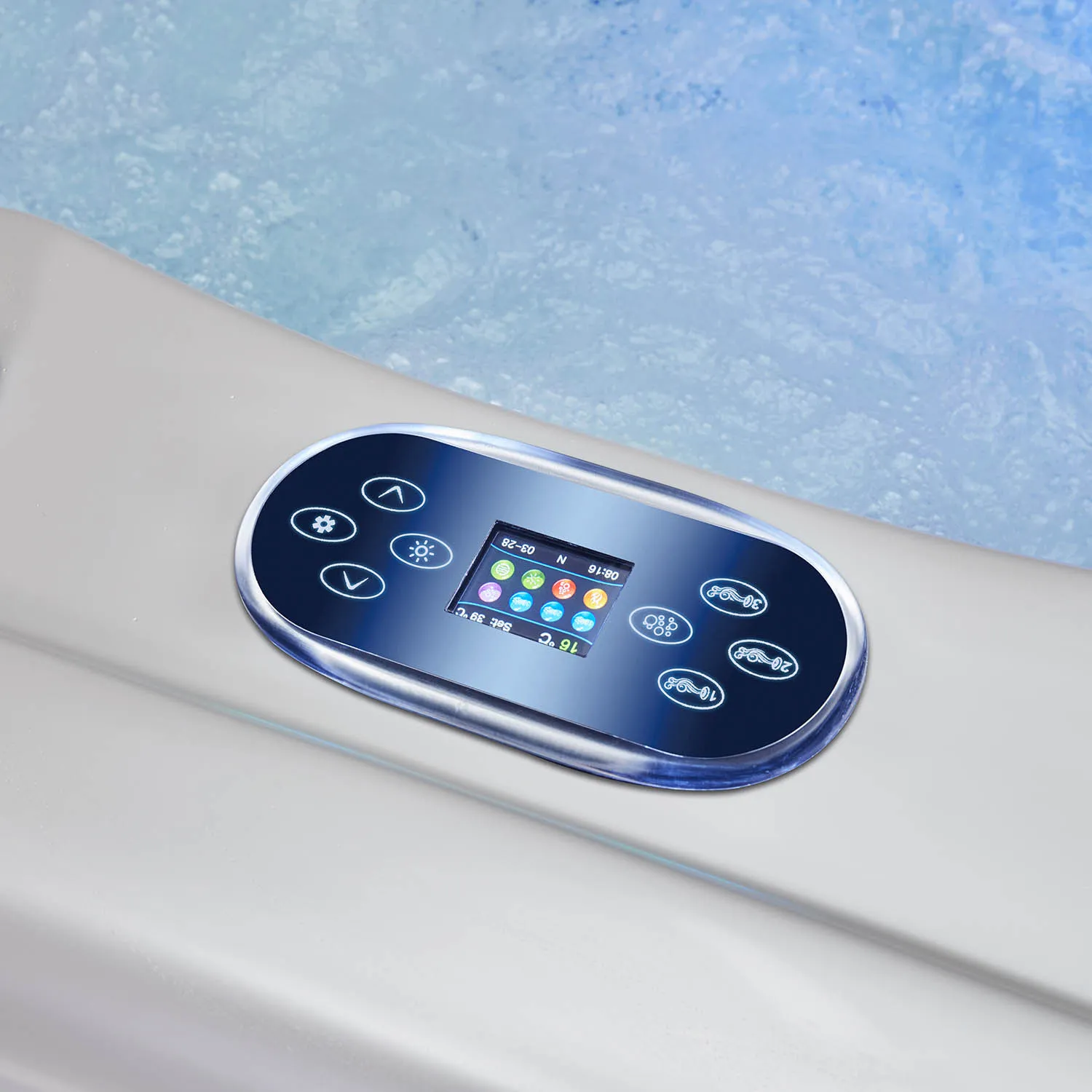
These adjustments reduce water turbulence, thereby lowering the probability of foam formation.
How can daily usage habits help reduce foam in a spa hot tub?
Many foam-related issues are actually linked to usage habits.
When using a whirlpool spa hot tub, paying attention to the following points can often significantly reduce foam problems:
•Avoid bringing large amounts of cleaning products into the water.
•Avoid introducing detergent residue into the tub.
•Avoid using bubble bath products within the tub.
By keeping the water pure, you can reduce foam generation at the source.
Does foam in a spa hot tub indicate equipment malfunction?
In the vast majority of cases, the presence of foam does not indicate a mechanical malfunction in the whirlpool spa hot tub.
The jet system, water pump, and circulation system themselves do not actively generate foam. Foam is typically a natural result of certain substances in the water mixing with air. Therefore, when excessive foaming occurs in a whirlpool spa hot tub, priority should be given to checking the water quality and the presence of foreign substances, rather than immediately assuming that the equipment is malfunctioning.
What should you do if there is too much foam in your spa hot tub?
When excessive foaming occurs in a whirlpool spa hot tub, the first step is to understand the mechanism behind its formation. Foam typically originates from surface-active substances present in the water, which are then continuously amplified by the agitation of the jet system.
Key strategies for addressing foam issues include:
•Pausing the jet system to observe the water surface
•Checking the water quality status
•Running the filtration system
•Partially draining and refilling the water if necessary
•Avoiding the introduction of foam-generating products into the water
As long as proper water quality management is maintained—and the entry of unsuitable substances into the water is prevented—most foam-related issues in whirlpool spa hot tubs can be effectively controlled.