



Spa hot tubs are considered an ideal way to relax the body, relieve muscle tension, and improve sleep. However, many users experience a worrying phenomenon after enjoying a soothing bath—dizziness, blurred vision, or even mild nausea.
This is not uncommon and does not necessarily indicate an illness.
To understand "why I feel dizzy after soaking in a whirlpool spa hot tub," we must analyze it from multiple perspectives, including physiology, temperature changes, blood pressure regulation, chemicals in the water, and usage habits.
This article will comprehensively reveal the scientific reasons for this phenomenon and provide practical advice on the safe use of whirlpool spa hot tubs.
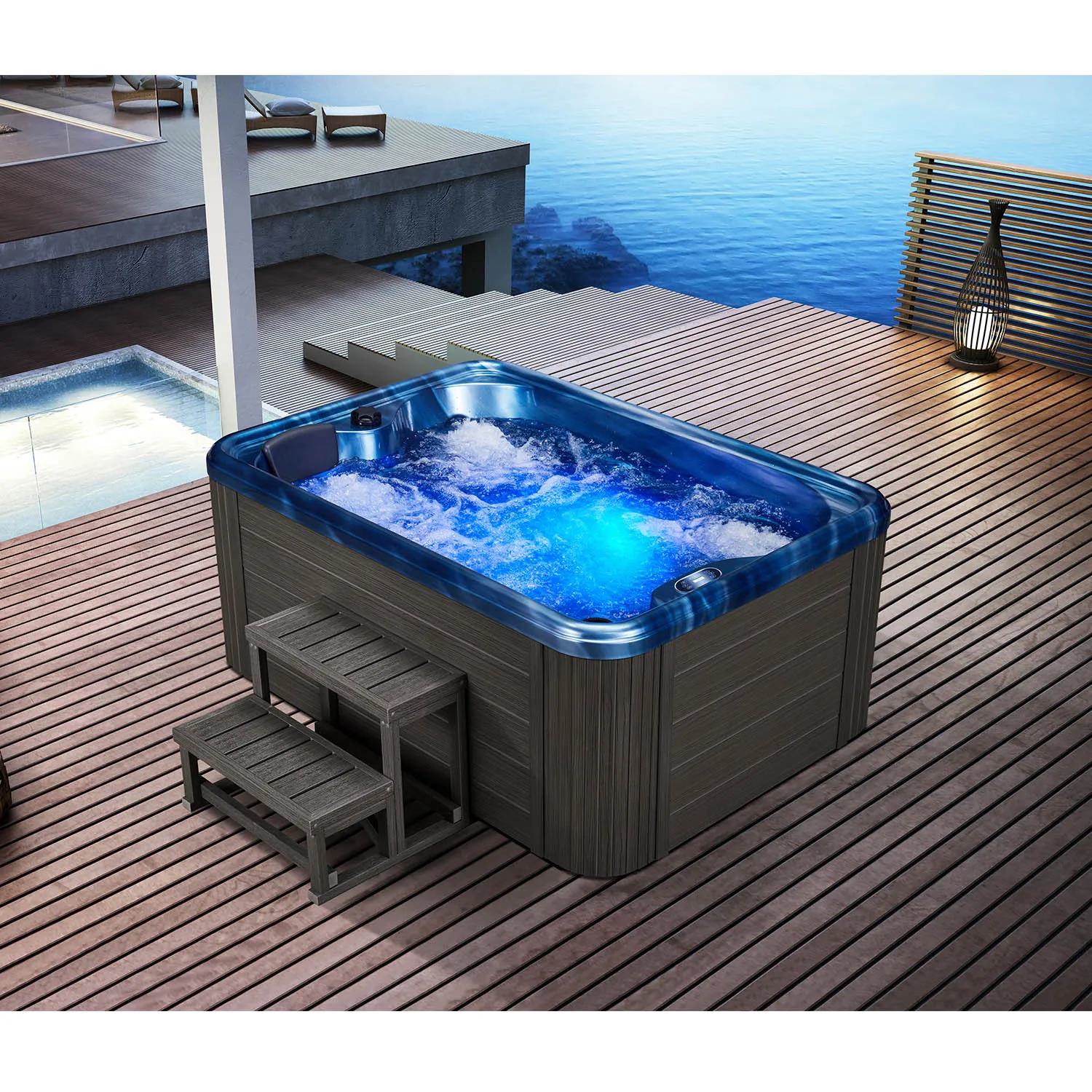
Is it normal to feel dizzy after soaking in a spa hot tub?
Under certain conditions, brief, mild dizziness is a normal physiological response that may occur.
When you soak in a hot spa hot tub for an extended period (typically 37°C to 40°C), your body undergoes the following changes:
• Vasodilation: Hot water causes blood vessels in the skin and muscle layers to dilate, helping the body dissipate heat.
• Lower blood pressure: Vasodilation reduces peripheral resistance, thus lowering blood pressure.
• Blood flow redistribution: More blood flows to the skin and extremities, potentially causing temporary mild insufficient blood supply to the brain.
• Fluid loss: Hot water induces sweating and fluid evaporation, leading to mild dehydration.
These physiological reactions combined can cause dizziness, weakness, or even blurred vision when you get up from the whirlpool spa hot tub.
In short:
Hot water → Vasodilation → Lower blood pressure → Temporary insufficient blood supply to the brain → Dizziness.
This dizziness is usually temporary and will subside after sitting down or resting for a few minutes.
However, frequent occurrences, prolonged duration, or accompanying symptoms (such as chest tightness or palpitations) may indicate underlying health risks.
How does the high temperature of a spa hot tub affect bodily circulation?
1. The relationship between high temperature and blood pressure regulation
Spa hot tubs are typically maintained at 37℃–40℃.
This temperature, close to or slightly above the body's core temperature, has a significant impact on the circulatory system:
• Hot water stimulates skin temperature receptors, causing blood vessels to dilate;
• The heart must beat faster to maintain blood flow;
• Blood pressure initially rises slightly, then gradually decreases as body temperature rises.
Therefore, when you finish bathing and suddenly stand up, the brain experiences a temporary drop in blood flow due to the change in blood pressure, causing dizziness.
This phenomenon is medically known as orthostatic hypotension, a sudden drop in blood pressure caused by a change in posture.
2. Dehydration and Electrolyte Imbalance Caused by Hot Water
Even while you are in water, your body still dissipates heat through sweating and evaporation.
During prolonged bathing, especially in enclosed or high-temperature environments, the body loses:
• Water;
• Electrolytes such as sodium and potassium;
• A relative decrease in blood volume.
When blood volume decreases, blood supply to the brain decreases, leading to symptoms such as dizziness and fatigue.
This also explains why some people feel "dehydrated" after bathing in a whirlpool spa hot tub.
✅ Recommendations:
• Drink plenty of water before and after bathing;
• Avoid using the whirlpool spa hot tub on an empty stomach or after drinking alcohol.
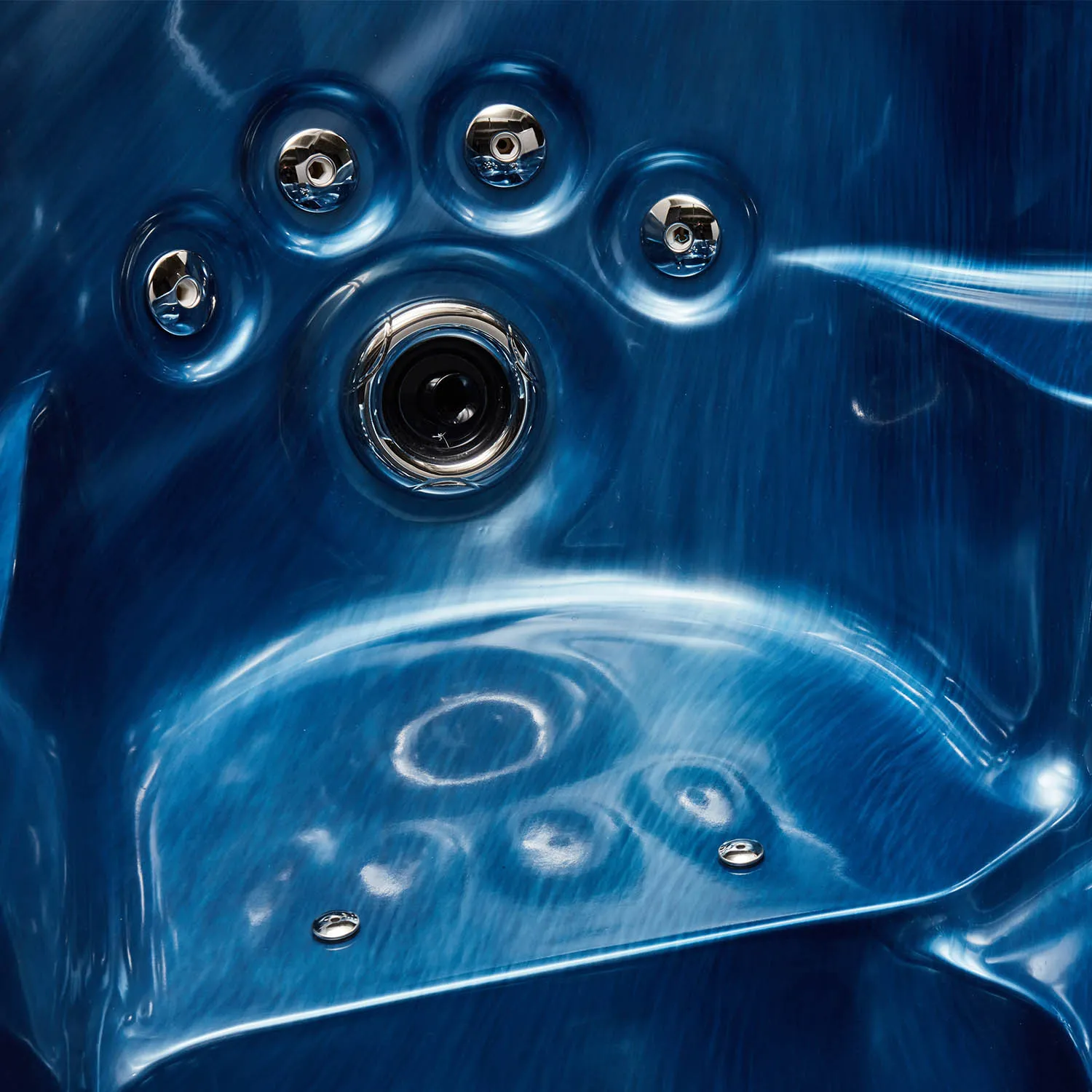
Can the chemicals in a spa hot tub cause dizziness?
1. Irritation from the volatilization of chlorine and bromine
Chlorine or bromine is commonly used as a disinfectant to maintain the hygiene of whirlpool spa hot tubs.
These substances are easily volatilized in hot water, especially when the water is not adequately ventilated, and small amounts of chlorine or bromine gases may accumulate in the air.
Prolonged inhalation of these chemical vapors may cause:
• Mild respiratory irritation;
• Headache, dizziness, or drowsiness;
• Eye irritation or dry skin.
This is more common in enclosed indoor spa hot tubs.
✅ Recommendations:
• Turn on the ventilation system or open the windows before use;
• Regularly check and maintain the concentration of chemicals in the water within safe limits;
• Do not bathe immediately after adding disinfectant.
2. Ozone or Other Oxidizing Agent Residue
Some high-end spa hot tubs are equipped with ozone or non-chlorine oxidation systems.
While ozone is effective at sterilizing and purifying water, improper system maintenance or excessive concentrations can irritate the respiratory tract and cause dizziness.
✅ Regularly check the equipment's operating status to ensure the ozone system is functioning properly and not releasing excessive amounts.
Does my health condition affect my reaction after soaking in a spa hot tub?
Yes, individual reactions to hot water therapy vary significantly.
The following groups are more likely to experience dizziness after soaking in a whirlpool spa hot tub:
1. People with low blood pressure
High temperatures dilate blood vessels, making people with pre-existing low blood pressure more prone to orthostatic hypotension.
2. People with cardiovascular disease
Hot water increases the burden on the heart. Those with arrhythmia or coronary heart disease should avoid prolonged soaking.
3. People with diabetes
High temperatures may affect blood sugar levels and nerve perception, leading to fluctuations in blood pressure.
4. Elderly
Due to decreased vascular elasticity and weakened regulatory ability, elderly people are prone to dizziness or fatigue.
Reminder:
Before using the whirlpool spa hot tub, adjust the time and temperature according to your own health condition.
Could improper usage habits be the real cause of dizziness?
Yes, in addition to physiological and chemical factors, the way it is used is also crucial.
1. Soaking for too long
General recommendations:
• Single bath time should not exceed 20 minutes;
• If the water temperature exceeds 39℃, it should be shortened to 10–15 minutes.
Prolonged soaking can lead to excessive drop in blood pressure and dehydration.
2. Drinking alcohol before bathing
Alcohol itself dilates blood vessels and lowers blood pressure. Combined with the effects of hot water, this can easily cause dizziness, fainting, or even accidental slips and falls.
3. Getting up immediately after bathing
If you stand up immediately after leaving the whirlpool spa hot tub, blood will instantly rush to the lower limbs, resulting in temporary insufficient blood supply to the brain.
Correct Method:
• Sit up and rest for 1–2 minutes;
• Then stand up slowly.
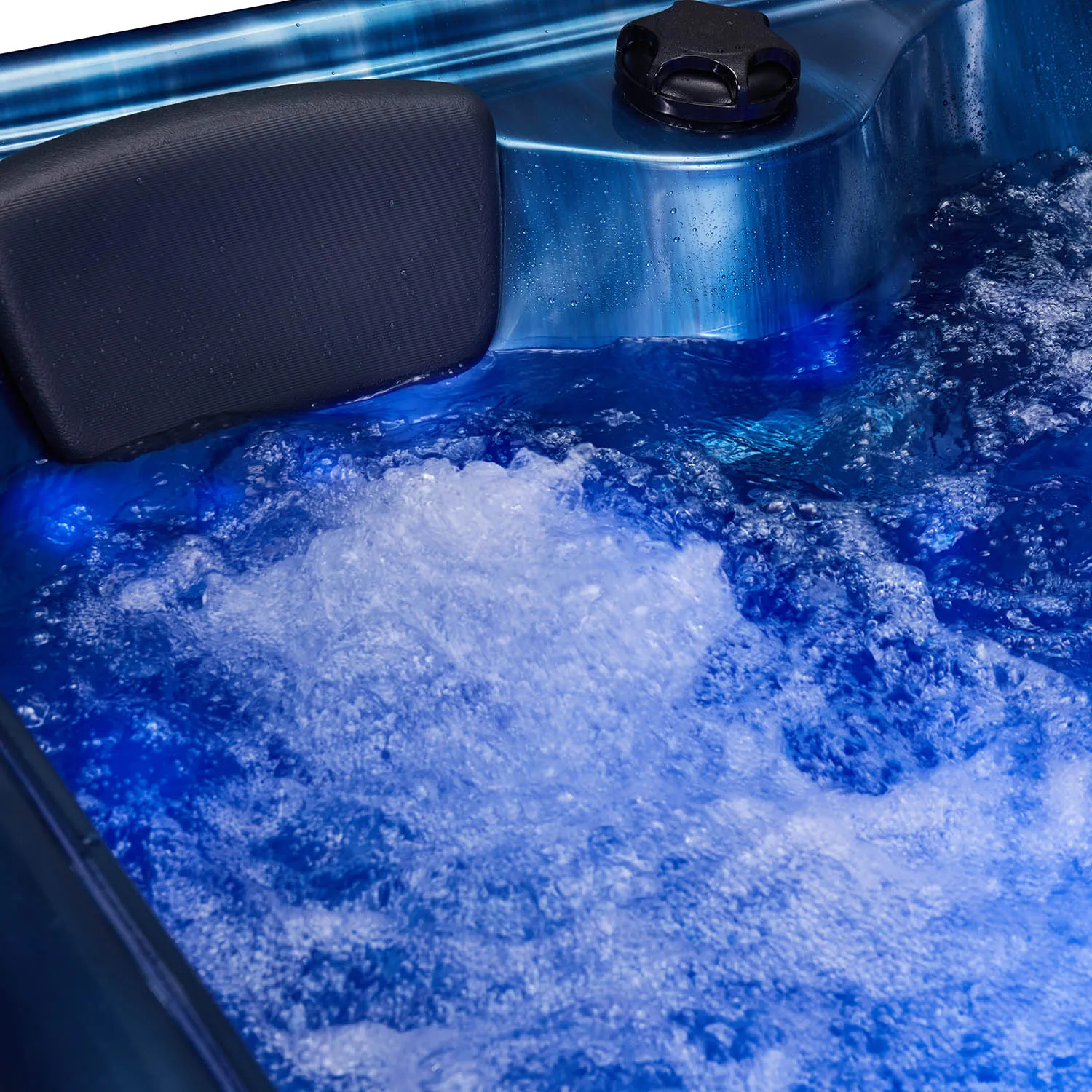
Can environmental factors in a spa hot tub worsen dizziness?
Of course.
Dizziness is not only related to water temperature and physical condition, but also closely related to the surrounding environment.
1. Poor Indoor Air Circulation
High humidity and high temperature environments with poor ventilation can lower oxygen concentrations, causing feelings of stuffiness, drowsiness, and dizziness.
2. Lighting and Noise
Bright or flickering lights and loud bubbling sounds can cause slight sensory strain during use, triggering dizziness or vertigo.
3. Odors and Chemical Irritations
Aromatherapy, bath oils, and fragrances evaporate faster in high-temperature environments. High concentrations may irritate the respiratory system, leading to discomfort.
How to Scientifically Prevent Dizziness After Soaking in a Spa Hot Tub?
Here are some practical and safe precautions:
Item | Recommended Practice | Explanation
Water Temperature Control | Maintain at 37℃–39℃ | Excessive temperature can cause a sudden drop in blood pressure.
Bath Time | 10–20 minutes per session | Prolonged soaking can lead to dehydration and fatigue.
Hydration |Drink 1 glass of water before and after | Prevent dehydration and electrolyte imbalance
Slow Rise | After soaking, sit for 2 minutes before getting up again | Prevent orthostatic hypotension
Good Ventilation | Open windows or turn on ventilation | Reduce chlorine and steam irritation
Regular Testing | Check water quality and disinfectant concentration | Avoid chemical irritation
What situations require special attention?
If you experience any of the following symptoms after using the whirlpool spa hot tub, stop using it immediately and consult a doctor:
• Dizziness lasting more than 10 minutes;
• Chest tightness or difficulty breathing;
• Significantly rapid or irregular heartbeat;
• Blurred vision or fainting;
• Nausea, vomiting, or abnormal skin flushing.
These symptoms may indicate an overreaction of the circulatory, cardiac, or respiratory systems.
You should immediately leave the hot environment, drink water, rest, and seek medical attention if necessary.
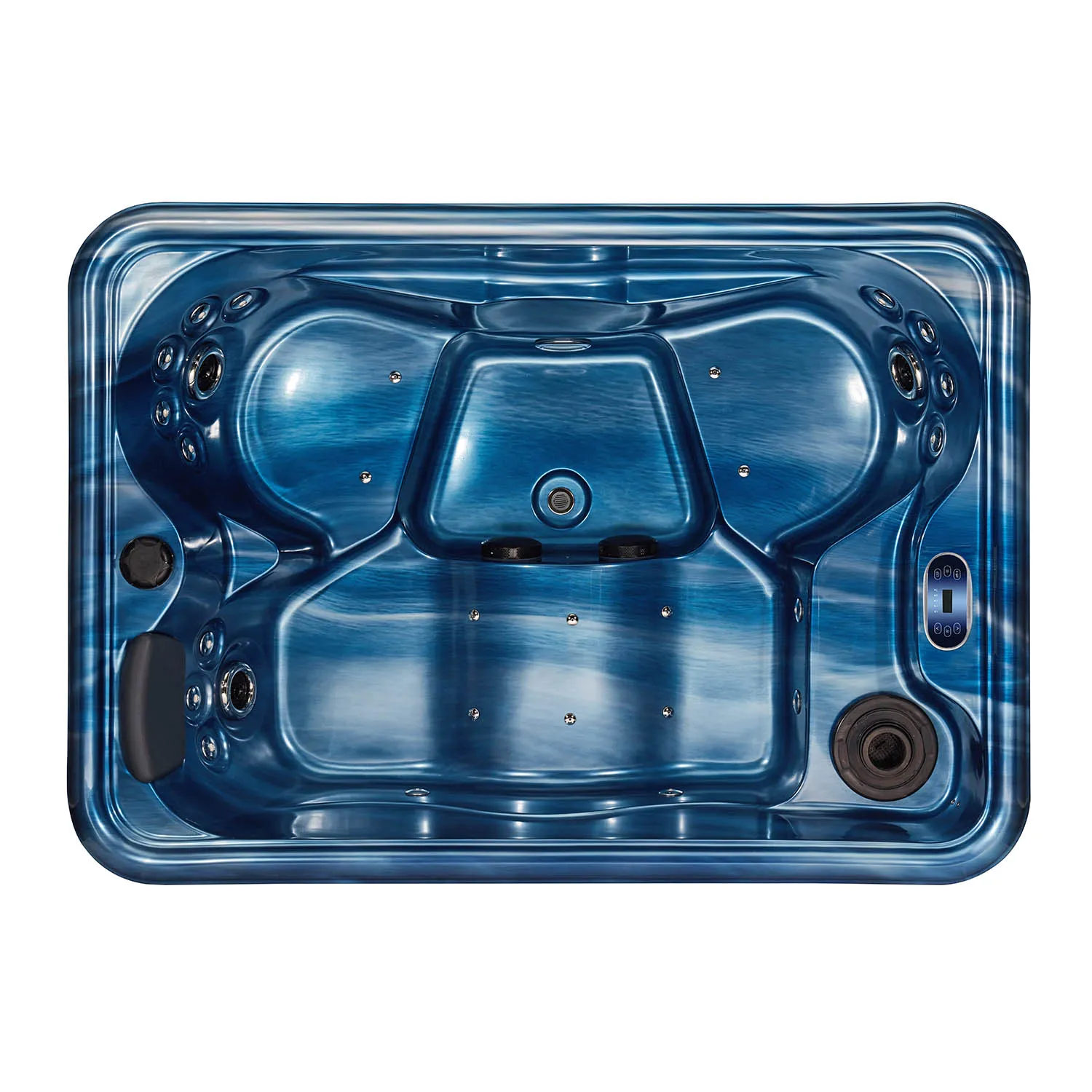
The Underlying Causes of Dizziness After a Hot Tub Bath
We can categorize the causes into five main types:
Category | Main Cause | Brief Explanation
Physiological Reaction | Vasodilation, decreased blood pressure | Normal thermoregulation response
Dehydration Factors | Sweating, fluid loss | Leading to decreased blood volume
Chemical Irritation | Chlorine, bromine, ozone vapor | Mild stimulation of the central nervous system after inhalation
Usage Habits | Excessive time, getting up too quickly, drinking alcohol | Inducing orthostatic hypotension
Health Factors | Low blood pressure, heart disease, elderly | Weakened circulatory regulation ability
Therefore, don't panic if you feel dizzy after a hot tub bath.
In most cases, this is a natural reaction of the body to the high temperature environment, and can be avoided by adjusting your usage.
Remember:
Properly controlling water temperature, time, posture, and environment is key to safely enjoying a hot tub bath.
Are Your Products Suitable for Commercial Wellness Centers?
Yes. Many wellness centers choose Yuehua products such as outdoor spa, steam bathroom, and sauna room systems for commercial use. These products are engineered for frequent operation and easy maintenance. Our factory ensures consistent build standards, making them suitable for professional environments. Commercial buyers benefit from wholesale pricing, stable supply, and project-specific customized solutions.