







A hydrotherapy hot tub is a relaxation device that combines stimulating water jets with a constant temperature, widely used in home leisure, spas, and rehabilitation centers. Its soothing effects, muscle relaxation, and improved circulation make it an ideal way for many to relax.
However, in recent years, discussions about "Hot Tub Syndrome" have increased. Some people experience symptoms such as skin rashes, itching, fever, or fatigue after using a hydrotherapy hot tub, which has attracted widespread attention.
This raises the question:
Why do some people develop hydrotherapy hot tub syndrome? How does this phenomenon occur?
This article will delve into the etiology, bacterial sources, environmental conditions, and preventative measures to help you scientifically understand this phenomenon and guide you on how to use a hydrotherapy hot tub safely and healthily.
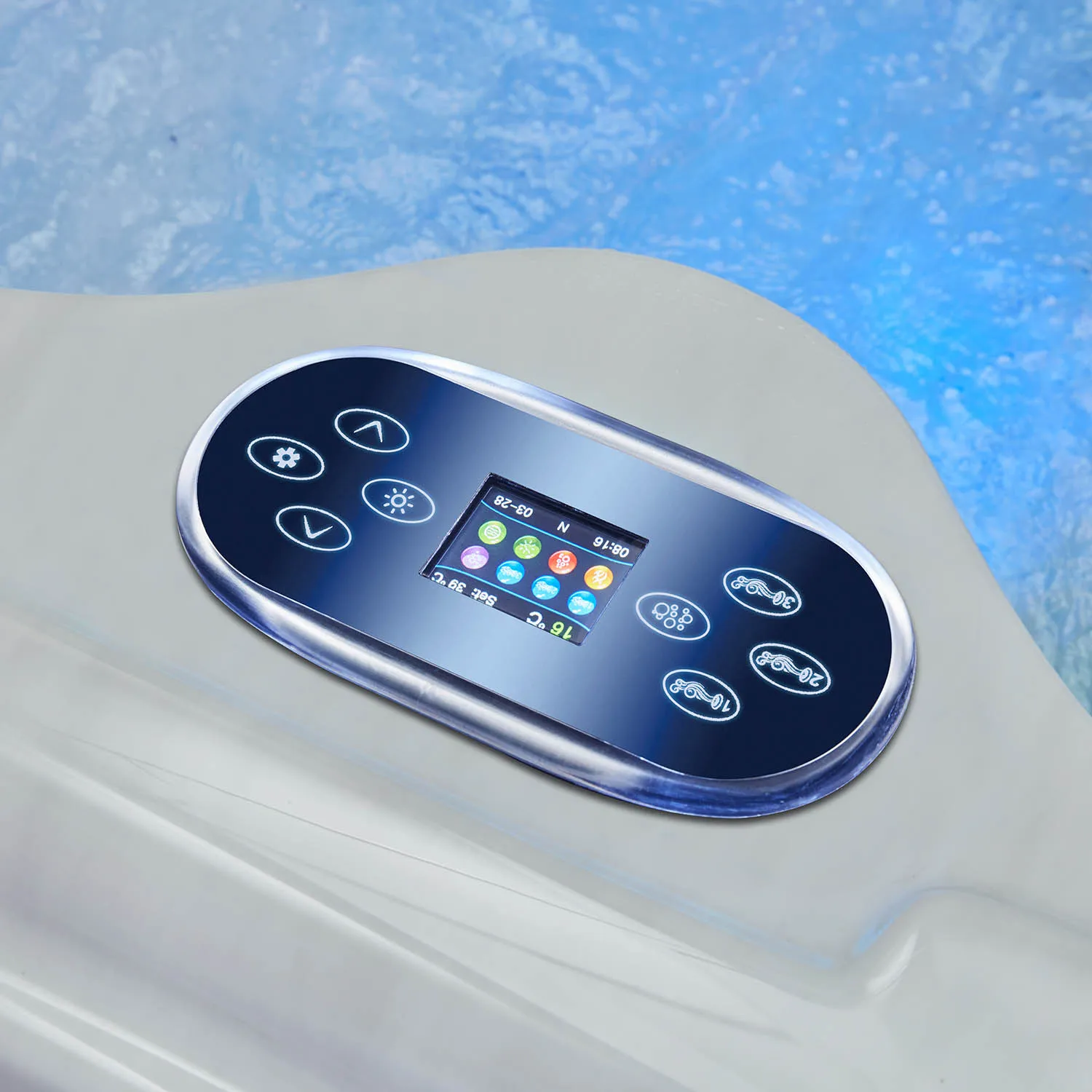
What is Hydrotherapy Hot Tub Syndrome?
Hot Tub Folliculitis (or Hot Tub Dermatitis) is a skin infection syndrome caused by contact with a contaminated hot tub.
It is usually caused by a bacterium called "Pseudomonas aeruginosa".
1. Definition and Characteristics
When people soak in a poorly maintained or inadequately disinfected spa hot tub, the bacteria enter the hair follicles or the stratum corneum of the skin, causing a local inflammatory reaction, manifested as:
• Red, papular, or pustular rash;
• Itching, burning, or stinging sensation;
• Sometimes accompanied by mild fever or fatigue.
2. Onset and Duration
Symptoms usually appear within 8 to 48 hours after soaking. Most people recover spontaneously within 7 to 10 days, but severe cases require medical intervention.
3. Why is it called a "syndrome"?
Because in addition to skin inflammation, some people also experience systemic reactions such as general fatigue, mild fever, and swollen lymph nodes, it is called a "syndrome" rather than a simple skin disease.
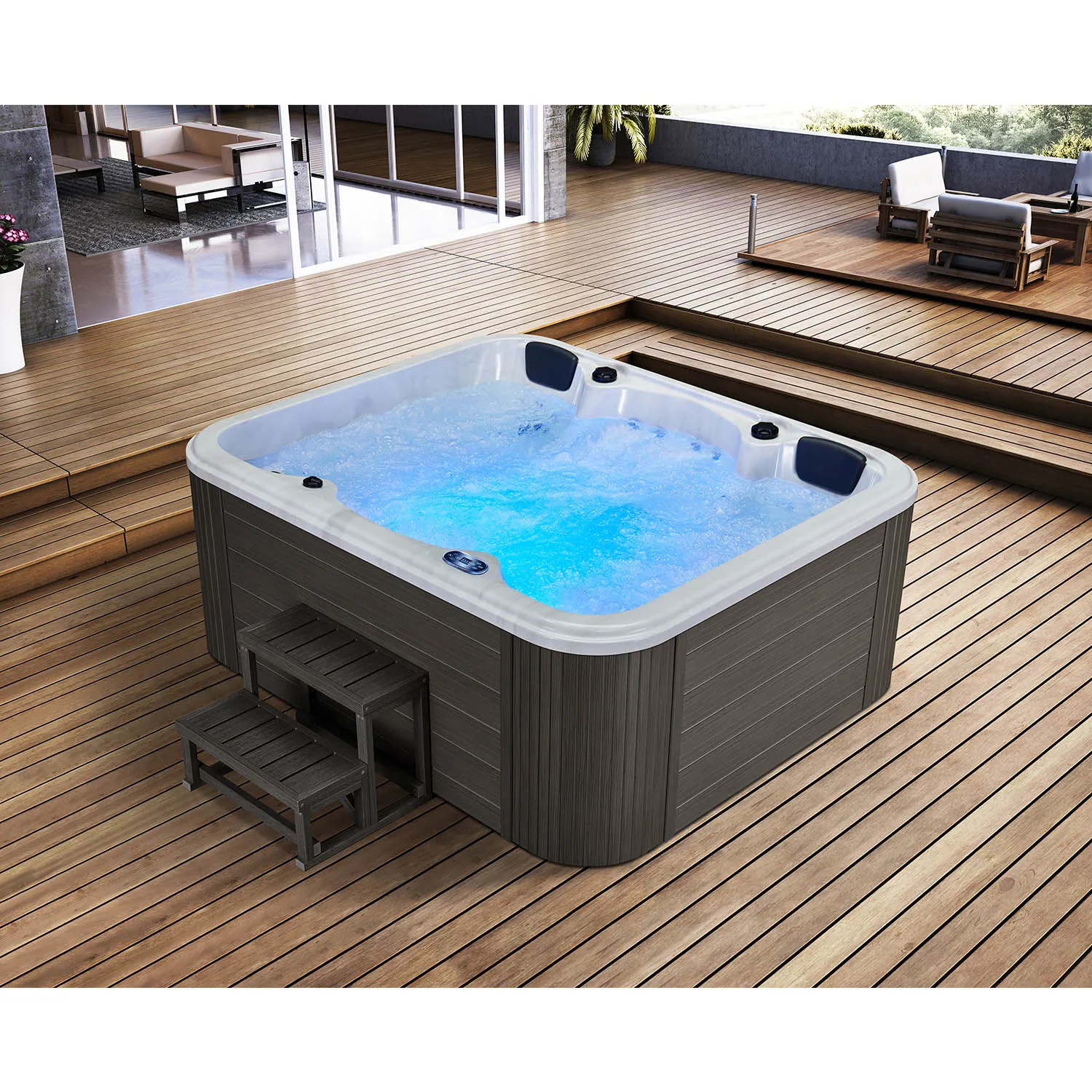
Why do spa hot tubs in spas easily breed bacteria?
To understand "why some people get hot tub syndrome," we must first understand why bacteria easily multiply in this environment.
1. Warm water provides ideal conditions for bacterial survival
The operating temperature of spa hot tubs in spas is usually between 36°C and 40°C.
This temperature is not only comfortable for humans, but it is also the optimal growth temperature for Pseudomonas aeruginosa.
✅ 36–39°C: Comfortable for humans
❌ Also the golden range for bacterial growth
Therefore, if the disinfectant concentration is insufficient or the filtration system is inadequate, bacteria can multiply rapidly in a short time.
2. Hot tubs in spas contain a large amount of organic matter
The water often contains:
• Sebum, sweat, and dead skin cells;
• Residue from cosmetics, lotions, and perfumes;
• Metabolic waste excreted by the body after bathing.
These organic substances provide nutrients for bacteria, making it easier for them to form biofilms.
3. Biofilms make bacteria harder to remove
• Biofilms are a protective layer formed by bacterial colonies on pipes and surfaces.
• They resist chlorine disinfection and hot water rinsing, becoming a breeding ground for bacteria.
• Even with regular chlorination or water changes, bacteria can continue to multiply as long as the biofilm is not destroyed.
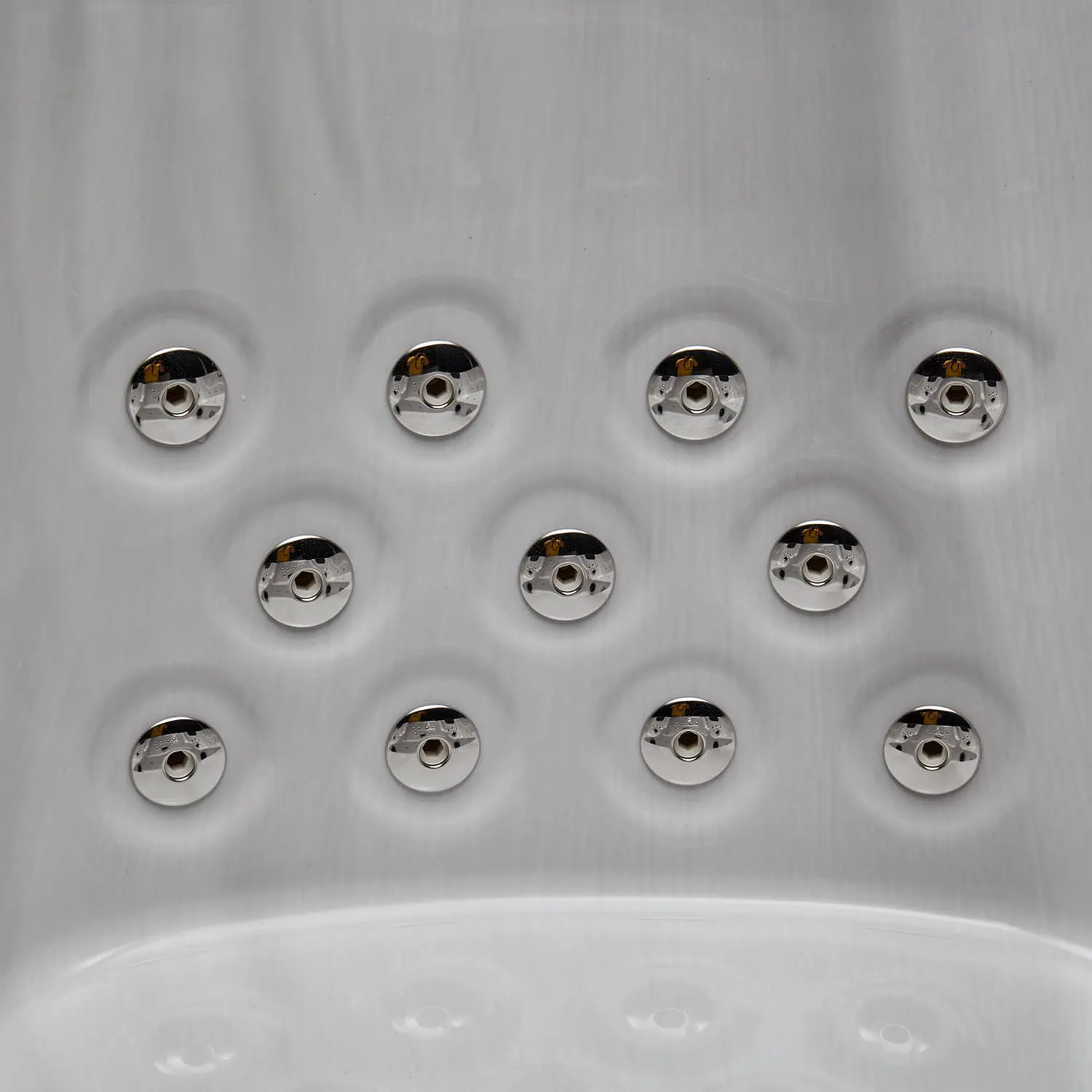
How does "Pseudomonas aeruginosa" cause hot tub syndrome?
1. Bacteria enter hair follicles
When a person soaks in a spa hot tub for an extended period, the skin's stratum corneum softens due to the hot water, and pores open.
At this time, bacteria can easily enter the hair follicles, causing local infection.
2. Skin immune response is activated
After the immune system recognizes the bacteria, it produces a local inflammatory response.
This is why red spots, papules, pustules, and itching appear.
3. Certain Individuals Are More Susceptible
The following groups are more susceptible to spa hot tub syndrome:
• Those with weakened immune systems (e.g., diabetics, the elderly);
• Those with weakened skin barriers (e.g., those with eczema, children);
• Those who soak for extended periods or use the bathtub frequently.
Is hot tub syndrome only related to hygiene?
Not entirely. While hygiene is a major factor, other hidden contributing factors can increase the risk.
1. Unstable Disinfectant Concentration
Chlorine or bromine are the most commonly used disinfectants in spa hot tubs.
If the concentration is too low (<1 ppm), it will not effectively kill bacteria;
If the concentration is too high, it may irritate the skin and weaken the stratum corneum's defenses.
Therefore, maintaining an effective chlorine concentration of 1–3 ppm is crucial.
2. Aging or Clogged Filtration System
Filters accumulate organic impurities, becoming a breeding ground for bacteria.
If the filter is not cleaned or replaced in a timely manner, even if the water appears clear, it may contain a large number of bacteria.
3. Poor Water Circulation
Some users turn off the circulation pump after use, leaving the water stagnant for extended periods.
Still water easily breeds microorganisms, especially in the "dead corners" inside nozzles and pipes.
4. High Usage Frequency but Low Cleaning Frequency
Frequent use without regular water changes or disinfection is a major risk factor for infection.
How to Determine if You Have Hot Bath Syndrome?
While a doctor's examination is required for a definitive diagnosis, the following characteristic symptoms can serve as a preliminary indicator:
Symptom type | Specific symptoms | Time of occurrence |
| Skin symptoms | Red rash, papules, and pustules, mostly seen in areas covered by swimwear | 8–48 hours after bathing |
| Sensory symptoms | Itching, burning, and stinging | Simultaneous occurrence |
| Systemic reaction | Mild fever, fatigue, and chills | A few severe cases |
| Recovery status | Generally heals within 7–10 days | Medical attention required if severe |
Characteristic Tip: A rash concentrated in areas covered by swimwear is a typical sign of hot bath syndrome.
Is Hot Bath Syndrome Contagious?
Strictly speaking, hot bath syndrome itself is not directly transmitted from person to person.
However, the bacteria can spread through shared water or contact with contaminated surfaces.
Therefore, if multiple people share the same hot bath without timely water changes or disinfection, the risk of infection increases significantly.
How to Effectively Prevent Hot Bath Syndrome?
To prevent infection at its source, attention should be paid to three aspects: equipment maintenance, water quality management, and personal hygiene.
1. Regular and Thorough Equipment Maintenance
• Check the filter weekly and clean it with clean water or a special solution;
• Completely drain the bathtub and replace the water every 3–4 months;
• Disinfect the pipes every six months to prevent biofilm buildup.
2. Control Water Chemical Indicators
Maintaining the following indicators can significantly reduce bacterial growth:
Items | Recommended values | Instructions |
| Chlorine concentration | 1–3 ppm | Sterilization and disinfection |
| pH value | 7.2–7.8 ppm | Maintaining disinfectant efficacy |
| Total alkalinity | 80–120 ppm | Stabilizing pH levels |
| Water temperature | Not exceeding 40℃ | Reducing bacterial growth rate |
It is recommended to use water quality test strips to test before each use.
3. Personal Usage Habits
• Shower before bathing to avoid contaminating the water with sebum;
• Do not use on open skin;
• Rinse your body with clean water and dry after use;
• If multiple people use the bath, replenish chlorine between uses.
Why do some people get infections from bathing in the same spa hot tub while others are fine?
This is related to individual differences.
In the same environment, some people get infected while others remain completely unaffected. The main reasons include:
• Differences in skin barrier integrity: Those with minor skin abrasions or inflammation are more susceptible to infection;
• Differences in the immune system: Those with weakened immune systems are more easily invaded by bacteria;
• Different soaking times: The longer the soaking time, the softer the skin, and the higher the risk of infection;
• Personal hygiene habits: Those who do not wash their bodies before soaking are more likely to allow bacteria to adhere.
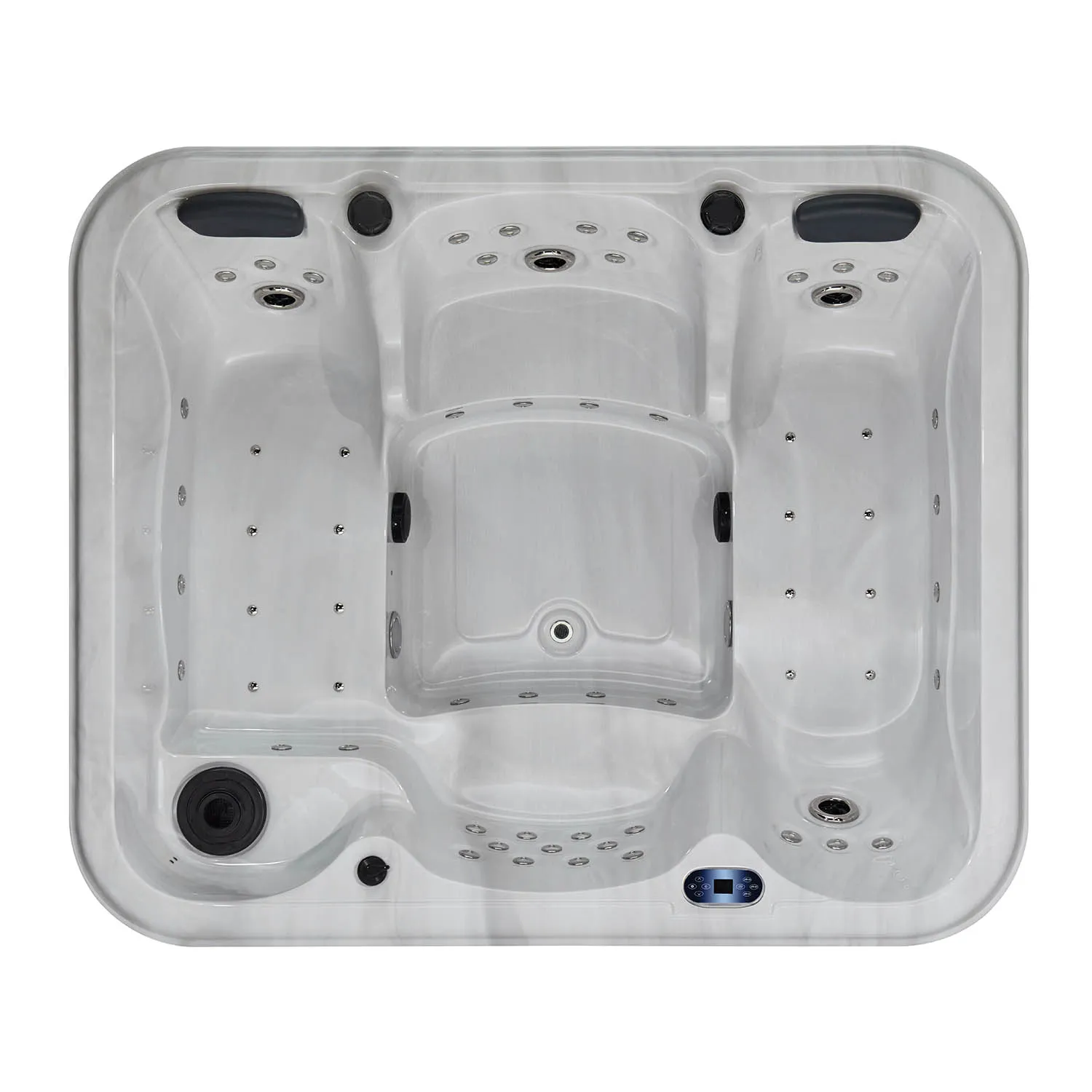
Can hot tub syndrome be completely avoided?
Theoretically, spa hot tub syndrome can be completely prevented through proper maintenance and scientific use.
The key lies in three points:
• Maintaining a consistently high effective chlorine level;
• Regularly cleaning the pipes and filtration system;
• Avoiding prolonged periods of inactivity that allow bacteria to grow.
As long as scientific management methods are followed, a spa hot tub remains a safe and healthy relaxation tool and will not pose a threat to health.
Understanding and Preventing Hot Bath Syndrome
Comprehensive analysis leads to the following conclusions:
✅ The root cause of hot bath syndrome lies in bacterial contamination, primarily caused by *Pseudomonas aeruginosa*.
✅ High temperatures, organic matter in the water, and improper maintenance all contribute to bacterial growth.
✅ Scientific disinfection and proper use are key to completely avoiding infection.
Therefore,
• Regularly maintain the equipment to prevent biofilm formation;
• Test water quality before and after use and maintain chlorine levels;
• Develop good personal hygiene habits;
• Appropriately control soaking time and water temperature.
By mastering these scientific principles, you can enjoy the comfort and relaxation of a hot bath while avoiding the risk of bacterial infection.
Can Your Factory Handle Large Government or Commercial Purchasing Projects?
Yes. Yuehua has supplied wellness equipment for hotels, community centers, public gyms, and real estate development groups. Our Factory scale and automated production ensure reliable timelines for high-volume orders involving outdoor spa, sauna room, or massage bathtub installations. Project-based quotes include engineering drawings, shipping schedules, and material specifications. We maintain strong production management designed for consistent high-quality output even during peak seasons.