



In modern homes, spa hot tubs have become an important way to relax, soothe muscles, and reduce stress. However, many people wonder: will soaking in a whirlpool spa hot tub raise blood pressure?
This is especially true for people with high blood pressure, cardiovascular problems, or those undergoing treatment, who are particularly concerned about the safety of using a spa hot tub.
In fact, according to general health recommendations from several medical institutions, including the Cleveland Clinic, warm water typically causes slight vasodilation, resulting in a slight decrease in blood pressure, rather than an increase.
Furthermore, moderate and proper use of a whirlpool spa hot tub generally does not pose a threat to most healthy individuals.
This article will provide a detailed analysis of the scientific mechanisms, potential risks, proper usage guidelines, and precautions for people with high blood pressure to help you truly understand the relationship between "spa hot tubs and blood pressure."
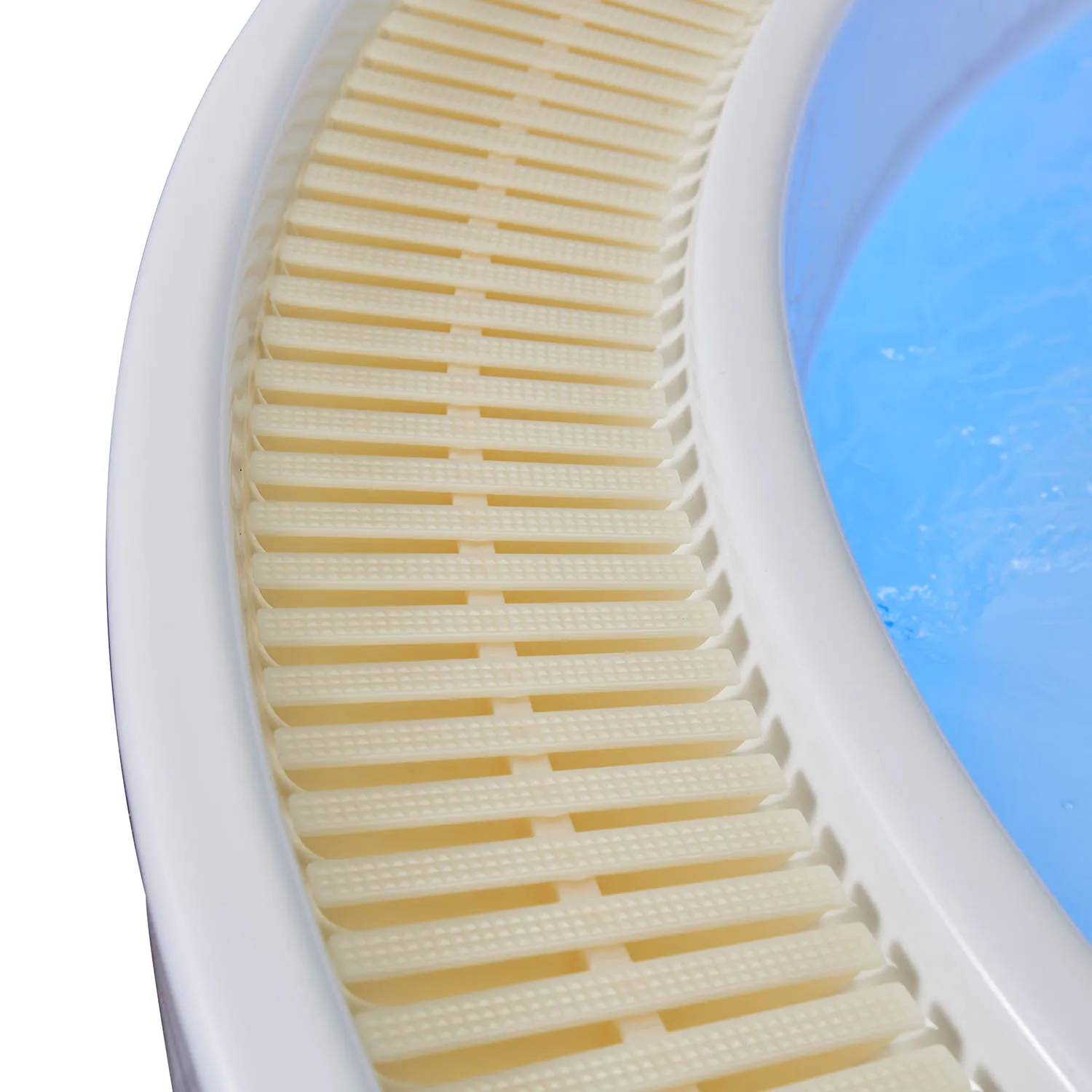
Why does soaking in a spa hot tub affect blood pressure?
Blood pressure changes depend on several factors, including the degree of vasoconstriction, heart rate, circulatory resistance, and water temperature.
When you soak in a spa hot tub at 37–40°C, your body undergoes a series of physiological responses:
1. Warmth promotes vasodilation (slight drop in blood pressure)
Warm water has a natural vasodilatory effect, leading to:
• Peripheral vasodilation
• Decreased peripheral resistance
• Increased blood circulation
• Temporarily reduced workload on the heart
These changes typically result in a slight drop in blood pressure.
This is why many people feel:
• Complete relaxation
• Warm extremities
• Reduced stress in a whirlpool spa hot tub
2. Buoyancy reduces cardiac resistance
The buoyancy of water reduces body weight, reducing the workload on the heart and decreasing circulatory resistance, which also helps lower blood pressure.
3. Heat Stimulation Helps Improve Microcirculation
When the body is surrounded by warm water, blood flow to the skin increases significantly, which helps to:
• Accelerate blood circulation
• Promote metabolism
• Relieve muscle tension
• Lower stress levels (thus indirectly helping to stabilize blood pressure)
Therefore, in most cases, a whirlpool spa hot tub does not raise blood pressure, but rather has a slight blood pressure-lowering effect.
Why do some people worry that a spa hot tub might raise blood pressure?
While warm water generally lowers blood pressure, some people still worry that it might cause it to rise. The main reasons are:
1. Excessive temperature may cause an increase in heart rate
If the spa hot tub is too hot (above 40°C), the body will try to dissipate heat, and the heart rate may increase.
An increased heart rate does not necessarily mean an immediate increase in blood pressure, but it may cause discomfort for some sensitive groups.
2. Water Pressure Has Additional Effects on Circulation
When the body is immersed in deep water, the water pressure promotes blood flow back to the chest cavity, causing:
• Increased cardiac output
• The heart needs to work temporarily.
This usually does not cause a rise in blood pressure, but it can cause some people to feel chest tightness or discomfort.
3. Emotional Tension May Cause Misunderstandings
Some people may feel tense, worried, or anxious when they first enter a whirlpool spa hot tub, which can trigger a temporary rise in blood pressure, leading them to mistakenly believe that the hot water itself causes the rise in blood pressure.
4. Certain Medical Conditions May Affect Reactions
Some patients with cardiovascular diseases are more sensitive to temperature changes than the average person and therefore need to be more cautious.
Therefore, the question "Does soaking in a whirlpool spa hot tub raise blood pressure?" needs to be comprehensively assessed based on individual conditions, temperature, duration, and method of use.
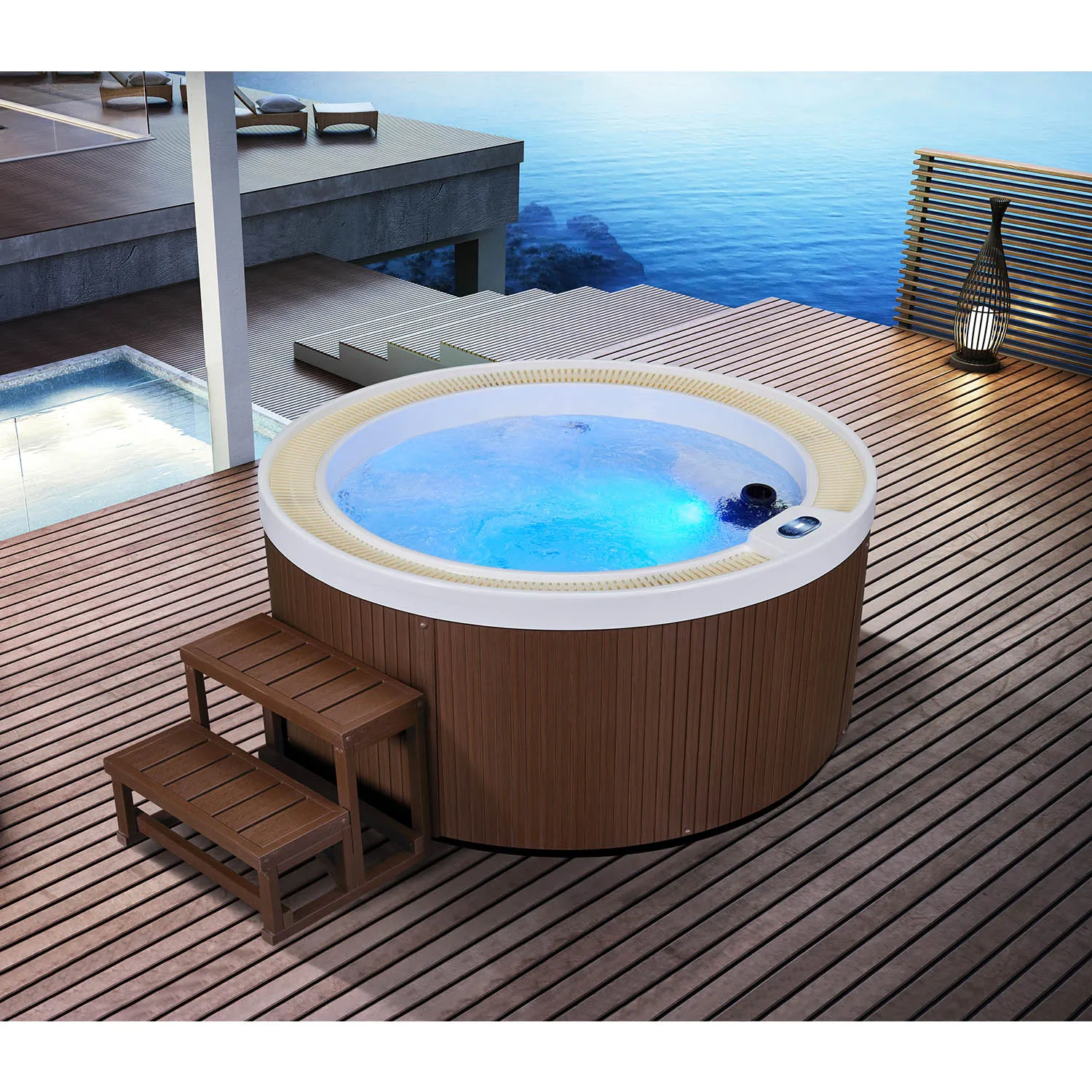
Is it safe for people with high blood pressure to soak in a spa hot tub?
In most cases, people with high blood pressure can use a whirlpool spa hot tub in moderation, but they need to follow safety guidelines.
According to general medical health advice:
People with high blood pressure can generally use hot tubs, as long as they avoid alternating hot and cold stimulation, maintain a moderate duration, and control the water temperature.
Why should people with high blood pressure avoid alternating between hot and cold water?
Hot and cold stimuli cause rapid dilation and constriction of blood vessels, which may lead to:
• Fluctuations in blood pressure
• Increased burden on the heart
• Increased risk of arrhythmia
Therefore, while moderate soaking in a spa hot tub is generally harmless, avoid the following:
• Jumping into a cold pool immediately after getting out of a hot tub
• Frequently switching between a spa hot tub and a cold shower
• Using excessively hot water
What temperature is safe for a spa hot tub?
Scientific research and health guidelines generally recommend:
• Safe temperature range: 37°C – 40°C
• Not recommended to exceed 40°C
• Not recommended to exceed 38°C for people with high blood pressure or heart disease
The closer the temperature is to body temperature, the safer and more comfortable it is;
The closer the temperature is to 40°C, the more likely it is to cause dizziness or palpitations in sensitive individuals.
How long should you soak in a spa hot tub?
For most adults:
• Recommended soaking time: 15–20 minutes
Staying in the hot tub for too long may cause:
• Excessive vasodilation
• Dizziness
• Dehydration
• Increased heart rate
• Increased body temperature
For individuals with high blood pressure, the soaking time can be shortened to 10–15 minutes, adjusted according to individual tolerance.
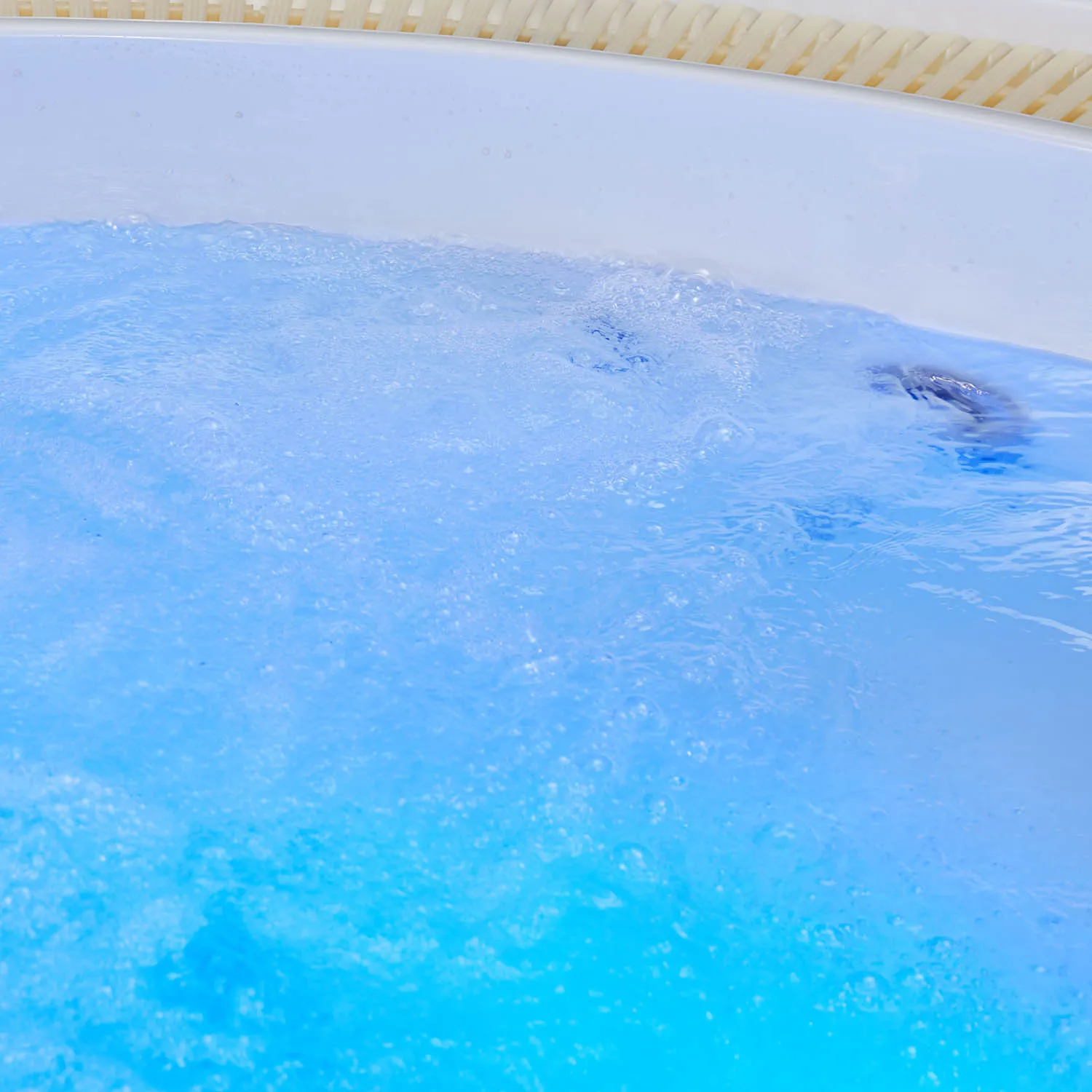
When might soaking in a spa hot tub be unsuitable?
For safety, the following situations should be avoided:
1. Extremely uncontrolled high blood pressure
If blood pressure frequently exceeds 180/110 mmHg
→ Not recommended until it is under control.
2. Immediately after exercise
After strenuous exercise, the heart rate is already high; soaking in a whirlpool spa hot tub at this time may cause the heart rate to rise even further.
It is recommended to rest for 20–30 minutes first.
3. After drinking alcohol
Alcohol and hot water can both dilate blood vessels, and the combined effect may lead to:
• Low blood pressure
• Dizziness
• Dehydration
• Loss of consciousness (rare but possible)
4. Serious heart conditions
Including:
• Heart failure
• Unstable heart rhythm
• Severe angina
• Implanted medical devices (must be used as directed by a doctor)
These individuals must consult a doctor first.
How to stabilize blood pressure before and after a hot tub bath?
For a safer experience, you can follow these health tips:
1. Drink some water before entering
Maintaining light hydration helps stabilize circulation.
2. Enter slowly
Sudden immersion in hot water may cause temporary fluctuations in heart rate.
3. Choose a comfortable temperature
Don't think "the hotter the better." Gentle is key.
4. Stay alert during the bath
Excessive relaxation may cause you to ignore your body's signals.
5. Exit immediately if you feel unwell
For example:
• Rapid heartbeat
• Dizziness
• Chest tightness
• Excessive burning sensation
Get up immediately and rest in a cool place.
Can soaking in a spa hot tub help lower stress and blood pressure?
Stress is a common factor leading to high blood pressure.
A spa hot tub can improve stress levels.
Scientific research generally suggests that:
• Warm water promotes relaxation
• Heat stimulation enhances feelings of well-being
• The buoyancy of water reduces muscle tension
• Blood pressure naturally decreases when the body relaxes
Therefore, moderate soaking in a whirlpool spa hot tub can help stabilize emotions, thus indirectly supporting blood pressure management.
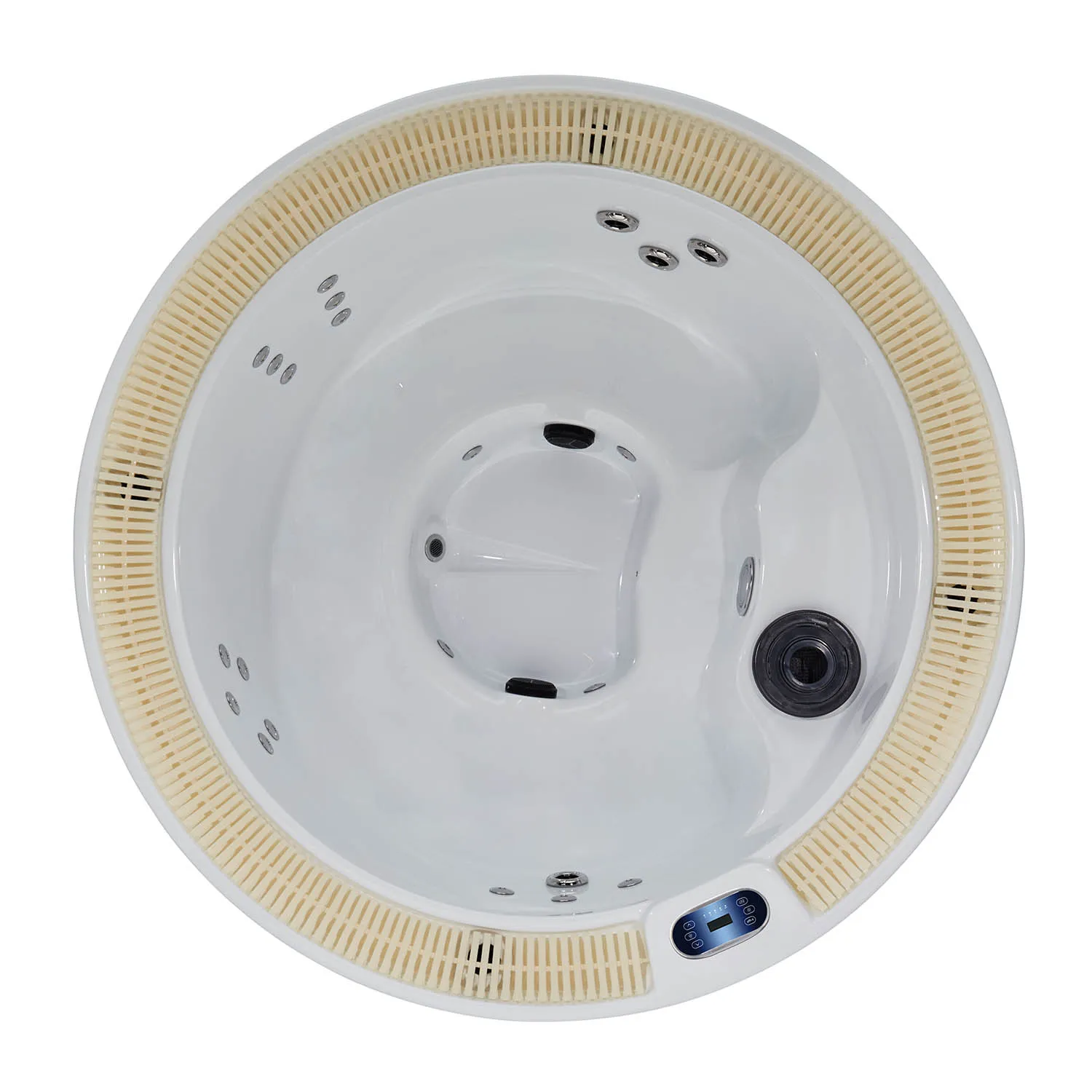
What are the most important precautions for people with high blood pressure when using a spa hot tub?
In summary, here are five key points:
1. Temperature should not be too high (ideally 37–38°C)
2. Duration should not be too long (10–15 minutes)
3. Avoid alternating hot and cold stimulation
4. Avoid use while under the influence of alcohol or when dehydrated
5. Listen to your body's signals; stop immediately if you feel unwell.
By following these principles, most people can safely enjoy the relaxing experience of a whirlpool spa hot tub.
Soaking in a Spa Hot Tub Generally Does Not Raise Blood Pressure
Based on the principles of bodily responses and general recommendations from health organizations:
• Spa hot tubs generally do not raise blood pressure.
• Warm water may dilate blood vessels, causing a slight decrease in blood pressure.
• People with high blood pressure can generally use it appropriately, as long as safety guidelines are followed.
The key to safe use is:
• Moderate temperature
• Moderate duration
• Avoiding hot and cold stimulation
• Paying attention to your own physical condition
With the correct method, a whirlpool spa hot tub will not only not raise blood pressure, but it can also help relieve stress, allowing you to enjoy life more relaxed and healthier.
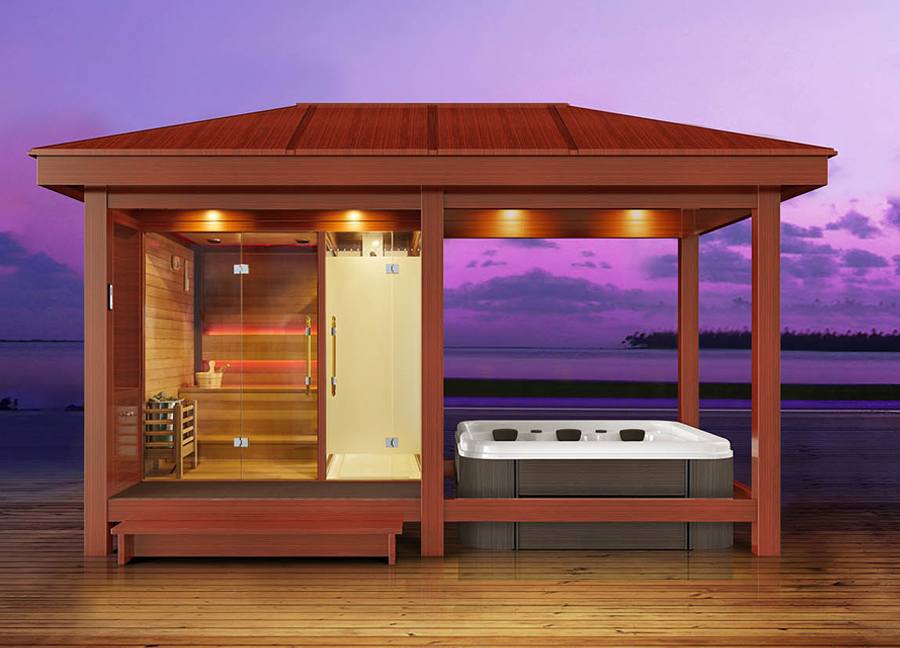
Can Yuehua customize wooden gazebos for outdoor spa installations?
Yes. Yuehua specializes in crafting customized wooden gazebos, pergolas, and spa enclosures. Customers can choose wood type, roofing material, dimensions, and accessory features. Because Yuehua has professional woodworkers and CNC equipment, we ensure precise craftsmanship and competitive manufacturer prices. Distributors enjoy offering premium outdoor structures while maintaining strong profit margins thanks to our China factory’s low purchasing costs.