

The bactericidal effect of chlorine decreases significantly at pH > 7.8, while bromine remains effective within the pH range of 8.0–8.5. This means that users do not need to frequently adjust the water quality in a spa hot tub.
Adding magnesium, such as magnesium sulfate (Epsom salt), to the water in a spa hot tub is only acceptable if the salt content does not exceed the recommended range. Especially when the total salinity exceeds 1500 ppm, it may cause corrosion or damage to the internal components of the hot tub.
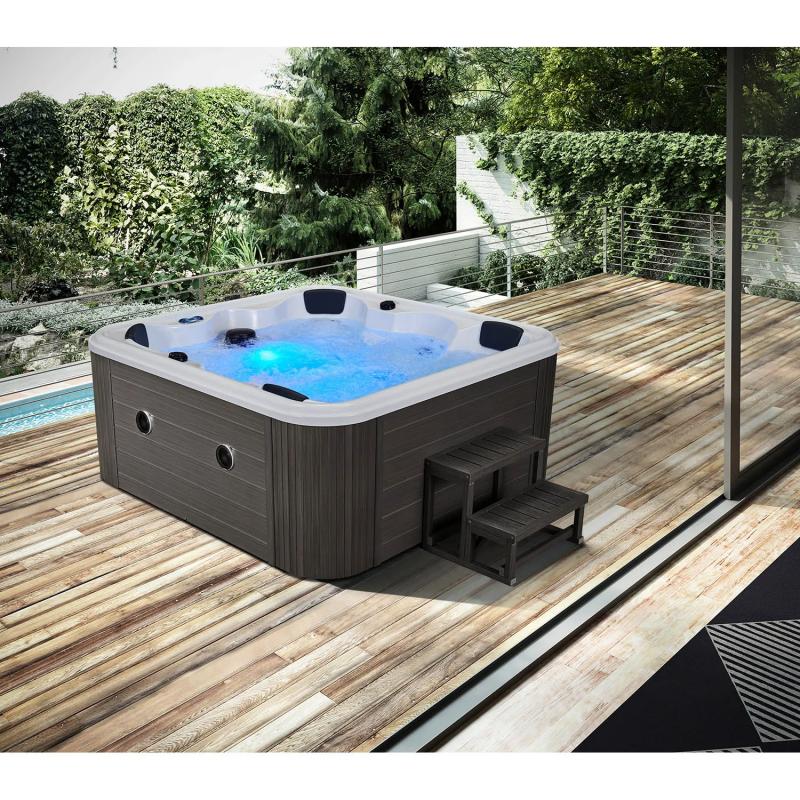
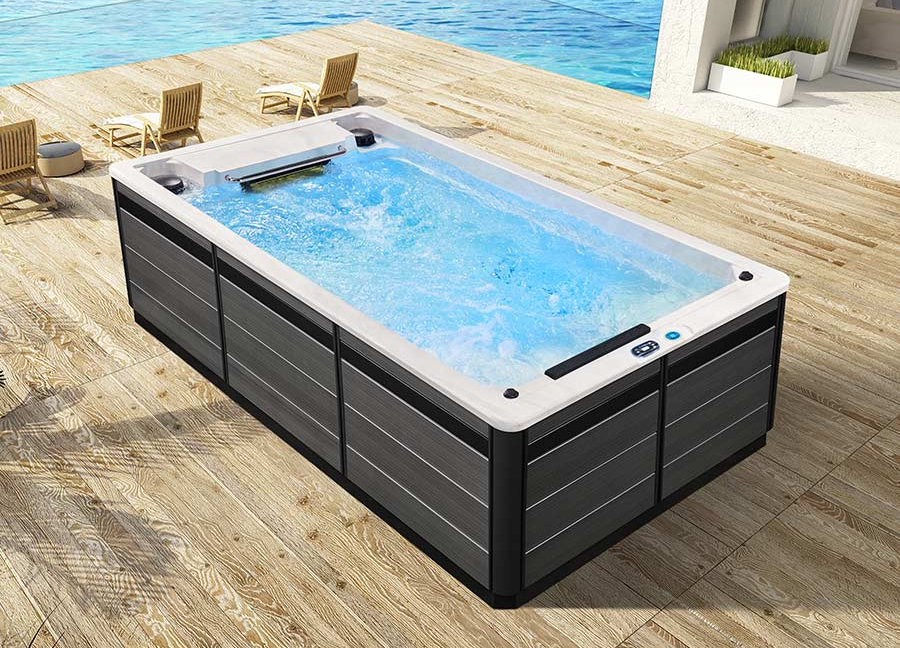
A spa hot tub consists of multiple systems, and not all systems rely on heating elements.
In other words, the term "hot tub" is merely a naming convention, not a limitation.
Functionally speaking, a hot tub can also operate in cold water mode.
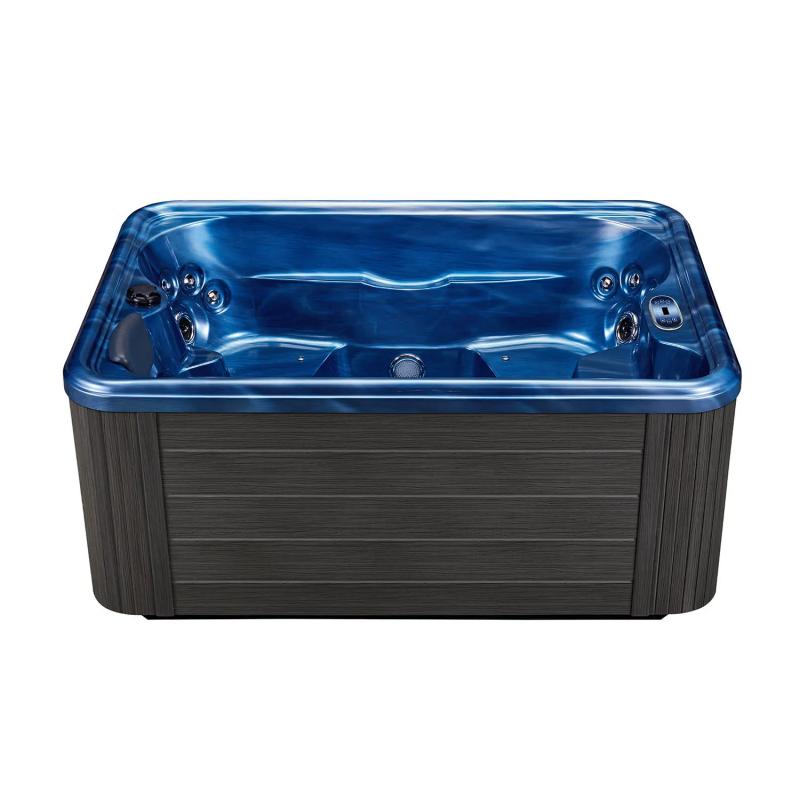
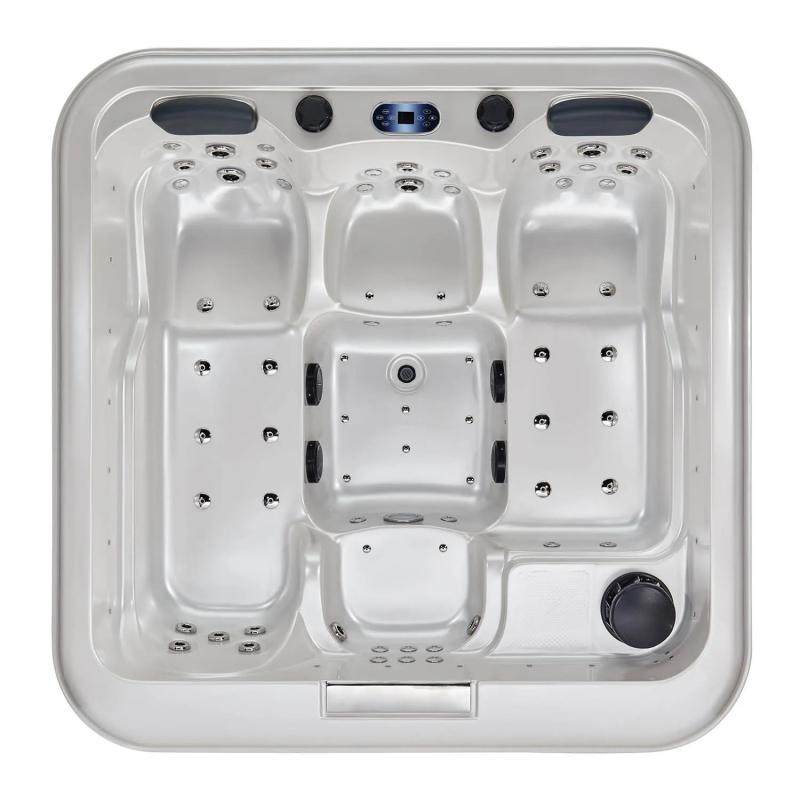
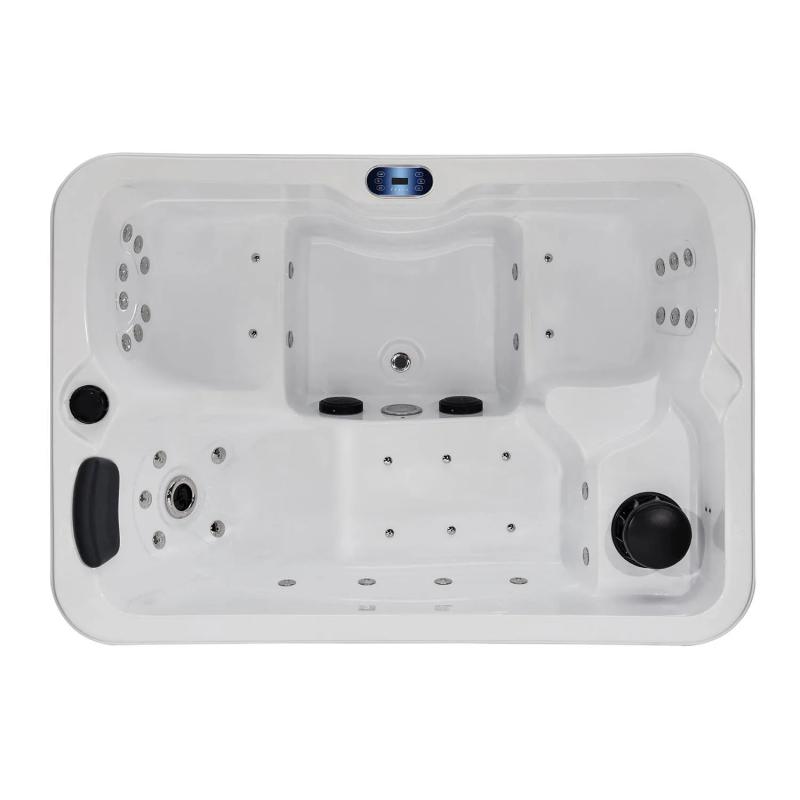
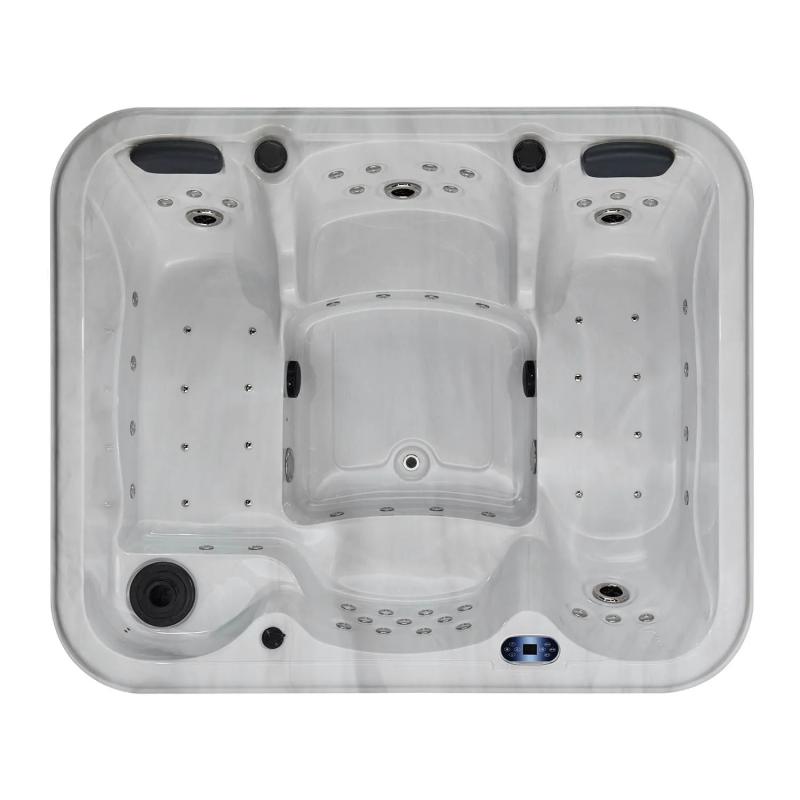
The jet heads are a core component of the whirlpool spa hot tub, and their function is not only to dispense water, but also crucial for massage, circulation, and water quality maintenance.
The high-pressure water flow and bubble jets from the jet heads can stimulate acupoints and muscle groups in different parts of the body.
Spa hot tub syndrome (Folliculitis) is an inflammatory skin reaction caused by Pseudomonas aeruginosa infection of hair follicles. This bacterium is ubiquitous in humid environments and thrives particularly well in warm, circulating water bodies such as whirlpool spa hot tubs, hydrotherapy pools, and spas.
Most people experience reduced stress, improved sleep, and more stable mood after 1–2 weeks of continuous use. This is a result of the gradual restoration of cortisol levels to a balance.
It is important to note that the stress-reducing effect of continuous use of the whirlpool spa hot tub is cumulative, not a one-time effect.