
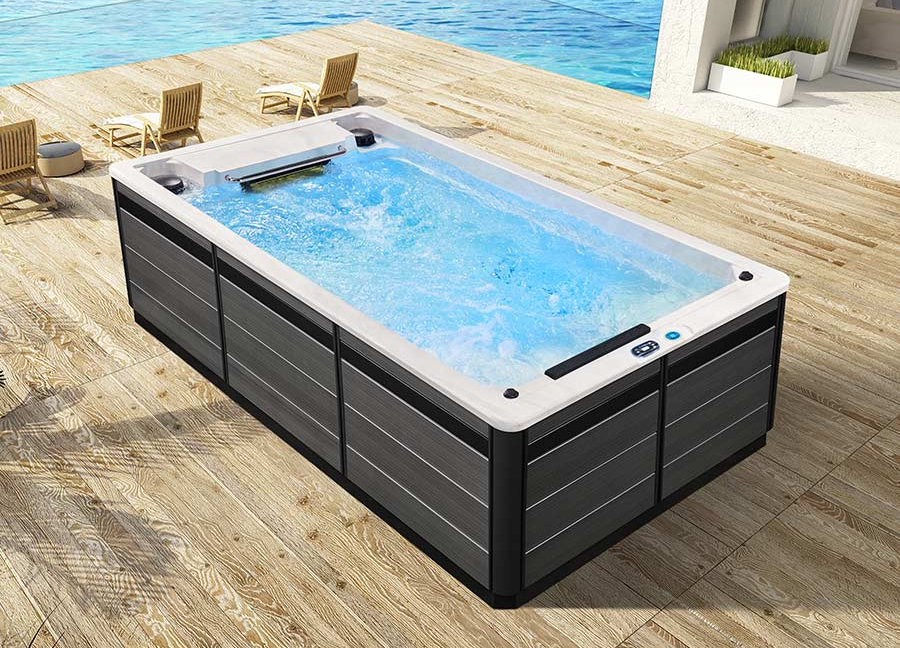
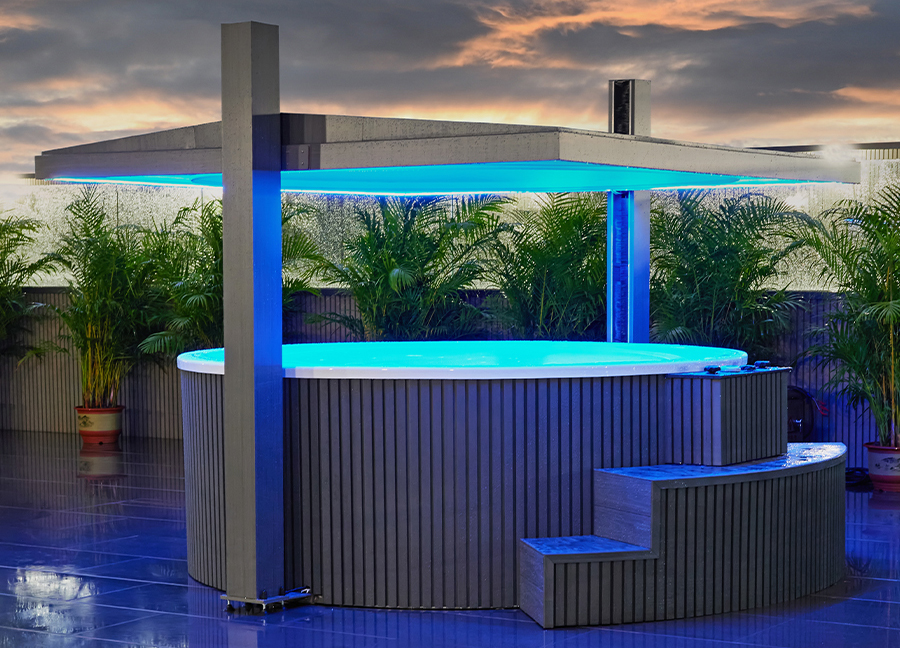

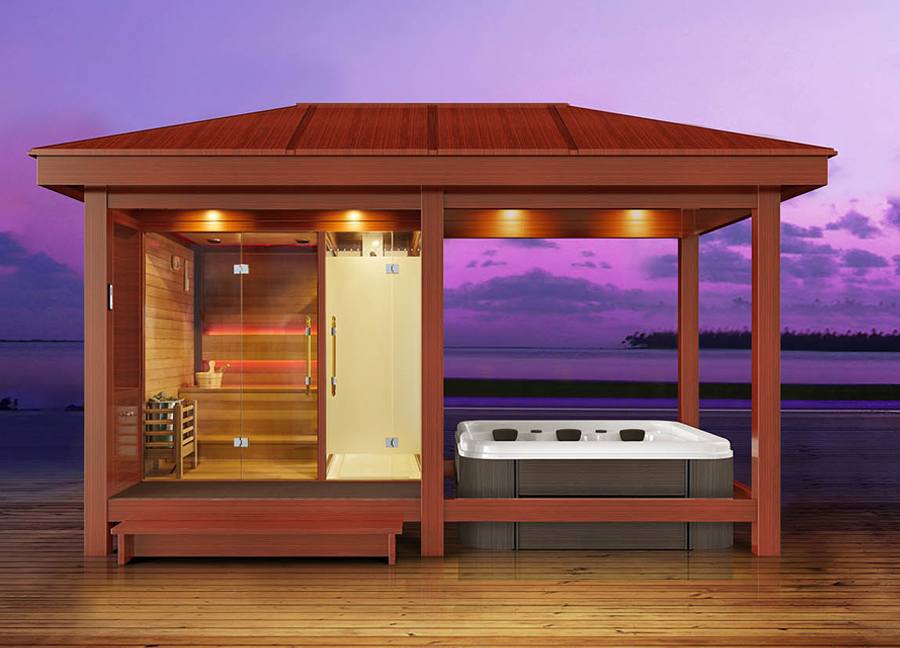


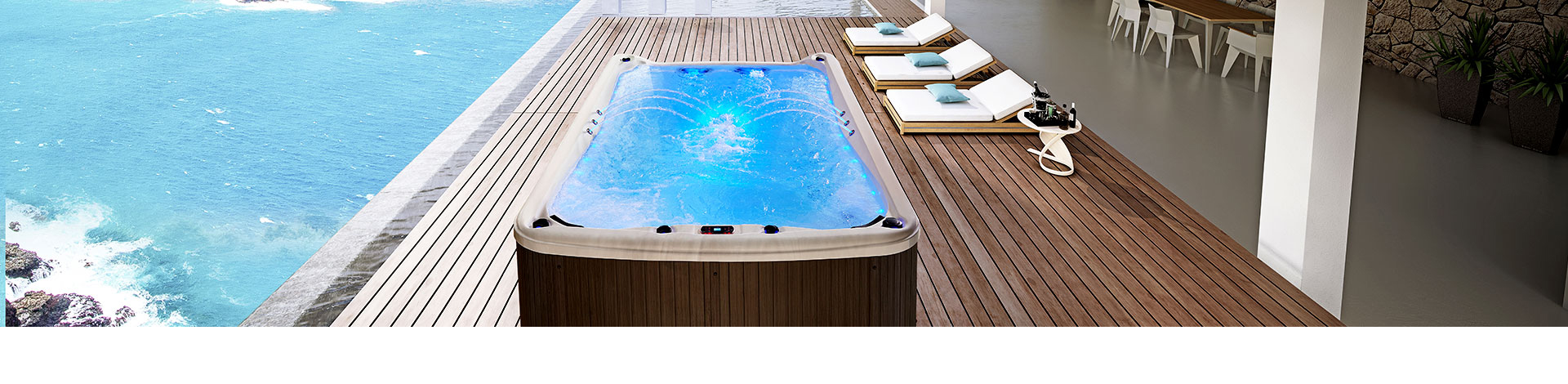
Spa hot tubs not only provide a comfortable bathing experience, but also soothe muscles, reduce stress, and enhance relaxation through warm water flow and massage jets. Many users want to enhance their bathing experience in their daily use, leading to a common question: Can I add magnesium to my whirlpool spa hot tub?
The answer is—yes, but very carefully. Concentration must be strictly controlled, and the potential impact on the equipment must be understood.
Adding magnesium, such as magnesium sulfate (Epsom salt), to the water in a spa hot tub is only acceptable if the salt content does not exceed the recommended range. Especially when the total salinity exceeds 1500 ppm, it may cause corrosion or damage to the internal components of the hot tub.
Therefore, it is crucial to understand the associated risks, usage limitations, and precautions before deciding whether to add magnesium.
The following will delve into this topic, helping you understand the correct way to use magnesium in a whirlpool spa hot tub from multiple perspectives, including equipment safety, water balance, permissible amounts, and risk impacts.
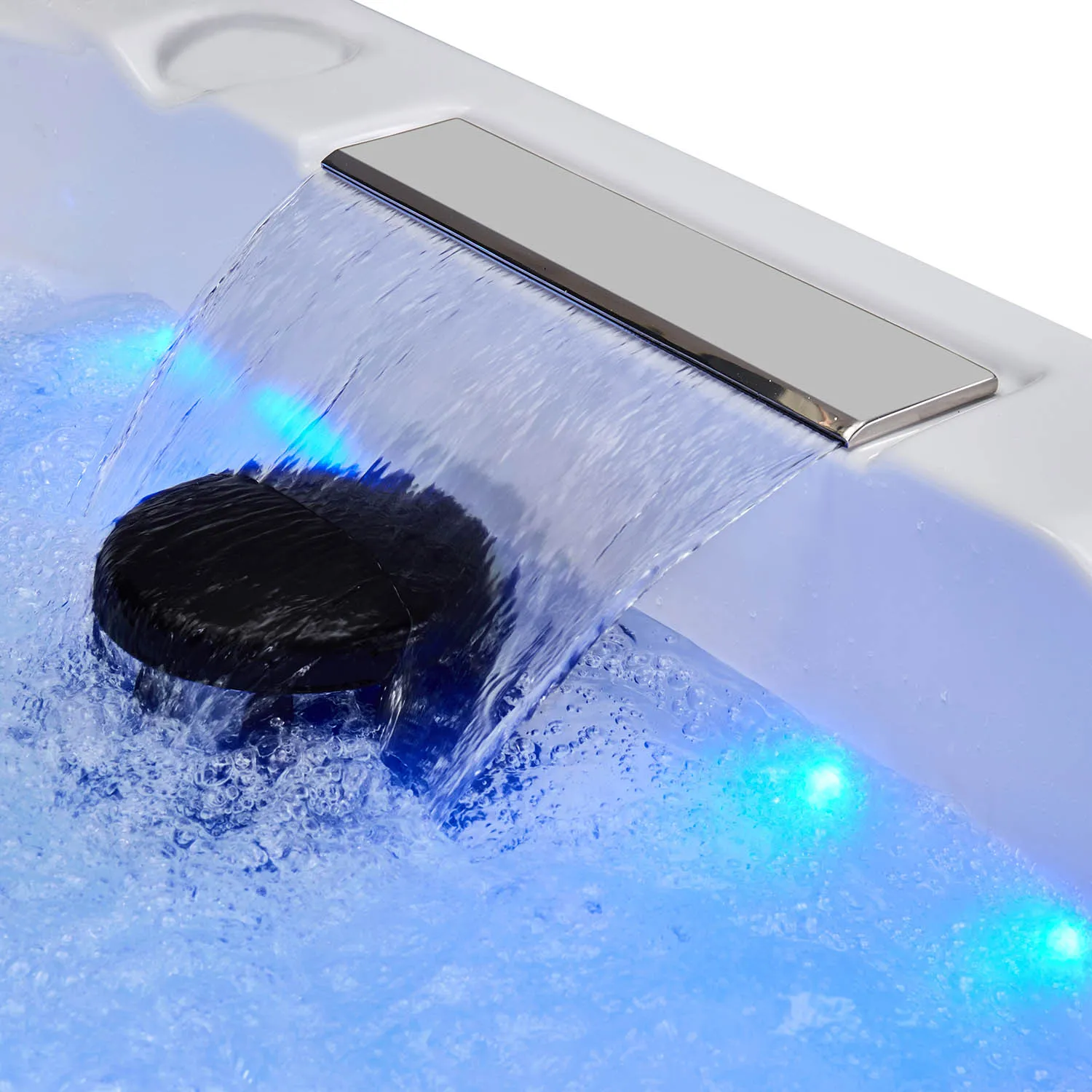
Why would anyone want to add magnesium to a spa hot tub?
Magnesium salts (such as magnesium sulfate) are favored by users for their muscle-relaxing properties. Many people believe that magnesium can provide the following benefits:
• Relaxing stiff muscles
• Slightly reducing joint tension
• Aiding in physical recovery
• Making the bathing experience more gentle
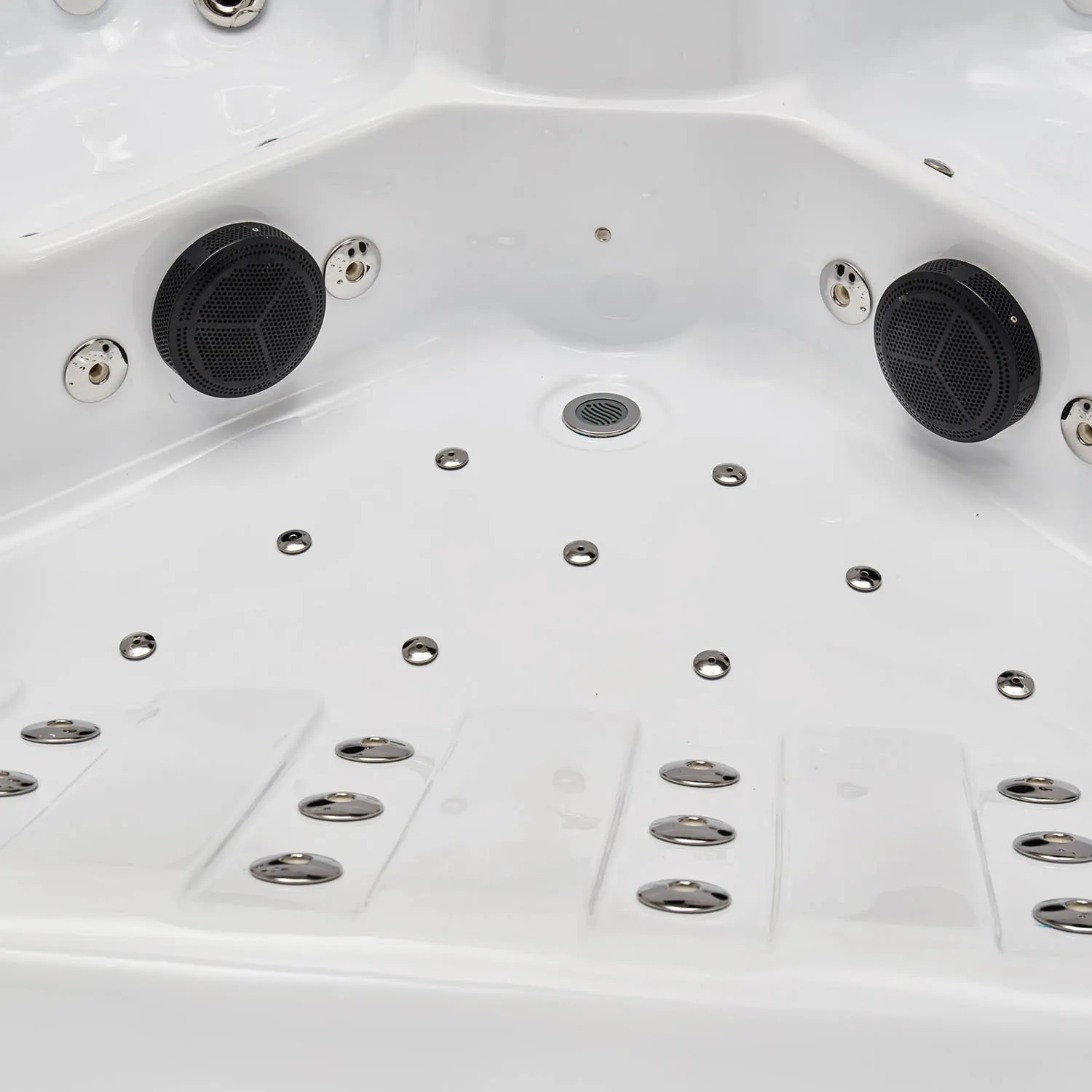
While these sensations may be effective in a regular foot bath, a whirlpool spa hot tub is entirely different from a regular bathtub. A hot tub is a circulating system equipped with heaters, pumps, nozzles, filters, etc., and anything added to the water must be considered for equipment compatibility.
Therefore, "whether or not to add magnesium" is not just a health issue, but also involves the safety and lifespan of the whirlpool spa hot tub system.
Is it safe to add magnesium to a spa hot tub?
From a health perspective, magnesium salts themselves are generally safe; the problem lies not with the human body, but with the equipment.
For whirlpool spa hot tubs, the core criterion for the safe use of magnesium is whether the total salinity (TDS) exceeds the equipment's tolerance range.
1. Acceptable Situations
• If the salt content is below 1500 ppm, adding an appropriate amount of magnesium generally will not immediately damage the equipment.
• If the product instructions explicitly state that a certain type of mineral additive can be used, it is permissible within the permitted range.
2. Unacceptable Situations
• If the addition results in a salinity exceeding 1500 ppm
• If the bathtub is not designed for a brine system
• If the user adds magnesium frequently and in large quantities over a long period
• If "magnesium bath crystals" containing fragrances or oils are used (which can contaminate the pipes)
In general, it can be used, but risks exist.
In particular, magnesium sulfate contains salt, which can affect the metal components, heater, and circulation system of a whirlpool spa hot tub.
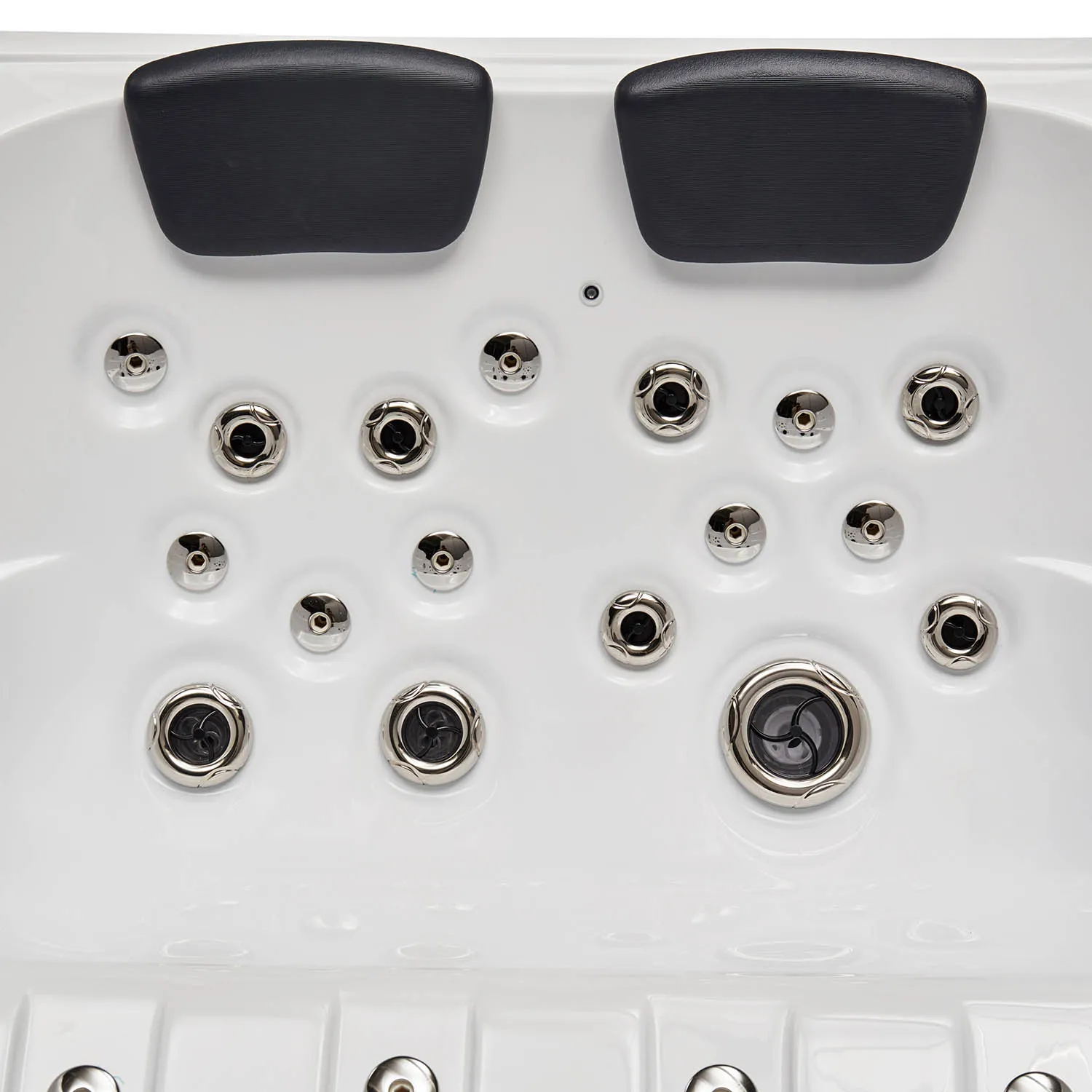
Which parts of a spa hot tub will be affected by adding magnesium?
This is crucial in deciding whether to use magnesium. Magnesium salts dissolved in water alter the water's chemical structure and may affect the following components:
1. Metal Heater
Salt can cause:
• Slow corrosion of metal surfaces
• Shortened heater lifespan
• Decreased heating efficiency
Corrosion is accelerated, especially at higher water temperatures.
2. Circulation Pump and Nozzle Assembly
Excessive salinity may cause:
• Internal metal wear
• Accelerated aging of some plastic parts
• Reduced lifespan of rubber seals
Long-term accumulation may lead to leaks or reduced power.
3. Filter System
Magnesium salts can affect the filter media, such as:
• Shortened filter life
• More frequent clogging
• Increased filter replacement costs
4. Piping and Fittings
Salinity may accelerate:
• Piping scale buildup
• Chemical precipitation formation
• Valve aging
These problems will reduce the overall performance of the whirlpool spa hot tub.
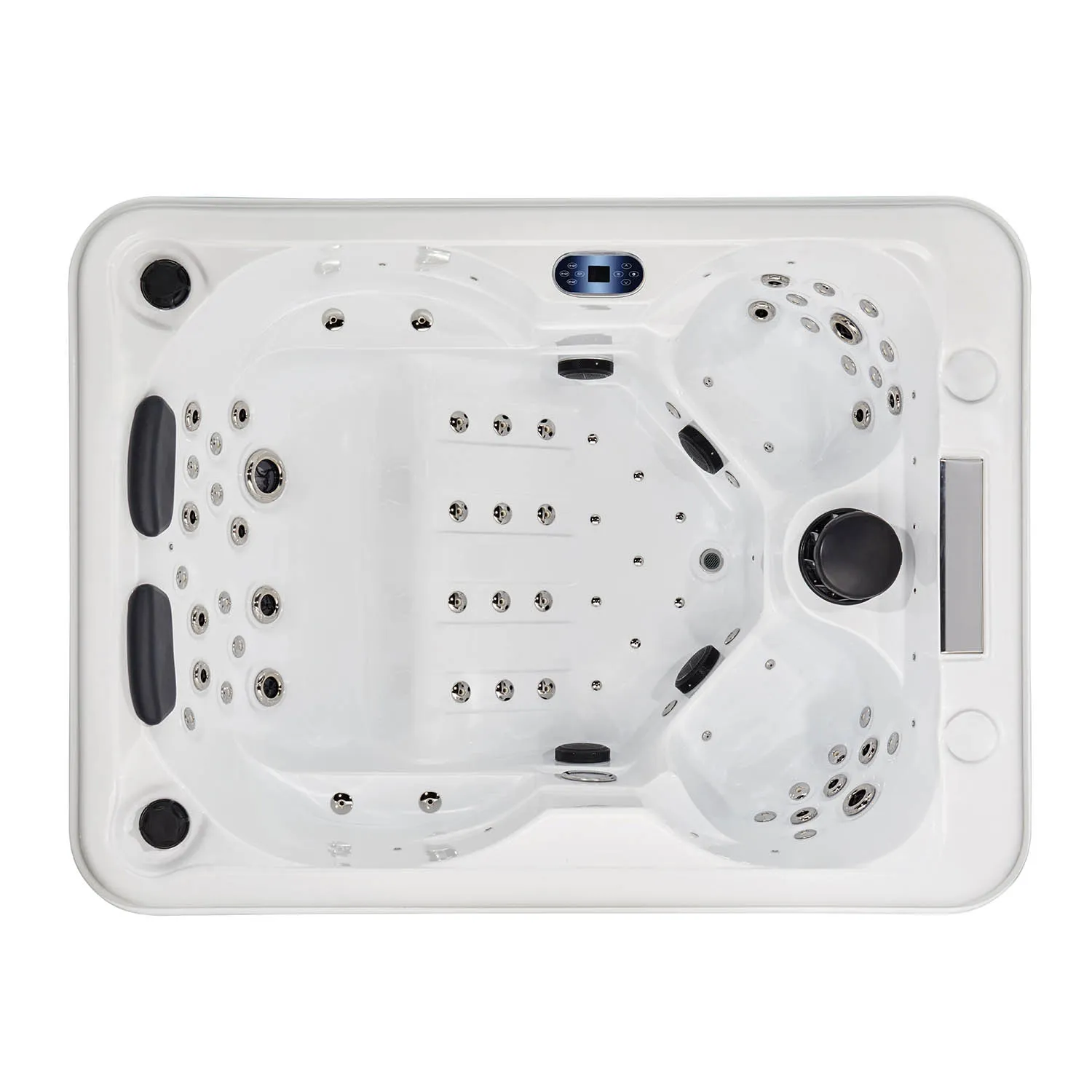
Will adding magnesium affect the water balance?
Yes, and significantly.
Spa hot tubs rely on a very precise water chemistry balance, especially:
• pH value
• Alkalinity
• Water hardness
• Disinfectant concentration
The addition of magnesium salts alters water hardness (especially magnesium hardness), potentially leading to:
• Slight pH fluctuations
• Alkalinity changes
• Accelerated biofilm formation
• Increased need for disinfectants to maintain water quality
Therefore, water quality must be retested immediately after each addition of any mineral.
How much magnesium can be used in a spa hot tub? How should the concentration be controlled?
This is crucial in determining the safe use of magnesium.
1. Total salinity must be kept below 1500 ppm
1500 ppm is the upper limit that most whirlpool spa hot tubs can tolerate.
Magnesium sulfate has a very significant salinity-increasing effect; even a small amount can drastically increase TDS.
2. Each addition should be extremely limited
It is generally not recommended to exceed:
• 1/4 cup (small amount)
• Or the recommended value for the spa brand's specific formula
Less is safer.
3. Testing Tools Required
• TDS Tester
• Hardness Test Strips
• pH/Alkalinity Reagent
Retesting is required after each use.
Which Magnesium Should You Choose? Is All Magnesium Suitable for Spa Hot Tubs?
Not all magnesium products are suitable.
1. Magnesium Products to Consider
• Magnesium Sulfate (Epsom Salt): Most common and closest to acceptable standards
• Mineral Additives Designed for Spa Hot Tubs (usually contain low-salinity magnesium)
2. Magnesium Products to Avoid
• Scented or Oily Bath Salts
• Luxury Bath Salt Blends
• Bath Salts Containing Essential Oils or Moisturizers
• Sea Salt Products (Higher Salinity)
• Bath Crystals with Unlisted Ingredients
These products can cause:
• Foaming
• Filter Clogging
• Pipeline Contamination
• Increased Risk of System Damage
When choosing magnesium products, be clear: Only use pure magnesium sulfate that is fragrance-free, oil-free, and additive-free, or spa-specific formulas.
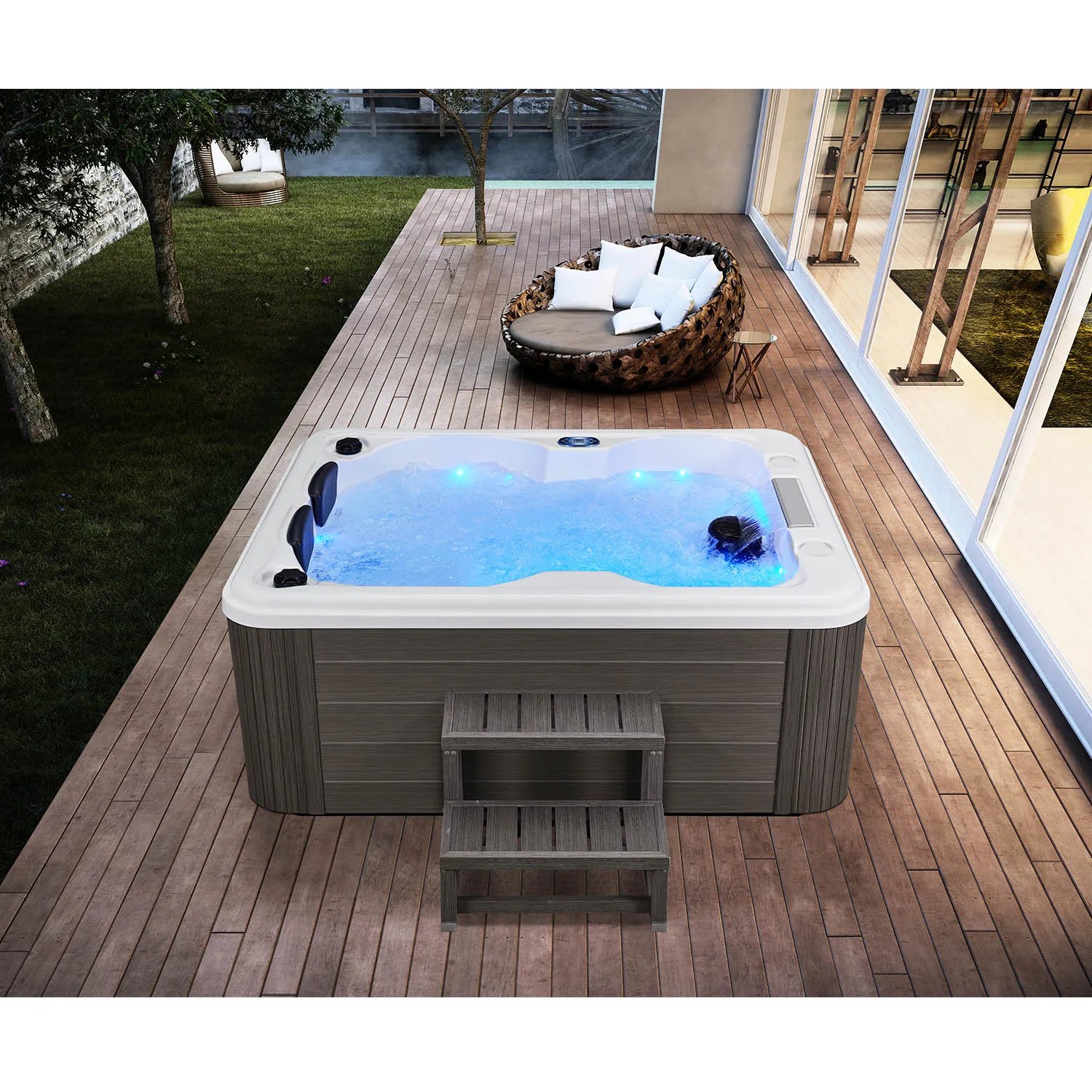
Why do many manufacturers advise against adding magnesium to spa hot tubs?
Because spa hot tubs are closed-loop systems; the heater, pump, nozzles, and filters all rely on a mild water chemistry environment to operate.
Any salty substance can:
• Increase corrosion risk
• Increase maintenance costs
• Increase the probability of malfunction
• Shorten the lifespan of internal components
From a protective perspective, manufacturers naturally tend to advise users against adding mineral-based substances.
Does magnesium cause foaming in spa hot tubs?
Possibly.
When the water contains:
• Fragrances
• Soap residue
• Oils
• Skincare ingredients
Magnesium may react with these substances, forming foam.
In particular:
• Epsom salt does not produce foam, but it makes existing foam more "stable."
• If the user has shower gel residue, the foaming will be more pronounced.
• If the water quality is unbalanced, magnesium will exacerbate foaming.
Therefore, if you decide to add magnesium, you must ensure your body is clean and use an anti-foaming agent regularly.
What precautions should be taken when using magnesium in a spa hot tub?
The following are safety guidelines that all users must follow:
1. Control the amount added
Less is safer; never add a large amount at once.
2. Continuously monitor water quality
Magnesium alters water structure; use test strips or pens to maintain balance.
3. Avoid using magnesium salts containing fragrances or oils
These components can remain in the pipes and cause long-term damage.
4. Enhance filtration after adding magnesium
After adding magnesium, you should:
• Run the circulation system for at least 30 minutes.
• Check if the filter needs flushing.
5. Do not add mineral supplements for extended periods unless the equipment indicates that mineral supplements can be used
An occasional problem may be minor, but the risk increases with long-term use.
6. Change the water regularly
If you add magnesium frequently, you should change the water more often.
If you don't want to take the risks, what alternatives are available?
If you want similar muscle-relaxing effects to magnesium but don't want to increase the salinity risks of a whirlpool spa hot tub, consider the following alternatives:
1. Use spa-grade mineral soothing agents
These products:
• Low salinity
• Non-corrosive
• Foam-free
• Equipment-friendly
2. Choose dedicated aromatherapy tablets
Oil-free, foam-free, and residue-free aromatherapy products designed specifically for hot tubs.
3. Supplement magnesium before and after soaking
For example:
• Oral magnesium supplements
• Epsom salts for foot baths
• Epsom salts in a regular bathtub (no risk to equipment)
These methods avoid damaging your spa hot tub while preserving the relaxing effects of magnesium.
So, can you put magnesium in a spa hot tub?
Yes, you can, but large amounts or frequent use are not recommended.
The following principles must be understood before use:
• ✔ Small amounts of magnesium generally will not immediately damage a whirlpool spa hot tub.
• ✔ Total salinity must be below 1500 ppm.
• ✔ Only use pure magnesium sulfate that is fragrance-free and oil-free.
• ✘ Do not use bath salts, soaking salts, or sea salt products.
• ✘ Do not add excessive amounts or use too frequently.
• ✘ Continuous monitoring and maintenance of water balance are essential.
For most users, to protect the equipment, it is best to avoid adding magnesium or limit its use to occasional small amounts.
Are Yuehua’s products suitable for both residential and commercial use?
Absolutely. Yuehua manufactures high-quality outdoor spas, swim spas, steam rooms, and saunas engineered for both home users and commercial facilities such as hotels, gyms, resorts, and wellness centers. Our strong fiberglass reinforcement, energy-efficient systems, and durable frames ensure a long service life.
For commercial buyers, we provide wholesale purchasing programs, discount promotions, and OEM branding options.