


With the increasing emphasis on health and comfort in modern homes and public recreational facilities, steam shower rooms, as multifunctional bathroom fixtures combining showering and steam sauna functions, are gaining more and more attention. Many people often worry about one question when purchasing and using a steam shower room: "Does a steam shower room use a lot of water?"
This article will systematically analyze the water consumption principle, usage habits, equipment design, water-saving mechanisms, and daily maintenance of a steam shower room, scientifically explaining why its water consumption is not high.
What is a Steam Shower Room?
1. Definition of a Steam Shower Room
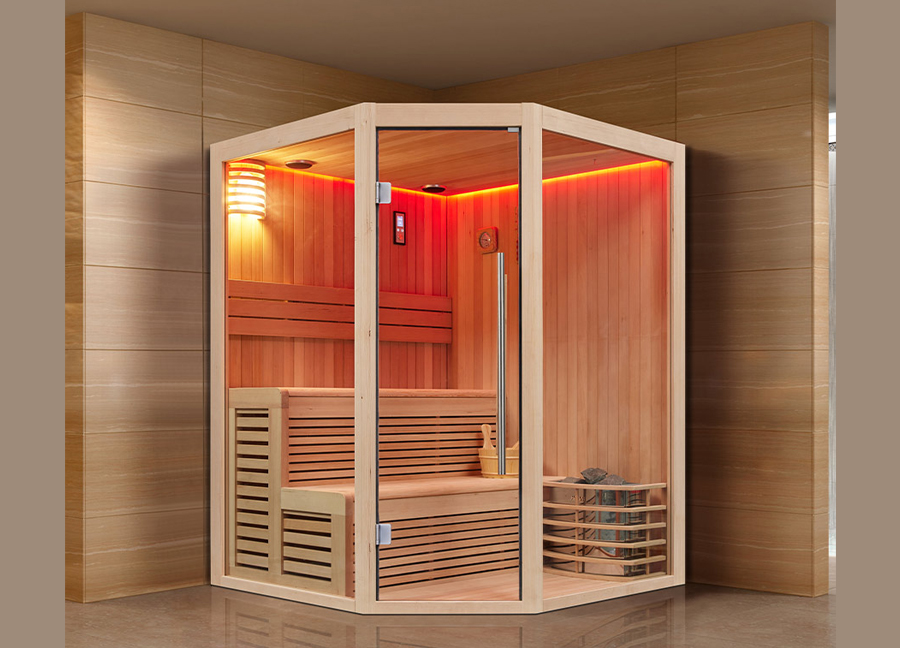
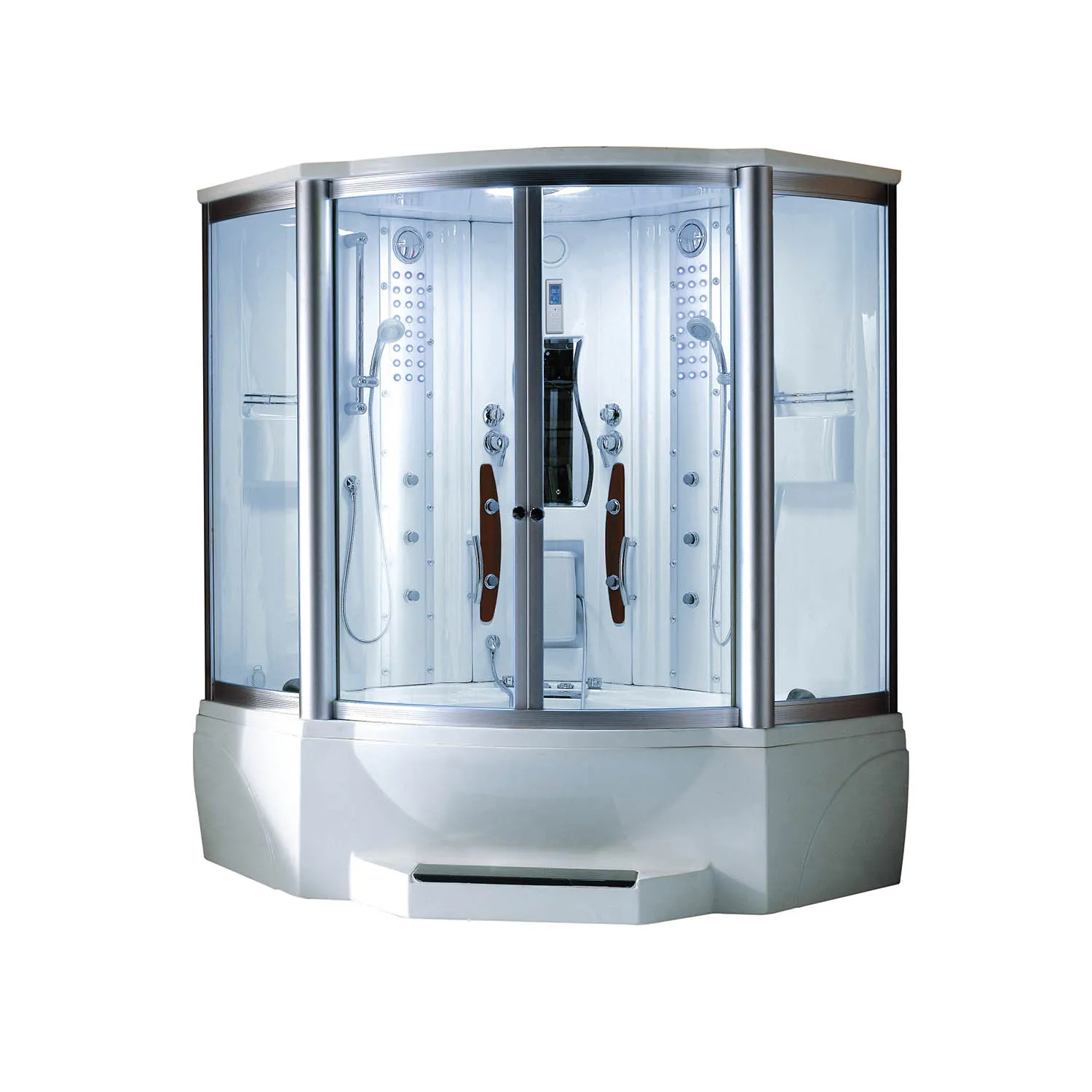
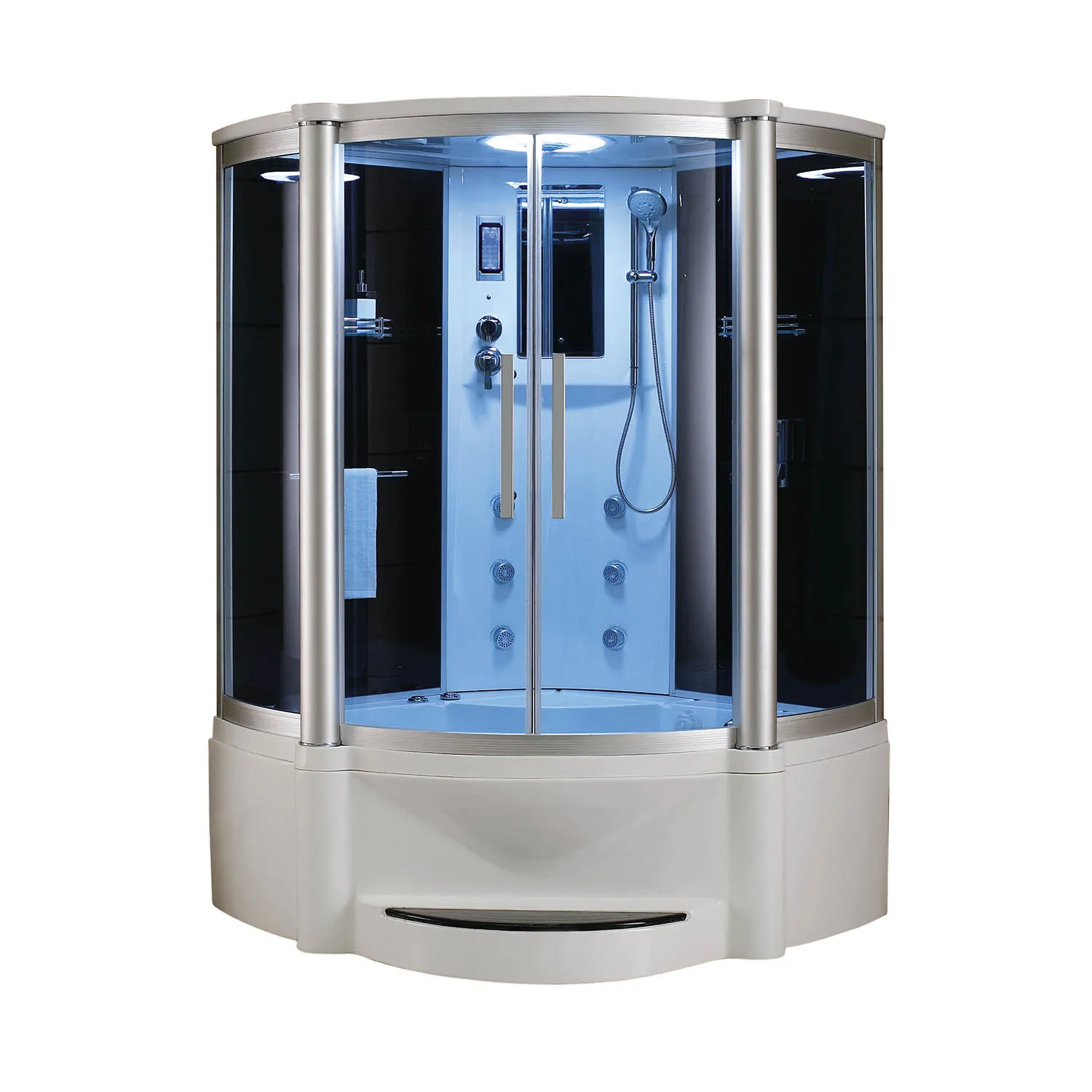
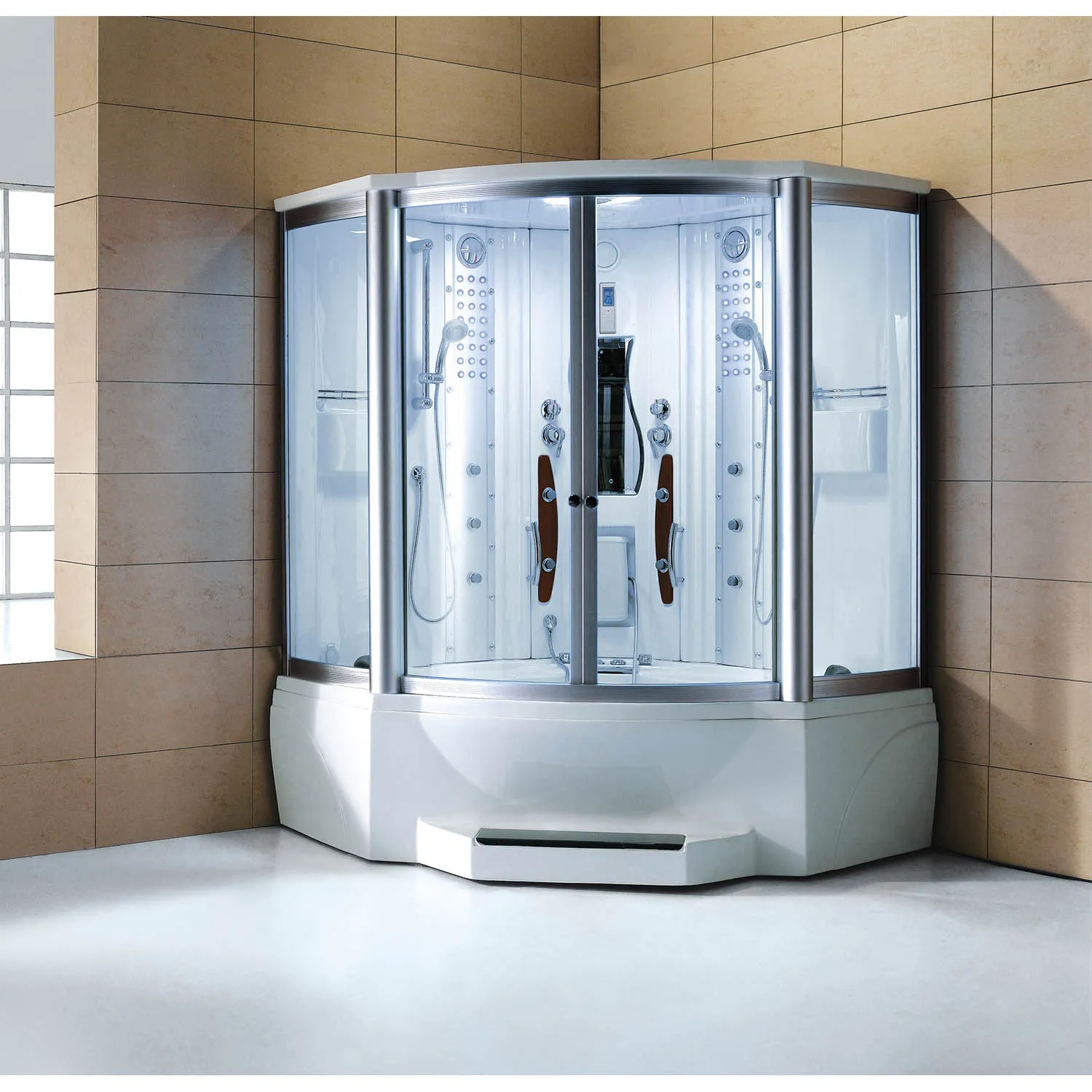
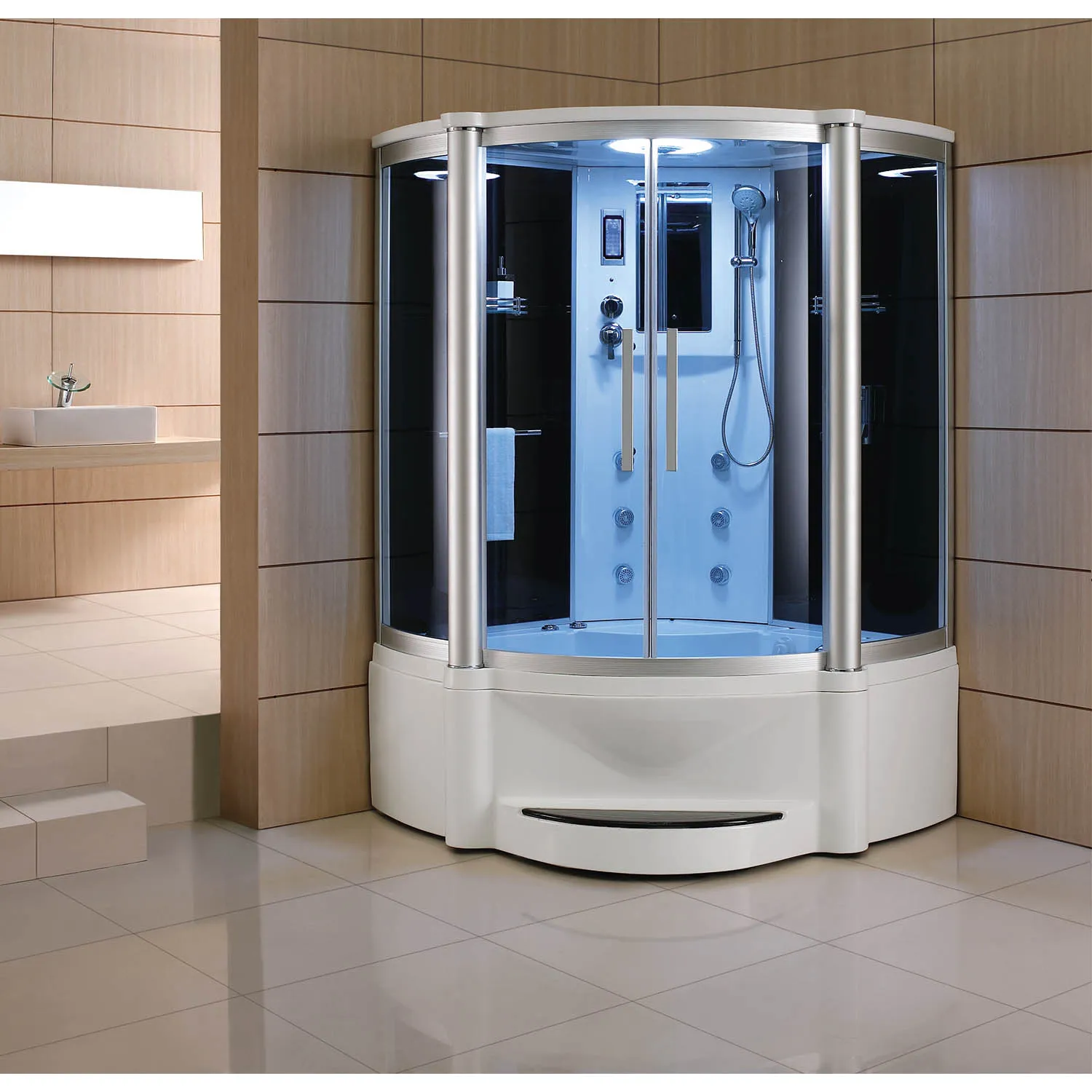
A steam shower room is an enclosed bathroom space that combines steam sauna and shower functions. It creates a humid environment through high-temperature steam while providing hot and cold shower functions, allowing users to complete a comprehensive experience of sauna, showering, relaxation, and cleaning in the same space.
Its core features include:
• High-efficiency steam system: Water is heated to produce steam through a steam generator, with humidity typically between 40% and 70%.
• Shower Function: Integrates multiple water flow modes including handheld showerhead, overhead spray, and side spray to meet daily rinsing needs.
• Smart Control: Temperature, humidity, steam volume, and shower water flow can be independently adjusted for a personalized user experience.
• Enclosed Space Design: Retains steam heat, reducing heat loss and steam consumption.
2. Impact of Working Principle on Water Consumption
The water consumption of a steam shower room is mainly affected by the working principles of the steam generator and the shower system:
• Low water consumption of the steam generator: The steam generator heats water to produce steam, using approximately 2-5 liters of water per hour, far lower than the water consumption of a typical household shower.
• Controllable water volume of the shower system: The handheld showerhead and thermostatic valve allow for adjustable water flow intensity, with each shower typically using 20-40 liters of water, not significantly more than a traditional shower.
• Enclosed space reduces steam loss: Effectively retains steam, reducing the waste of repeatedly adding water.
Therefore, it is evident that the steam shower room was designed with water conservation in mind, resulting in relatively low water consumption.
Does a steam shower room consume a lot of water?
1. Water Consumption in Steam Mode
In steam mode, a steam shower room primarily consumes water for steam generation:
• The amount of water used to generate steam is relatively small, generally about 2-5 liters per hour.
• The steam circulates within the enclosed space, preventing immediate water loss, thus reducing water consumption.
• If the room is small (2-3 square meters), the steam lasts longer, but the water consumption remains limited.
Compared to traditional showers, the steam generated in steam mode has a greater impact on comfort, but the actual water consumption is extremely low, achieving an efficient and comfortable humid environment.
2. Water Consumption in Shower Mode
The shower system in a steam shower room is similar to a regular shower, but incorporates water-saving designs:
• Thermostatic valve and flow control valve: Control the water flow, avoiding excessive waste.
• Handheld shower mode: Can be used as needed, reducing unnecessary water consumption.
• Top and side showerheads: Utilize air-mixing technology to create a full water flow while reducing actual water volume.
A typical shower consumes approximately 20-40 liters of water, and the steam shower room's shower function, used for a short period, does not significantly increase water consumption compared to a regular shower.
3. Overall Water Consumption
Assuming a user uses the steam shower room for a combined experience (15 minutes of steam + 10 minutes of shower):
• Steam water consumption: Approximately 3-4 liters
• Shower water consumption: Approximately 25-30 liters
• Total water consumption: Approximately 28-34 liters
Compared to the 30-50 liters of water used in a traditional shower, the overall water consumption of a steam shower room is not high, and is even slightly lower for the same duration.
What factors affect the water consumption of a steam shower room?
Although the steam shower room itself does not consume much water, it is still affected by several factors:
1. Room airtightness
• A well-sealed room reduces steam loss and lowers steam water consumption.
• If the door seal is not tight or there are gaps, steam will dissipate quickly, requiring frequent water replenishment of the steam generator, increasing water consumption.
2. Steam Generator Power and Capacity
• High-power steam generators produce steam quickly, but consume slightly more water.
• Low-power steam generators produce steam more slowly, but overall water consumption remains within a controllable range.
• Matching the capacity to the room size avoids frequent water replenishment, improving water-saving efficiency.
3. User Habits
• Steam usage duration: Excessive steam usage increases water consumption, but usually does not exceed 5 liters/hour.
• Shower water flow intensity: High-flow showers increase water consumption, but a throttle valve can effectively control it.
• Alternating usage: Properly arranging the sequence of steam and showering can optimize water consumption and steam efficiency.
4. Water Temperature Settings
• Heating the water temperature too high with the steam generator increases energy consumption, but has little impact on water consumption.
• Shower water temperatures that are too high or too low will cause users to increase showering time, indirectly increasing water consumption.
Water Consumption Comparison between Steam Shower Rooms and Traditional Showers
Project | Traditional shower | Steam shower room |
| Water consumption per use | 30-50 liters | 28~34 liters |
Steam water consumption | None | 2~5 liters/hour |
| Functionality | Single shower | Shower + Steam sauna |
| Water-saving design | Very few | Thermostatic valve, throttle valve, air mixing nozzle |
| User experience | Regular rinse | Humid sauna + shower |
As the table shows, steam shower rooms consume significantly less water. Through water-saving design and intelligent control, they achieve higher water utilization and a more comfortable experience than traditional showers.
Steam Shower Room Water Conservation and Usage Optimization Suggestions
To further reduce water consumption in steam shower rooms, users can take the following measures:
• Optimize steam time: Steam saunas do not need to be run continuously for extended periods; 10-15 minutes is sufficient to achieve the ideal humid and warm effect.
• Use throttling valves and thermostatic valves: Adjust the water flow intensity during showering to avoid high-flow waste.
• Optimize the alternation of use: Steaming before showering reduces shower time and improves comfort.
• Maintain airtightness: Ensure doors and windows are sealed to prevent steam loss and frequent water refills.
• Regularly maintain the steam generator: Prevent scale buildup and improve steam efficiency, indirectly reducing water consumption.
With proper use, steam shower rooms not only provide a comfortable humid and warm experience but also excel in water conservation.
Technical Reasons for the Low Water Consumption of Steam Shower Rooms
The fundamental reason for the low water consumption of steam shower rooms lies in their technological design:
• Efficient steam generator: A small amount of water can produce a large amount of steam, providing a sauna effect.
• Enclosed enclosure reduces steam loss: Steam does not escape, maintaining a humid and warm indoor environment and reducing the need for frequent water refills.
• Water-saving shower head design: Air-mixing technology ensures a full water flow without increasing water volume.
• Intelligent temperature control system: Precisely regulates steam output and shower water temperature, avoiding waste.
Therefore, in principle, a steam shower room is a water-saving and multifunctional bathroom appliance.
Impact of Daily Maintenance on Steam Shower Room Water Consumption
• Steam generator descaling: Prevents scale buildup leading to frequent water refills or insufficient steam.
• Shower head cleaning: Ensures smooth water flow and prevents excessive or uneven flow.
• Sealing strip inspection: Ensures the door is properly sealed, reducing steam loss.
• Unobstructed drainage system: Promptly drain shower water to prevent water buildup and increased demand for secondary steam.
Good maintenance not only extends equipment lifespan but also further ensures the water-saving performance of the steam shower room.
Can Yuehua provide marketing materials for distributors who want to promote spa and sauna products?
Yes. Yuehua supports global partners by offering high-resolution product photos, videos, technical specifications, installation guides, and brand-free promotional materials. These resources help distributors launch sales campaigns quickly without additional investment. As a manufacturer and supplier in China, we understand the importance of strong marketing support, especially for wholesalers.
Therefore, we also provide discount programs, cheap package deals, and customized brochures when needed.