Yes. Soaking in a spa hot tub for two hours consecutively may offer psychological and muscular relaxation benefits, but it also carries health risks such as dehydration, dry skin, cardiovascular strain, and dizziness.
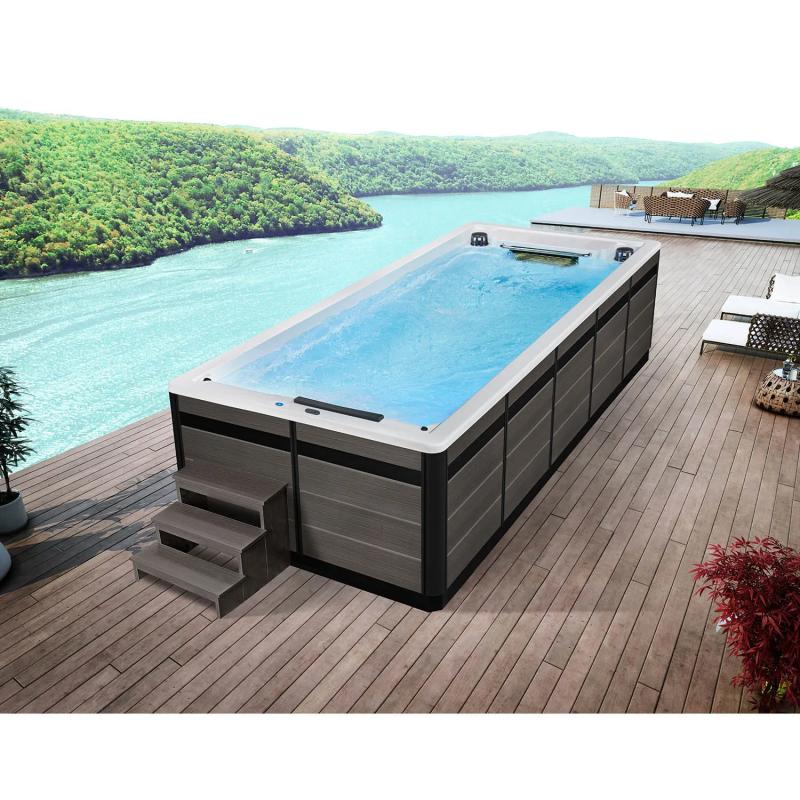
For most home and luxury swim spa tubs, a concrete slab is the safest and most reliable foundation. A concrete slab prevents damage from tilting, settlement, and vibration, extending the lifespan of the equipment.
Soaking in a spa hot tub for more than 15 minutes causes the hot water to dissolve the skin's lipid barrier, weakening its natural moisturizing barrier.
The result is that while the skin feels moist for a short time after soaking, the moisture evaporates quickly, leaving a tight and dry feeling.
Studies show that bacteria multiply fastest in water temperatures between 35–42°C, which is precisely the operating temperature range of a spa hot tub. Therefore, if the water is not changed or cleaned regularly, each milliliter of water may contain hundreds of thousands to millions of bacteria and microorganisms.
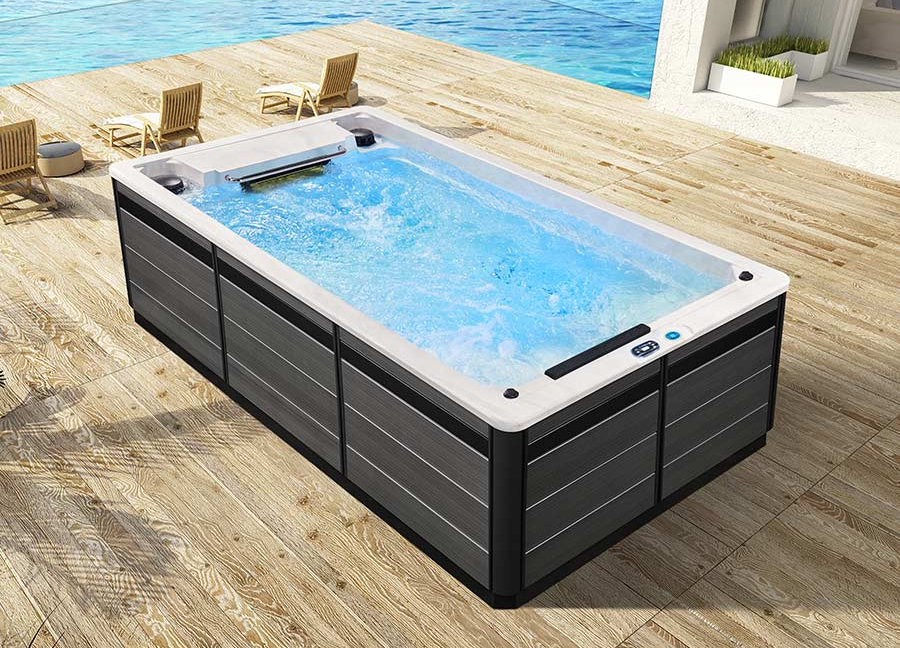
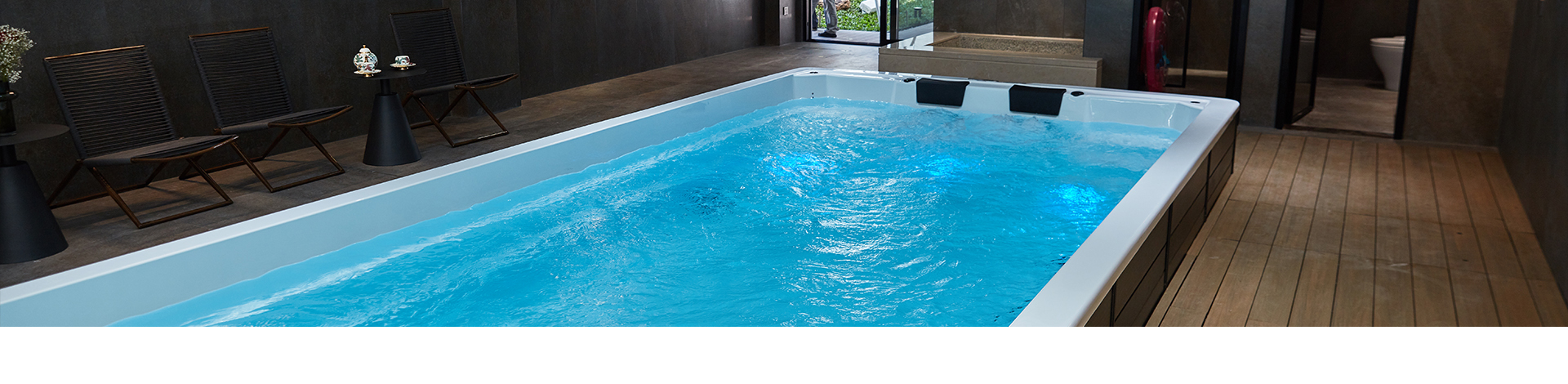
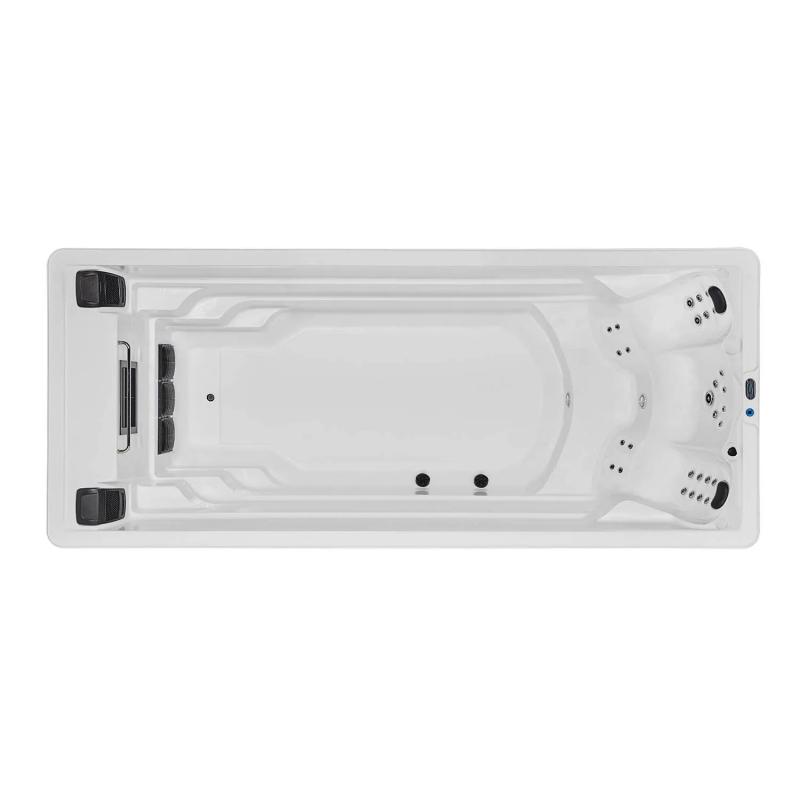
In a traditional swimming pool, swimming relies on the length of the pool to complete the back-and-forth motion; in a swim spa tub, swimming relies on resisting the water current. When the water flow speed and the swimmer's speed are balanced, the user can swim continuously in a fixed position.
To ensure efficient and safe operation, the following items must be kept away from the spa hot tub:
Bubble bath liquid, shower gel, soap, shampoo
Essential oils, aromatherapy oils, oil-based fragrances
Food or beverages
Pool chemicals
Non-spa-specific cleaning agents etc.