



In modern life, mental health issues are receiving increasing attention. As a common mood disorder, depression affects the quality of life for many people. Consequently, people are seeking various methods to help alleviate stress and improve their mood—one of which involves using a whirlpool spa hot tub for relaxation.
Many people often ask the following question:
Can a spa hot tub help with depression?
From a scientific perspective, a whirlpool spa hot tub is not a medical treatment for depression, nor can it serve as a substitute for professional psychotherapy or medical treatment. However, when used appropriately, a spa hot tub can indeed help—to a certain extent—to improve one's emotional state, alleviate stress, and promote both physical and mental relaxation.
To understand this, we must analyze the issue from multiple angles, including physiological responses, psychological experiences, and environmental factors. The warm aquatic environment and relaxing atmosphere provided by a whirlpool spa hot tub may have a positive impact on one's mood; however, this impact typically serves as an *auxiliary* aid for relaxation rather than a primary therapeutic intervention.
In the following sections, we will explore this topic in greater depth from various perspectives.
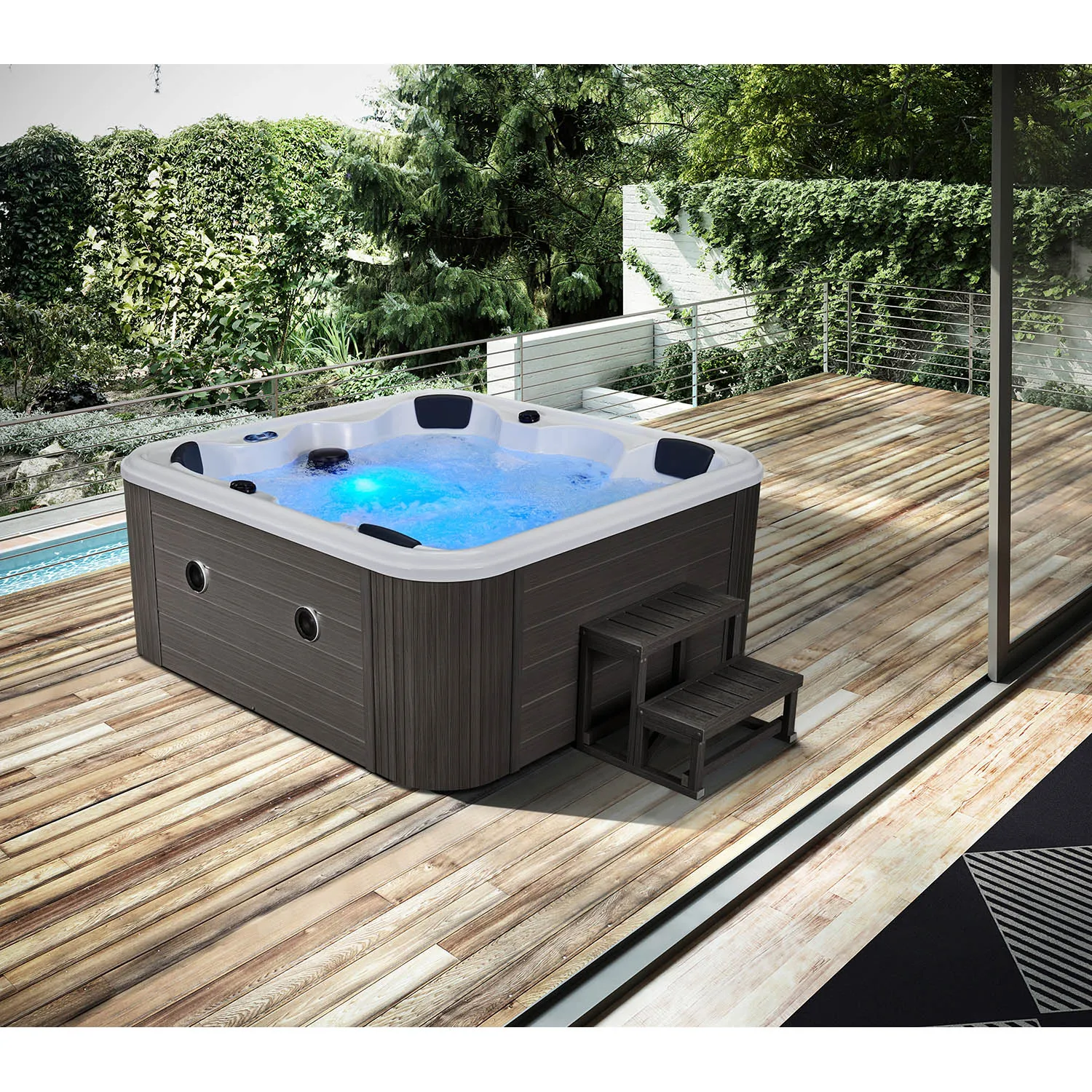
Why Do People Believe Spa Hot Tubs Can Improve Mood?
When people step into a spa hot tub, they typically experience several distinct sensations:
•The sensation of warm water enveloping the body
•The soothing feeling provided by hydro-massage jets
•A quiet, relaxing environment
•The sense of lightness and ease provided by the water's buoyancy
These factors work in concert to create a profound sense of relaxation. For individuals experiencing emotional tension or high levels of stress, this relaxing experience can offer temporary relief from feelings of anxiety and tension.
Consequently, many people report feeling an improvement in their mood after using a spa hot tub. This subjective experience has led to the perception of whirlpool spa hot tubs as a beneficial tool for promoting psychological relaxation.
However, it is crucial to clarify that this effect typically constitutes short-term emotional relief rather than a clinical treatment for depression.
Does the Warm Water Environment in a Spa Hot Tub Affect Mood?
Water temperature is one of the most defining characteristics of a whirlpool spa hot tub. Warm water can trigger various physiological responses within the human body, such as improved blood circulation, muscle relaxation, and the alleviation of physical tension.
When the body is immersed in a warm, comfortable environment, the nervous system typically transitions gradually from a state of tension to a state of relaxation. For individuals who have been under prolonged stress or suffering from chronic fatigue, this physiological shift can provide a profound sense of comfort and relief. In this context, using a spa hot tub may evoke feelings of:
•Physical relaxation
•Reduced mental stress
•Temporary emotional stability
This experience of physical and mental relaxation may, to some extent, help improve one's emotional state.
Does the hydro-massage feature of a spa hot tub help relieve stress?
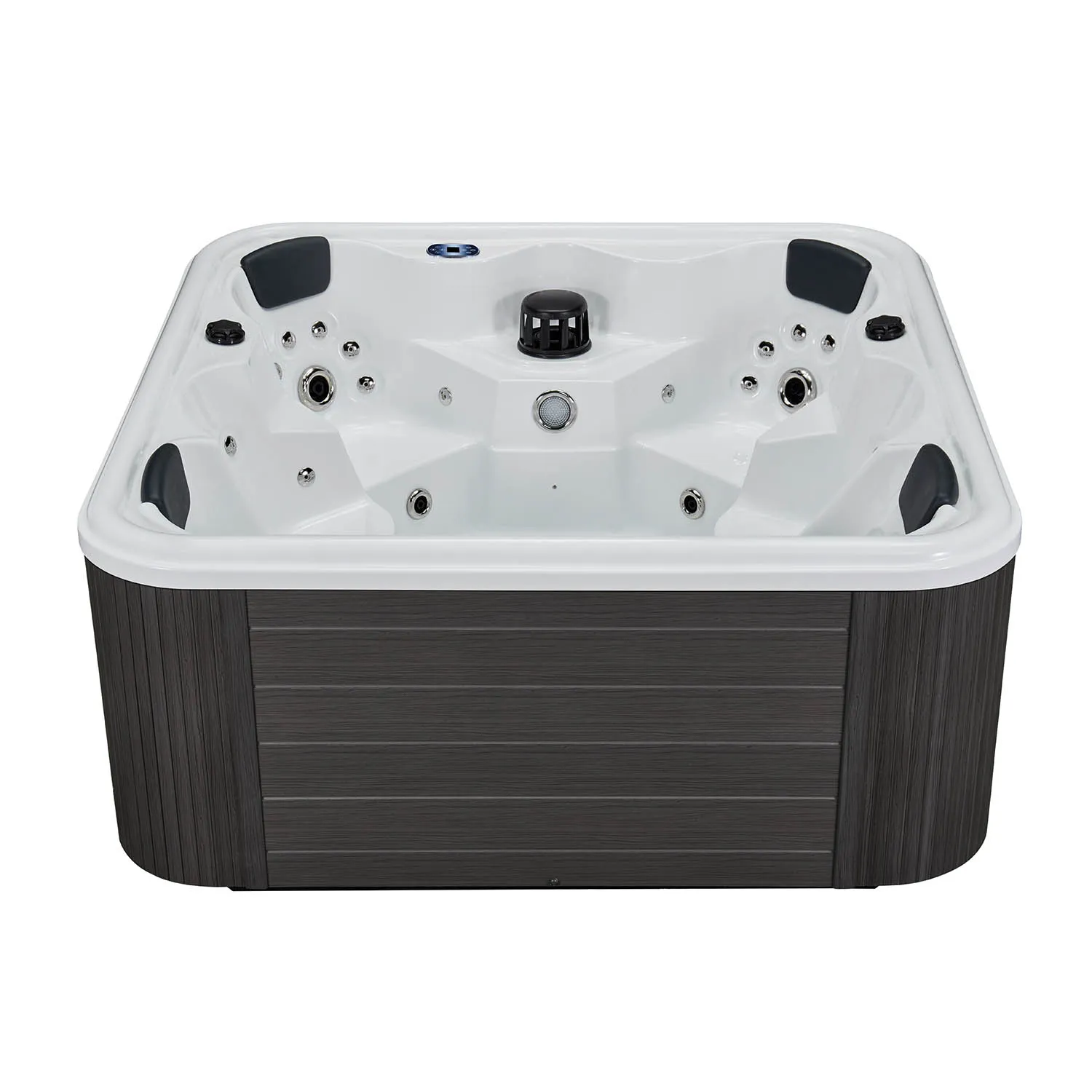
In addition to warm water temperatures, spa hot tubs are typically equipped with hydro-massage systems. These systems generate gentle or powerful water pressure through jets, providing a massage effect to various parts of the body.
This hydro-massage may induce the following sensations:
•Relief from muscle tension
•Relaxation of the shoulders, neck, and back
•A reduction in physical fatigue
Physical relaxation often influences one's psychological state. When muscle tension is alleviated, people typically feel more comfortable and calm. Consequently, the hydro-massage feature of a whirlpool spa hot tub may, to a certain degree, help alleviate feelings of stress.
For individuals experiencing low moods, this physical relaxation may provide a measure of psychological relief.
Can using a spa hot tub help improve sleep?
There is a close relationship between sleep issues and emotional well-being. Many emotional difficulties are accompanied by a decline in sleep quality—manifesting as difficulty falling asleep, waking up during the night, or experiencing shallow sleep.
The warm environment and relaxing experience provided by a whirlpool spa hot tub may, to some extent, help the body transition into a more relaxed state. As the body gradually relaxes, falling asleep may become easier.
For some individuals, using a spa hot tub in moderation before bedtime may result in the following sensations:
•Alleviation of physical fatigue
•A quieting of mental activity
•Greater ease in falling asleep
If sleep quality improves, one's emotional state may also see a corresponding improvement.
However, it is important to note that this effect does not constitute a treatment for clinical depression itself, but rather serves as an aid to improving one's overall quality of life.
Why does the relaxing environment provided by a spa hot tub influence emotions?
The environment plays a crucial role in influencing emotions. When people are situated in noisy, tense, or high-stress environments, their emotions are often more susceptible to negative impacts.
In contrast, a spa hot tub typically offers a completely different environmental experience, characterized by:
•A quiet space
•Warm water
•A relaxed physical posture
•Reduced external distractions
This environment helps individuals temporarily disengage from the pressures of daily life. When one's attention is diverted away from work-related or personal stressors, a sense of emotional relief often ensues. Therefore, a whirlpool spa hot tub is not merely a piece of equipment; the environment it creates can also have a certain impact on one's psychological state.
Can a spa hot tub serve as a substitute for depression treatment?
This is a very important question.
While a spa hot tub may offer relaxation and emotional relief, it cannot replace any professional treatment methods for depression. Depression is a complex mental health issue that typically requires professional medical or psychological intervention.
The primary benefits a spa hot tub can provide include:
•Promoting physical relaxation
•Relieving stress
•Improving short-term mood
However, these effects constitute supplementary lifestyle adjustments rather than medical treatments.
If an individual is suffering from persistent depressive symptoms, seeking professional help remains the most critical step.
Does prolonged use of a spa hot tub yield better emotional results?
Many people might assume that the longer one spends in a spa hot tub, the more pronounced the relaxation effects will be. However, from a health perspective, prolonged soaking does not necessarily translate to greater benefits.
Extended soaking may lead to:
•Physical fatigue
•Overheating
•Prolonged exposure of the skin to a damp environment
Consequently, moderate use of a whirlpool spa hot tub is generally more conducive to maintaining a comfortable experience. A reasonable duration of use allows the body to relax while avoiding unnecessary physical strain.
Regarding emotional relaxation, the key factor is not the duration of the soak, but rather whether the overall experience feels comfortable and relaxing.
Why does physical relaxation sometimes lead to improved mood?
There is a close connection between one's physical state and psychological state. When the body is tense or fatigued, the brain is often more prone to generating stress and negative emotions.
Conversely, as the body gradually relaxes, one's psychological state may shift accordingly. For instance:
•Breathing becomes steadier
•Heart rate gradually slows down
•Muscles release their tension
These physiological changes often foster a sense of calm. By utilizing warm water and hydro-massage to induce a state of physical relaxation, a whirlpool spa hot tub may—to a certain extent—help to improve one's emotional well-being.
In what specific ways does a spa hot tub impact mental health?
Taken as a whole, the positive effects a whirlpool spa hot tub may have on mental health are primarily manifested in the following areas:
First is physical relaxation. The warm water temperature and hydro-massage jets can alleviate physical fatigue, leaving one feeling more comfortable.
Second is stress relief. When people immerse themselves in a spa hot tub within a quiet environment, their attention is more easily diverted away from stressors.
Thirdly, it enhances the resting experience. Moderate use of a spa hot tub may help the body enter a more relaxed state, thereby facilitating rest and recovery.
Working in combination, these factors may contribute to a greater sense of emotional stability.