
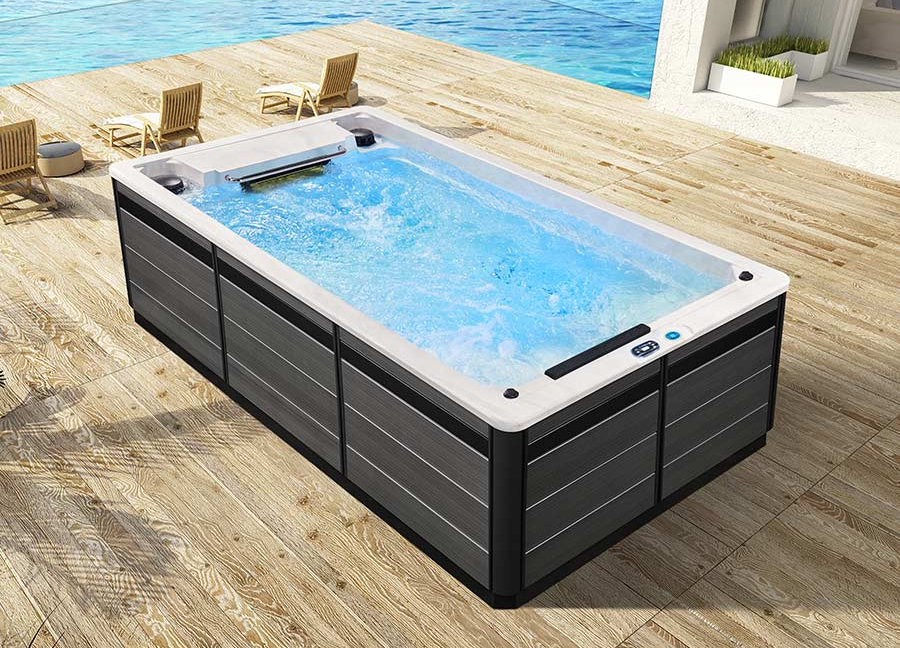






pH is always one of the most important water quality parameters when maintaining swim spa tub water quality. Many users find a common problem when testing their water quality—the pH of their swim spa tub is too high. When the pH is too high, the water may experience increased scale buildup, reduced disinfection efficiency, or an uncomfortable water feel, thus requiring an appropriate reduction in pH.
When looking for solutions, some users think of a common household substance—vinegar. Because vinegar is acidic, many people wonder: can vinegar be used to lower the pH of swim spa tub water?
Chemically speaking, vinegar is indeed a weak acid, its main component being acetic acid. Theoretically, when acetic acid enters the water, it can affect the water's pH. However, whether vinegar is suitable for adjusting pH in swim spa tub water quality management requires analysis from multiple aspects, including the water's chemical balance, the equipment environment, and water quality stability.
This article will systematically explore this issue to help you better understand the principles of swim spa tub water quality adjustment.
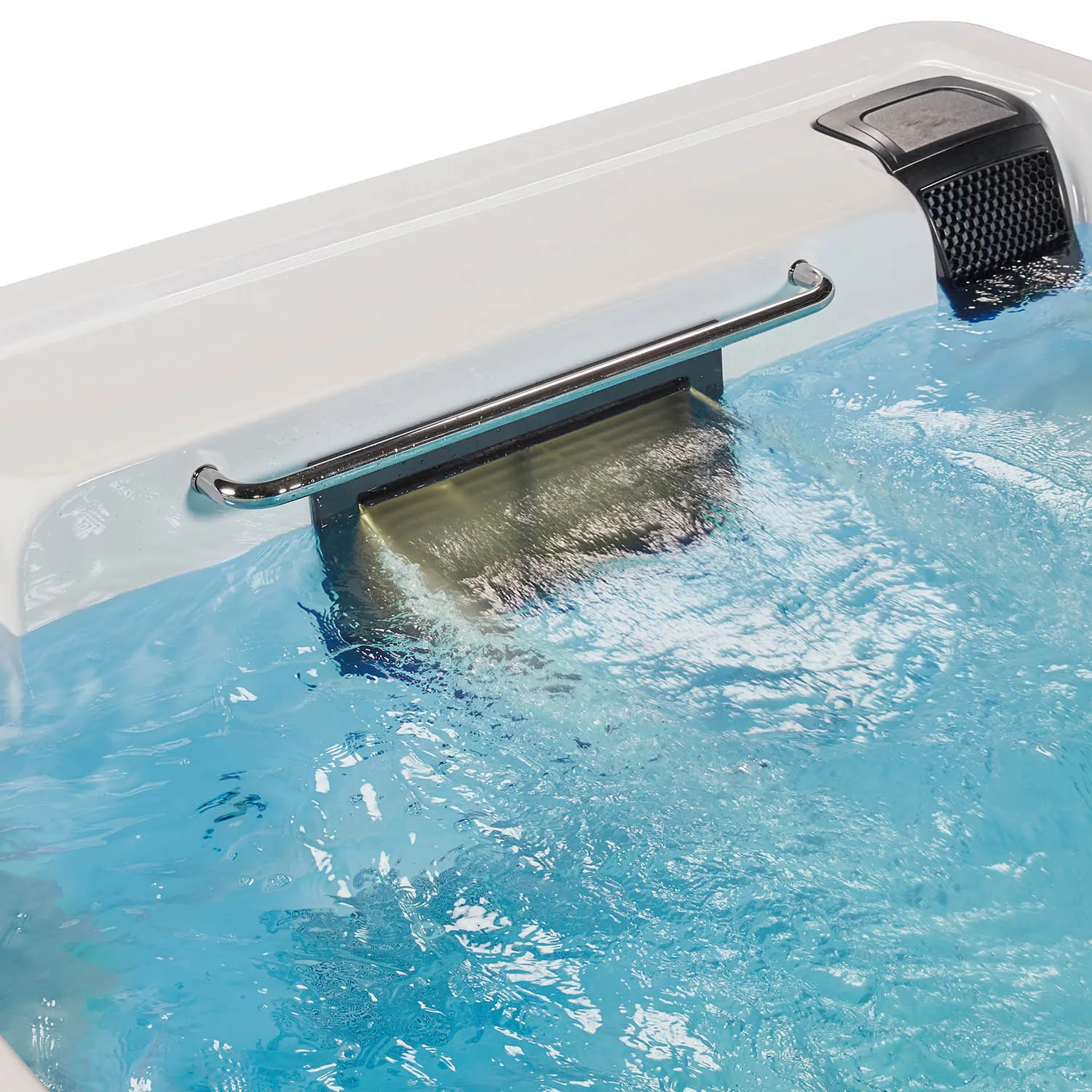
What is the pH value of a swim spa tub?
pH value is an important indicator of the acidity or alkalinity of water, with a range of 0–14:
• pH 7 is neutral
• pH less than 7 is acidic
• pH greater than 7 is alkaline
For most swim spa tubs, the ideal pH range is typically between 7.2 and 7.8. Within this range, the water quality is generally more stable and more suitable for human contact.
When the pH value of the jacuzzi swim spa tub is higher than this range, it needs to be adjusted appropriately.
Why does the pH value of a swim spa tub rise?
During daily use, several factors can cause the pH value of the swim spa hot tub to rise.
Reasons why the pH value of a swim spa tub might increase:
• High mineral content in the water
• Increased mineral concentration after water evaporation
• Certain water treatment reactions altering the water balance
• Introduction of alkaline substances during use
In addition, outdoor swim spa tubs may be affected by rainwater, dust, and environmental substances, all of which can alter the chemical state of the water.
When these factors continue to act, the pH value of the swim spa tub may gradually increase.

Why is vinegar considered to lower the pH value of a swim spa tub?
Many people think of using vinegar to lower the pH value, mainly based on basic chemical principles.
The main component of vinegar is acetic acid, which is a weak acid. When acetic acid dissolves in water, it releases hydrogen ions, thereby lowering the pH value of the water.
Theoretically, adding vinegar to the jacuzzi swim spa tub water could indeed change the pH level.
However, the theoretical chemical reaction does not mean that this method is suitable for use in actual spa equipment.
What happens when you add vinegar to a swim spa tub?
Several changes may occur when vinegar is added to the water in a swim spa hot tub.
1. Affecting the pH of the water
Acetic acid may lower the pH value, making the water closer to neutral.
2. Altering the chemical balance of the water
The water in a swim spa tub typically contains various minerals and chemical components. Adding vinegar may alter the chemical balance of the water.
3. Affecting the odor of the water
Vinegar has a distinct odor, so adding a large amount may change the odor of the water in the swim spa hot tub.
These changes indicate that vinegar can indeed affect the water quality, but whether this effect is suitable for water quality management requires further analysis.
Why is vinegar not necessarily suitable for adjusting the pH value of a swim spa tub?
Although vinegar is acidic, it is not a routine method for adjusting the pH value in jacuzzi swim spa tub water quality management.
The main reasons include the following:
1. Weak acidity
Vinegar is a weak acid, and its ability to lower pH is relatively limited. In a large-volume swim spa tub, a significant amount of vinegar may be needed to noticeably change the pH.
2. Difficulty in Precise Control
Water quality management in spa equipment typically requires precise control of pH ranges, and the acidity and concentration of vinegar may be difficult to calculate accurately.
3. Potential Affects Water Odor
Adding large amounts of vinegar can impart a noticeable odor to the jacuzzi swim spa tub water, negatively impacting the user experience.
4. Potential Alteration of Water Chemical Structure
The organic components in vinegar may participate in other reactions within the water, affecting the overall water balance.
Therefore, it is generally recommended to use specialized water conditioning products when maintaining a swim spa tub.
Why is specialized water conditioning for swim spa tubs necessary?
Water conditioning products for spa equipment are typically specially designed to:
• Precisely adjust pH levels
• Maintain water chemical balance
• Avoid affecting equipment materials
• Be compatible with other water treatment processes
In contrast, ordinary household products are often not designed for the specific water conditions of a swim spa hot tub, and therefore may present uncertainties in practical use.
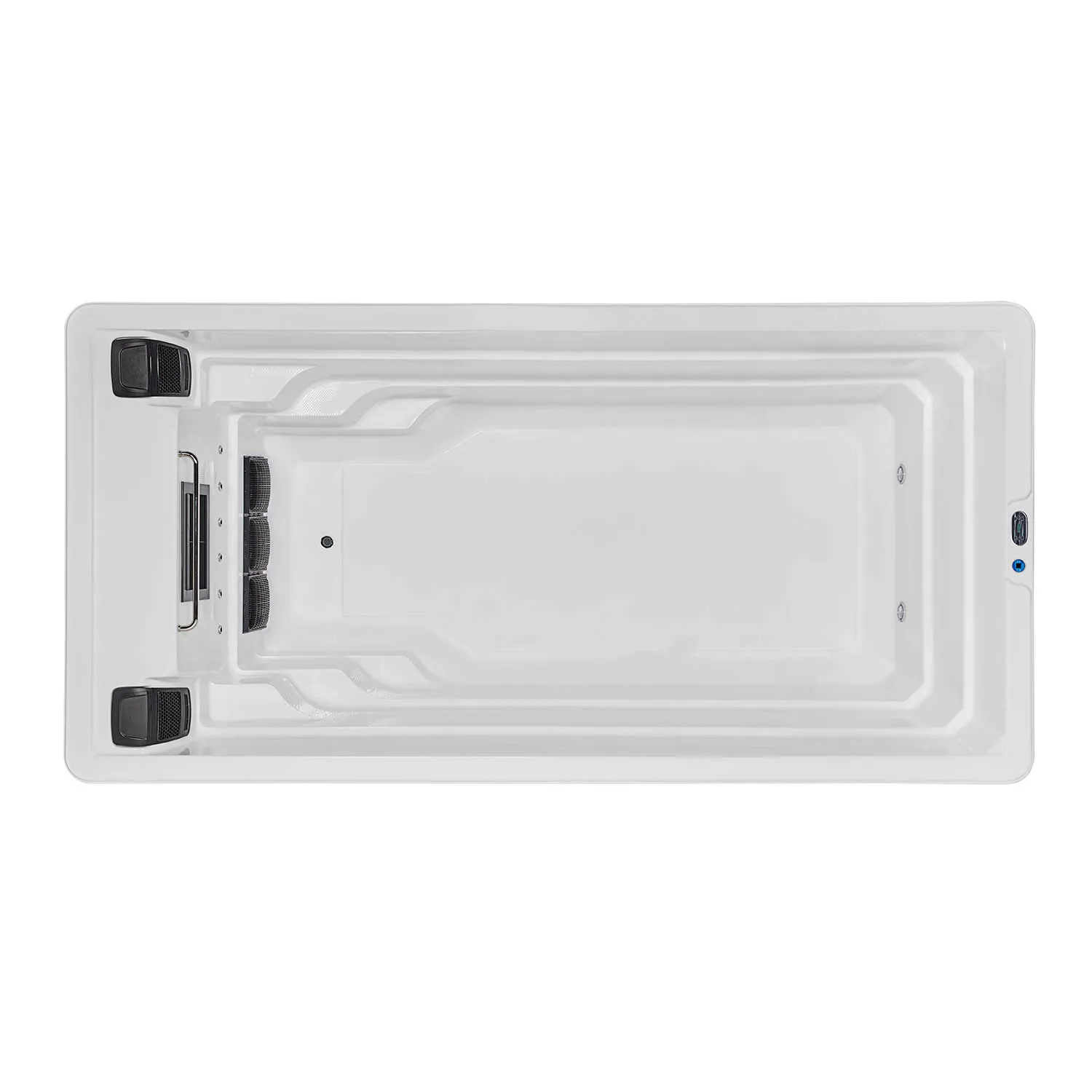
How to Properly Adjust the pH of a Swim Spa Tub?
Several basic principles should be followed when maintaining the water quality of a jacuzzi swim spa tub.
1. Regularly Test Water Quality
Using water quality testing tools, you can promptly monitor changes in the pH value of your swim spa hot tub.
2. Gradual Adjustment
When the pH value is too high, adjustments should be made gradually, rather than making a drastic change all at once.
3. Maintain Water Balance
pH value is interrelated with alkalinity and mineral content, so a comprehensive consideration is necessary.
These methods help maintain more stable water quality in your swim spa hot tub.
Why is water quality stability so important for a swim spa tub?
Stable water quality offers several benefits, including:
• Maintaining water clarity
• Improved user comfort
• Reduced water quality fluctuations
• Reduced maintenance difficulty
When the water in a swim spa tub is in a balanced state, its overall operation is generally more stable.
Therefore, scientifically adjusting the pH value is a crucial aspect of water quality management.
How to reduce pH increases in swim spa tubs?
Besides adjusting the pH, some routine maintenance measures can also help reduce pH rises.
For example:
• Regularly test water quality
• Keep the filtration system running properly
• Reduce contaminants entering the water
• Regularly replace portions of the water
These methods can reduce the probability of abnormal pH levels in the swim spa hot tub.
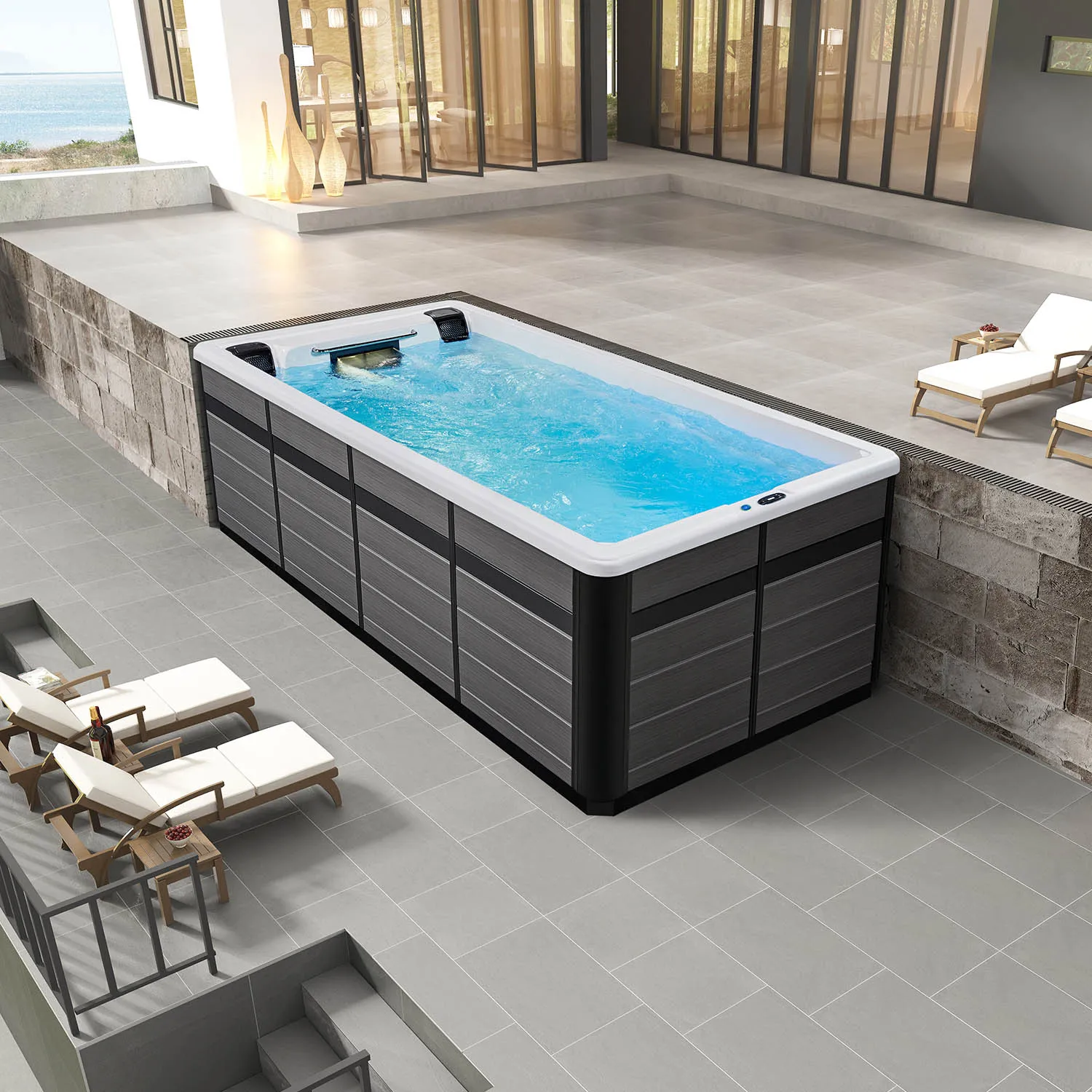
Can vinegar be used to lower the pH of swim spa tub water?
Chemically speaking, vinegar is indeed a weak acid, so theoretically it could lower the pH of water. Adding vinegar to water might change the pH level.
However, in actual swim spa tub water quality management, vinegar is not a common adjustment method. Its acidity is weak, difficult to control precisely, and may affect the odor or overall chemical balance of the water.
Therefore, the most reasonable way to maintain the water quality of a swim spa tub is usually:
• Regularly test the pH level
• Use specialized water conditioning products
• Gradually adjust water parameters
• Maintain overall water quality balance
Through scientific water quality management methods, a clear, stable, and comfortable aquatic environment can be maintained in the swim spa hot tub over the long term.
Can wholesalers buy outdoor spa products in bulk from Yuehua?
Absolutely. Yuehua is a professional factory and supplier supporting wholesale purchasing and bulk orders. Our large-scale manufacturing capacity allows us to offer competitive prices for outdoor spa, swim spa, sauna room, and steam bathroom products.
As a direct manufacturer from China, we eliminate unnecessary intermediaries, helping customers reduce purchasing costs while maintaining high quality standards.