

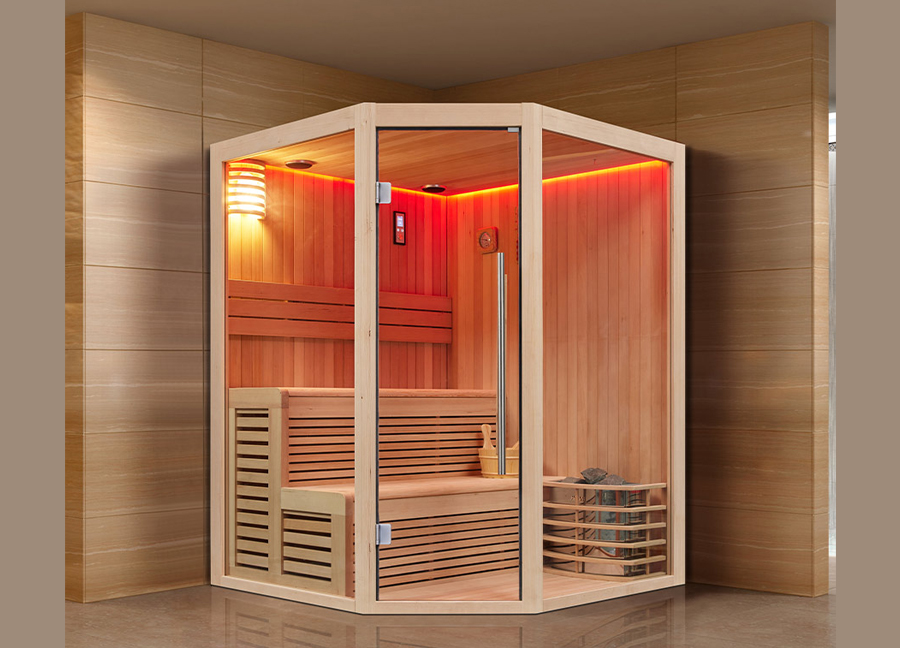


A steam sauna room is a health-preserving method that uses high temperature and humidity to promote blood circulation, sweating, and muscle relaxation. Many middle-aged and elderly people are fond of steam sauna rooms, hoping to improve sleep, relieve joint discomfort, or boost metabolism.
However, as people age, their bodily functions gradually decline, and the tolerance of their cardiovascular, respiratory, and skin systems may weaken. Therefore, how to safely use a steam sauna room, especially the duration of stay, is a very important issue.
This article will focus on the topic of how long a 70-year-old should stay in a steam sauna room, combining medical principles and common health knowledge to provide a detailed analysis from multiple perspectives to help the elderly and their families better understand and utilize this method.
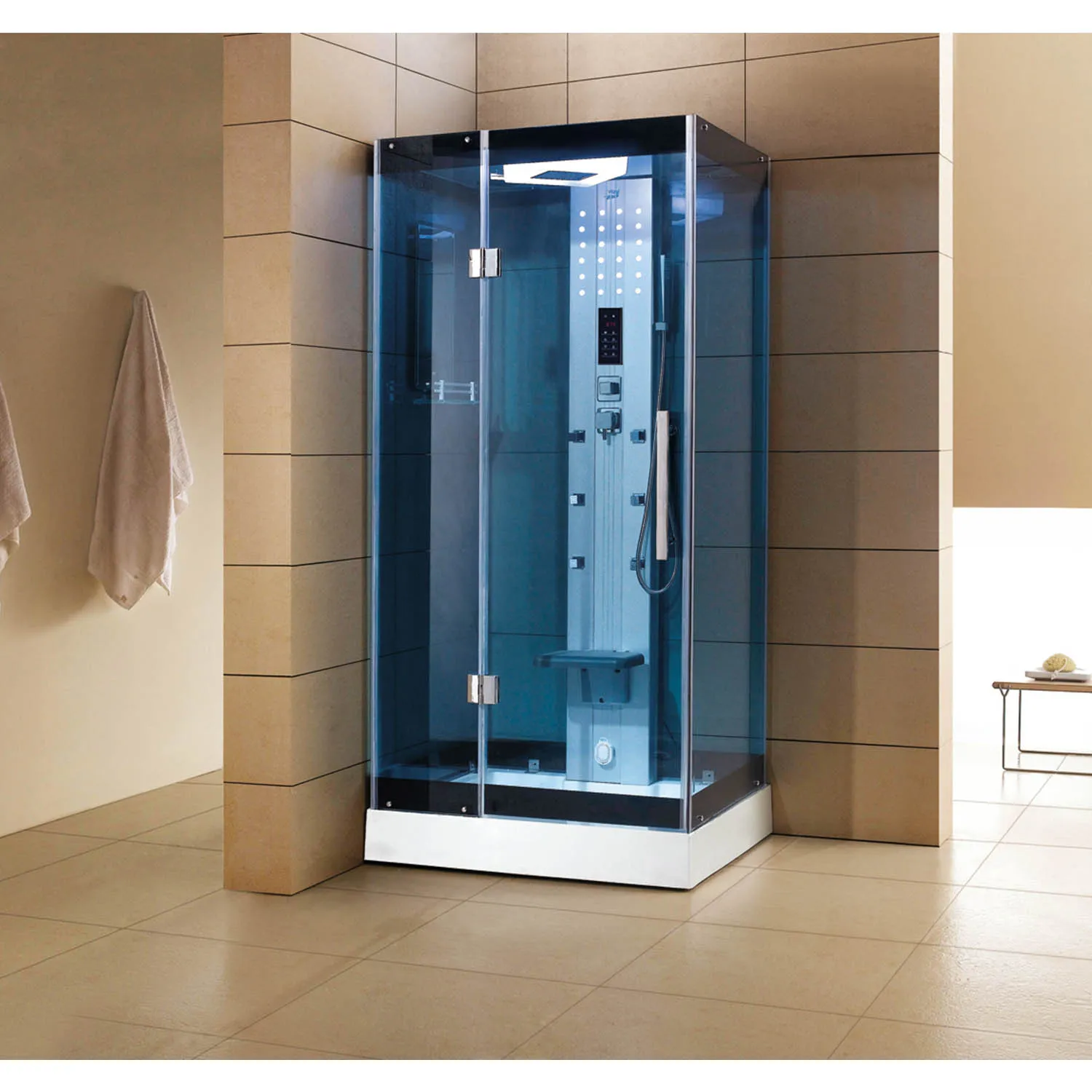
Steam Sauna Room: What is it?
1. Temperature and Humidity Characteristics of a Steam Sauna Room
• Temperature Range: Generally around 40℃–50℃, compared to the high temperatures of a dry sauna (reaching 80℃–100℃), the temperature in a steam sauna room is relatively low.
• Humidity Characteristics: Humidity can approach 100%, with a high concentration of water vapor in the air, creating a stuffy and hot feeling, and making it difficult for sweat to evaporate.
• Mechanism of Action: Steam heats the air and skin surface, causing blood vessels to dilate, accelerating blood circulation, and expelling some metabolic waste through sweating.
2. Differences between Steam Sauna Rooms and Dry Saunas
• Dry saunas emphasize high temperature and low humidity, primarily promoting detoxification through profuse sweating.
• Steam sauna rooms, on the other hand, focus on high humidity and low temperature, emphasizing the soothing effects of a warm and humid environment on the respiratory tract, skin, and joints.
This means that for people over 70, steam sauna rooms are gentler than dry saunas, but potential risks still exist, so the time spent using them needs to be scientifically controlled.
Why should older adults be cautious when using steam sauna rooms?
1. Changes in the Cardiovascular System
People around 70 years old often experience decreased vascular elasticity and weakened cardiac contraction function. The high temperature in a steam sauna room can cause blood vessels to dilate, leading to fluctuations in blood pressure. Prolonged stays may increase the risk of dizziness, palpitations, and even cardiac strain.
2. Respiratory System Characteristics
The high humidity and viscous air in a steam sauna environment can easily burden breathing. For elderly people with chronic bronchitis, COPD, or asthma, prolonged stays in a steam sauna room may worsen breathing difficulties.
3. Skin and Thermoregulation Ability
Elderly people have weakened sweat gland function, reduced perspiration efficiency, and poorer thermoregulation ability. Prolonged stays can easily lead to overheating and even heatstroke.
4. Nervous System and Metabolic Level
The metabolic rate of people over 70 years old slows down, and their nervous system becomes less sensitive to temperature stimuli. Therefore, the "heat" in a steam sauna room may be less dangerous than the actual level, leading to misjudgment and prolonged stays.
How Long Should a 70-Year-Old Stay in a Steam Sauna Room?
Based on medical advice and the physical characteristics of the elderly, it is generally not recommended for people over 70 years old to stay in a steam sauna room for more than 10–15 minutes.
1. Recommended Duration for First-Time Users
• Seniors entering the steam sauna room for the first time should limit their stay to approximately 5–8 minutes.
• Once they feel comfortable, gradually increase the time to 10 minutes, but do not exceed 15 minutes.
2. Duration Recommended for Experienced Seniors
• If the senior is in good health and has good cardiopulmonary function, the duration can be appropriately extended, but each session should not exceed 15 minutes.
• Intermittent use is recommended, with each session lasting 10–12 minutes, followed by a break before re-entering.
3. Total Daily Usage Duration
• Generally, it is recommended to use the sauna no more than twice a day, with a total duration not exceeding 30 minutes.
• Prolonged continuous stays are not suitable, as they can easily lead to dehydration, electrolyte imbalance, or cardiovascular burden.
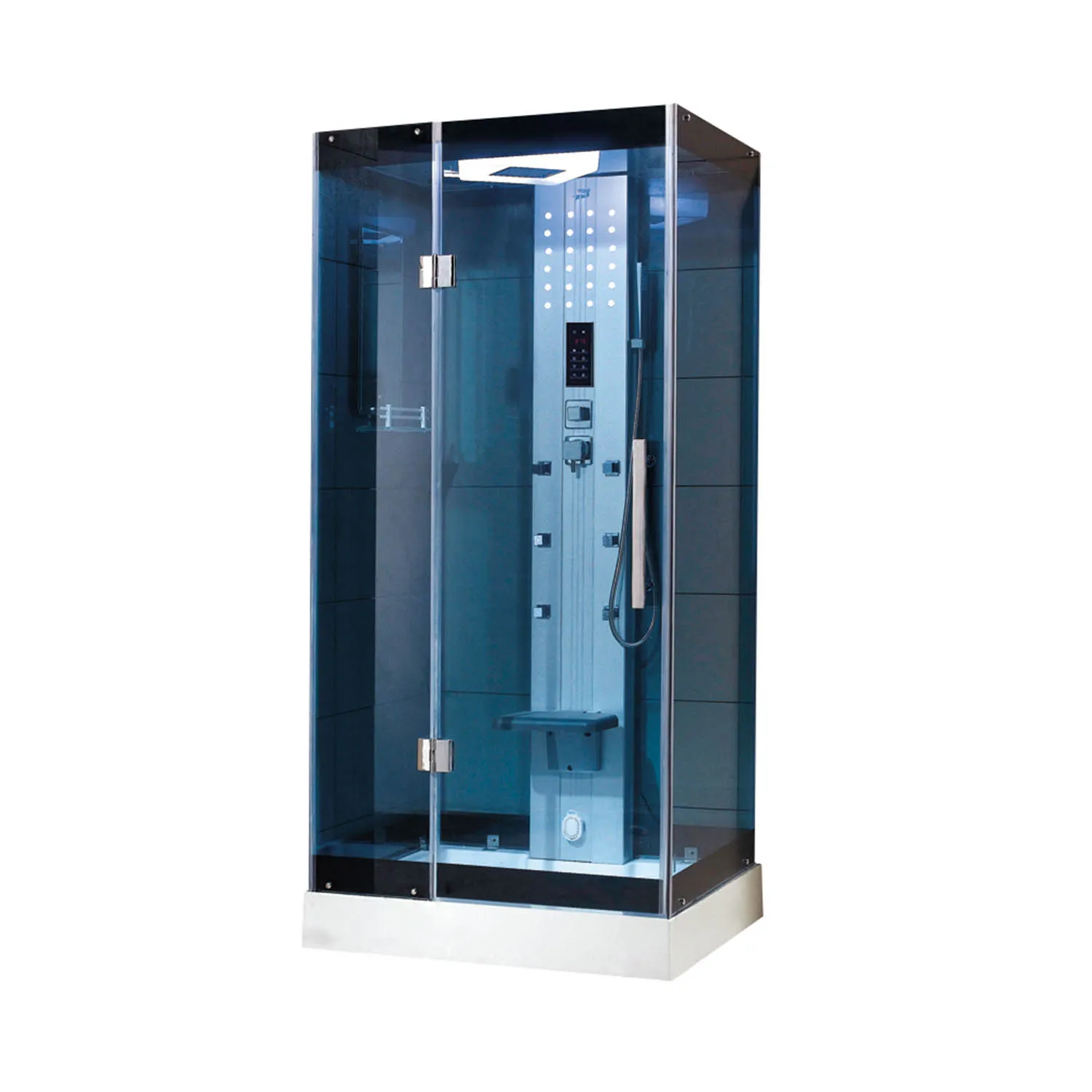
What factors affect the steam time for seniors?
Not all 70-year-olds are suitable for the same time. The following factors will affect the recommended stay duration:
1. The elderly person's own health condition
• Patients with heart disease, high blood pressure, or diabetes: It is recommended to limit stays to 5–8 minutes, and a doctor's permission is required.
• Patients with respiratory diseases: Prolonged stays are not suitable to avoid increasing the burden on the body.
• Those who are physically weak or have limited mobility: Use with caution, preferably no more than 5 minutes.
2. The temperature and humidity of the steam sauna room
• A temperature of 40℃–45℃ is relatively safe, and a slightly longer stay is permissible.
• When the temperature approaches 50℃, the elderly person should shorten the stay.
3. The elderly person's physical condition on the day
• If feeling fatigued, experiencing blood pressure fluctuations, or suffering from sleep deprivation, it is recommended to shorten the stay or not enter the steam sauna room at all.
• It is not recommended to enter within one hour after a meal to avoid increasing the burden on the digestive system.
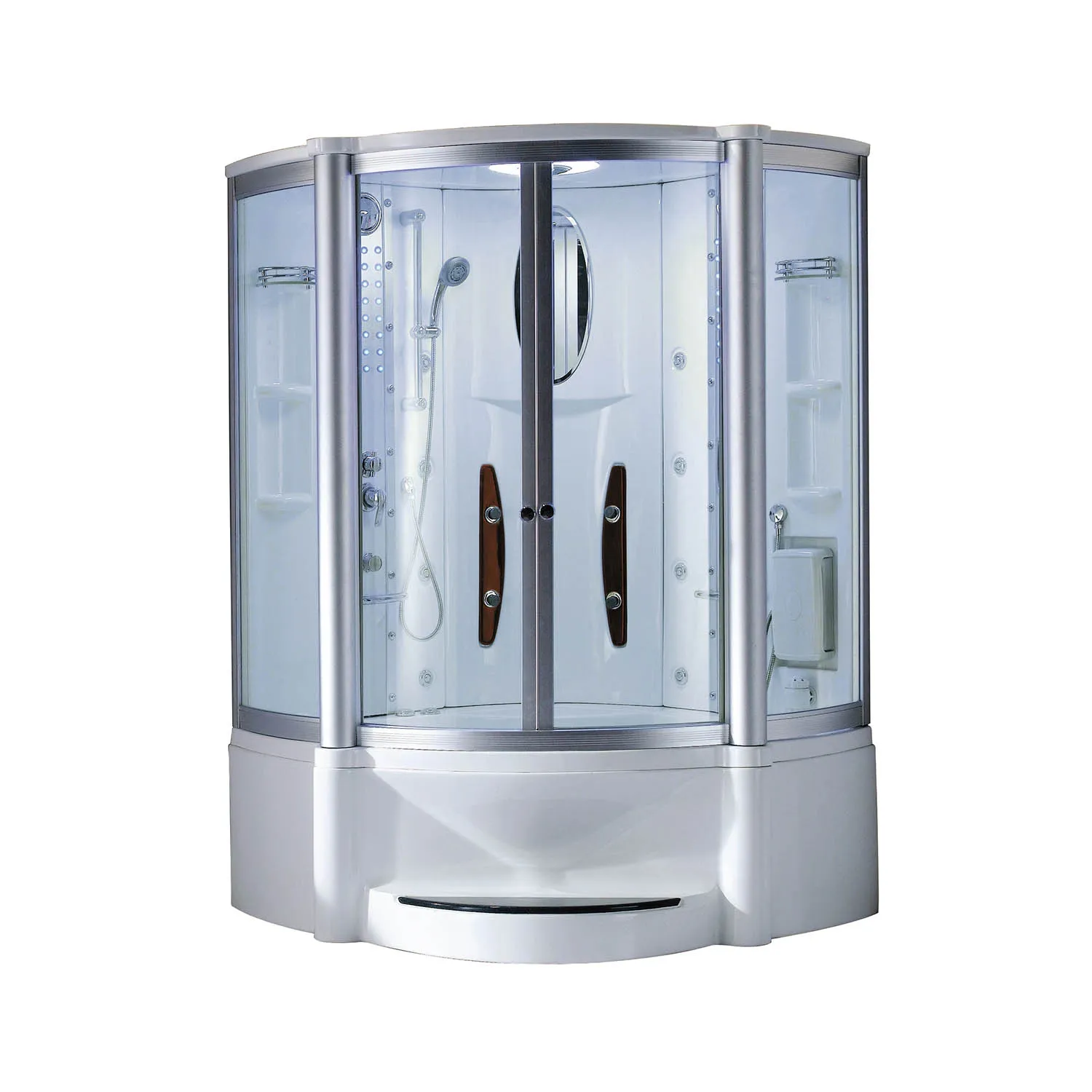
Precautions for 70-Year-Olds Using Steam Sauna Rooms
To safely enjoy the benefits of a steam sauna room, the following precautions are crucial:
1. Preparation Before Entering
• Keep your body clean and avoid bringing large amounts of oily or skincare products.
• Do not enter on an empty stomach or when too full; maintain a relaxed state.
• It is recommended to drink a small amount of warm water beforehand to avoid dehydration.
2. Precautions Inside the Steam Sauna Room
• Sitting or semi-reclining positions are more conducive to relaxation; avoid standing for extended periods.
• If you experience dizziness, palpitations, or difficulty breathing, leave immediately.
• Do not engage in strenuous exercise inside the steam sauna room.
3. Post-Exit Care
• Rinse your body with warm water to help close pores.
• Drink adequate fluids, such as warm water or lightly salted water; avoid ice water.
• Rest for at least 20–30 minutes to ensure your heart rate and breathing return to normal.
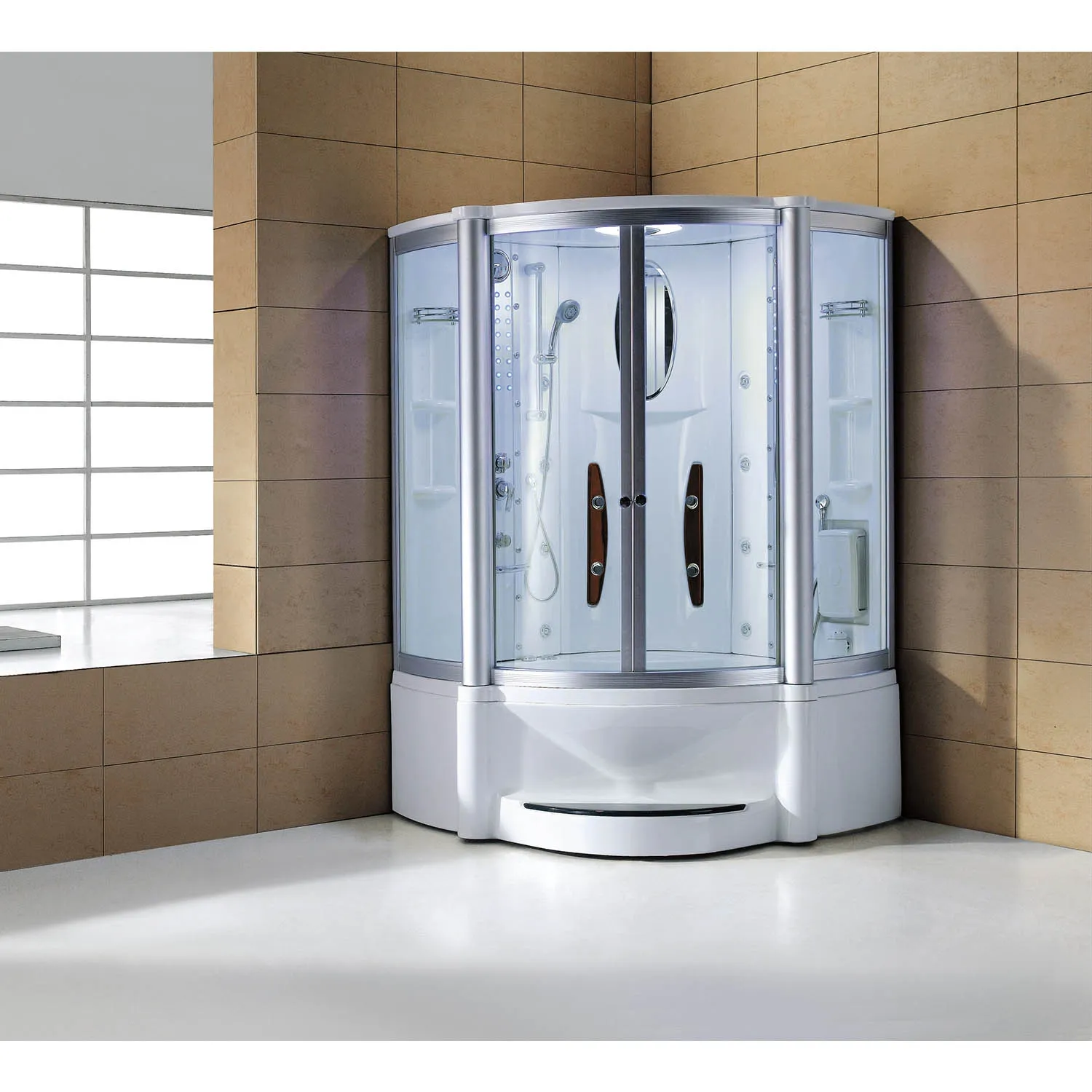
Why shouldn't seniors stay in steam sauna rooms for extended periods?
Many seniors believe that the longer they stay in a steam sauna room, the better, but this is a misconception. Here are the risks of prolonged stays:
1. Dehydration: In a hot and humid environment, excessive sweating can go unnoticed, leading to fluid loss.
2. Electrolyte Imbalance: Prolonged sweating can cause imbalances in elements such as sodium and potassium, resulting in muscle cramps or arrhythmias.
3. Cardiovascular Burden: Continuous vasodilation increases the burden on the heart, easily triggering cardiac discomfort.
4. Hyperthermia: Seniors have reduced thermoregulation, potentially leading to heatstroke or fainting.
5. Fall Risk: Dizziness and excessive sweating can weaken the body, increasing the risk of falls in slippery environments.
Therefore, controlling the time scientifically is key.
MEXDA Recommendations: Optimal Stay Time in a Steam Sauna Room for Seniors Over 70
1. Single Stay: 5–15 minutes is ideal for seniors over 70.
2. First-Time Use: Start with 5–8 minutes, gradually increasing the time as the user adapts.
3. Total daily duration: No more than 30 minutes, preferably divided into two sessions.
4. Key principle: Proceed according to your ability, pay close attention to your body's reactions, and leave immediately if any discomfort occurs.
While a steam sauna room can indeed provide relaxation and certain health benefits, seniors over 70 years old must strictly control their time and follow scientific methods to enjoy the comfort of a steam sauna room while avoiding potential risks.