


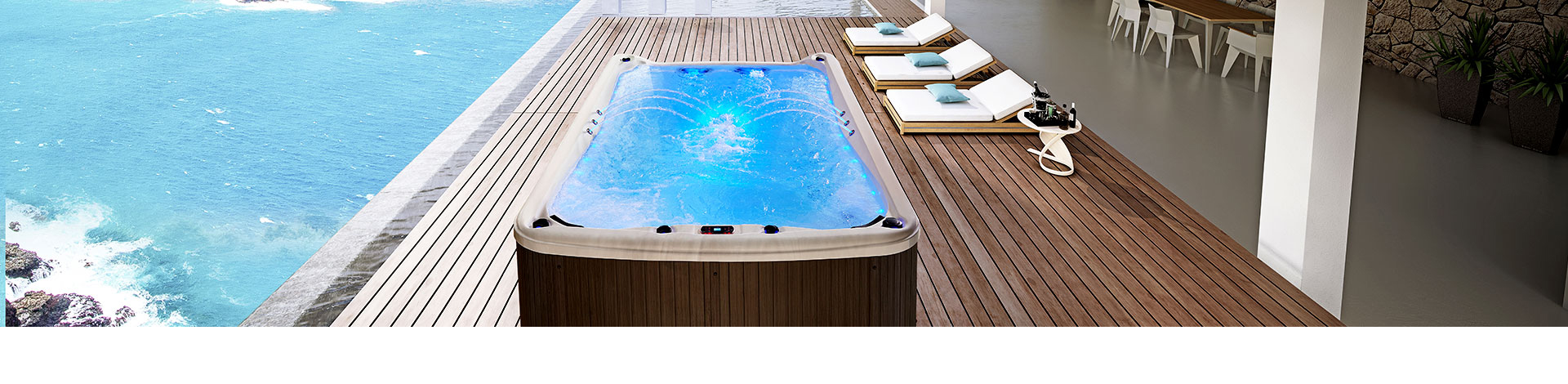
Many people crave a hot bath to relax and relieve fatigue when they have a cold during the cold season. However, the issue becomes complicated when it comes to using a luxury spa hot tub.
While hot baths can provide relaxation and comfort, are they beneficial or harmful when the body's immune system is under attack by a virus?
This article will provide an in-depth analysis from medical, physical therapy, safety, and environmental perspectives to systematically answer the question, "Is using a luxury spa hot tub a good idea when you have a cold?"
Colds and Physical Condition: Why is This a Concern?
The common cold is usually caused by viral infections, such as rhinovirus and coronavirus. After infection, the body will exhibit the following reactions:
1. Increased Body Temperature and Fever
The increase in body temperature is a natural defense mechanism of the immune system, used to suppress viral replication. At this time, additional external heating may further raise body temperature, causing discomfort.
2. Increased Blood Circulation and Metabolic Stress
When the body is fighting a virus, heart rate and metabolic load are already higher. Soaking in a high-temperature environment at this time will further increase the burden on the heart and blood vessels.
3. Increased Risk of Dehydration
Fever and sweating lead to fluid loss, and hot baths can exacerbate this, making people more prone to dizziness and weakness.
Therefore, whether it is suitable to use a luxury spa hot tub when you have a cold needs to be judged in conjunction with these physiological responses, rather than simply based on whether you feel "comfortable" or "uncomfortable".
What are the characteristics of a luxury spa hot tub?
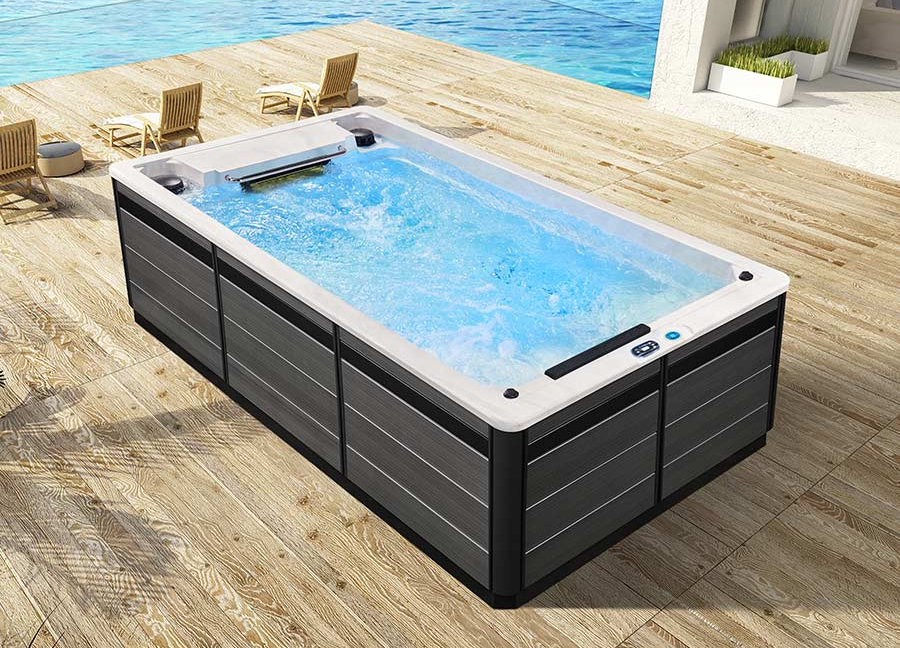
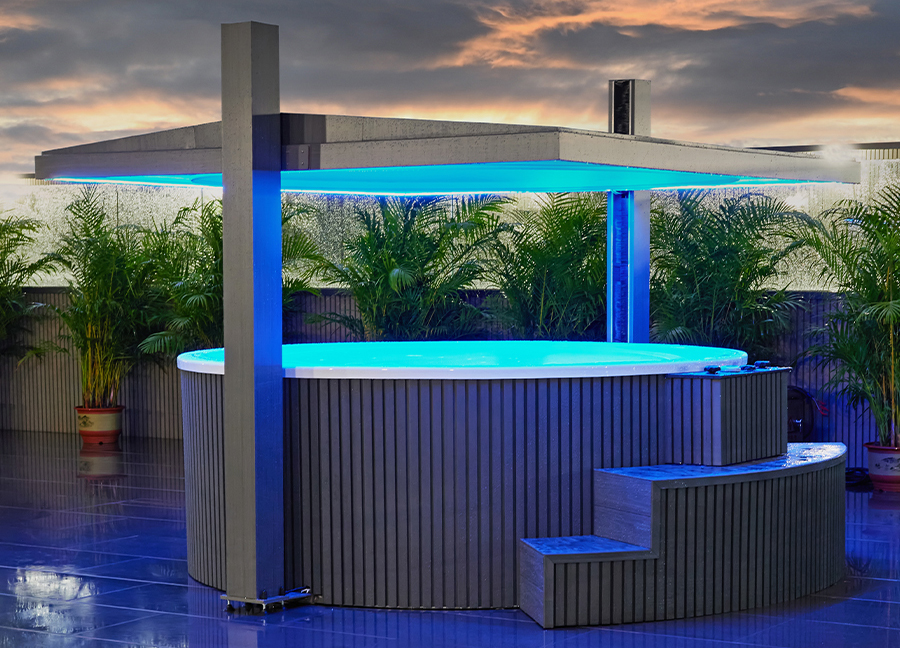
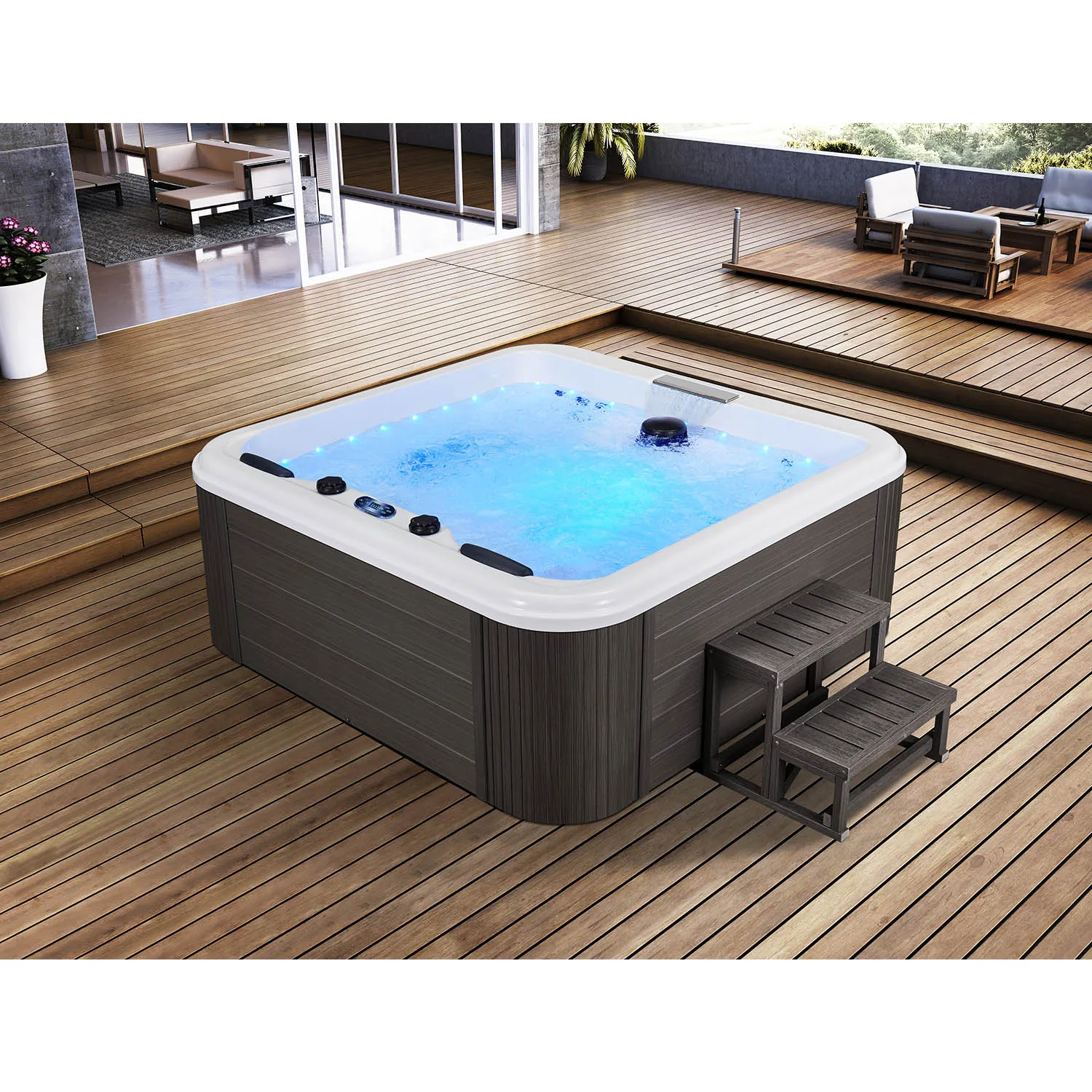
A luxury spa hot tub is a high-end device that combines massage, heating, and hydrotherapy functions, commonly used in homes or resorts. Its main functions include:
• Constant temperature heating system: Maintains a stable water temperature between 36°C and 40°C;
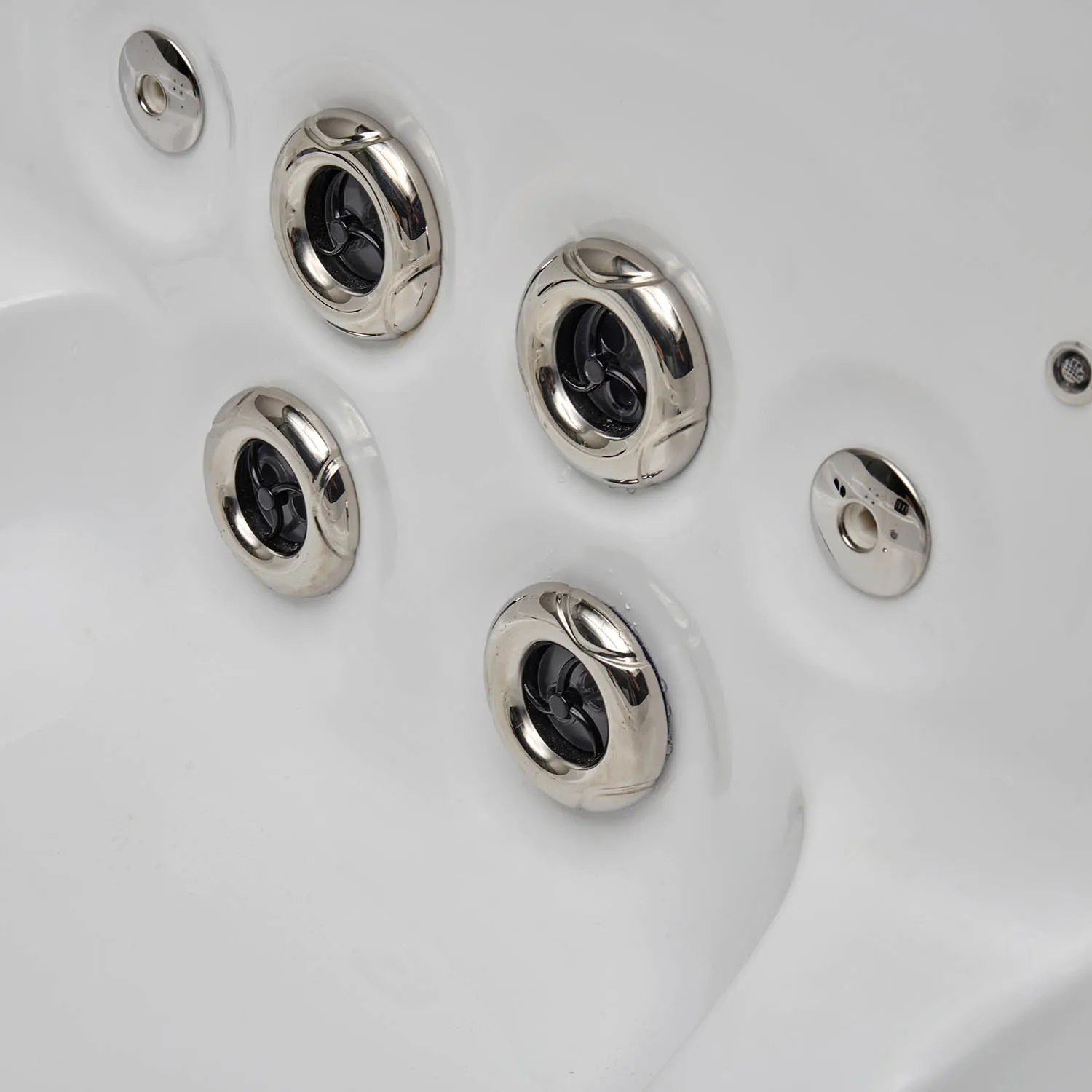
• High-pressure water jets: Used to massage muscles and promote blood circulation;
• Bubble and light therapy system: Provides relaxation and visual therapeutic effects;
• Filtration and disinfection device: Maintains water cleanliness and hygiene.
These features make the luxury spa hot tub ideal for relaxation, therapy, and stress relief, but they also mean that the ambient temperature is relatively high. Those with pre-existing conditions (such as colds or fevers) should exercise caution.
What are the potential benefits of using a luxury spa hot tub when you have a cold?
While the body is more vulnerable when you have a cold, moderate use of a luxury spa hot tub may still offer certain benefits in some situations:
1. Relieves nasal congestion and respiratory discomfort
Warm steam can help soothe nasal congestion, thin mucus, and reduce a dry, sore throat.
If the tub has aromatherapy functions, such as adding eucalyptus oil or peppermint fragrance, it can further help open the respiratory tract.
2. Promotes blood circulation and relaxes muscles
In the early stages or recovery phase of a cold, a short soak in a luxury spa hot tub can promote blood circulation, relax muscles, and reduce aches and pains.
3. Helps with sleep
Warm water flow can reduce sympathetic nerve activity and promote sleep. If a cold is accompanied by insomnia or general tension, a short hot bath can be helpful.
However, it's important to emphasize that these "benefits" are limited to mild colds with normal body temperature, no high fever, and no weakness. If the body is in a state of severe fever or dehydration, a hot bath may actually worsen symptoms.
When is it unsuitable to use a luxury spa hot tub?
1. When body temperature exceeds 38°C
If a fever is already present, soaking in hot water may cause the body temperature to continue rising, even leading to heat exhaustion or heart rhythm disorders.
The temperature control system of a luxury spa hot tub is usually between 37°C and 40°C, which is just outside the normal human body temperature range, making it more difficult for the body to dissipate heat.
2. When dizziness, palpitations, or dehydration occur
A cold leads to fluid loss. Prolonged soaking in hot water may further lower blood pressure, causing dizziness, rapid heartbeat, or fainting.
3. When the user is taking antipyretics or antibiotics
Some medications (such as ibuprofen and acetaminophen) can alter the body's temperature regulation mechanism. Entering a high-temperature environment at this time can easily cause fluctuations in body temperature and abnormal drug metabolism.
Therefore, it's best to postpone using the luxury spa hot tub until your body has fully recovered to avoid worsening your condition.
If you insist on using it, how should you operate it safely?
If you wish to use the luxury spa hot tub during a cold, please follow these safety guidelines:
• Control the water temperature: Set the water temperature to 35°C–36°C to avoid overheating; this temperature provides relaxation without causing excessive body temperature.
• Shorten the usage time: Each soak should not exceed 10–15 minutes, and keep part of your body above water during this time to facilitate heat dissipation.
• Replenish fluids: Drink warm water or electrolyte drinks before and after use to prevent dehydration.
• Avoid bathing with others: When you have a cold, your immunity is lowered, and you are more likely to spread viruses to others. Even if the water contains chlorine, viruses can still be transmitted through the air or through contact.
• Keep warm immediately after bathing: After bathing, quickly dry your body and put on warm clothing to avoid excessive temperature differences that could worsen symptoms.
Will the high temperature environment of the luxury spa hot tub affect the immune response?
The human immune system's response to temperature changes is quite complex. Studies show that:
• Brief warming (such as in hot springs or hot baths) may stimulate immune cell activity, helping to clear viruses;
• Prolonged exposure to high temperatures can cause dehydration, decreased blood pressure, and increased stress hormones, thus weakening immune function.
The high temperature of a luxury spa hot tub may provide short-term comfort, but for cold recovery, improper time or temperature control may do more harm than good.
Therefore, the key is "moderation," not "the hotter the better" or "the longer the better."
What symptoms should you be wary of after using a luxury spa hot tub?
If any of the following occur after using it during a cold, stop using it immediately and rest:
• Persistent dizziness or chest tightness;
• Rapid or irregular heart rate;
• Persistent fever;
• General weakness and significant dehydration;
• Flushed skin or shortness of breath.
These are warning signs of overheating or excessive circulatory stress. If not addressed promptly, they may further hinder recovery.
From a physical therapy perspective, what are some safer alternatives to using heat therapy when you have a cold?
For those who want to relieve discomfort with heat therapy during a cold, the following alternatives are safer:
• Warm foot bath (38°C–40°C): Promotes blood circulation and relieves nasal congestion;
• Steam inhalation: Inhaling warm, moist air using a hot towel or steamer improves respiratory health;
• Warm compresses to the neck or chest: Helps soothe muscle tension;
• Short warm showers: Relax the body without causing excessive fever.
These methods can achieve similar soothing effects without relying on a luxury spa hot tub.
How to safely resume using a luxury spa hot tub after recovery?
Once you have recovered and are free of fever or respiratory discomfort, you can gradually resume using a luxury spa hot tub:
• Set the temperature to around 36°C for the first time;
• Do not use for more than 15 minutes initially;
• Gradually increase the time after observing your body's reaction;
• Maintain good water quality and hygiene to prevent secondary infection.
This gradual recovery method helps the body readjust to the warm water environment while maximizing the relaxing effects of the luxury spa hot tub.
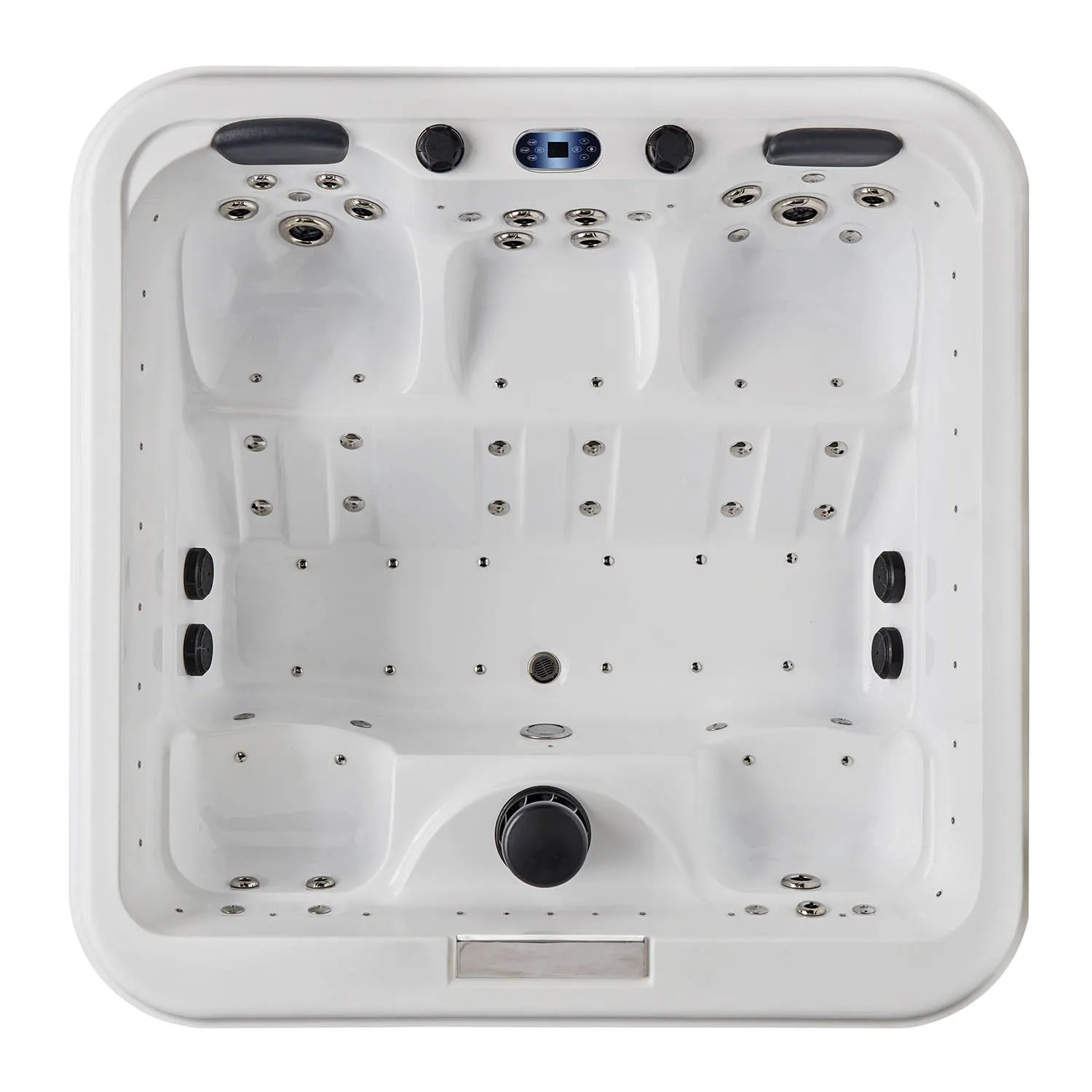
Is it wise to use a luxury spa hot tub when you have a cold?
The answer is: In most cases, using a luxury spa hot tub when you have a cold is not a wise choice.
While short, low-temperature soaks can provide some relief, if you have a fever, are dehydrated, or are weak, hot water therapy can worsen symptoms and delay recovery.
The safest approach is:
• Use it only after your body temperature has returned to normal;
• Control the temperature and duration;
• Stay hydrated and warm;
• Avoid sharing a bath with others.
A luxury spa hot tub is an ideal tool for relaxation and recovery, but it must be used when you are healthy and in a stable condition. During a cold, rest and mild thermotherapy are far more beneficial for recovery than risking a soak in hot water.
Can Your Products Be Integrated into Luxury Projects?
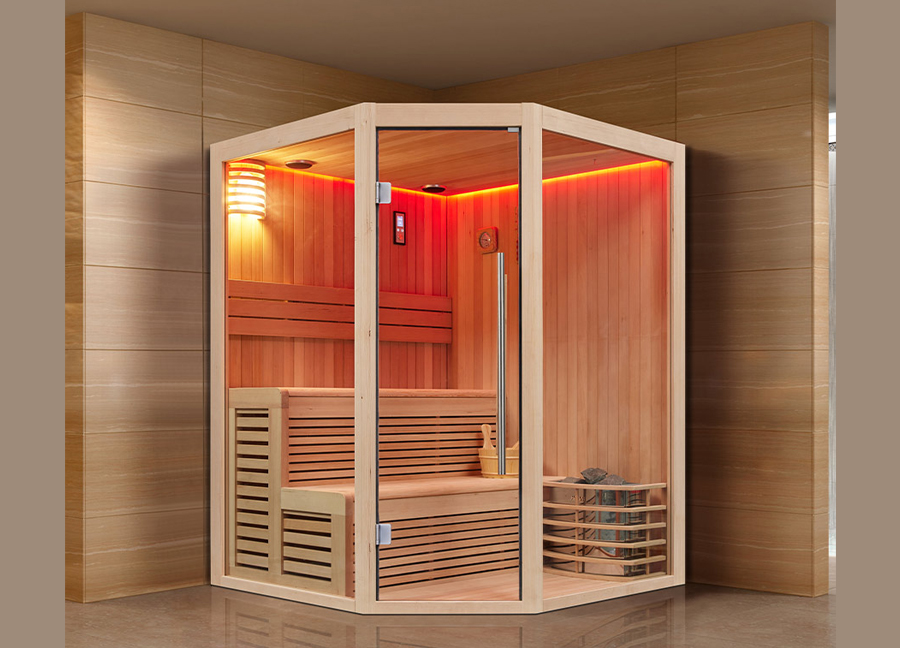
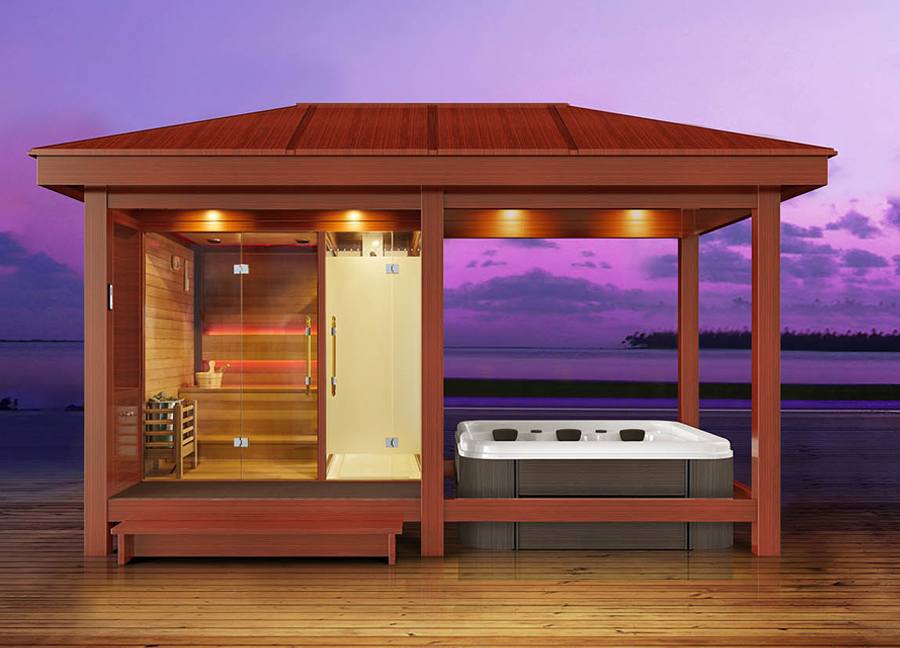
Yes. Yuehua products are widely used in luxury villas, resorts, and high-end residential projects. Swim spa, sauna room, and massage bathtub models can be upgraded with premium finishes and advanced controls. These customized options allow developers to enhance project value while still benefiting from factory-direct prices and dependable quality.