
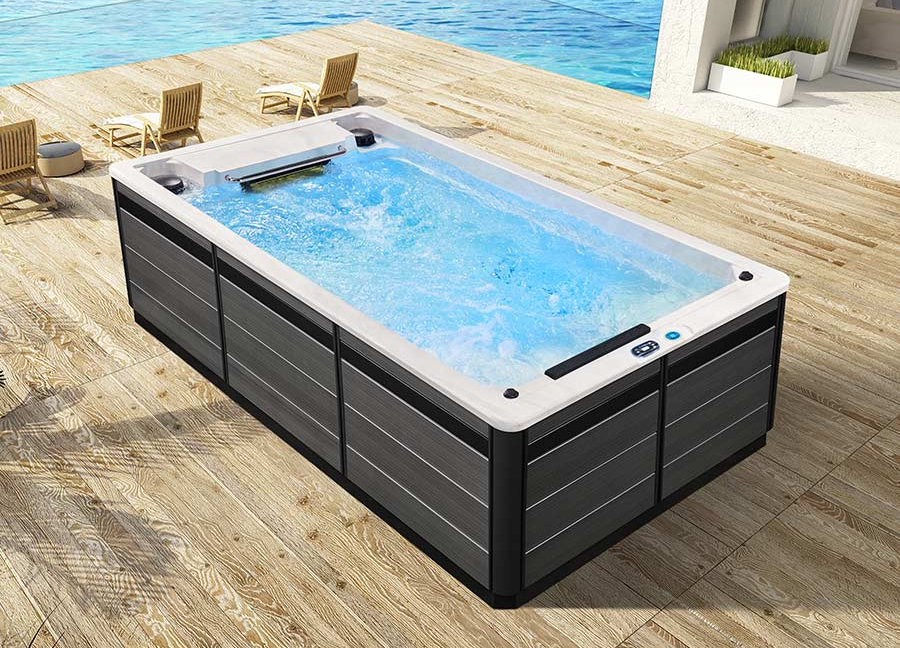






Epsom salt (chemically magnesium sulfate) is commonly used in traditional baths and showers due to its muscle-relaxing and stress-relieving properties. However, when it comes to the spa jcuzzi tub, it becomes a potential hazard.
Many people, in an effort to enhance their bathing experience, unconsciously replicate traditional bathing methods in their spa jcuzzi tubs, unaware of the serious consequences this can have.
This article will delve into why you should absolutely never put Epsom salt in your spa jcuzzi tub, examining its structure, principles, chemical effects, equipment risks, maintenance difficulties, and hygiene concerns.
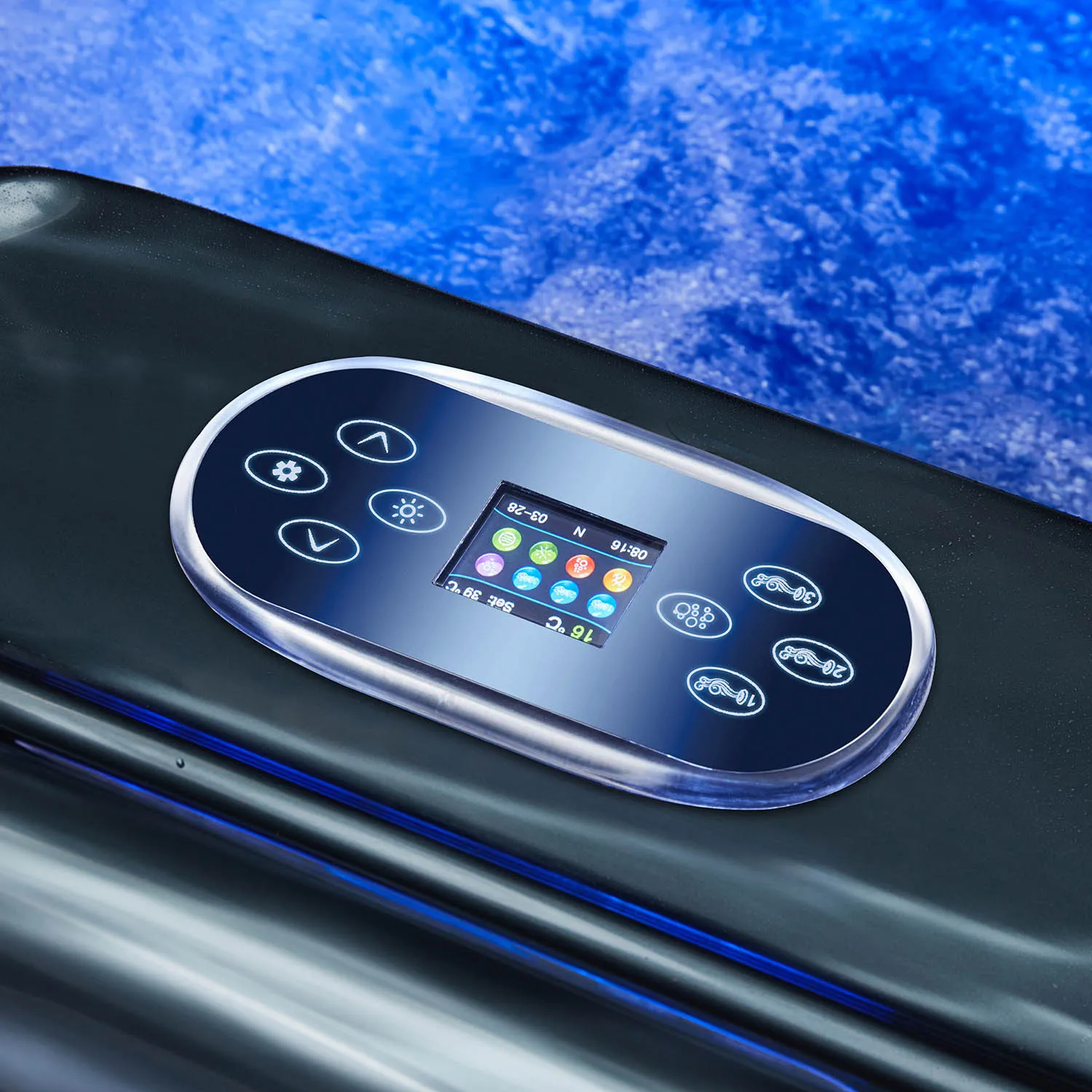
What exactly is Epsom salt? Why is it unsuitable for use in a spa jcuzzi tub system?
Epsom salt's main component is magnesium sulfate, a water-soluble mineral salt. It is widely used to relax muscles, reduce swelling, and relieve fatigue, making it popular in traditional bathtubs.
However, the structure of a spa jacuzzi tub differs fundamentally from that of a regular bathtub.
A spa jacuzzi tub includes:
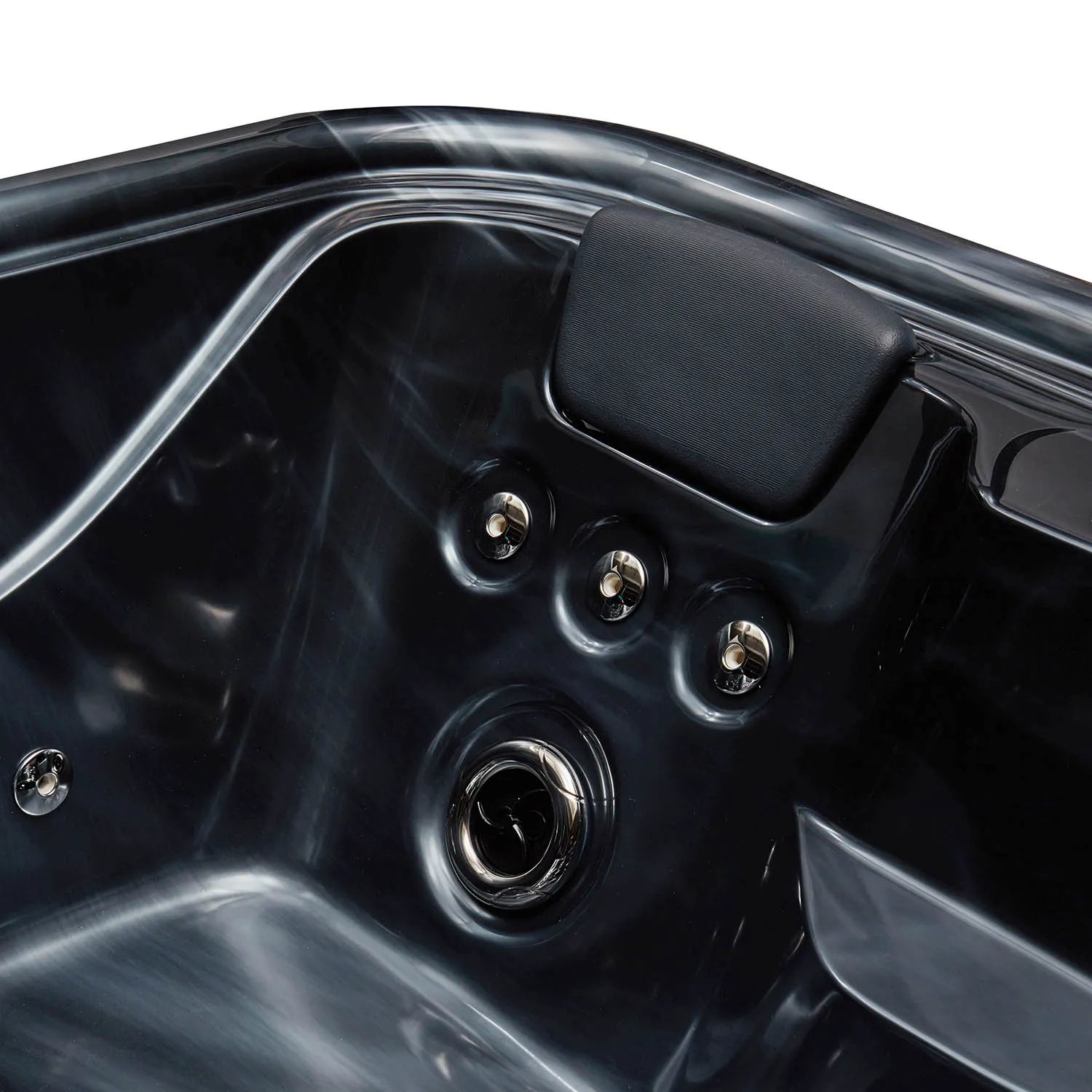
• An internal nozzle system
• A water pump circulation system
• A piping network
• A heater (in some models)
• A filtration system (in some models)
When Epsom salt enters these systems, it can cause a range of problems, including crystallization, corrosion, and clogging—problems completely absent in a regular bathtub.
In other words:
While Epsom salt is beneficial for traditional bathing, it poses a fatal threat to a spa jacuzzi tub.
Can Epsom salt damage the nozzle system of a spa jacuzzi tub?
Yes, Epsom salt poses a significant risk of damaging the nozzle system of a spa jacuzzi tub.
1. Nozzles are easily clogged by salt
Although Epsom salt is soluble in water, its solubility is affected by water temperature, concentration, and usage time. When the water temperature in a spa jacuzzi tub drops or the water remains in the tub for too long, the salt may recrystallize.
The nozzle orifice is typically small, making it easier for salt to accumulate, adhere, and clog.
2. The metal or plastic material of the nozzle is easily corroded
The materials used for spa jacuzzi tub nozzles from different brands include:
• Stainless steel
• Chrome-plated alloy
• ABS plastic
The minerals in Epsom salt can accelerate metal oxidation or corrosion, and may also cause discoloration and aging of plastic.
3. Uneven water flow from the nozzle reduces the massage effect
Even if not completely clogged, salt deposits inside the nozzle can cause unstable water pressure, thus affecting the core function of the spa jacuzzi tub – a powerful, smooth, and controllable water flow massage.
In summary, the damage caused by Epsom salt to spa jacuzzi tub nozzles is significant and may result in expensive repairs or replacement of nozzle components.
Why does Epsom salt corrode the water pump and pipes of a spa jacuzzi tub?
One of the most critical structural components of a spa jacuzzi tub is the water pump and circulation piping system. Epsom salt entering the system can cause multiple types of damage:
1. Increased wear on the pump impeller
The salt creates slight friction on the impeller during high-speed flow. Long-term accumulation accelerates wear, reducing pump efficiency and even causing malfunctions.
2. Salt crystallization on pipe walls
Salt crystal deposition causes:
• Increased bacterial growth in pipes
• Obstructed water flow and reduced pressure
• Shortened pipe lifespan
Salt crystals accumulate more easily, especially after periods of weak circulation or inactivity.
3. Corrosion of internal metal pump parts
Magnesium sulfate is a salt compound with potentially corrosive properties.
For metallic materials, a saline environment accelerates oxidation, thus shortening pump lifespan.
4. Increased risk of heater damage
If the spa jacuzzi tub is equipped with a heating system, salt accelerates the corrosion of the metal heating element, potentially leading to short circuits or heater failure.
In short: Epsom salt is a "slow poison" for the circulation system of a spa jacuzzi tub.
Does Epsom salt increase the maintenance difficulty and cleaning cost of a spa jacuzzi tub?
Absolutely, and to a much greater extent than most people imagine.
1. Significantly Increased Pipe Cleaning Frequency
After Epsom salt deposits, repeated flushing with a specialized pipe cleaner is necessary; otherwise, residual salt will continue to damage the equipment.
2. Increased Cleaning Difficulty
Ordinary cleaners may not completely dissolve salt crystals. Some deposits require stronger cleaners, and sometimes even professional intervention.
3. Potential for Disassembly and Repair
If the nozzles, pump, or pipes are damaged, repairs may involve disassembling the tub structure, the cost of which far exceeds the cost of cleaning the tub.
Therefore, even a single instance of pouring Epsom salt into a spa jacuzzi tub can create a long-term maintenance burden.
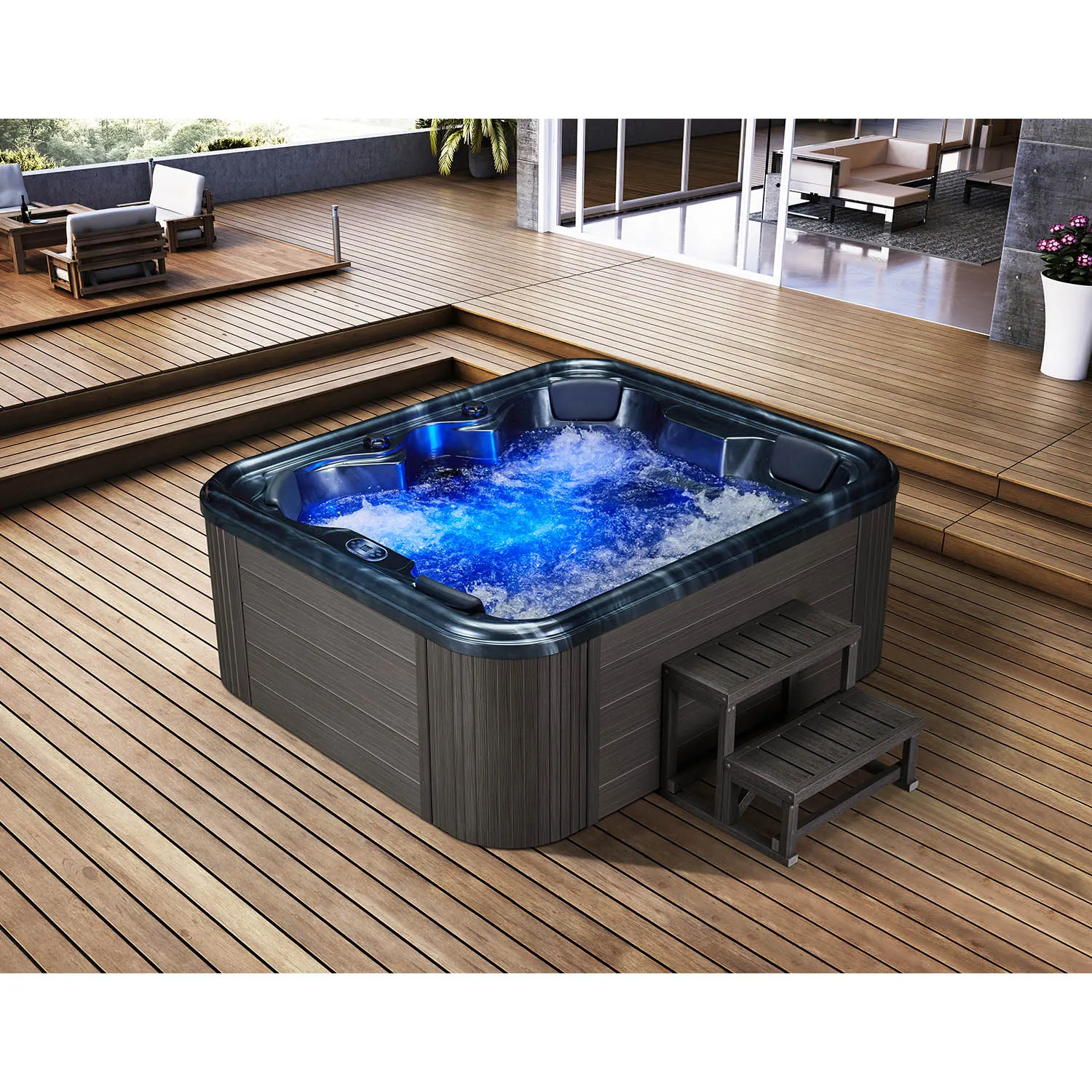
Will Epsom salt in a spa jacuzzi tub affect hygiene and water quality?
While Epsom salt itself is harmless, its presence in a spa jacuzzi tub can indirectly cause several hygiene problems.
1. Salt promotes bacterial adhesion
Surfaces with salt crystals are more prone to microbial growth, especially in the warm, humid environment of a spa jacuzzi tub.
2. Water becomes cloudy
Excessive or incompletely dissolved Epsom salt can easily cause cloudy bathwater, affecting both the experience and the operation of the nozzles.
3. Cleaning is difficult to achieve thoroughly
The interior of a spa jacuzzi tub is a closed space, making salt residue difficult to detect and potentially creating unsanitary areas over time.
This is why major spa jacuzzi tub manufacturers explicitly state: Do not add Epsom salt or any mineral additives to your spa jacuzzi tub.
Can any type of bath salt or bath product be used in a spa jacuzzi tub?
The answer is: in most cases, no.
The spa jacuzzi tub system is very sensitive; any particles, oils, foam, or minerals can damage the system.
The following are common additives that should not be used:
• Epsom salt (magnesium sulfate)
• Sea salt
• Mineral salts
• Bubble bath products
• Essential oils
• High-foaming bath products
These products may cause:
• Clogging problems
• Foam overflow
• Grease residue
• Bacterial growth in the tub
Generally, only "low-foaming, soluble, and oil-free" products specifically designed for spa jacuzzi tubs are safe to use.
What if I've already used Epsom salt in my spa jacuzzi tub?
If Epsom salt has been used in the bathtub, take the following steps immediately:
1. Drain the water completely to remove the saline solution.
2. Fill with clean water and run for 10-15 minutes to circulate and flush the system.
3. Use a pipe cleaner for deep cleaning.
4. Refill with water and flush.
5. Check that the nozzles, pump, and filter are functioning properly.
If the bathtub exhibits:
• Abnormal noise
• Dropped water pressure
• Clogged nozzles
• Cloudy water
It is recommended to contact a professional technician for inspection to prevent further damage to the system.
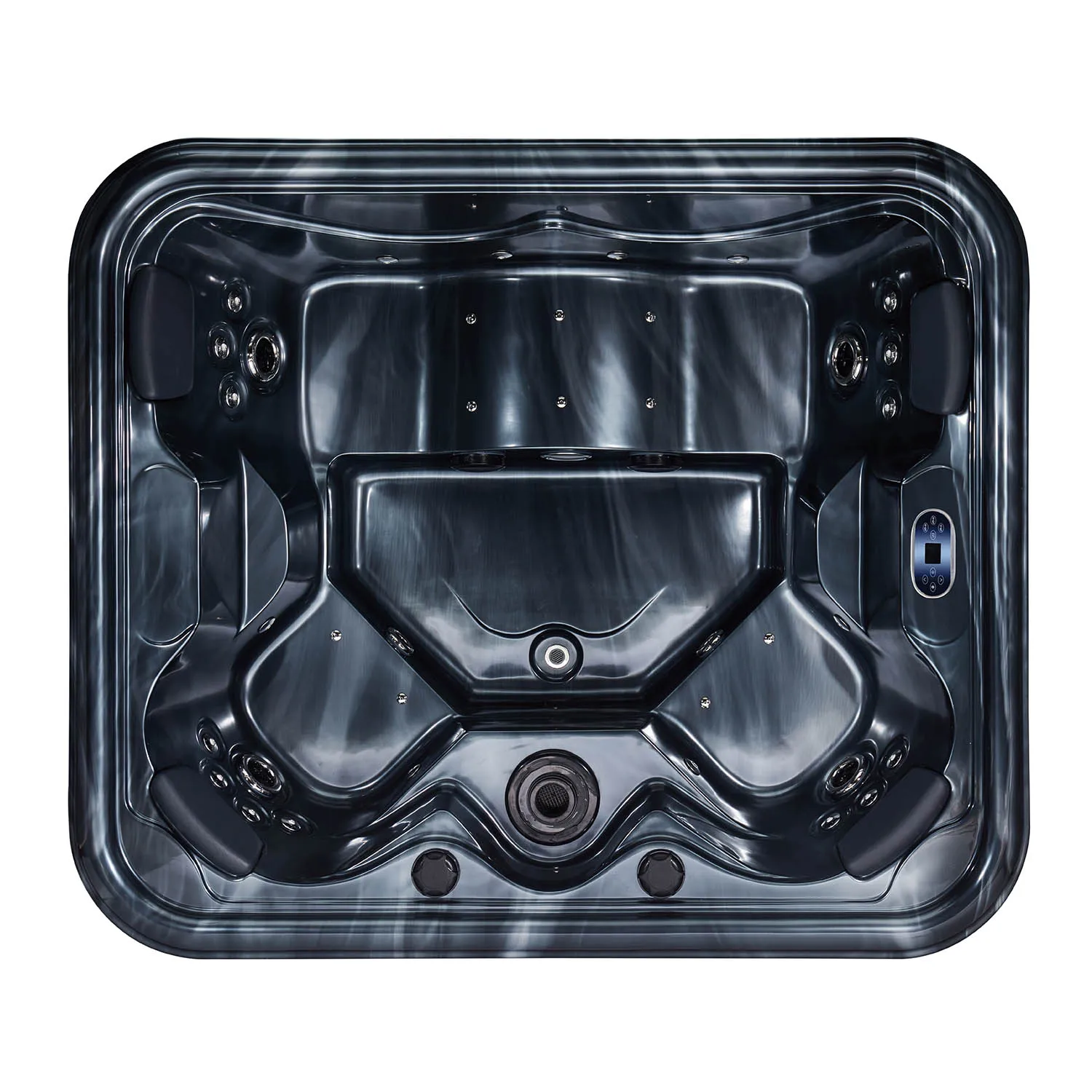
Why do manufacturers generally prohibit the use of Epsom salt in spa jacuzzi tubs?
Because the entire internal system of a spa jacuzzi tub (nozzles + pump + piping + heater) is not designed for handling saline solutions.
Most well-known spa jacuzzi tub brands explicitly state in their instruction manuals that "Epsom salt or any mineral additives are prohibited," for reasons including:
• Damage to the nozzles
• Corrosion of metal parts
• Damage to the plumbing system
• Increased equipment failure rate
• Impact on warranty eligibility
Many brands even explicitly state:
Damage to the bathtub caused by the use of Epsom salt will not be covered under warranty.
This sufficiently demonstrates that the damaging effects of Epsom salt on spa jacuzzi tubs are not a minor issue, but rather an industry-wide consensus.
What support does Yuehua offer for customizing product packaging with private labels?
Yuehua can apply private labels, branded stickers, customized cartons, and instruction manuals designed specifically for your brand. This enhances your product’s retail value while keeping your purchasing cost low. Because we manage packaging at our China factory, customization remains affordable and efficient. Wholesale distributors often rely on Yuehua for complete private-label solutions under low-price, high-quality conditions.