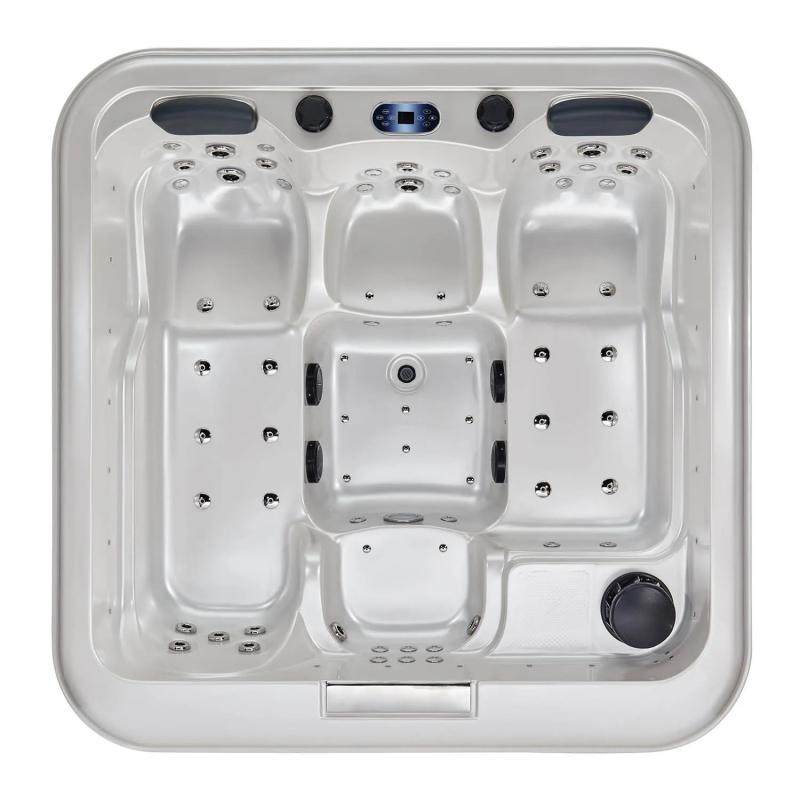
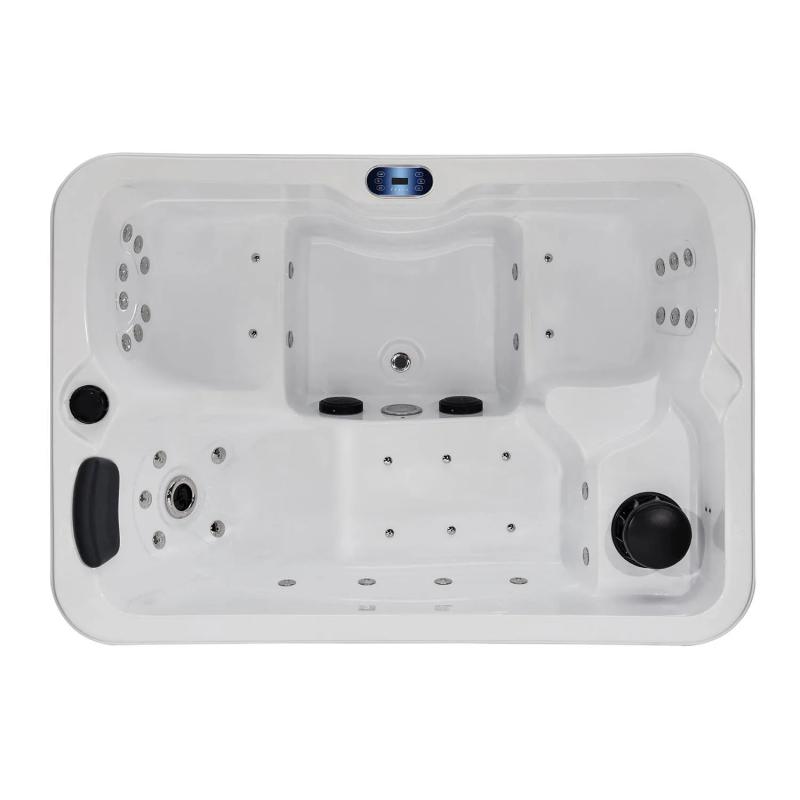
Technically speaking, most spa jacuzzi hot tubs do use ordinary tap water for filling. However, this does not mean that tap water can always be used directly without any treatment.
The primary cause of foaming is linked to the presence of surface-active substances.
When the water contains substances capable of lowering its surface tension, foam is easily generated when water flow and air are mixed. This phenomenon occurs more readily in spa hot tubs, as the equipment typically utilizes a jet system to blend air and water together.
Cloudy water typically indicates the presence of a high concentration of suspended particles, microorganisms, or an imbalance in chemical levels within the hot tub. This not only detracts from the spa experience but also poses potential risks to your skin, respiratory system, and overall health and safety.
When the temperature differential within the spa hot tub is reduced, the heater can raise the overall temperature more steadily, rather than repeatedly reheating only a small volume of water.
Consequently, the jets effectively boost thermal efficiency, thereby accelerating the heating process.
If you discover that the foaming in your spa hot tub has become excessive, you can address the issue by following this logical sequence of steps:
Step One: Pause the Jet System
Step Two: Check the Water Quality
Step Three: Run the Filtration System
Step Four: Partially Replenish or Replace the Water
From a holistic medical and health perspective, the normal use of a spa hot tub generally does not pose a threat to women's health. Provided that water temperatures are reasonable, soaking durations are appropriate, and water quality is properly maintained, spa hot tubs are typically considered a safe method of relaxation.