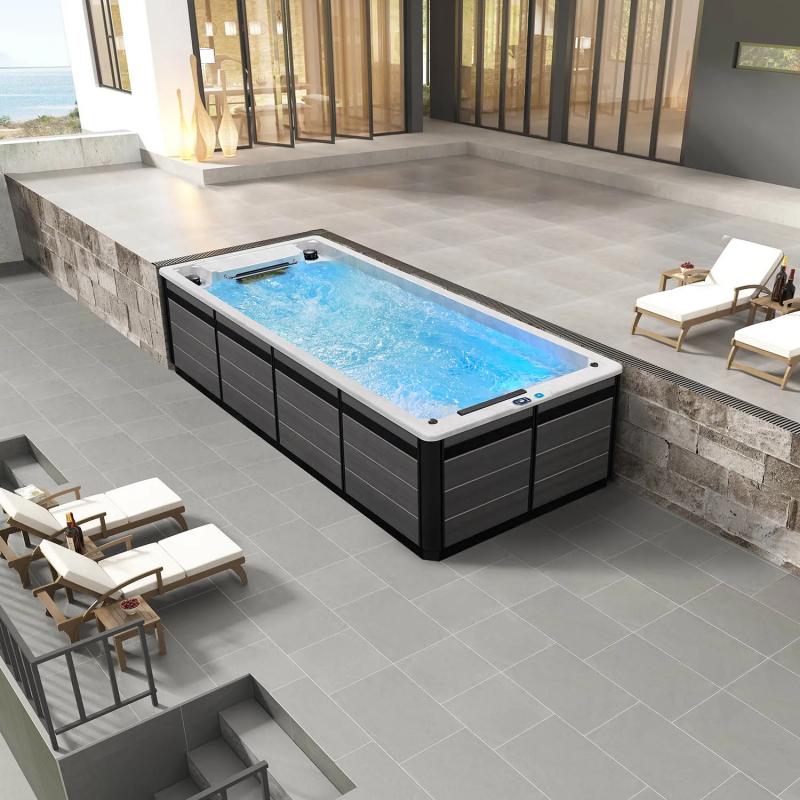
The bactericidal effect of chlorine decreases significantly at pH > 7.8, while bromine remains effective within the pH range of 8.0–8.5. This means that users do not need to frequently adjust the water quality in a spa hot tub.
Studies show that adults can lose 0.8 to 1.5 liters of water per hour during light activity in hot and humid environments.
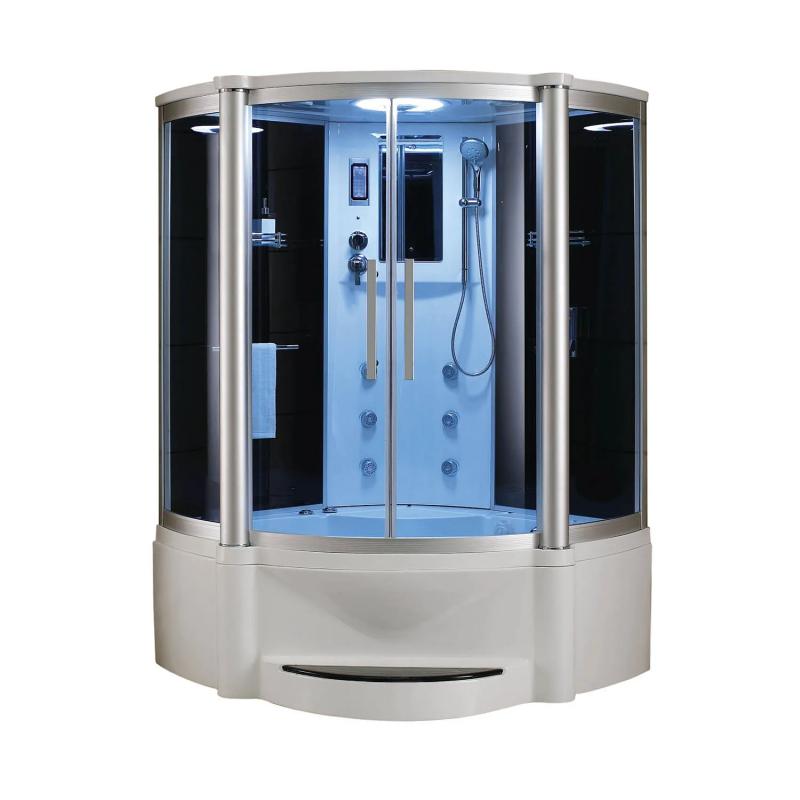
Even if the use of a steam shower room typically does not exceed 30 minutes, it can still result in a loss of approximately 0.5 to 1 liter of body fluids, exceeding the range that normal drinking water can automatically regulate.
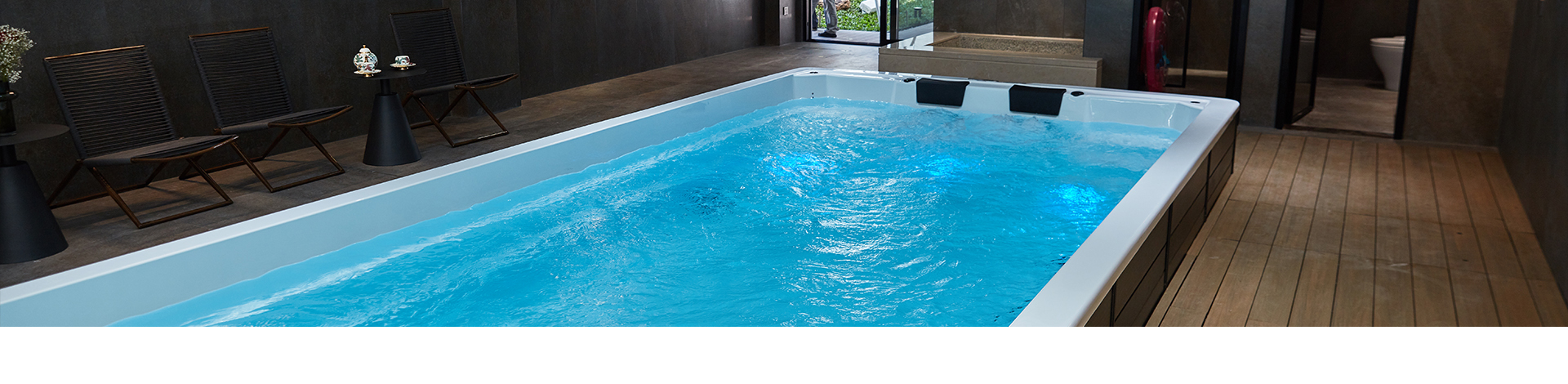
When asked about the depth of a spa jacuzzi tub, the most common answer in the industry is around 90cm. This depth is not arbitrary, nor is it solely based on aesthetics; rather, it's a comprehensive balance of structure, safety, and ergonomics.
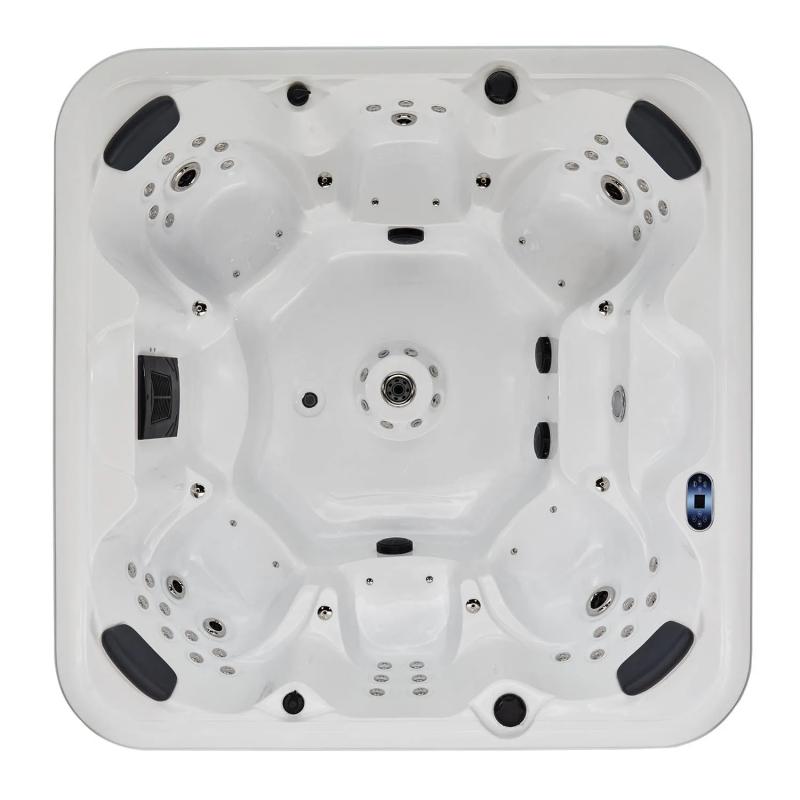
Adding magnesium, such as magnesium sulfate (Epsom salt), to the water in a spa hot tub is only acceptable if the salt content does not exceed the recommended range. Especially when the total salinity exceeds 1500 ppm, it may cause corrosion or damage to the internal components of the hot tub.
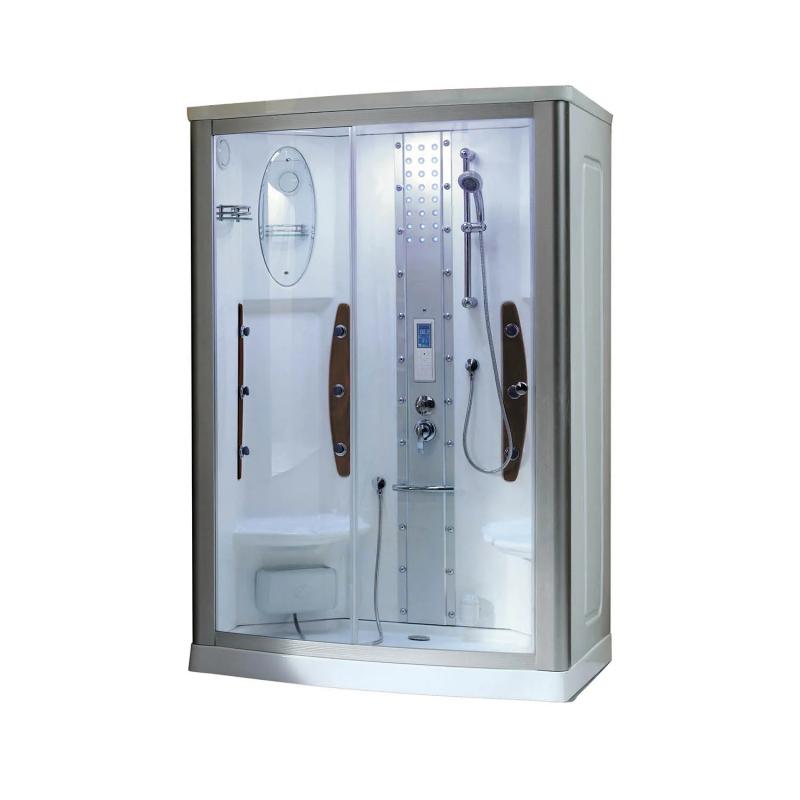
In steam mode, a steam shower room primarily consumes water for steam generation:
• The amount of water used to generate steam is relatively small, generally about 2-5 liters per hour.
• The steam circulates within the enclosed space, preventing immediate water loss, thus reducing water consumption.