



Most countries and regions have clearly defined maximum temperatures for hydrotherapy hot tubs. The U.S. Consumer Product Safety Commission (CPSC) recommends a maximum temperature of 104 degrees Fahrenheit to balance comfort and safety.
Yes, bacteria in spa hot tubs can indeed cause illness.
These bacteria can enter the body through skin contact, inhalation, or mucous membrane infection, causing various health problems such as rashes, otitis externa, and Legionnaires' disease.
The continuous heating, closed-loop circulation, and suitable water temperature of a spa hot tub create ideal conditions for microbial growth. Even adding disinfectants cannot completely eliminate the risks if the water isn't changed for an extended period.
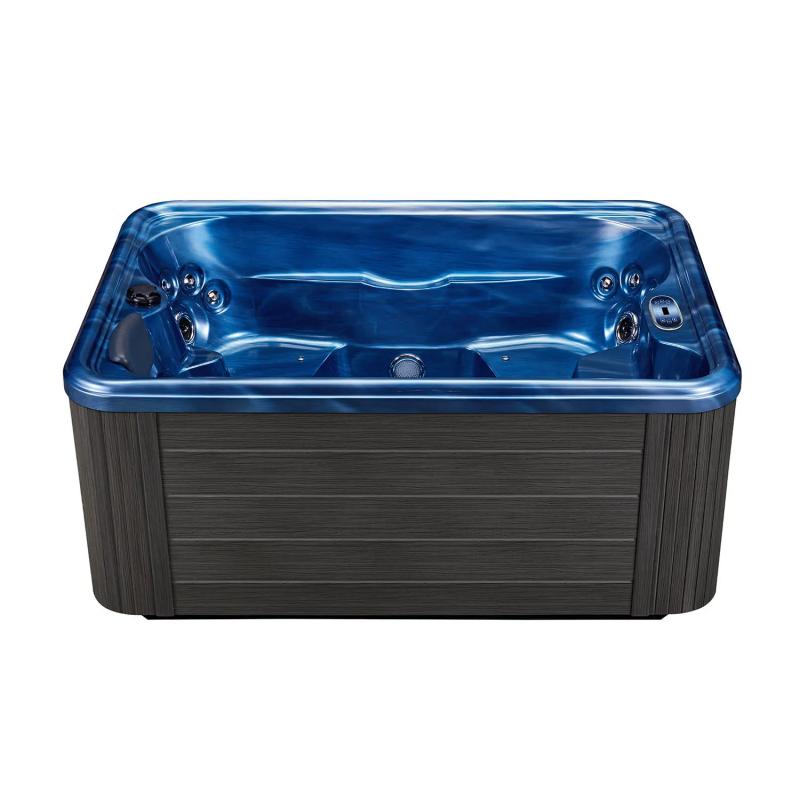
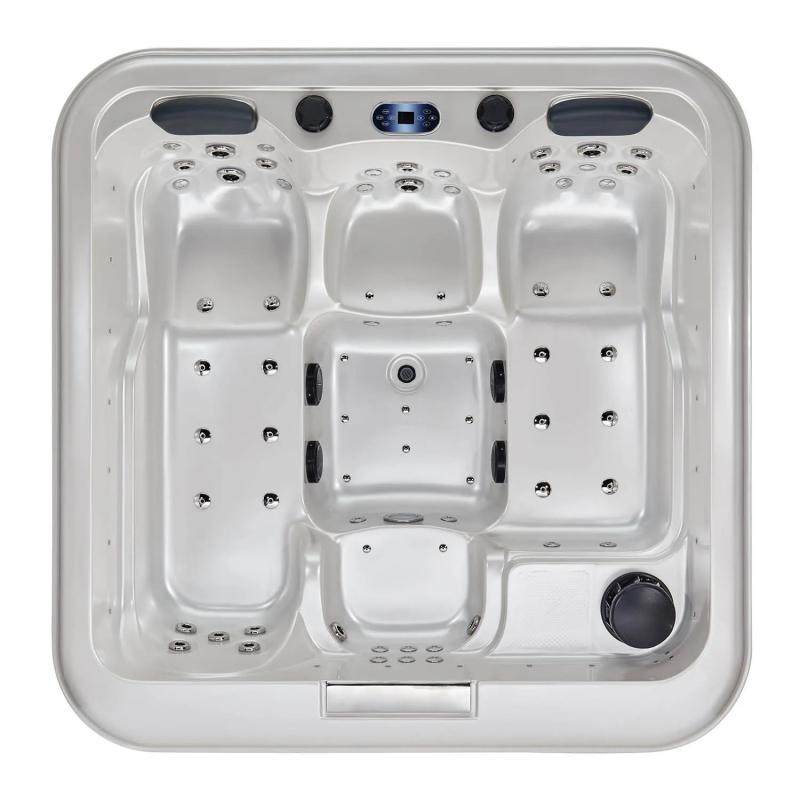
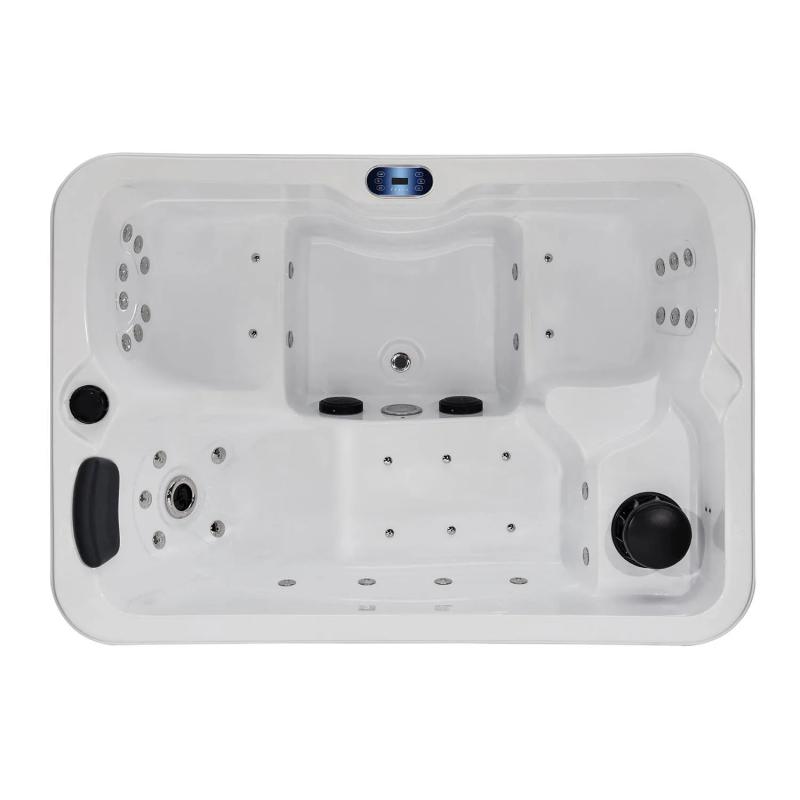
While the external dimensions may vary slightly between brands, most 3-person spa hot tubs fall within the following range:
• Length: 1800 – 2000 mm
• Width: 1200 – 1500 mm
• Height: 700 – 850 mm
When you soak in a spa hot tub at 37–40°C, your body undergoes a series of physiological responses:
Warmth promotes vasodilation (slightly lowers blood pressure)
Warm water has a natural vasodilatory effect, usually causing a slight decrease in blood pressure.
In fact, it's generally not recommended to leave the water in the spa hot tub if it won't be used for an extended period in winter.
The reason is clear: when the temperature drops below freezing, pipes can burst, joints can break, filters can rupture, and even the outer shell of the hot tub can crack.